DuelsLeaderboardGarageBlogCarsGlossaryBrowse

Cat-back exhaust

Car culture term

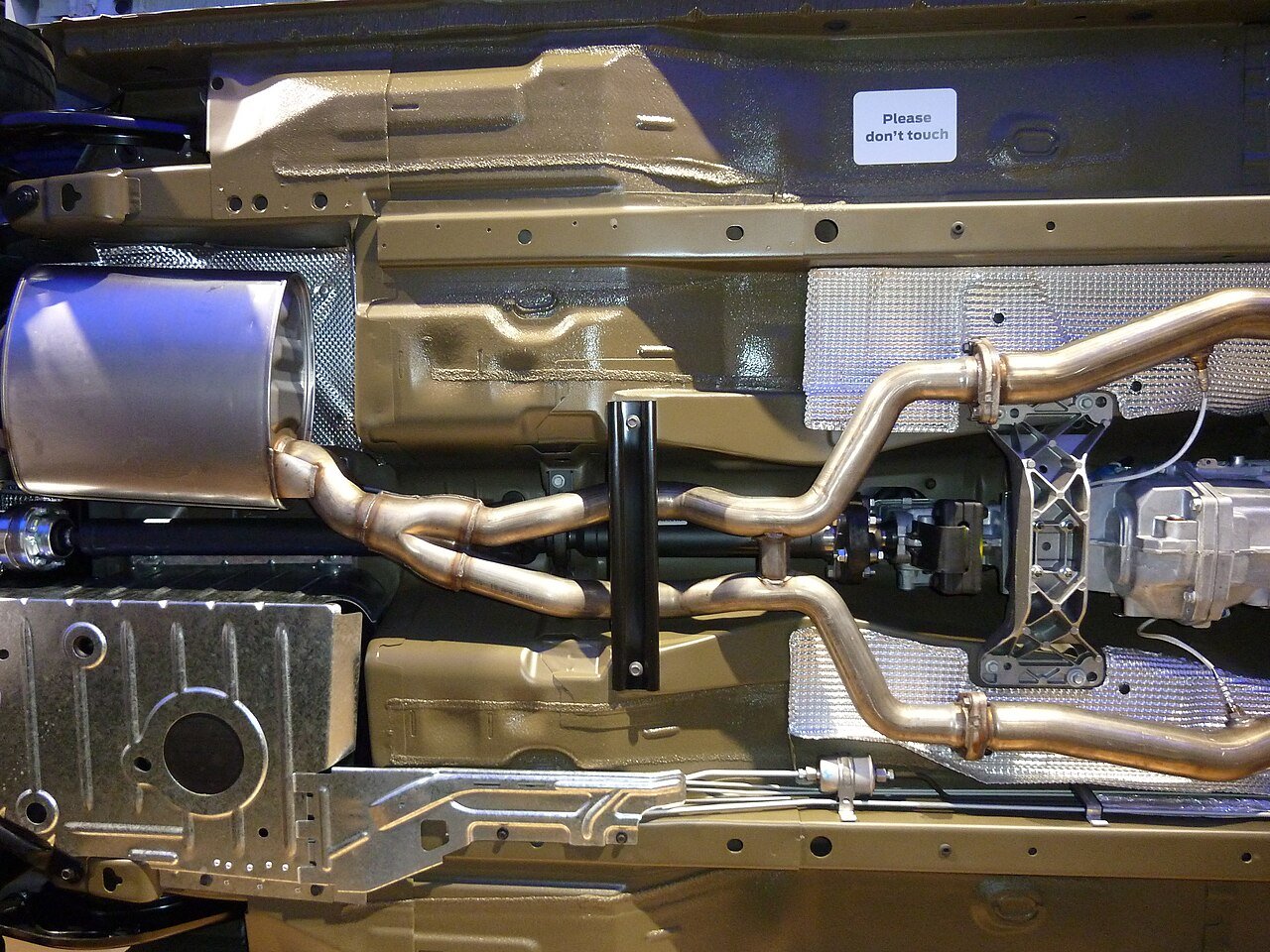
Cat-back exhaust
Photo: OSX / Wikimedia Commons · Public domain

What is Cat-back exhaust?

An aftermarket exhaust system replacing everything from the catalytic converter back. The most common exhaust upgrade.

Cat-back exhaust (or simply cat-back) is an aftermarket exhaust system that replaces all components from the catalytic converter to the exhaust tip. The system typically includes new mid-pipes, mufflers, and tips. Cat-back is the most common exhaust upgrade because it changes the sound and slightly improves flow without affecting the emissions system (the catalytic converters are retained).

Cat-back exhausts are popular because they are typically legal in most jurisdictions (the catalytic converters remain), they produce a more aggressive exhaust sound, and they are usually a straightforward installation. The power gain from a cat-back upgrade is typically modest (5-15 horsepower on naturally aspirated cars, less on turbocharged) compared to other modifications, but the sound change is significant.

Major cat-back exhaust manufacturers include Borla, Magnaflow, Akrapovic, ARK, Greddy, HKS, Tomei, and many others. Quality varies widely; cheap cat-backs can be drone-prone (constant boomy noise at cruise) and rust-prone. Premium systems use stainless steel construction, properly tuned mufflers, and often include integrated valves for adjustable noise levels. Akrapovic in particular is known for premium titanium construction at high price points.
Related terms

HeaderDownpipeCold air intake

Frequently asked questions

Is a cat-back exhaust worth it?
For sound and aesthetics, often yes. For pure power, the cost-per-horsepower ratio is moderate. A typical cat-back costs $800-$3,000 (premium systems exceed $5,000) and adds 5-15 horsepower. Most owners install cat-backs for the sound character change rather than the power gain.
Will a cat-back void my warranty?
Usually no. Most cat-back installations are reversible (the original cat-back can be reinstalled before warranty service). Manufacturers cannot deny warranty for unrelated issues based on cat-back modifications under the Magnuson-Moss Warranty Act in the United States. Specific warranty exclusions vary by manufacturer and component.
What is exhaust drone?
Drone is a constant low-frequency boomy sound during cruise (typically 60-75 mph at moderate engine RPM). Some cat-back exhaust systems generate drone due to resonance characteristics. Drone is the most common owner complaint about aftermarket exhausts. Premium systems with properly tuned mufflers minimize drone; cheap systems often have significant drone.
Are stainless steel cat-backs better?
Yes, generally. Stainless steel resists corrosion better than aluminized steel (used in cheaper systems), lasts longer in salt-belt climates, and looks better with age. Premium systems use 304 stainless steel; mid-range systems use 409 stainless steel. Aluminized steel systems eventually rust through.
Do cat-back exhausts increase fuel economy?
Slightly, in optimal conditions. The reduced exhaust restriction can improve efficiency at light load. The improvement is typically 1-3 mpg (mostly highway). However, owners with louder exhausts often drive more aggressively, offsetting any economy gain. Real-world fuel economy after cat-back installation is highly variable.

Cat-back exhaust on the blog

Why Do New Cars Have Fake Exhaust Tips?

New cars have fake exhaust tips because designers want the look of a performance exhaust without the cost, packaging, and emissions headaches of actually routing one there. The real pipe usually exits lower down, pointed at the ground behind the bumper, while a chrome trim piece sits in the bumper doing nothing.

Back to Glossary