DuelsLeaderboardGarageBlogCarsGlossaryBrowse

JDM

Car culture term

What is JDM?

Japanese Domestic Market. Refers to vehicles, parts, or styling sold or used in Japan, often imported elsewhere through grey-market channels.

JDM stands for Japanese Domestic Market. Strictly, the term refers to vehicles or parts sold by manufacturers specifically for the Japanese market. Many JDM cars were never officially exported, which is why importing them (typically once they reach 25 years of age in the United States) has become a major hobby.

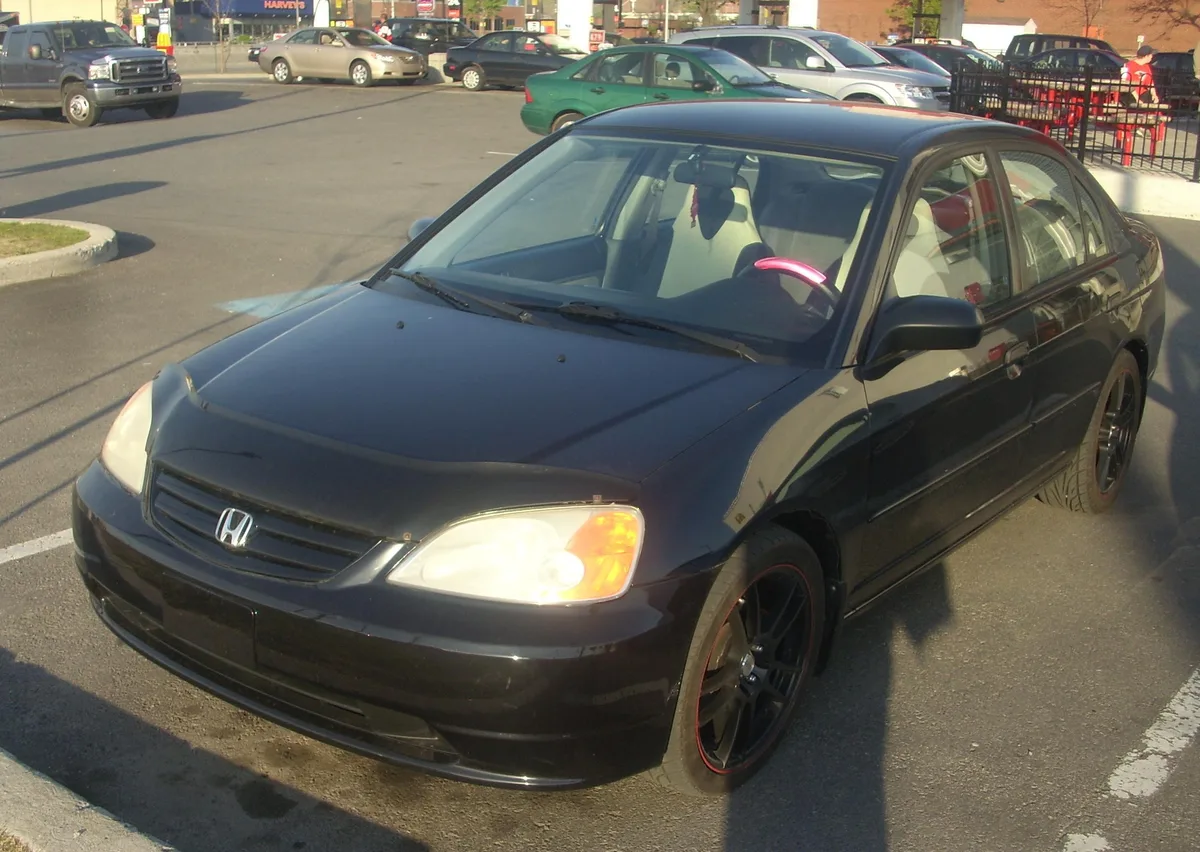
In casual use, JDM has expanded to mean any styling or modification influenced by Japanese tuner culture. A Honda Civic with a stance setup, JDM-spec headlights, and Japan-only trim parts would be called JDM by most enthusiasts even if the car is a North American model. The strict definition would limit JDM to actual Japan-market vehicles.

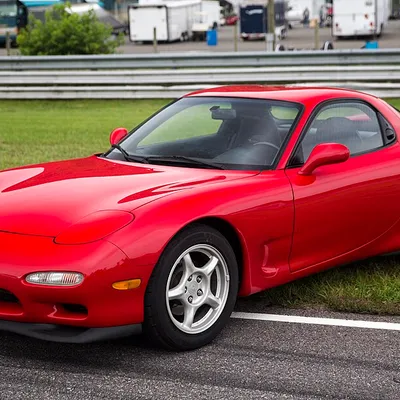
Common JDM imports in the United States include the Skyline GT-R (R32, R33, R34), Toyota Chaser, Mazda RX-7 Spirit R, Honda Beat, Nissan Silvia S15, and Mitsubishi Lancer Evolution variants that were never sold in North America. The Right Hand Drive (RHD) configuration is a quick visual indicator of an authentic JDM import.
Frequently asked questions

Are all JDM cars right-hand drive?
All factory JDM cars are right-hand drive (Japan drives on the left side of the road). Imported JDM cars in North America keep the right-hand drive configuration; converting to left-hand drive is expensive and rarely done. Some buyers prefer the original RHD configuration as part of the authenticity.
When can I legally import a JDM car to the US?
The 25-year rule. The US Motor Vehicle Safety Compliance Act allows import of vehicles 25 years old or older without meeting current US safety and emissions standards. So a 1999 JDM Skyline R34 GT-R could be legally imported in 2024.
Are JDM cars more reliable than US-spec cars?
Mechanically, generally similar. JDM cars often had higher trim levels, better-quality interior materials, and more performance options than US-spec equivalents. They also typically have lower mileage when imported (Japanese drivers cover fewer miles annually). But the same engines and chassis as US-spec equivalents.
What is a tuner JDM car?
A JDM car modified for performance or appearance, typically following Japanese tuner culture aesthetics. Common modifications include lowered suspension, larger wheels, body kits, engine performance upgrades, and racing-inspired livery. The term is sometimes used loosely to mean any modified Japanese car.
Is a JDM swap the same as an engine swap?
JDM swap usually refers to fitting a JDM-spec engine (often higher-output than US-spec equivalents) into a vehicle that originally came with a different powertrain. Common examples are the JDM 2JZ-GTE or RB26DETT swapped into chassis that did not originally have them.

JDM on the blog

What is a ricer? Where the word came from, and why it still stings

A ricer is a car modified to look fast without being made faster: big wing, loud muffler, stick-on vents, decals for sponsors it doesn't have. The word comes from "rice burner," a slur aimed at Japanese bikes and cars, and the acronym people cite is a cover story. Here's the history, the line between a ricer and a real build, and why the industry does the same thing.

The R35 GT-R engine is built by hand, by one person

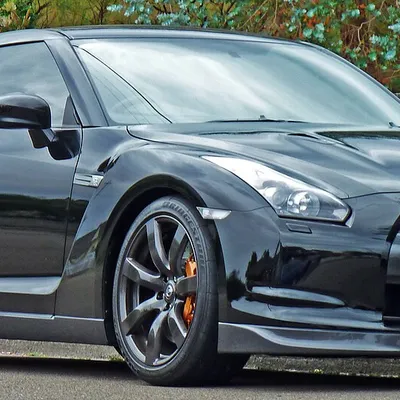
Every R35 GT-R engine was assembled by a single master builder in a clean room, and signed with a name plaque. The VR38DETT is a 3.8-liter twin-turbo V6 that went from 480 horsepower to about 600, and it's most of why the GT-R earned the Godzilla name.

What Is a K-Swap, and Why Is It Everywhere?

A K-swap means dropping a Honda K-series four-cylinder into a car that didn't come with one, and it's the most popular engine swap in the world. Introduced in 2001, the K20 and K24 make easy power, run i-VTEC, and are cheap and everywhere. Here's why K-swap the world became a plan.

How Does a Rotary Engine Work? (And Why the RX-7 Won't Die)

A rotary engine makes power in a completely different way: no pistons pumping up and down, just a triangular rotor spinning in an oval housing. It is smooth, compact, and loves to rev, and it is also thirsty and fragile. Here is how the Wankel works and why the Mazda RX-7 keeps its cult alive anyway.

Back to Glossary