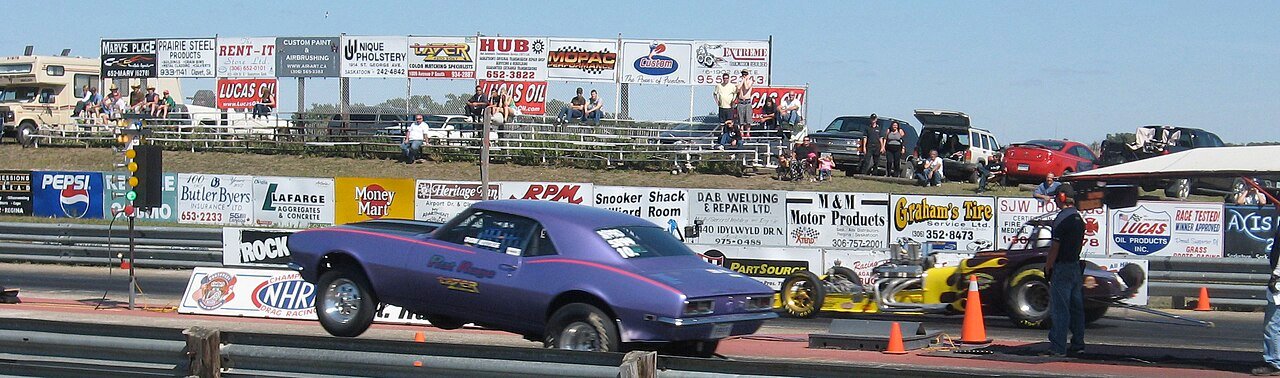
What is Weight transfer?
The shift in vehicle weight between axles or sides during braking, acceleration, or cornering. The fundamental principle of vehicle dynamics.
Weight transfer is the shift in vehicle weight between axles or sides during braking, acceleration, or cornering. Under braking, weight transfers forward (loading the front axle). Under acceleration, weight transfers rearward (loading the rear axle). Under cornering, weight transfers from the inside to the outside of the corner. Understanding weight transfer is fundamental to performance driving.
The amount of weight transfer depends on the rate of change (how quickly the input occurs), the magnitude of the input (how hard you brake or accelerate), and the suspension stiffness (stiffer springs reduce weight transfer compared to softer springs). The car center of gravity height also matters: higher CG means more weight transfer for the same input. Lowered cars (with reduced CG) have less weight transfer than stock cars under the same conditions.
Performance driving uses weight transfer deliberately. Trail braking (continuing to brake into the corner) keeps the front loaded for better grip and turn-in. Throttle application after the apex unloads the front (allowing it to relax) and loads the rear (improving exit traction). Weight transfer also affects handling balance: a car with significant weight transfer at the rear under throttle can become oversteer-prone; understanding and managing this is essential.