DuelsLeaderboardGarageBlogCarsGlossaryBrowse

Downforce

Car culture term

Downforce
Photo: Vybr8 / Wikimedia Commons · CC BY-SA 3.0

What is Downforce?

Aerodynamic force pressing a car downward at speed, increasing tire grip. Generated through wings, splitters, diffusers, and underbody design.

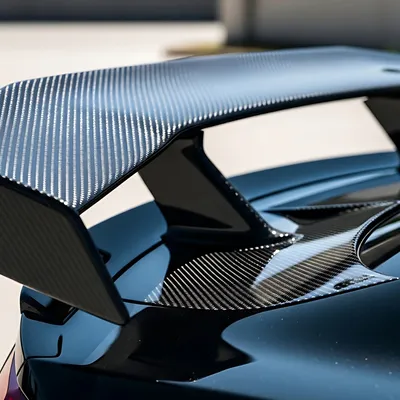
Downforce is aerodynamic force that presses a car downward as it moves through the air. The force increases tire grip on the road, enabling higher cornering speeds and better braking performance. Downforce is generated through various aerodynamic surfaces: rear wings, front splitters, rear diffusers, underbody venturi tunnels, and the overall body shape.

The relationship between downforce and drag is fundamental to aerodynamic engineering. More downforce typically requires more drag (reducing top speed and fuel economy). Race cars optimize for the specific track and balance downforce and drag accordingly. Production sport cars typically have moderate downforce designs that balance lap time and daily driving practicality.

Modern road car downforce examples include the Lamborghini Aventador SVJ (with active aerodynamics making over 800 pounds of downforce at 175 mph), the Porsche 911 GT3 RS (with rear wing and large rear diffuser), and the Mercedes-AMG GT Black Series (with adjustable rear wing and front splitter). Active aerodynamics, where wings and panels move based on speed and driving condition, are increasingly common in modern performance cars.
Related terms

SplitterDiffuserSupercar

Frequently asked questions

Does my street car make downforce?
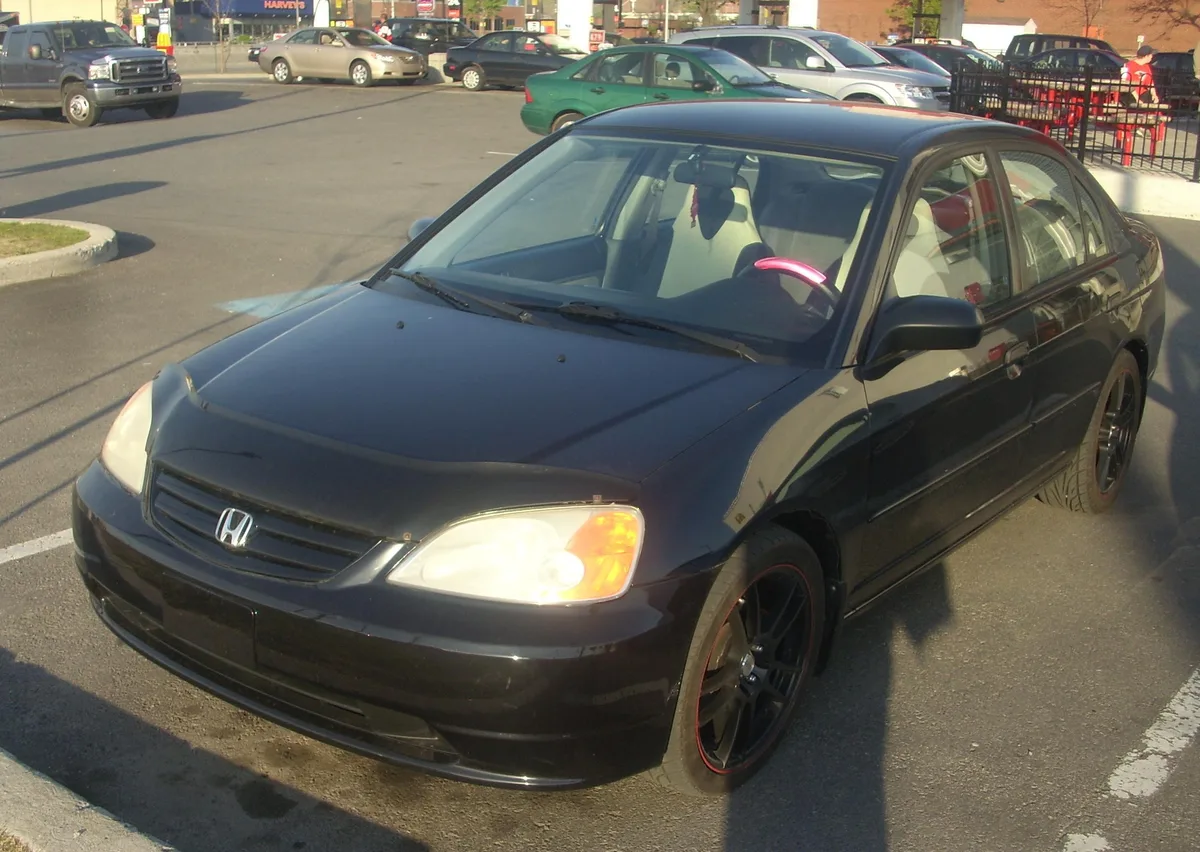
Most production cars make some downforce at high speeds, but the amounts are modest. Sports cars (Porsche 911, Corvette Z06) generate measurable downforce at speed. Standard sedans and compact cars typically generate near-zero or slight lift. The dramatic downforce numbers (500+ pounds at 150 mph) come from purpose-designed track cars and supercars with aero packages.
How much downforce is too much?
For street cars, more downforce comes with more drag and reduced top speed. The optimal balance depends on use case. Many road-legal track cars adjust front splitter and rear wing settings depending on the venue. Excessive downforce can also cause stability issues at low speeds (when downforce is minimal but mass is unchanged).
What is active aerodynamics?
Aerodynamic surfaces that move based on speed, driving mode, or other conditions. Examples include the Porsche 911 Turbo rear wing (extends at speed), the Lamborghini Huracan Performante ALA system (variable downforce), and the Ferrari LaFerrari rear wing. Active aero allows downforce when needed and reduces drag when not, optimizing both lap time and top speed.
Do wings actually create downforce on street cars?
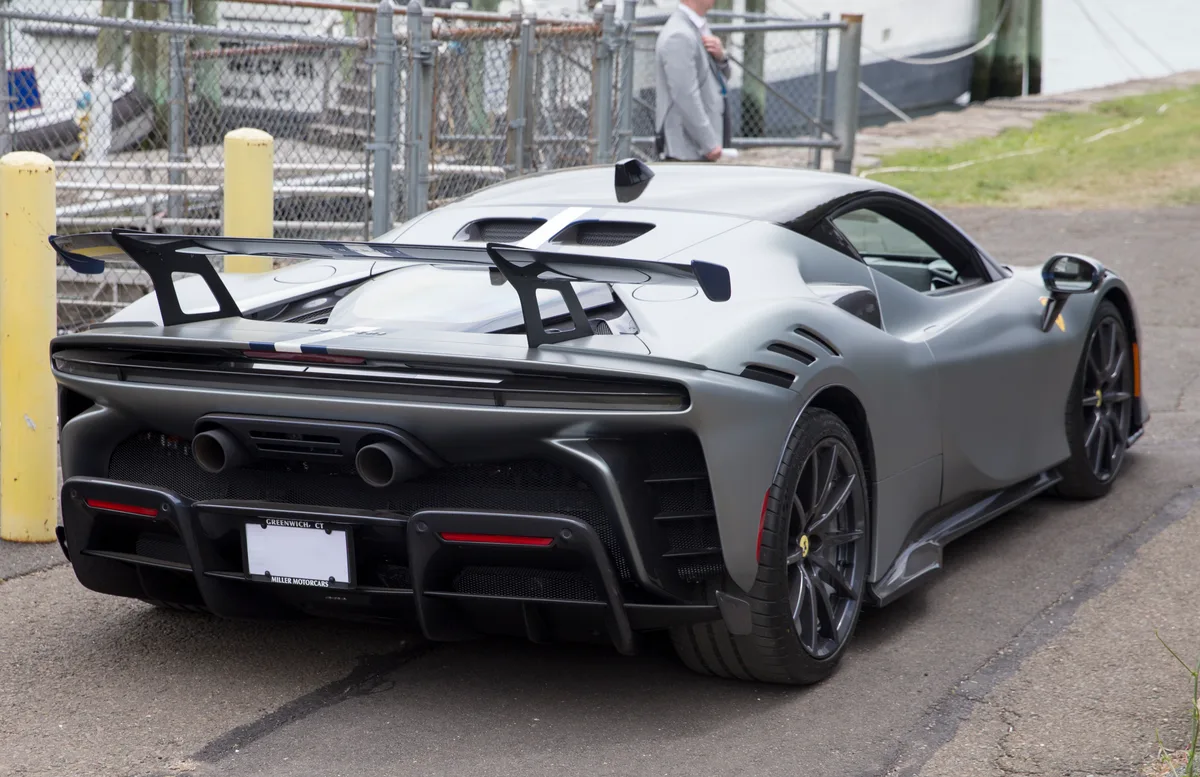
Real wings (designed for downforce) yes, decorative wings (added for appearance) generally no. Many aftermarket wings on enthusiast cars are too small or improperly mounted to make meaningful downforce. Properly engineered wings (like the Porsche GT3 RS swan-neck or Mustang GTD active wing) make measurable downforce at speed.
What is the difference between downforce and traction?
Traction is the friction between tire and road, determined by tire compound, tire size, and the force pressing the tire to the road. Downforce increases the force pressing the tire to the road at speed, increasing traction without changing the tire. Traction is also affected by surface conditions, temperature, and tire wear.

Downforce on the blog

What is a ricer? Where the word came from, and why it still stings

A ricer is a car modified to look fast without being made faster: big wing, loud muffler, stick-on vents, decals for sponsors it doesn't have. The word comes from "rice burner," a slur aimed at Japanese bikes and cars, and the acronym people cite is a cover story. Here's the history, the line between a ricer and a real build, and why the industry does the same thing.

Ferrari Wants to Hide Its Aerodynamics in the Taillights

Ferrari has patented taillights that move out of the way to feed air to the rear wing and effectively lengthen it. It's a patent rather than a confirmed product, but it shows how hard the brand is working to get the downforce without letting the aero wreck the look.

Spoiler vs Wing: What's the Difference, and Does Either Do Anything?

People use spoiler and wing interchangeably, but they are different devices doing different jobs. A spoiler manages airflow to cut lift and drag; a wing actively pushes the car into the ground. Here is the real difference, and the harder question: does the one on the back of your car actually do anything, or is it just for looks?

Back to Glossary