What is Supercharger?
A supercharger uses engine power (via a belt) to drive a compressor, forcing more air into the engine. Faster response than turbo but less efficient.
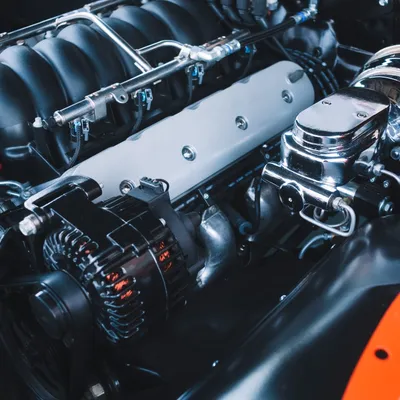
Supercharger is a forced induction device driven by engine power (typically through a belt off the crankshaft) rather than by exhaust gas. The supercharger compresses air and forces it into the engine intake, similar to a turbocharger, but the mechanical drive provides immediate response with no lag. The trade-off is reduced efficiency (the engine is using its own power to drive the supercharger) compared to turbocharging.
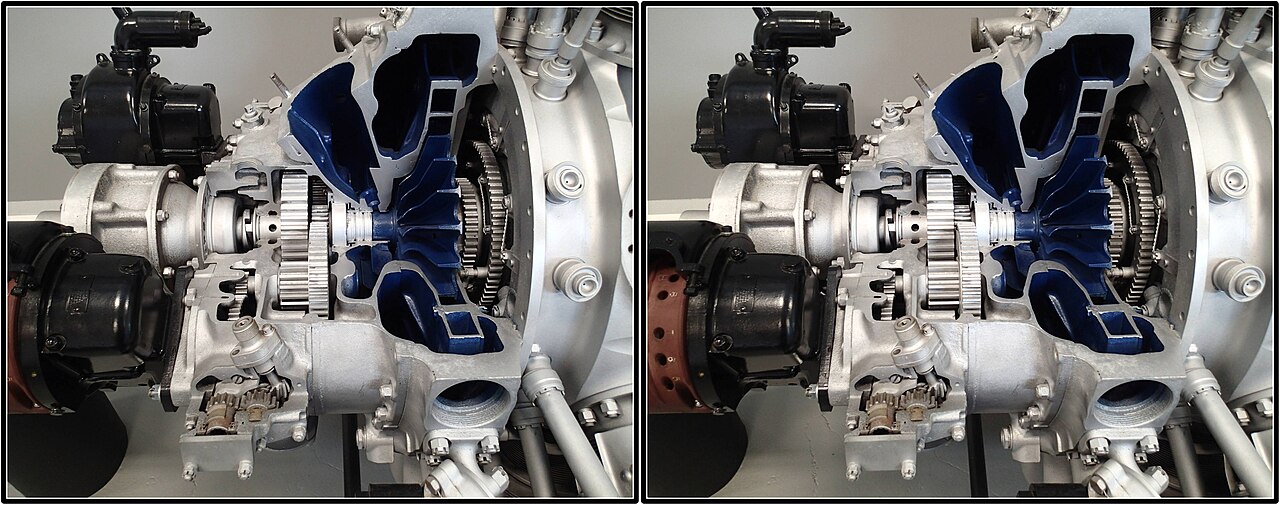
Supercharger types include Roots-style (compact, high airflow at low speeds, common on muscle cars and pickup trucks), twin-screw (more efficient than Roots, used in many modern factory applications), and centrifugal (looks similar to a turbocharger but is belt-driven, common in aftermarket kits). Each type has different characteristics suited to specific engine and use cases.
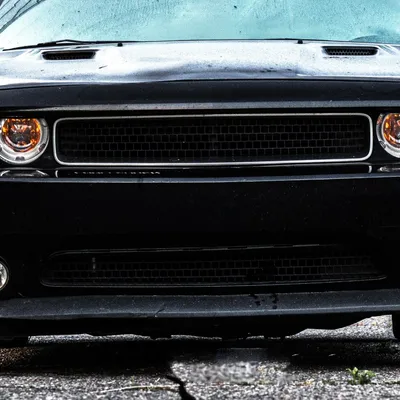
Notable supercharged production cars include the Dodge Hellcat (Hellcat Hemi 6.2 supercharged V8), Ford Mustang GT500 (5.2 V8 with supercharger), Cadillac CTS-V (LSA and LT4 supercharged V8s), Jaguar F-Type R (5.0 supercharged V8), and Range Rover Sport SVR (5.0 supercharged V8). Older Mercedes-Benz Kompressor (M113K supercharged V8) and Audi 3.0T (V6 supercharged) extended the formula across European luxury and performance brands.