DuelsLeaderboardGarageBlogCarsGlossaryBrowse

Air ride

Car culture term

What is Air ride?

An adjustable suspension system using air bags instead of metal springs. Allows variable ride height with the push of a button.

Air ride (also called air suspension, air bags, or pneumatic suspension) is a vehicle suspension system that uses inflatable air bags instead of conventional metal springs. The air bags are inflated and deflated by an air compressor and electronic controls, allowing the driver to adjust ride height in real time. Air ride enables a vehicle to be raised for parking and lowered for cruising or display.

The technology has been used in heavy trucks since the 1950s and was adopted in luxury cars (Mercedes-Benz S-Class, Range Rover) and high-end SUVs throughout the late 20th and early 21st centuries. Aftermarket air ride became popular in custom car culture in the 1990s and 2000s, particularly in lowrider, hot rod, and stance communities. The Air Lift Performance brand (US-based) and Acuair (also US) are major aftermarket air ride manufacturers.

Modern aftermarket air ride systems include independent corner control (each corner can be adjusted separately), preset memory positions (saved height settings), and smartphone control through dedicated apps. Performance air ride systems offer adjustable damping in addition to height. The combination of stance-friendly low ride height with the practicality of being able to drive over speed bumps has made air ride increasingly common in serious modification builds.
Related terms

CoiloversSlammedStance

Frequently asked questions

Is air ride better than coilovers?
Different priorities. Coilovers are simpler, lighter, more reliable, and offer better damping consistency. Air ride offers adjustable ride height for daily practicality. Most performance enthusiasts choose coilovers for serious driving; most stance-focused builds choose air ride for the visual and practical flexibility.
How much does air ride cost?
Quality aftermarket air ride systems start around $3,000-$5,000 for a complete kit. Premium systems with electronic controls and adjustable damping range $5,000-$8,000+. Installation typically adds $1,500-$3,000. Total cost is significant compared to coilovers ($1,500-$3,500).
Are air bags reliable?
Modern air bags from quality manufacturers (Air Lift, Slam Specialties) are reliable for street use. Common issues include leaks (developing over time), compressor failures (eventual wear from extensive use), and electronic control module problems. Maintenance is more involved than for static coilover systems.
Can I daily drive a car with air ride?
Yes, that is one of the main benefits. The car can be raised for normal driving (avoiding speed bumps and driveways) and lowered when desired. Air ride makes daily driving slammed cars practical. Static (coilover) slammed cars have ongoing scraping issues that air ride mostly eliminates.
Does air ride affect handling?
Yes. Air bags are not as precise as quality coilovers in terms of damping and spring rate consistency. The handling response is generally less direct than a properly tuned coilover setup. For street driving and stance use, air ride is excellent. For track use or aggressive driving, coilovers typically perform better.

Air ride on the blog

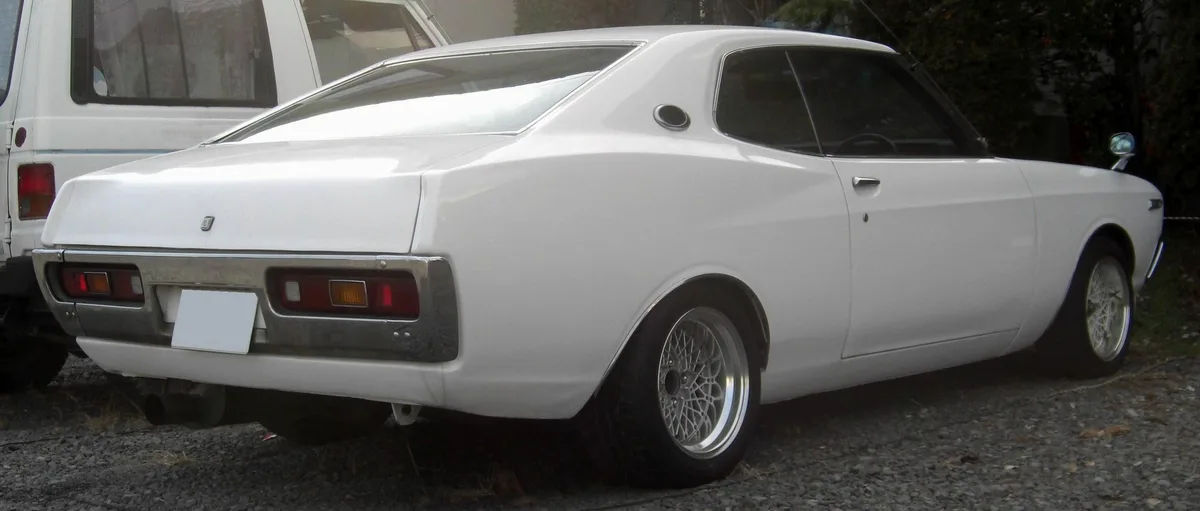
What is shakotan? Japan's original lowered car style

Shakotan literally means low car, and it's the 1970s Japanese style that every lowered car since has descended from. Deep-dish wheels, a scraped ride height, mild flares, and clean lines. Here's what separates it from bosozoku, kaido racer, and VIP style.

What is a ricer? Where the word came from, and why it still stings

A ricer is a car modified to look fast without being made faster: big wing, loud muffler, stick-on vents, decals for sponsors it doesn't have. The word comes from "rice burner," a slur aimed at Japanese bikes and cars, and the acronym people cite is a cover story. Here's the history, the line between a ricer and a real build, and why the industry does the same thing.

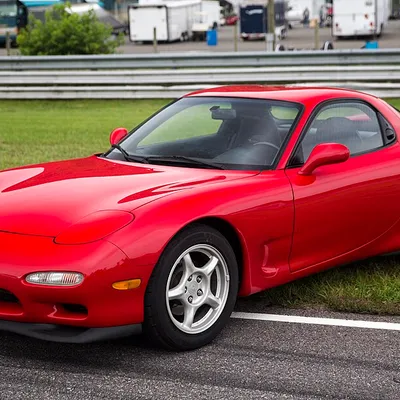
How Does a Rotary Engine Work? (And Why the RX-7 Won't Die)

A rotary engine makes power in a completely different way: no pistons pumping up and down, just a triangular rotor spinning in an oval housing. It is smooth, compact, and loves to rev, and it is also thirsty and fragile. Here is how the Wankel works and why the Mazda RX-7 keeps its cult alive anyway.

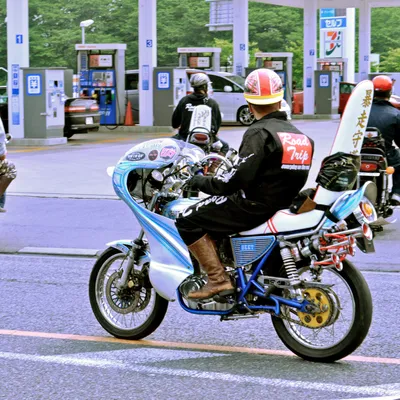
What Is Bosozoku Style?

Bosozoku is the most extreme corner of Japanese car culture: cars with exhaust pipes that stab into the sky, body kits that defy aerodynamics, and color schemes that refuse to be ignored. It started with rebel bikers, and it has never been about subtlety.

Back to Glossary