DuelsLeaderboardGarageBlogCarsGlossaryBrowse

Oil change interval

Car culture term

Oil change interval
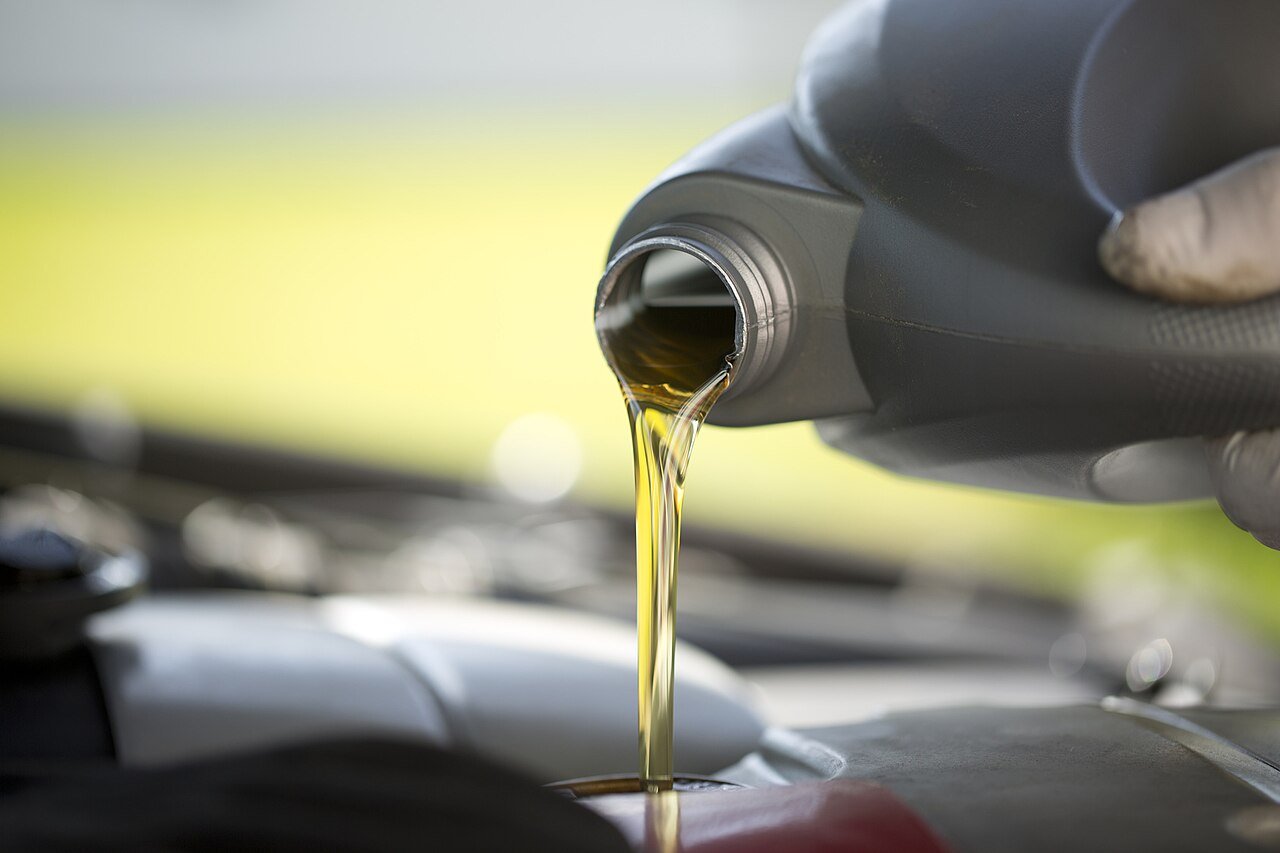
Photo: SIGAUS / Wikimedia Commons · CC BY-SA 4.0

What is Oil change interval?

The mileage or time period between engine oil changes. Modern intervals are typically 5,000-15,000 miles depending on oil and conditions.

Oil change interval is the mileage or time period between engine oil changes. Modern intervals have lengthened significantly compared to historical practice. Common modern recommendations are 5,000-7,500 miles for conventional oil, 7,500-10,000 miles for synthetic blends, and 10,000-15,000 miles for full synthetic oils with appropriate filters. Oil life monitor systems in many modern cars adjust intervals based on driving conditions.

Driving conditions significantly affect oil life. Severe service (short trips, stop-and-go traffic, towing, dusty conditions, extreme temperatures) accelerates oil degradation; intervals should be shortened for severe service operation. Highway cruising at moderate speeds is the most favorable condition; oil intervals can be extended for vehicles primarily used for highway driving. Track use accelerates oil degradation dramatically; track-focused vehicles often change oil every 1,000-3,000 miles or more frequently.

Modern synthetic oils (Mobil 1, Castrol Edge, Shell Pennzoil Platinum, Royal Purple, etc.) extend service intervals significantly compared to conventional oils. The specific oil specification (Dexos for GM, Mercedes 229.5 for AMG, BMW LL-04 for BMW) often requires specific oils designed for those applications. Mixing oils of different specifications can cause issues. The recommended oil and interval for your specific vehicle should be confirmed in the owner manual or with the dealer.
Related terms

Spark plugsTiming beltHead gasket

Frequently asked questions

How often should I change my oil?
Per manufacturer specification, typically. Modern recommendations: 5,000-7,500 miles for conventional oil, 7,500-10,000 for synthetic blends, 10,000-15,000 for full synthetic with appropriate filter. Check your owner manual for your specific vehicle requirements. Severe driving conditions may require shorter intervals.
Can I extend oil change intervals beyond the recommendation?
With caveats. Extended drain intervals work with high-quality synthetic oils designed for the purpose. The Mobil 1 Extended Performance series, Castrol Edge with Hyzol, and similar products can extend safely to 15,000-20,000 miles in favorable conditions. Verify oil condition with regular oil analysis if extending beyond manufacturer recommendations. Severe service or aggressive driving typically requires shorter intervals.
What is severe service?
Driving conditions that accelerate engine wear: short trips (engine doesn't reach full operating temperature), stop-and-go traffic, frequent cold starts, dusty conditions, sustained high temperatures (especially in tow vehicle applications), and operating in mountains or other demanding terrain. Severe service typically halves the recommended oil change interval.
Should I use synthetic or conventional oil?
Synthetic generally offers better protection, longer drain intervals, and better cold-start performance. The cost premium (about $15-$30 more per oil change) is typically worth the benefits. Modern engines often require synthetic oil for warranty compliance. Conventional oil remains adequate for older vehicles in normal service.
Can I skip oil changes if I drive less?
Time-based intervals matter alongside mileage. Most manufacturers recommend annual oil changes regardless of mileage. Oil degrades from oxidation and moisture absorption over time even when not used. Cars driven infrequently still require periodic oil changes. The maximum interval is typically the lesser of the mileage or 12 months.

Oil change interval on the blog

How Many Miles Is Too Many for a Used Car?

There is no single mileage number that makes a used car a bad buy, but there is a useful baseline: American drivers average roughly 13,500 miles per year, so divide the odometer by the car's age and you know immediately whether it lived a normal life. The honest answer is that mileage stopped being the number that matters most.

Back to Glossary