What is Redline?
The maximum safe RPM for an engine, marked in red on the tachometer. Exceeding redline can cause engine damage.
Redline is the maximum safe RPM for an engine, typically marked in red on the tachometer. The redline indicates the upper limit of safe sustained operation; momentary excursions above redline are typically tolerated by modern engine management systems but sustained operation can cause engine damage including bent valves (from valve float), damaged rotating assemblies, or detonation issues.
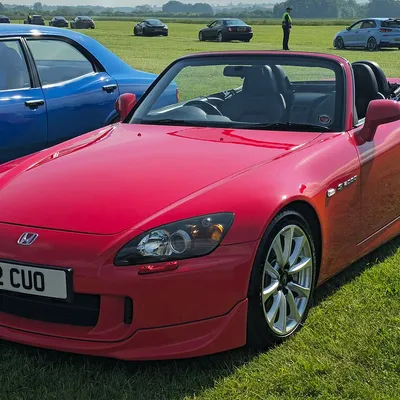
Different engines have different redlines based on design philosophy. Honda VTEC engines (especially older ones like the B16 and B18C5) typically redline at 8,000-9,000 RPM. The Honda S2000 F20C revs to 9,000 RPM in stock form. Diesel engines typically redline at 4,500-5,500 RPM (lower stress per power output). The Lexus LFA V10 famously revs to 9,500 RPM. Most modern naturally aspirated four-cylinders redline at 6,500-7,000 RPM.
Modern engines have rev limiters that prevent operation above redline. Two-step rev limiters (with a separate launch RPM limit and a redline limit) are common in performance applications, allowing the driver to launch with the engine held at the optimal RPM. Aftermarket rev limiter modifications (raising the redline) require careful evaluation of valvetrain capability, oil flow, and rotating assembly limits.