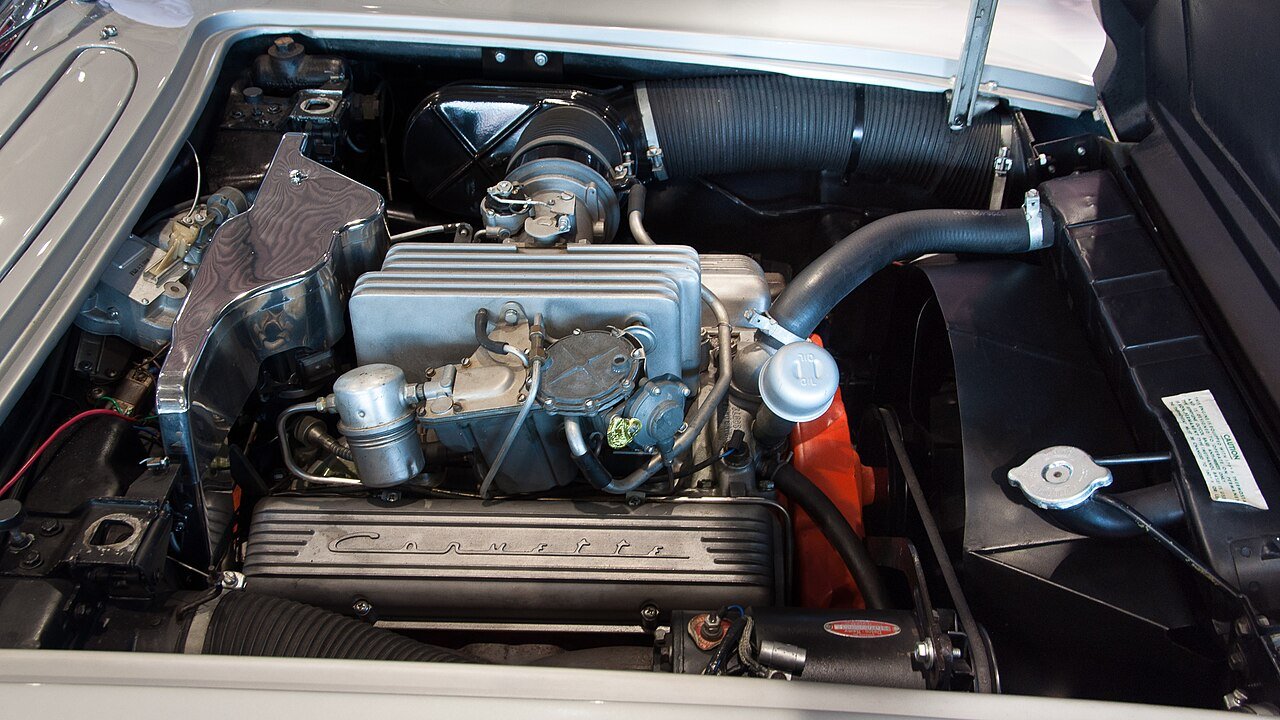
What is Fuel injectors?
Devices that inject fuel into the engine. Sized in pounds-per-hour or cc/min. Larger injectors required for higher horsepower applications.
Fuel injectors are devices that spray fuel into the engine intake (port injection) or directly into the cylinder (direct injection). Each injector is rated for a maximum flow rate, typically measured in pounds per hour (lb/hr) or cubic centimeters per minute (cc/min). Higher-power applications require larger injectors capable of supplying more fuel.
Fuel injector sizing is critical for performance. Stock injectors are sized for the engine factory power output; significantly increased power requires larger injectors. The general rule is that injectors should be sized to allow fuel delivery for 20-30% more power than the engine target output, providing a safety margin. Common factory injector sizes: stock Civic Si 240 cc/min, stock 5.7 Hellcat 24 lb/hr (about 252 cc/min), Subaru WRX 380 cc/min. Performance applications often use 750+ cc/min injectors.
Fuel injector quality and design matter beyond just sizing. Bosch, Denso, Siemens, and Injector Dynamics are common premium injector brands. Some applications use specific spray patterns (cone, fan, splash) optimized for different engine designs. Direct injection injectors (modern engines) operate at much higher pressures (2,000+ PSI) and have different design requirements than port injection. Injector replacement is typically $100-$300 per injector for quality units; installation labor varies by engine layout.