What is BOV?
Blow-off valve. A valve that releases boost pressure when the throttle closes, preventing compressor surge in turbocharged engines. The famous "psh" sound.
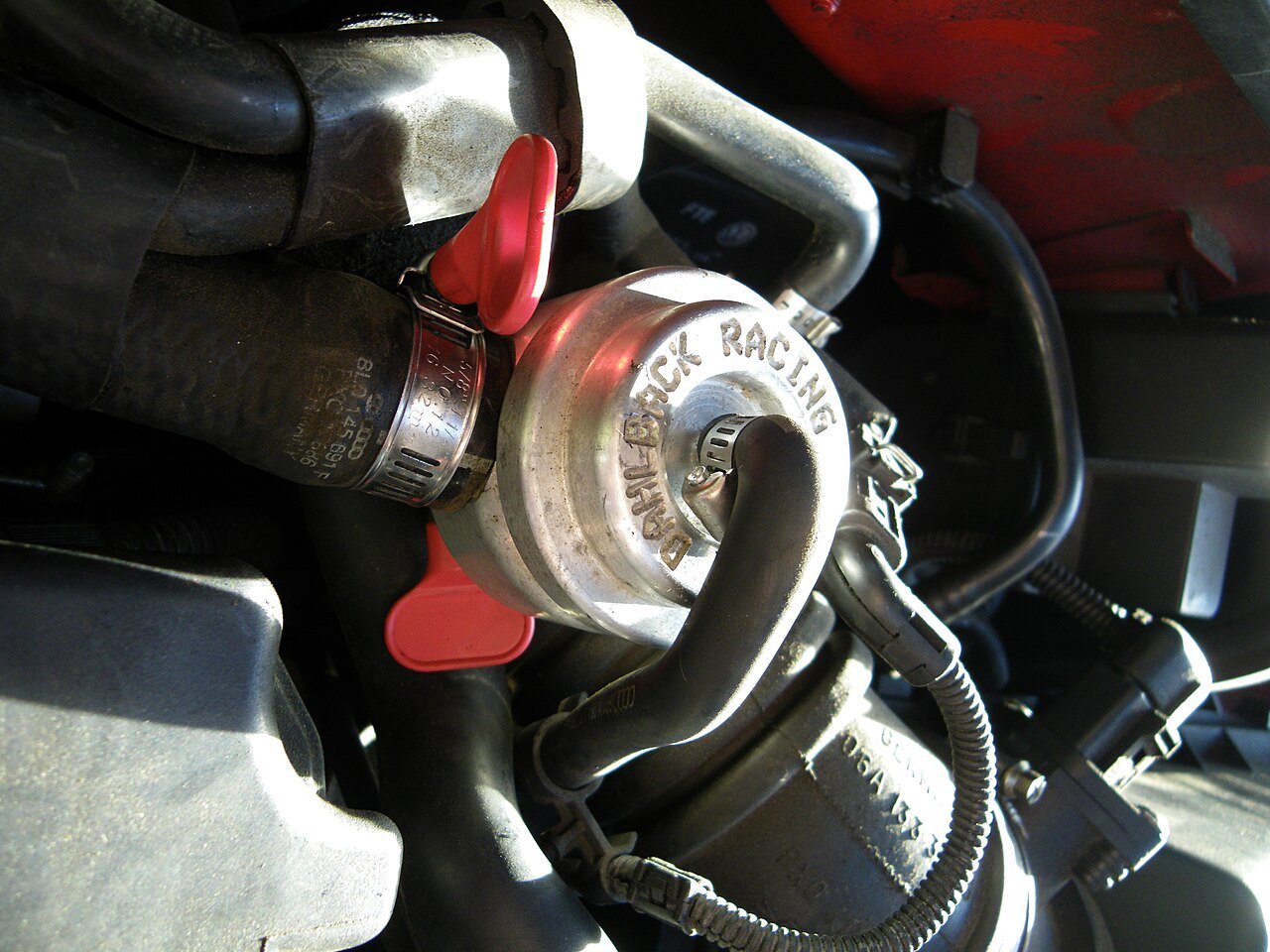
BOV (blow-off valve) is a valve fitted to turbocharged engines that releases excess intake manifold pressure when the throttle plate closes. Without a BOV (or its closed-system equivalent, the bypass valve), the closed throttle creates back-pressure against the spinning turbocharger, which causes compressor surge (a chattering sound and potential turbo damage). The BOV vents this pressure to atmosphere.
The famous "psh" sound is a hallmark of aftermarket BOVs that vent to atmosphere. Factory BOVs typically recirculate pressure back into the intake (no audible sound) because emissions and intake metering require the air to stay in the system. Aftermarket atmospheric-venting BOVs are popular in tuner culture for the sound but cause check engine lights and fuel mixture issues on cars with mass air flow sensors.
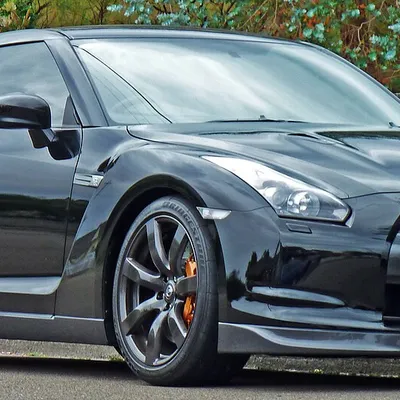
BOV culture is associated with the broader Japanese tuner aesthetic. The HKS BOV was the iconic aftermarket BOV in the 2000s, with its distinctive Tiny Trumpet sound. Other popular brands include GReddy, Turbosmart, Tial, and Forge. The choice of BOV (sound, response, build quality) became part of the tuner identity even when the modification had no performance benefit.