DuelsLeaderboardGarageBlogCarsGlossaryBrowse

Hatchback

Car culture term

Hatchback
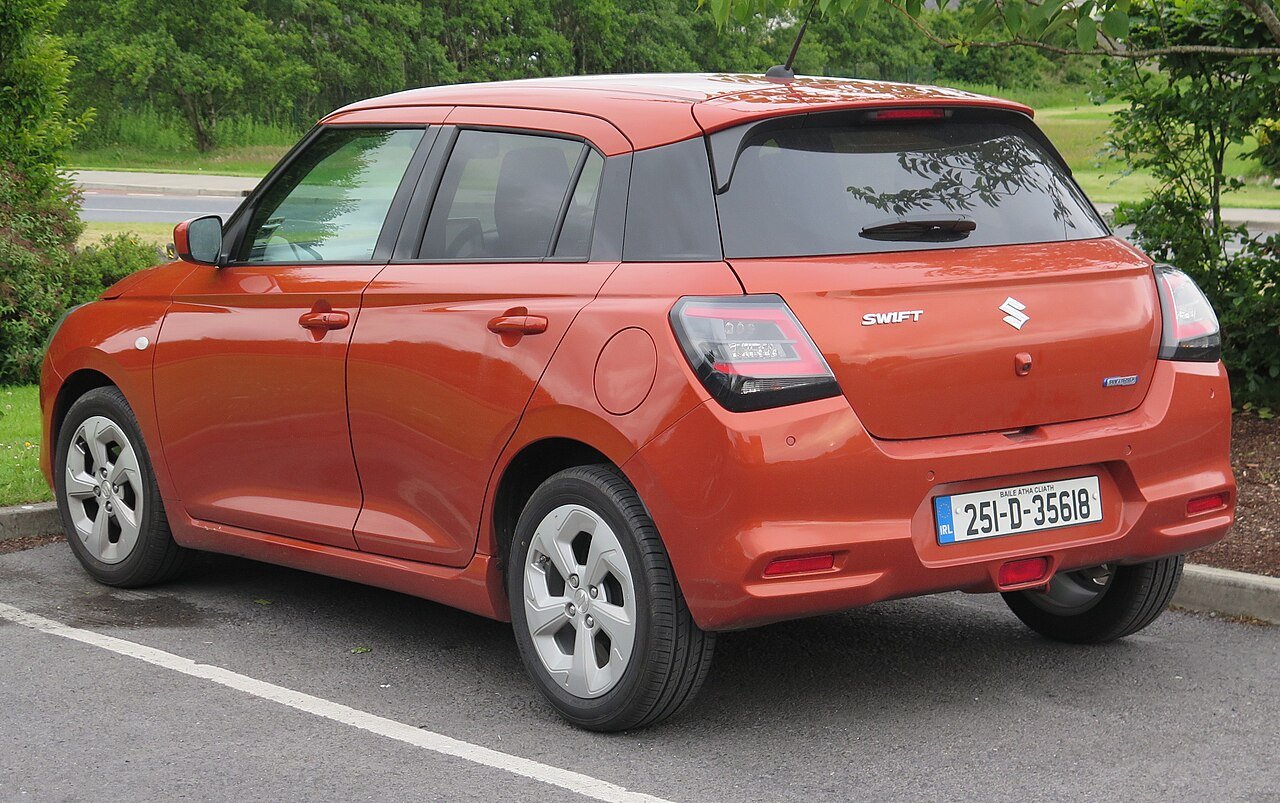
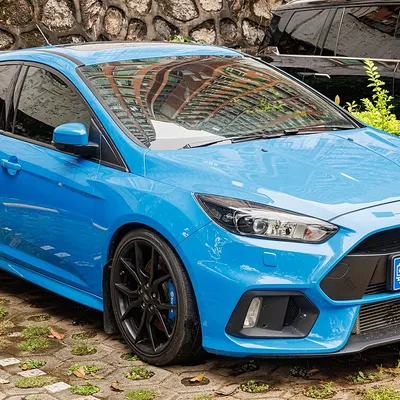
Photo: Cutlass / Wikimedia Commons · CC0

What is Hatchback?

A car body style with a rear hatch that opens to access the cargo area. Common in compact cars, hot hatches, and crossover designs.

Hatchback is a car body style with a rear hatch (a single panel covering the rear cargo area, typically including the rear window) that opens upward to access cargo. Hatchbacks combine passenger and cargo areas into a single space, providing flexibility in cargo configuration. The format is particularly popular in compact and subcompact cars where interior space efficiency is important.

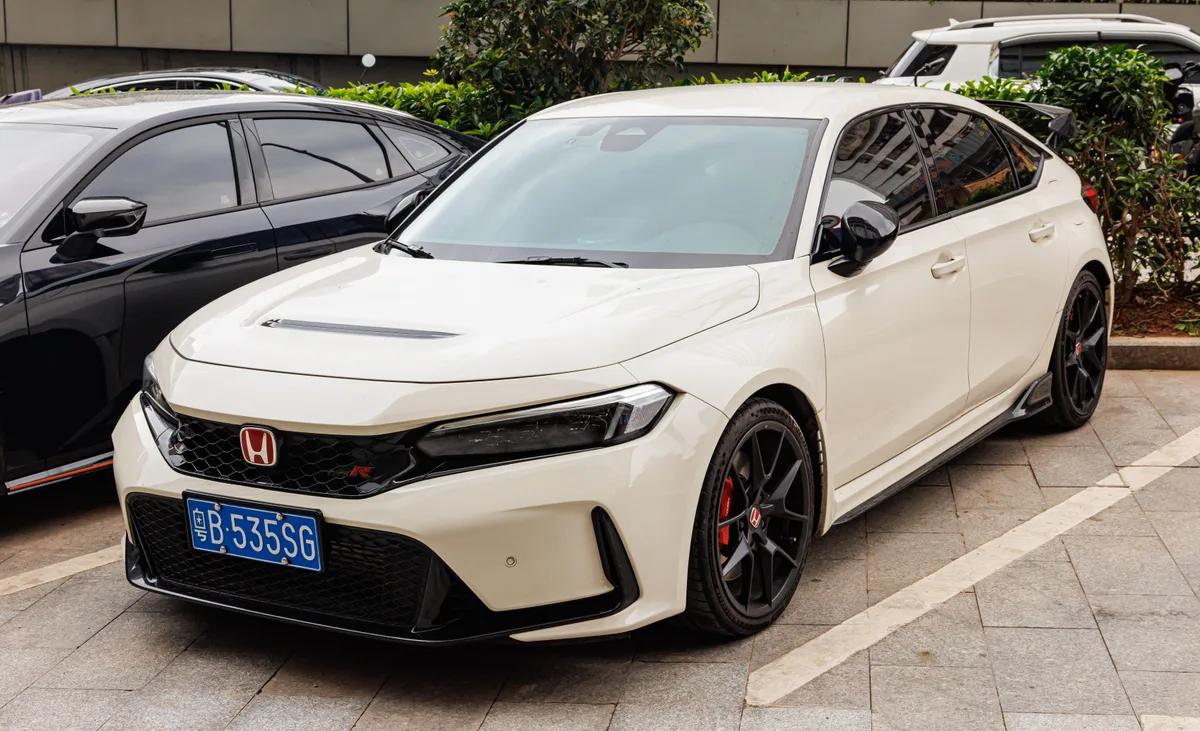
Hatchback variants include three-door (with two front passenger doors plus the rear hatch), five-door (with two front and two rear passenger doors plus the rear hatch), and shooting brake (a sport-coupe derivative with extended cargo area). The Volkswagen Golf, Honda Civic, Toyota Corolla, and Hyundai Elantra are all available in hatchback variants alongside sedan variants. Hot hatches (Civic Type R, Volkswagen Golf GTI, etc.) are typically hatchback-only or hatchback-emphasized.

Modern hatchback design has evolved with crossover SUVs that share many hatchback characteristics (rear hatch, fold-down rear seats, extended cargo capacity). The line between large hatchback and small SUV has blurred. Some manufacturers (Volkswagen Tiguan, Toyota RAV4) market vehicles as crossovers when they could equally be classified as raised hatchbacks. The hatchback format remains influential in modern car design.
Related terms

CoupeSedanWagon

Frequently asked questions

What is the difference between hatchback and sedan?
Hatchback has a rear hatch covering the cargo area; sedan has a separate trunk. Hatchback combines passenger and cargo space; sedan separates them. Hatchback is typically more space-efficient for the same exterior dimensions; sedans are typically more aerodynamic and provide theft protection for cargo.
Are hatchbacks popular in the US?
Less popular than in other markets. American buyers historically preferred sedans and SUVs; hatchbacks have niche appeal. The Volkswagen Golf GTI, Honda Civic Hatchback, and similar performance hatches have a strong following but lower volumes than sedan equivalents. The market share has not grown significantly despite manufacturer efforts.
Is a hatchback the same as a wagon?
Different. Hatchbacks have a more vertical rear hatch and shorter overall length. Wagons (or estate cars) have a longer cargo area and more horizontal rear hatch. Wagons are typically larger overall and provide more cargo capacity at the cost of less compact dimensions.
Why are hot hatches all hatchbacks?
Format choice. Hot hatches developed as performance variants of compact hatchbacks (the original 1976 Volkswagen Golf GTI). The hatchback body provides the practical cargo space combined with sport-tuned performance. The format is the defining body style of the hot hatch category.
Are hatchbacks less practical than wagons?
Smaller cargo capacity, but typically more compact and easier to park. The choice between hatchback and wagon depends on cargo needs and driving environment. Hatchbacks suit urban driving; wagons suit family use with more cargo capacity. Both are practical for different use cases.

Hatchback on the blog

Honda's hardcore Type R HRC is reportedly heading to production

Honda Racing Corporation's track-focused Civic Type R could become a full production model by 2027, according to Japanese outlet Response. What's confirmed is the aero kit itself, which HRC president Koji Watanabe says will be sold as accessories. Takuma Sato tested it at Suzuka and called it "way better" than standard.

What Made the Ford Focus RS So Special?

Ford built the Mk3 Focus RS for just three model years, and people still argue about it. It had 350 horsepower, a trick all-wheel-drive system that could shuffle torque across the rear axle, and a Drift Mode that actually worked. It also had a head gasket problem worth knowing about.

Who Are BYD, Nio, Zeekr and Leapmotor?

BYD, Nio, Zeekr, Leapmotor and Xpeng are Chinese electric car brands, several of them huge, and most people can't tell them apart. One makes its own batteries, one swaps them in three minutes, one is owned by Volvo's parent, and one is partly owned by the company behind Jeep.

Understeer vs Oversteer: What's the Difference?

Understeer and oversteer are the two ways a car stops following your steering in a corner. Understeer is the front pushing wide when the car won't turn enough; oversteer is the rear stepping out and turning too much. Here is what causes each, how to tell them apart, and why one built an entire motorsport.

Back to Glossary