What is Understeer?
A handling condition where the front of the car continues straight despite steering input. Common in front-drive cars and slow-corner conditions.
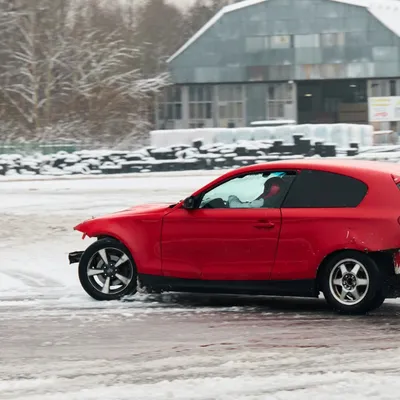
Understeer is a handling condition where the front of the car turns less than the steering input demands, causing the car to continue toward the outside of the corner. The driver inputs steering toward a corner, but the front wheels lose grip and the car continues straight (or doesn't turn enough). The result is the car running wide of the desired line, often resulting in off-track excursions in motorsport or unsafe situations on the street.
Understeer typically occurs when the front tires are at their grip limit before the rear tires. Causes include excessive entry speed, too much throttle (which loads the rear and unloads the front), insufficient front grip due to suspension setup, excessive front weight bias, or tire wear/pressure issues. Most modern road cars are tuned to understeer at the limit because it is more predictable and safer for typical drivers compared to oversteer.
Correcting understeer in motion involves reducing front load (lift off throttle, brake gently), reducing steering input (counter-steer if needed), or adjusting the line. In setup terms, reducing front sway bar stiffness, adding rear sway bar stiffness, increasing front tire pressure, or adjusting alignment can shift handling balance away from understeer. Performance enthusiasts often tune their cars for less understeer to improve handling response.