What is Endurance racing?
Auto racing where cars compete over long distances or times (typically 4-24 hours), prioritizing reliability and pace consistency over outright speed.
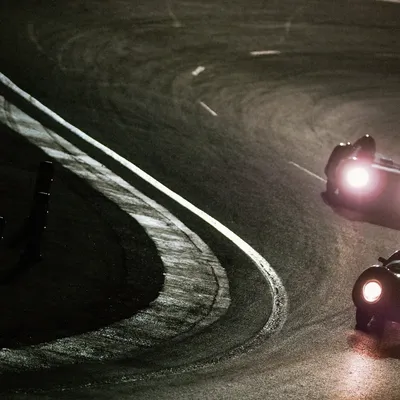
Endurance racing is auto racing where competition takes place over long distances or times, typically 4 to 24 hours. The format prioritizes reliability, pace consistency, and team strategy over outright pace. Multiple drivers per car alternate during the race; pit strategy (when to refuel, change tires, change drivers) is a critical competitive variable.
Major endurance races include the 24 Hours of Le Mans (the most famous), 24 Hours of Daytona (Florida), 12 Hours of Sebring (Florida), 24 Hours of Spa (Belgium), 24 Hours of Nürburgring (Germany), and 24 Hours of Bathurst (Australia). The World Endurance Championship (WEC) covers the international top class; IMSA WeatherTech SportsCar Championship covers North American endurance racing.
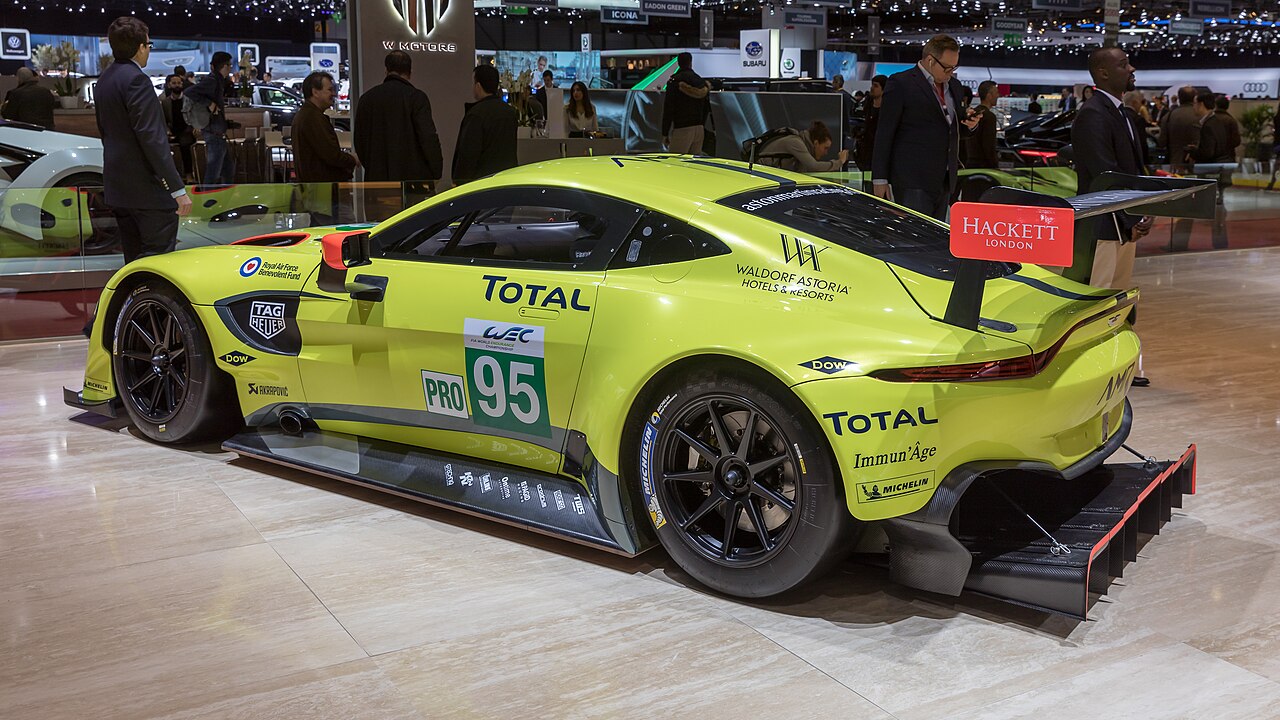
Endurance cars are typically purpose-built racing prototypes (LMH/LMDh in WEC, DPi in IMSA) or heavily modified production cars (GT classes). The cars must balance speed with durability over the long race distances. Tire and fuel strategy, driver changes, and unexpected events (mechanical issues, contact, weather changes) all create unique challenges. The unpredictability of long races is part of the appeal.