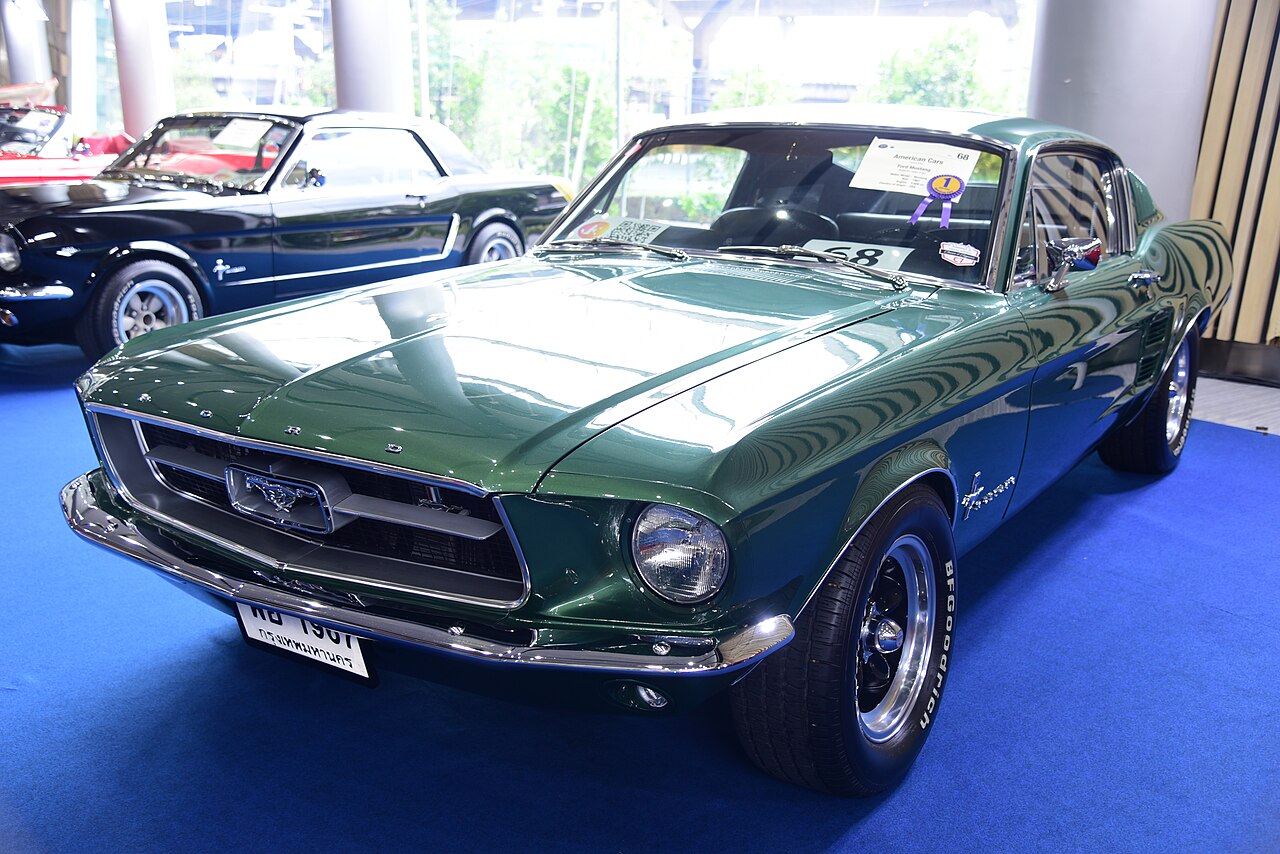
What is Fastback?
A body style with a continuously sloping rear roof line that extends to the trunk lid or rear hatch. Common in classic muscle cars and modern sport coupes.
Fastback is a body style where the rear roof line slopes continuously and gradually to the trunk lid or rear hatch, creating a distinctive aerodynamic profile. The style differs from a notchback (where the roof line drops sharply to a separate trunk) and from a hatchback (where the roof line continues to integrate with a rear hatch opening). The fastback term was popularized in the 1960s with American muscle car design.
Classic fastback examples include the Ford Mustang fastback (1965-1968, the Bullitt and various Shelby variants), the Chevrolet Camaro fastback design (1967-1969 first generation), the Plymouth Barracuda fastback (1965), and various other 1960s pony cars. The body style was iconic in this era and is closely associated with American muscle car design.
Modern fastback design appears in various sport coupes and sport sedans. The Audi A7 / S7 / RS7 are sometimes called fastbacks (also called Sportback in Audi marketing). The BMW 8 Series Gran Coupe fits the format. The Tesla Model S is essentially a fastback sedan with a notable hatchback opening. The styling has remained influential in automotive design due to its aerodynamic and visual appeal.
Related terms
Frequently asked questions
Fastback on the blog
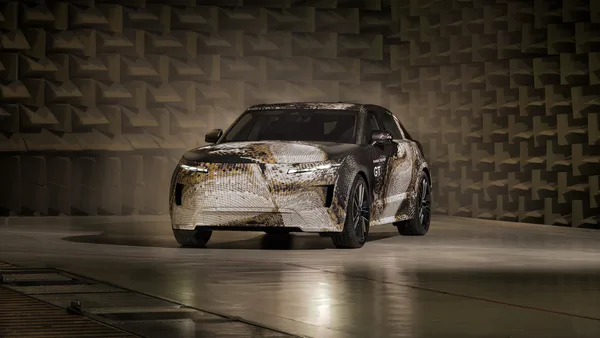
Range Rover posted a video on October 26 of the camouflaged GT finishing a test drive to the Nürburgring. It calls the electric GT its most aerodynamic model ever, with the lowest center of gravity of any Range Rover, and the video keeps calling it a car.
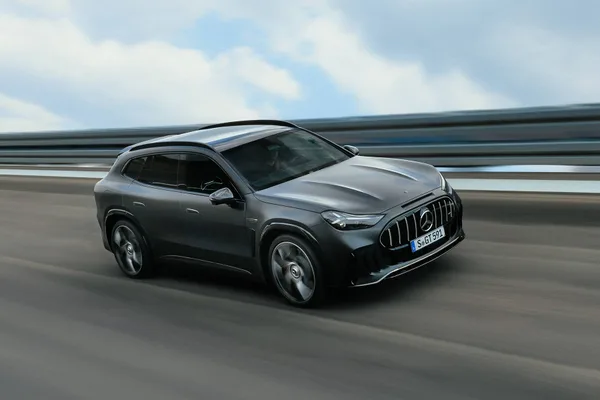
Mercedes-AMG revealed the electric GT SUV on October 17, 2026. The GT 63 makes 1,153 hp from three axial flux motors, charges at up to 710 kW, and wears six round taillights. One critic calls it handsome, another says its proportions look bloated.
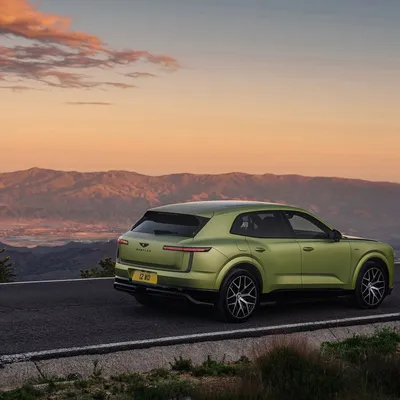
Bentley revealed the Torcal, its first electric car, on September 23. The fastback SUV shares the electric Porsche Cayenne's platform, makes up to 876 hp, and trades Bentley's round headlights for rectangular lamps and an illuminated diamond grille.
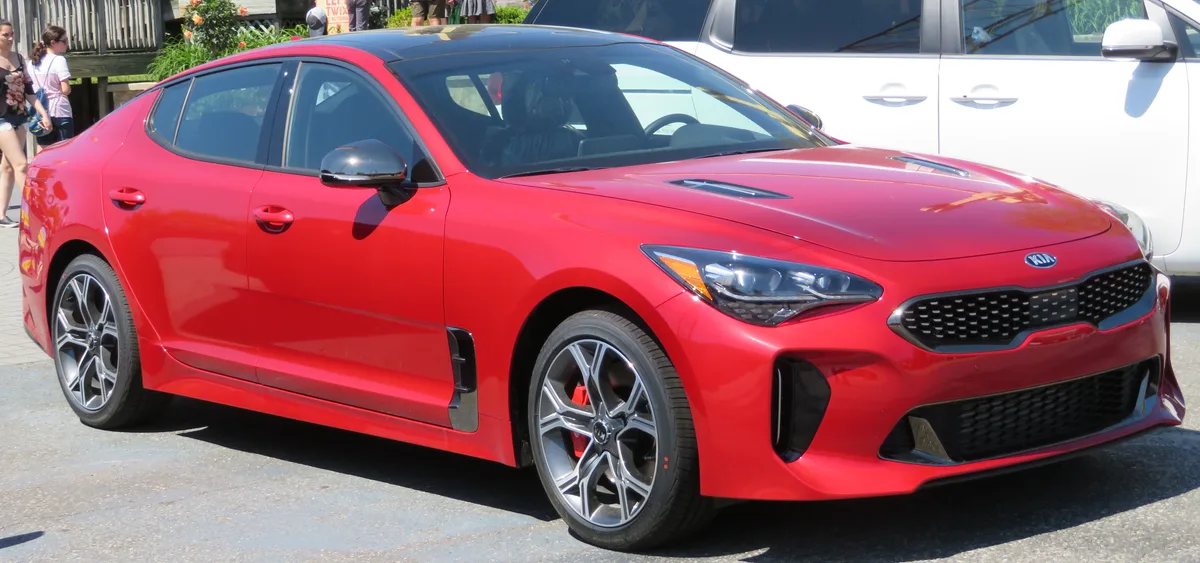
The Kia Stinger ran from 2017 to 2023 and sold just 5,452 cars in its final US year. Designed by ex-Audi and ex-BMW people, it was the best-looking Kia ever built and it still failed. Here's what Kia was trying to do, why it ended, and why it mattered anyway.