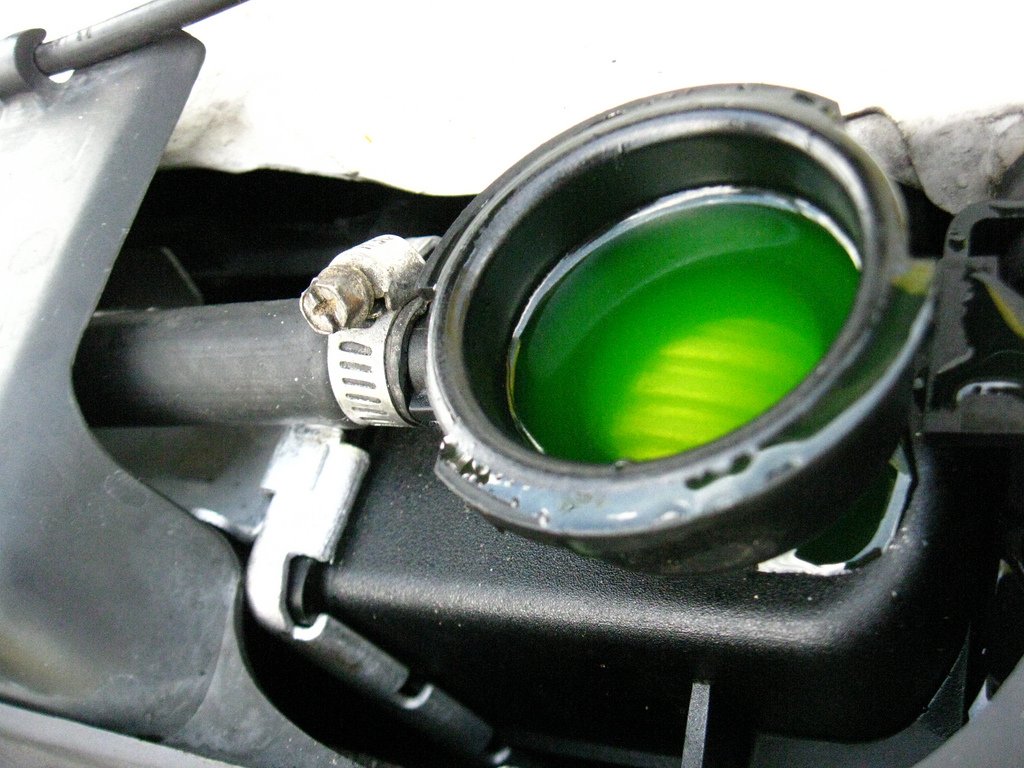
What is Coolant flush?
Removing old coolant and replacing it with fresh coolant. Required periodically to prevent corrosion and overheating.
Coolant flush is the process of removing old coolant from the cooling system and replacing it with fresh coolant. The work prevents corrosion buildup, removes degraded coolant, and ensures proper cooling system operation. Modern coolant has a service life (typically 30,000-100,000 miles depending on type), after which the coolant additives degrade and the coolant becomes less effective.
Common coolant types include traditional Inorganic Acid Technology (IAT) green coolant (older vehicles, 30,000-mile service interval), Organic Acid Technology (OAT) typically pink or orange (longer life, often 100,000 miles), Hybrid Organic Acid Technology (HOAT) yellow or orange (longer life), and various manufacturer-specific coolants. Mixing different coolant types can cause issues; using the correct type for your vehicle is important. Modern coolants often include rust and corrosion inhibitors, water pump lubricants, and other additives.
The flush process typically involves draining the radiator, refilling with flush solution (or water), running the engine to circulate, draining the flush solution, and refilling with fresh coolant. A complete flush typically uses 1.5 to 3 gallons of fresh coolant depending on the cooling system capacity. The cost is typically $100-$200 in parts and labor. Some cars require specific coolant procedures (Mercedes-Benz cars often require specific coolant types and bleed procedures).