DuelsLeaderboardGarageBlogCarsGlossaryBrowse

Tandem

Car culture term

What is Tandem?

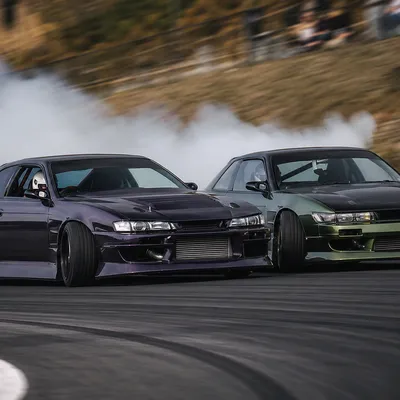
Two cars drifting in close proximity, with the lead car setting the pace and the chase car following inches behind. Common in competitive drift.

Tandem is a competitive drifting format where two cars drift in close proximity, with the lead car setting the pace and the chase car attempting to maintain close proximity through corners. Each car drifts the entire course in their respective role, then the cars switch roles for a second pass. Judges score the lead car on line and angle, and the chase car on proximity and matching the lead car drift.

Tandem drifting is the format used in major competitive drift series including Formula Drift (US), D1 Grand Prix (Japan), Formula Drift Japan, Drift Masters (UK), and various regional series. The format emphasizes precision (the chase car must follow within inches of the lead car while drifting) and showmanship. Successful tandem drifting requires deep understanding of car positioning and timing.

Tandem battles are typically the most exciting part of drift events. The two cars typically smoke heavily, sliding sideways through corners while inches apart. Contact between cars is common (and often penalized) but adds to the spectacle. The skill required for tandem drifting is significant; many otherwise excellent solo drifters struggle in tandem because of the additional precision required.
Related terms

DriftTougeTime attack

Frequently asked questions

How is the chase car scored in tandem?
Chase cars are scored on proximity to the lead car (closer is better, with contact penalized), matching the lead car drift line and angle, and overall execution of the drift. A chase car that follows extremely close throughout the course typically scores higher than one that follows from a distance, even if the distant car has cleaner technique.
What happens if cars touch in tandem?
Contact is penalized but not always disqualifying. Light contact (rubbing) often goes unpenalized. Significant impact can result in penalty points, repeat runs, or in extreme cases, disqualification. The exact rules vary by series and judge. Some contact is expected in tandem drifting, but the goal is to race close without significant impact.
Why is tandem so exciting to watch?
The combination of cars drifting sideways at high speed within inches of each other is visually dramatic. Multiple cars producing tire smoke, the sound of high-revving engines and slipping tires, and the constant risk of contact create intense viewing. The skill displayed by successful tandem drivers is also impressive.
Is tandem more difficult than solo drifting?
Yes, significantly. Solo drifting requires car control. Tandem adds the chase car element, requiring constant adjustment of position relative to the lead car, anticipation of the lead car driver inputs, and precise execution under pressure. Many drifters who excel in qualifying (solo runs) struggle in tandem competition.
Can I learn tandem drifting?
Yes, with significant time investment. Drift schools (like Drift101 in the US) offer tandem instruction. Sanctioned events for amateur drivers include tandem battles in their lower divisions. Building tandem skill takes years of solo drift experience first to develop the car control fundamentals required.

Tandem on the blog

What is tandem drifting, and how is it judged?

Tandem drifting is two cars sliding together, inches apart, for a whole run. It's the format that made drifting a real sport, and the winner isn't the car in front. Here's how lead and chase work, and how judges score line, angle and style.

Back to Glossary