What is Subframe?
A separate structural component bolted to the main vehicle structure, typically supporting the engine, transmission, or suspension.
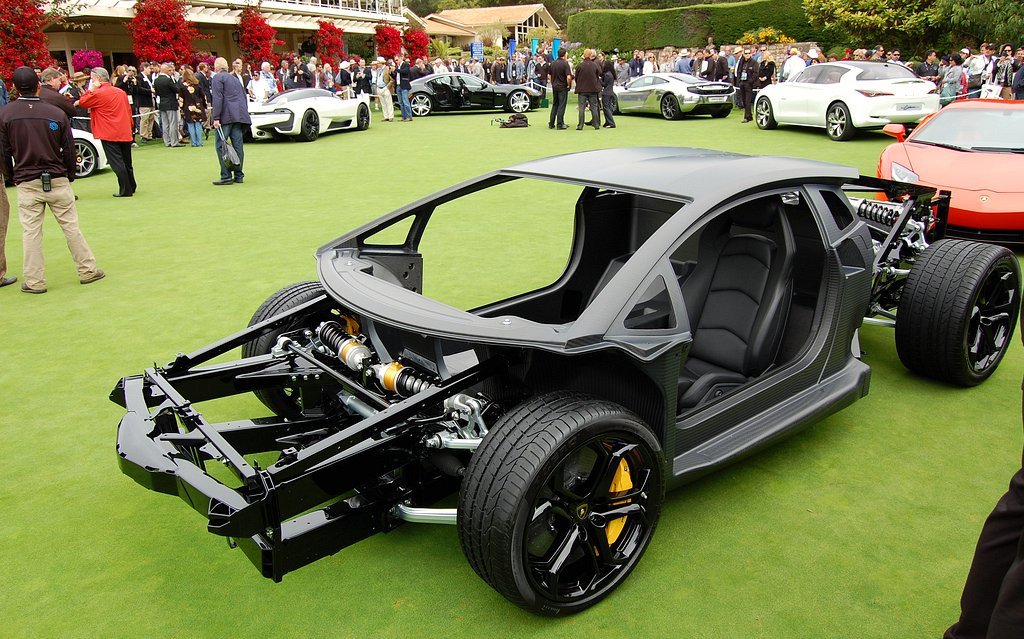
Subframe is a separate structural component bolted to the main vehicle structure (monocoque body or main frame). Subframes typically support the engine and transmission (front subframe) or rear suspension and differential (rear subframe). The design allows component groups to be assembled separately and then mounted to the vehicle structure, which simplifies manufacturing and repair.
Front subframes typically carry the engine, transmission, and front suspension. The subframe is bolted to the main monocoque structure through several mounting points, often with rubber bushings to absorb vibration. Rear subframes (in cars with independent rear suspension) carry the rear suspension control arms, the differential (in RWD/AWD cars), and sometimes the fuel tank.
Subframe modifications are common in performance applications. Subframe brace kits (additional metal connections between subframe and body) increase chassis stiffness for handling. Subframe bushing replacements (often urethane or solid bushings) improve handling response at the cost of increased noise and vibration. Some racing applications use solid subframe mounts to maximize chassis stiffness, eliminating most rubber isolation.