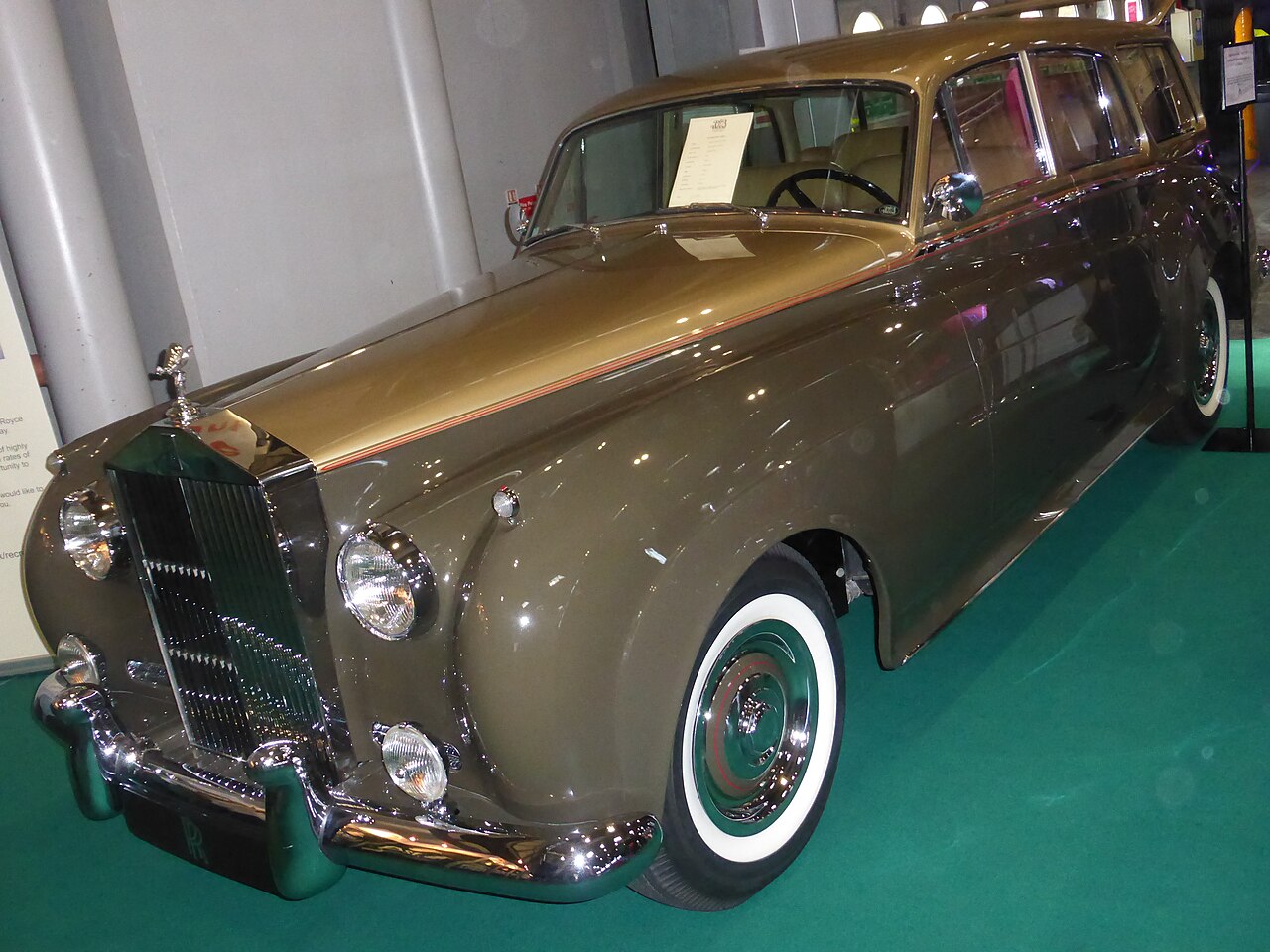
What is Shooting brake?
A two-door wagon body style, traditionally derived from luxury sport coupes. The Mercedes-AMG GT 4-Door Coupe is a modern interpretation.
Shooting brake is a two-door wagon body style, traditionally derived from luxury sport coupes. The body has the front of a sport coupe (long hood, two doors) and the rear of a wagon (extended cargo area). The name comes from English aristocratic hunting; "brake" is an old term for a wagon used to transport hunters and their gear. Original shooting brakes were custom-built coachwork, often based on Bentley, Rolls-Royce, or other luxury chassis.
Modern shooting brakes are uncommon but distinctive. The Mercedes-Benz CLS Shooting Brake (2012-2018, EU only) was a four-door wagon with sport coupe-derived styling. The Ferrari FF (2011-2016) and Ferrari GTC4Lusso (2016-2020) were two-door shooting brakes with V12 engines. The Aston Martin Vanquish Zagato Shooting Brake (limited edition, 2018-2019) was a coachbuilt shooting brake. The Mercedes-AMG GT 4-Door Coupe (sometimes considered a shooting brake variant despite four doors) is the modern flagship.
Shooting brakes occupy a unique market position. The format provides cargo capacity beyond a coupe but with sport-coupe styling that wagons lack. The buyers are typically connoisseur of unusual body styles; the cars are essentially niche products. Modern manufacturers occasionally produce shooting brake variants of high-end models as halo or limited-edition products. The format remains rare but appreciated in the enthusiast community.
Related terms
Frequently asked questions
Shooting brake on the blog
Car culture has its own language and it moves fast. A conversation about a Skyline build can cover RB26 specs, ATTESA AWD, coilovers, hellaflush stance, and RWB widebody kits before you've finished your first coffee. If you don't know the vocabulary, you're not lost exactly, but you're definitely translating while everyone else is talking.
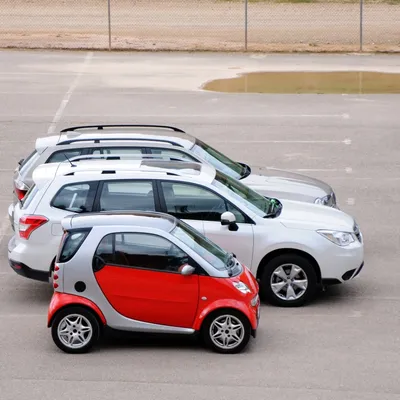
Color changes the perceived size of a car more than most buyers realize, and getting it wrong costs you. An SUV that should look imposing can look squat and heavy in the wrong color. A compact car that should look athletic can look like a toy. The mechanics behind why this happens are specific enough that you can use them deliberately rather than just hoping you guessed right at the configurator...
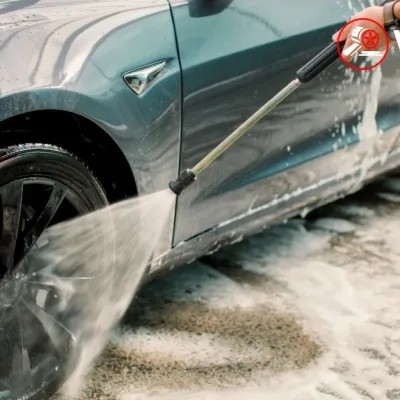
The obvious answer is yes. Wash the car, get a clean photo, submit it. But spend any time looking at what actually wins faceoffs and you start noticing something that complicates the obvious answer. Some of the most compelling car photos are not of perfectly clean cars. And some of the most forgettable ones are of cars that look like they just rolled out of a detail shop...
Most cars look worse in their owner's photos than they do in real life. Not because the car is bad. Because the photo is. A great car shot in flat midday sun in a Walmart parking lot with a cluttered background and a straight-on angle will lose a faceoff to a mediocre car photographed well. This is not fair. It is also completely fixable. Here is what actually makes the difference...