What is Wideband O2?
Wide-range air-fuel ratio oxygen sensor. Provides precise AFR readings for tuning, replacing limited factory narrowband sensors.
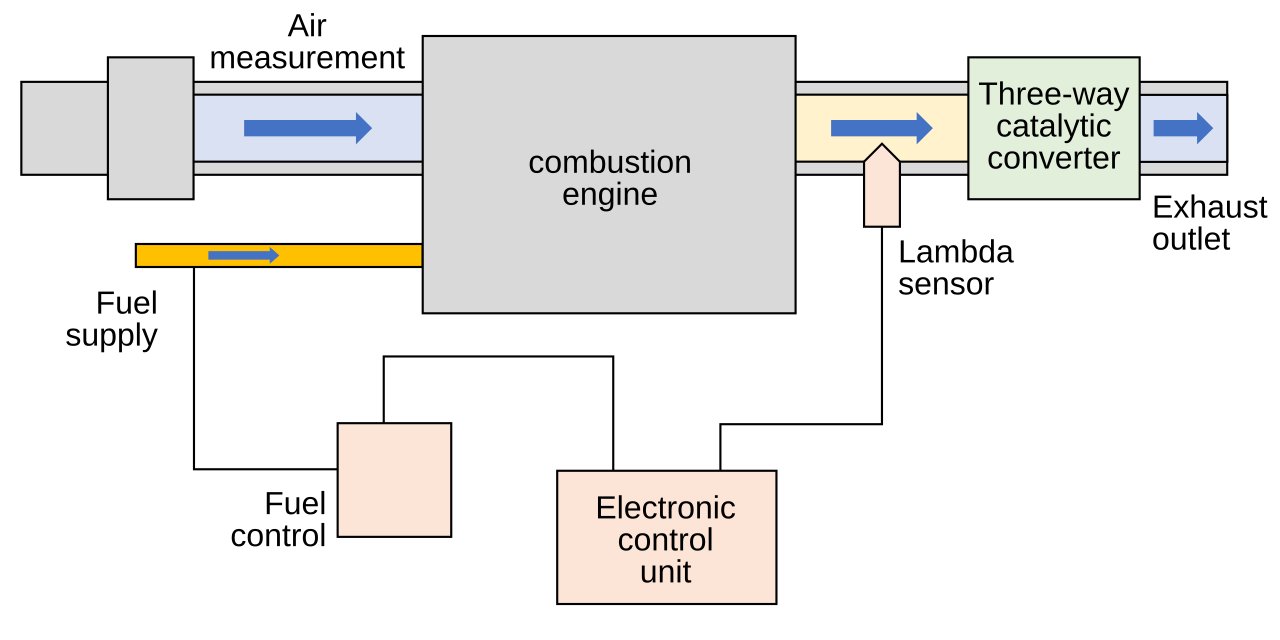
Wideband O2 (wideband oxygen sensor, sometimes called wideband lambda sensor) is an oxygen sensor that measures the exhaust oxygen content across a wide range of air-fuel ratios. Unlike factory narrowband O2 sensors (which only provide accurate readings within a narrow band around stoichiometric, typically 14.5:1 to 14.9:1), wideband sensors provide accurate readings from very rich (about 8:1) to very lean (about 24:1).
Wideband sensors are essential for tuning. The narrowband sensors used in production cars are designed for emissions monitoring around stoichiometric operation. They cannot accurately measure rich air-fuel mixtures (typical of wide-open throttle or boost conditions) or lean conditions. Tuning a forced induction or modified engine requires wideband measurement to verify that the mixture is appropriate (typically rich at WOT for engine protection).
Common wideband sensor systems include AEM (US-based, popular in tuner culture), Innovate (US, similar segment), and Zeitronix (US, racing-focused). Modern engine management systems (Cobb Accessport, Burger Tuning JB4, standalone ECUs) often integrate wideband output. The sensor itself is typically installed in the exhaust downpipe; the controller and display are mounted in the cabin or remote location. Pricing for a complete wideband installation: $250-$600 for the sensor and gauge, plus installation.