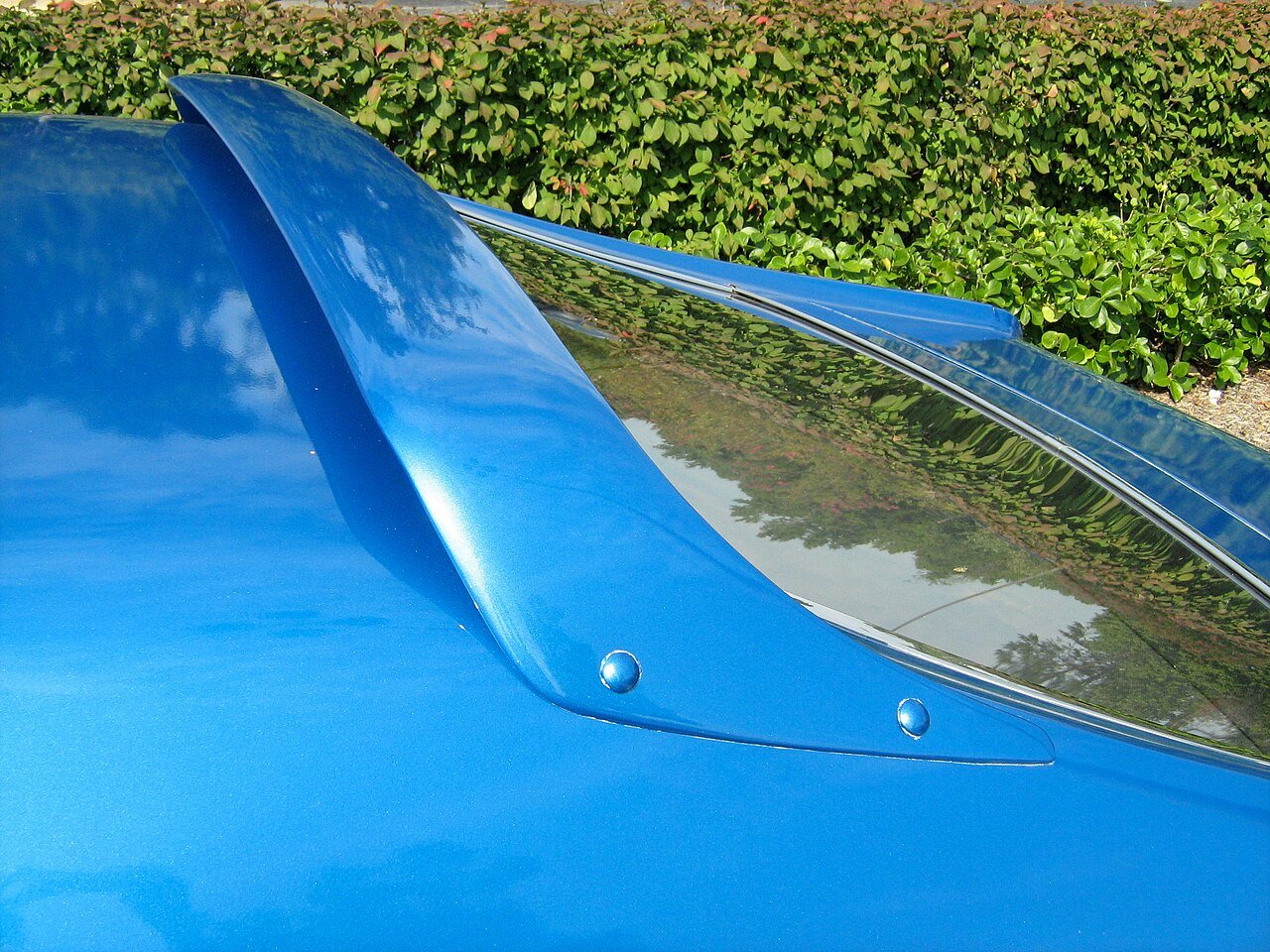
What is Wing vs spoiler?
A wing creates aerodynamic downforce; a spoiler disrupts airflow to reduce lift. The terms are often used interchangeably but refer to different aerodynamic functions.
Wing and spoiler are different aerodynamic devices despite often being used interchangeably. A wing is a fully developed aerodynamic surface (typically with an airfoil cross-section) designed to generate downforce by deflecting air upward. A spoiler is a simpler shape (often just a raised lip or panel) designed to disrupt high-pressure airflow and reduce lift on the car body, but generates little to no downforce itself.
Wings are more effective for serious downforce generation. The free-standing rear wing on a Porsche 911 GT3 RS, the swan-neck wing on the Lamborghini Huracan STO, or the high-mounted wing on a Civic Type R are all designed to generate measurable downforce at speed. Wings can be adjusted (angle of attack changes) to optimize for different track conditions.
Spoilers are common on production cars for cosmetic and lift-reduction purposes. The trunk-lid spoiler on most modern sport sedans or the integrated rear spoiler on a Toyota Camry hybrid are examples. They reduce lift slightly and improve the visual silhouette of the car but do not generate significant downforce.
Related terms
Frequently asked questions
Wing vs spoiler on the blog
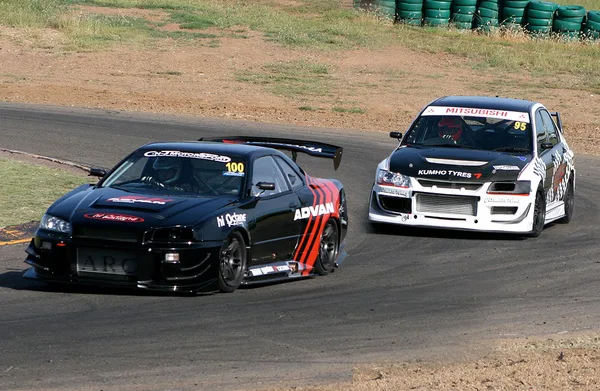
Time attack is racing against the clock: the fastest single lap wins. It grew up at Japan's Tsukuba Circuit, its Sydney record stands at 1:17.444, and its tire rules are the reason the cars wear such enormous wings and splitters.
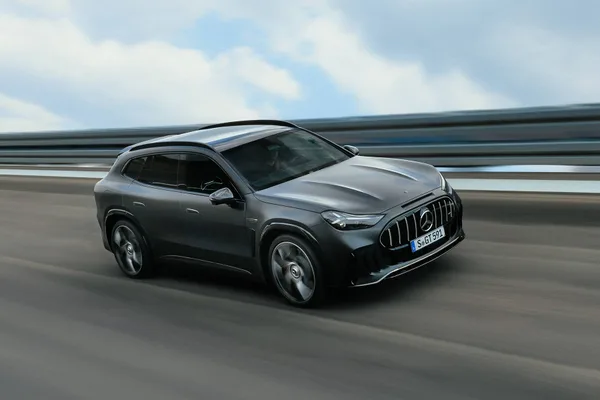
Mercedes-AMG revealed the electric GT SUV on October 17, 2026. The GT 63 makes 1,153 hp from three axial flux motors, charges at up to 710 kW, and wears six round taillights. One critic calls it handsome, another says its proportions look bloated.
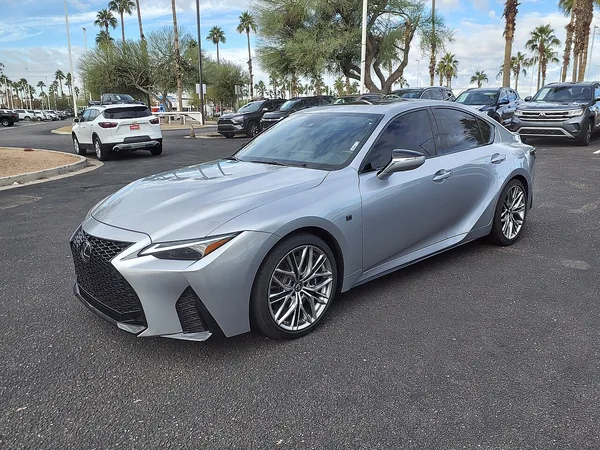
The Lexus IS 500 F Sport Performance is a compact sedan with a 472-hp, 5.0-liter V8. It ran from the 2022 to the 2025 model year, wore a raised hood and stacked exhaust tips, and bowed out with a 500-car Ultimate Edition. The IS is now V6 only.
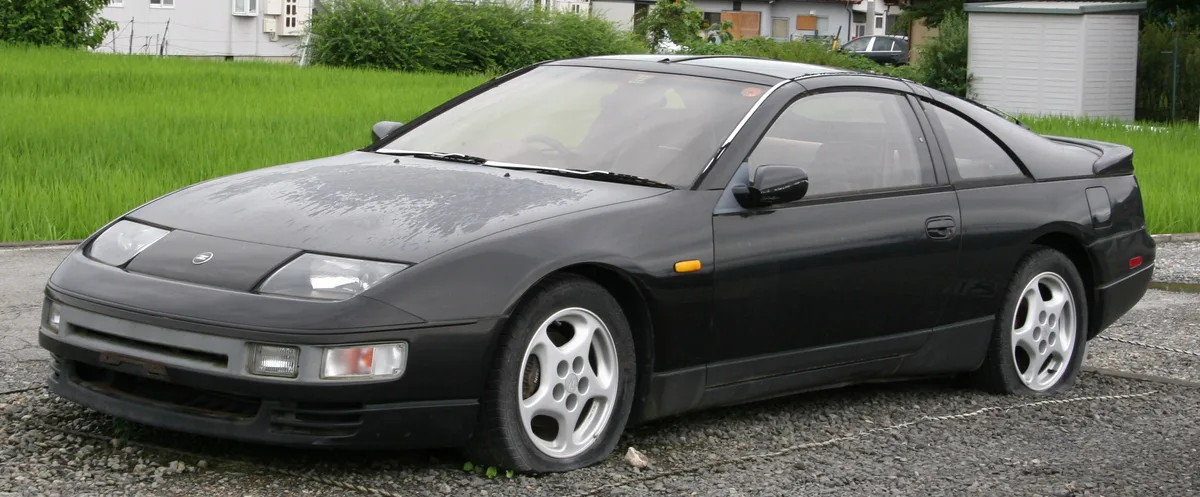
The Mid Night Club raced the Wangan from 1987 to 1999, required cars capable of 250 km/h, and made new members serve a year of apprenticeship. When a 1999 crash with a bosozoku gang killed two people and hospitalised eight, they disbanded on the spot.