DuelsLeaderboardGarageBlogCarsGlossaryBrowse

Restomod

Car culture term

Restomod
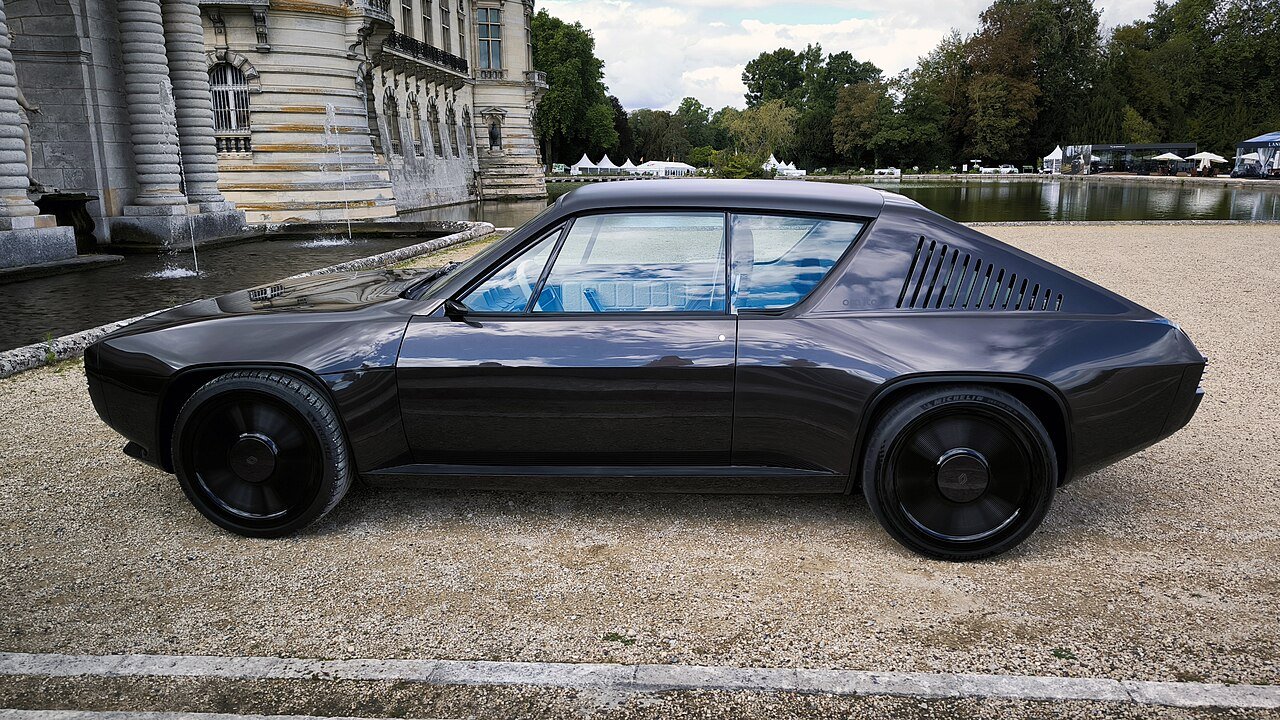
Photo: Y.Leclercq / Wikimedia Commons · CC BY-SA 4.0

What is Restomod?

A classic vehicle restored with modern mechanical updates (engine, suspension, brakes, electronics) while maintaining the original styling.

Restomod is a portmanteau of restoration and modification. The term describes a classic vehicle that has been restored to high cosmetic standards while incorporating modern mechanical and electronic upgrades. The exterior typically maintains the original style; the underpinnings get modern suspension, brakes, engine, and electronics. The result is a car that looks period-correct but drives like a modern vehicle.

Common restomod examples include 1960s muscle cars with LS V8 swaps, modern Brembo brakes, coilover suspension, and air conditioning. Vintage Porsche 911s upgraded with modern flat-six engines, electronic fuel injection, and upgraded brake systems. Datsun 240Zs with VQ35DE V6 swaps and modern interiors. The Ringbrothers (Wisconsin) and Singer Vehicle Design (California) are famous restomod shops, building vehicles in the $400,000+ price range.

Restomod sits opposite period-correct restoration in classic car philosophy. A restored car is mechanically and cosmetically returned to original factory specification. A restomod prioritizes drivability and reliability over historical accuracy. Both approaches have devoted communities; the restomod community has grown significantly through the 2010s.
Related terms

OEM-plusSleeperLS swap

Frequently asked questions

Is a restomod the same as a hot rod?
Related but different. Hot rods originated in 1940s-1950s American culture and prioritize performance modifications and individualistic styling. Restomods specifically emphasize maintaining original style while updating mechanicals. Most modern restomods are more refined and more period-correct than traditional hot rods.
Are restomods more valuable than restored originals?
Sometimes yes. A high-end restomod by a famous shop (Singer, Ringbrothers, ECD) often sells for more than a comparable factory-correct restoration. For middle-market cars, factory-correct restorations typically hold value better. The restomod market is segmented by quality and shop reputation.
Can a restomod be daily driven?
Yes, that is often the design intent. Modern engines, transmissions, suspensions, and brakes provide reliability and comfort that allow daily use. Air conditioning, modern audio, and improved insulation make restomods practical. Many owners drive restomods regularly because they were specifically built for usability.
What is Singer Vehicle Design?
Singer (founded 2009 in Los Angeles) is the most famous restomod Porsche 911 shop. They build restored 964 chassis cars with modern flat-six engines, hand-finished interiors, and bespoke specifications. Singer 911s start around $700,000 and can exceed $1.5 million depending on commission. Singer represents the high end of restomod craftsmanship.
How is restomod different from a kit car?
A kit car is a new vehicle built around an aftermarket body shell, often replicating a famous design (Cobra replicas, Lotus Seven replicas). A restomod uses a genuine original chassis (a real 1969 Mustang, real 1971 240Z) with modern mechanicals. Kit cars are reproductions; restomods are upgraded originals.

Restomod on the blog

Why Did Pop-Up Headlights Disappear?

Pop-up headlights disappeared because European pedestrian-safety regulations made protruding front-end hardware effectively impossible to certify, and because fixed headlight technology got good enough that the mechanical complexity stopped earning its keep. The last two production cars to carry them ended production in 2004.

What Is a Restomod and Does It Look Better Than Stock?

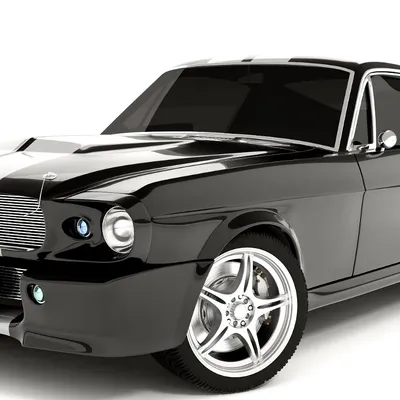
A restomod is a classic car that has been restored with modern mechanical components while keeping the original body largely intact. The name is a compression of restoration and modification. You take a 1969 Camaro, strip it to the shell, put in a modern fuel-injected LS engine, current suspension geometry, four-wheel disc brakes, modern wiring, and air conditioning that actually works. The body stays. The bones get replaced. The result drives like a modern car and looks like something from fifty years ago...

The Car Vocabulary That Changes How You See Every Faceoff

Car culture has its own language and it moves fast. A conversation about a Skyline build can cover RB26 specs, ATTESA AWD, coilovers, hellaflush stance, and RWB widebody kits before you've finished your first coffee. If you don't know the vocabulary, you're not lost exactly, but you're definitely translating while everyone else is talking.

The Cars That Look Best Dirty

Most cars look worse dirty. A dusty black sedan looks neglected. A water-spotted white crossover looks like it spent a week in a grocery store parking lot. But there is a specific category of vehicle where a layer of dirt, dust, or mud does not hurt the design at all. In some cases it actively improves it. These are those cars and the reason is more interesting than it sounds...

Back to Glossary