DuelsLeaderboardGarageBlogCarsGlossaryBrowse

GT wing

Car culture term

What is GT wing?

A large rear wing typically mounted on a separate platform above the trunk lid, designed for maximum downforce in track and racing applications.

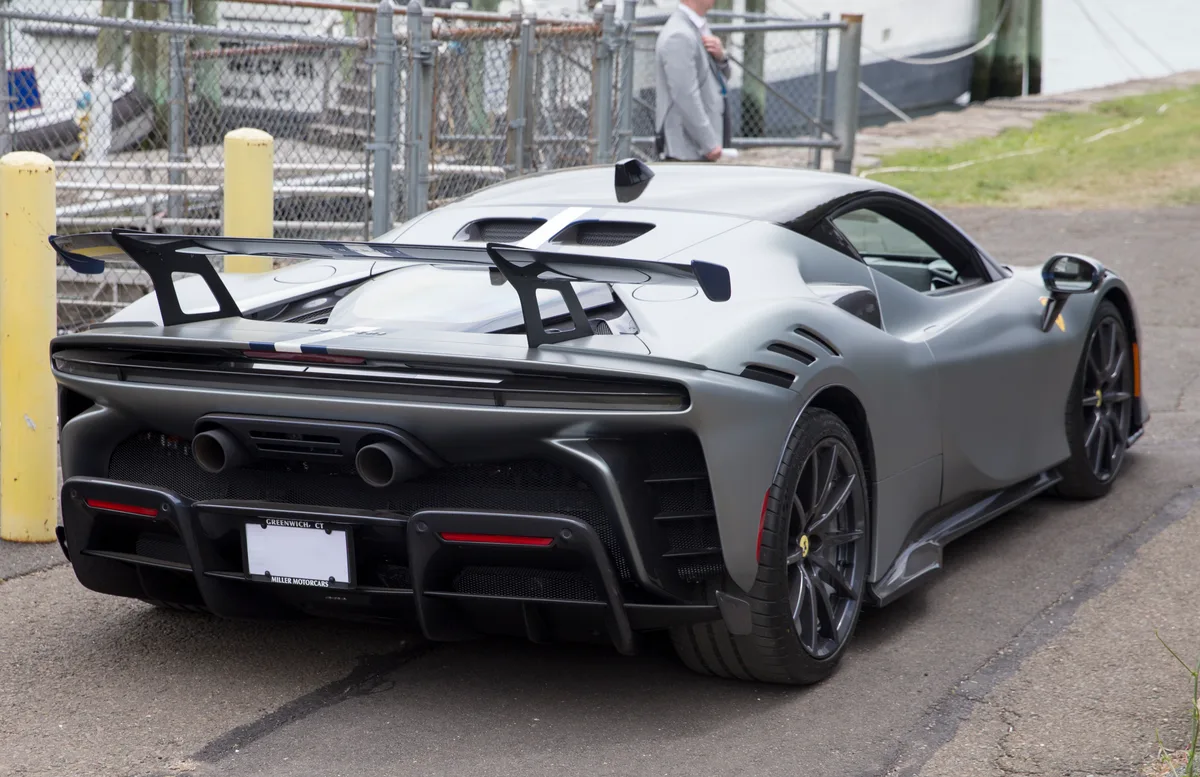
GT wing (also called race wing or motorsport-style wing) is a large rear wing typically mounted on a separate platform above the trunk lid or rear deck. The wing is designed for maximum aerodynamic downforce, often using airfoil-style cross-sections. The visual signature is a large flat or curved wing held above the body by stanchions, sometimes with side endplates to manage tip vortices.

GT wings are common in time attack, club racing, drag racing (some applications), and track-focused street builds. The design philosophy is aerodynamic effectiveness over visual integration with the body. The wing typically extends 4-12 inches above the body and may be 30-50+ inches wide. Adjustable angle of attack allows tuning for different tracks and conditions.

GT wings are widely available as aftermarket parts for many platforms. Quality varies significantly: dedicated motorsport wings (like APR GTC-300 or APR GTC-200) are engineered for actual downforce production with airfoil profiles, side plates, and proper mounting hardware. Decorative GT wings (cheap eBay-style wings) are typically too small or poorly designed to make meaningful downforce. The visual style has been adopted by many enthusiast cars regardless of actual aerodynamic function.
Related terms

DownforceWing vs spoilerSplitter

Frequently asked questions

Are GT wings legal on street cars?
Generally yes, as long as the wing height and width comply with state regulations (typically vehicle width plus a few inches, and reasonable height). Some jurisdictions have specific requirements for wing safety (rounded edges, no sharp protrusions). Most reasonable GT wings are legal for street use.
Do GT wings work better than smaller spoilers?
For pure downforce production, yes. A properly designed GT wing produces measurably more downforce than a smaller spoiler. The trade-off is significantly more drag (which reduces top speed and fuel economy). For track use, the downforce justifies the drag. For street use, the trade-off may not be worthwhile.
How much downforce does a GT wing make?
Properly engineered GT wings can produce 200-500+ pounds of downforce at 100 mph. Larger wings or more aggressive angle of attack settings can exceed this. The downforce scales with the square of speed, so a wing producing 200 lb at 100 mph produces 800 lb at 200 mph (in theory; aerodynamic interactions complicate the calculation).
Why do some GT wings have endplates?
Endplates manage the tip vortices generated at the ends of the wing. Without endplates, air flows around the wing tips, reducing the pressure differential that creates downforce. Endplates contain the airflow and improve wing efficiency. Most quality GT wings include endplates.
Are GT wings the same as ducktails?
No, very different. GT wings are large, separate-mount aerodynamic devices. Ducktails are small, integrated lip extensions on the trunk lid. GT wings produce significantly more downforce; ducktails produce minimal downforce. They serve different purposes and are aesthetically distinct.

GT wing on the blog

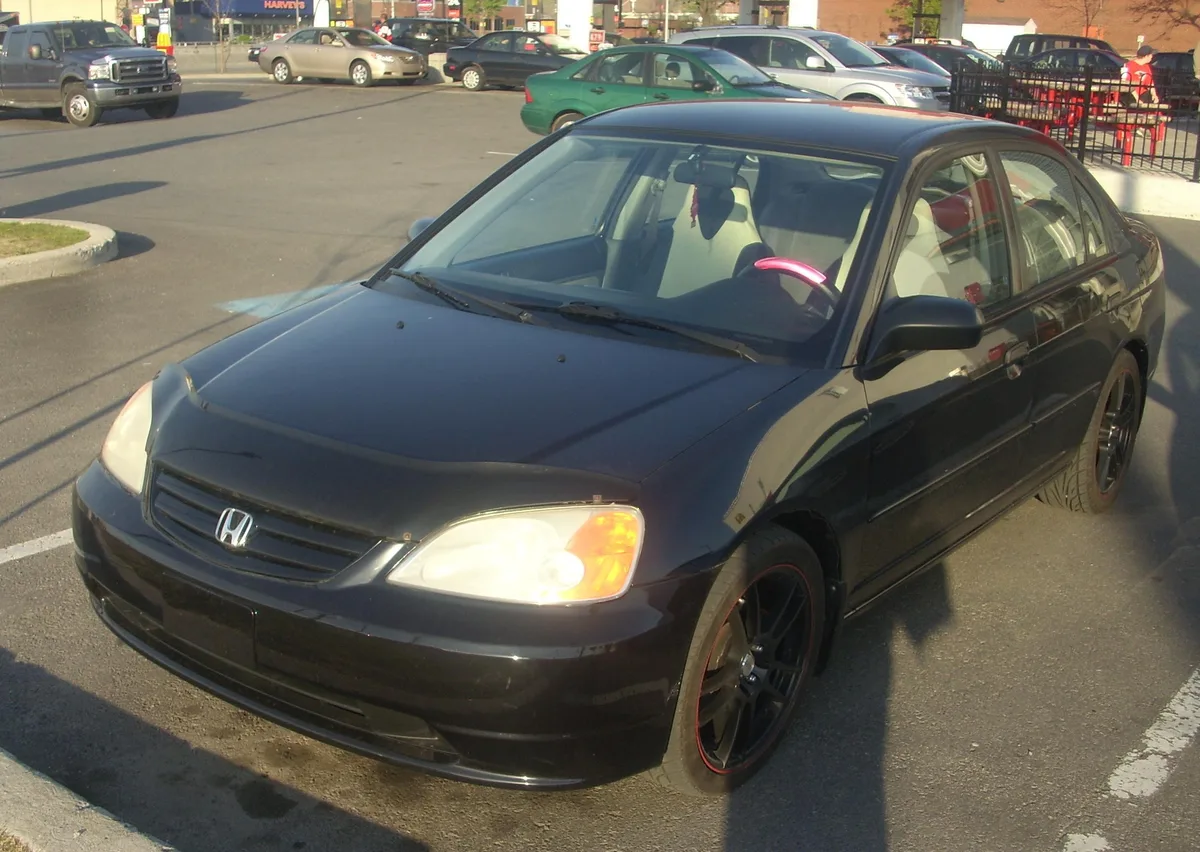
What is a ricer? Where the word came from, and why it still stings

A ricer is a car modified to look fast without being made faster: big wing, loud muffler, stick-on vents, decals for sponsors it doesn't have. The word comes from "rice burner," a slur aimed at Japanese bikes and cars, and the acronym people cite is a cover story. Here's the history, the line between a ricer and a real build, and why the industry does the same thing.

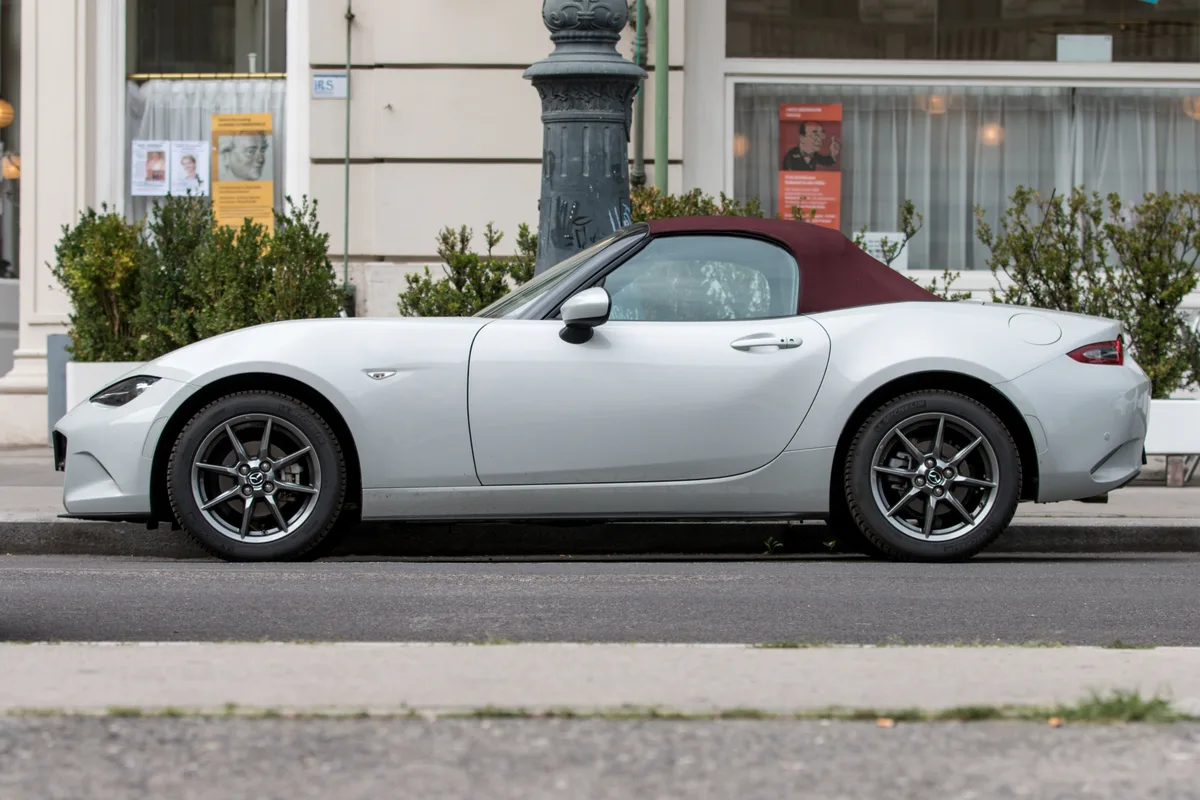
The cheapest manual sports cars you can still buy new, ranked by how expensive they look

You can still buy a new manual sports car for about $30,000 in 2026, but the list is short. Here's every one that matters, with current prices, ranked by how much more expensive it looks than it is. The Miata and GR86 win, and the reason is proportions.

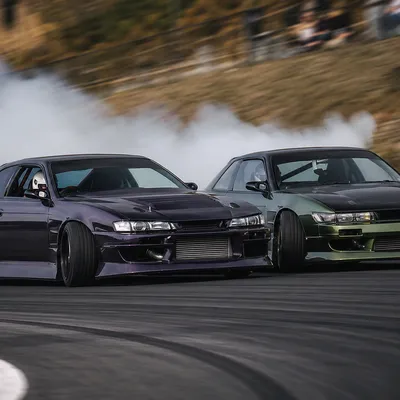
What is tandem drifting, and how is it judged?

Tandem drifting is two cars sliding together, inches apart, for a whole run. It's the format that made drifting a real sport, and the winner isn't the car in front. Here's how lead and chase work, and how judges score line, angle and style.

Ferrari Wants to Hide Its Aerodynamics in the Taillights

Ferrari has patented taillights that move out of the way to feed air to the rear wing and effectively lengthen it. It's a patent rather than a confirmed product, but it shows how hard the brand is working to get the downforce without letting the aero wreck the look.

Back to Glossary