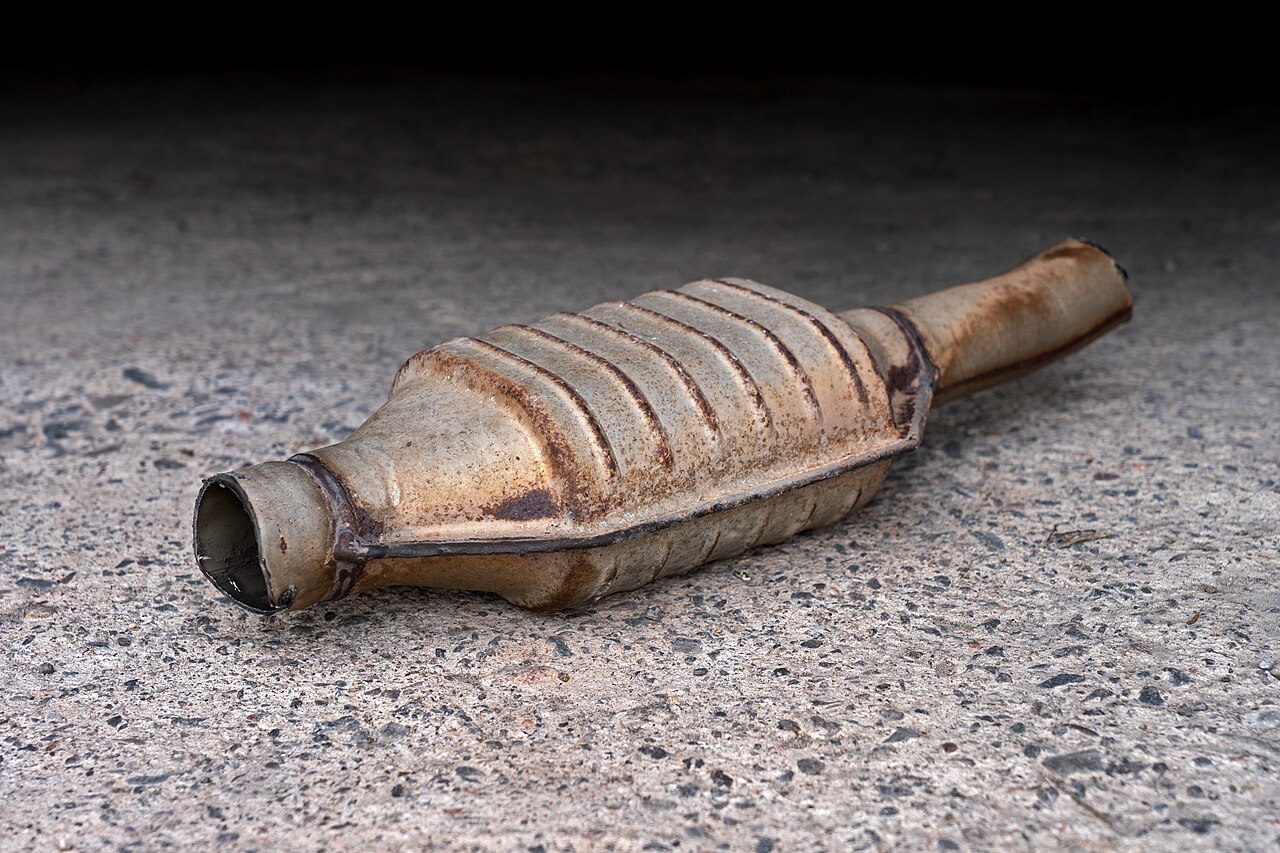
What is Catalytic converter?
An emissions device that converts exhaust pollutants into less harmful gases. Required for emissions compliance; often replaced or removed in racing.
Catalytic converter is an emissions device installed in the exhaust system that converts harmful exhaust gases (carbon monoxide, hydrocarbons, nitrogen oxides) into less harmful gases (carbon dioxide, water, nitrogen). The conversion happens through chemical catalysis using precious metals (platinum, palladium, rhodium) coated on a ceramic or metal substrate inside the converter housing.
Catalytic converters are required for emissions compliance in most jurisdictions. The Clean Air Act and similar regulations require converters on most vehicles sold in the United States. California has stricter emissions requirements than federal regulations, requiring even tighter converter performance. Most production cars use multiple catalytic converters (one per exhaust manifold or one on each side of a V engine).
Catalytic converters can fail through clogging (carbon deposits restricting flow), thermal damage (overheating from rich fuel mixtures), or mechanical damage (impacts to the substrate). Failure typically causes decreased engine performance, increased emissions, and check engine lights. Replacement is required for emissions compliance. High-flow catalytic converters offer slightly less restriction than stock and are popular in modified cars; some emissions exemptions exist for racing applications. Catless exhaust modifications are illegal for street use in most jurisdictions due to emissions violations.