What is Oversteer?
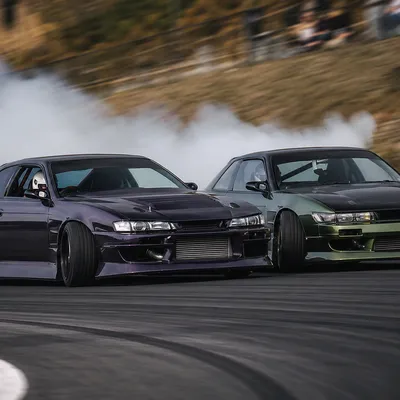
A handling condition where the rear of the car steps out, often leading to a slide or spin. Common in RWD cars and the basis for drift.
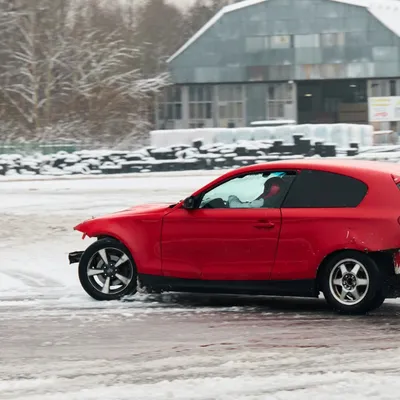
Oversteer is a handling condition where the rear of the car turns more than the steering input demands, causing the rear to step out and the car to rotate more than expected. The driver inputs steering, but the rear of the car loses grip and slides outward, rotating the car around its center of gravity. Excessive oversteer can result in spins; controlled oversteer is the basis for drift driving.
Oversteer typically occurs when the rear tires are at their grip limit before the front tires. Causes include too much throttle (in RWD cars), lift-off oversteer (when the driver lifts off throttle mid-corner, causing weight transfer forward and rear unloading), excessive entry speed, suspension setup that biases toward rear-axle limits, or low rear tire grip relative to the front. Most modern road cars are tuned away from oversteer at the limit; oversteer is generally seen as less safe for typical drivers than understeer.
Correcting oversteer requires counter-steer (turning the wheel opposite to the slide direction) and modulated throttle. The exact technique depends on the slide angle and remaining grip. Drift drivers maintain controlled oversteer through coordinated steering and throttle inputs. For most road drivers, sudden oversteer at the limit can result in spins; modern stability control systems detect and correct unwanted oversteer.