McLaren Cars
Exotic · 18 models

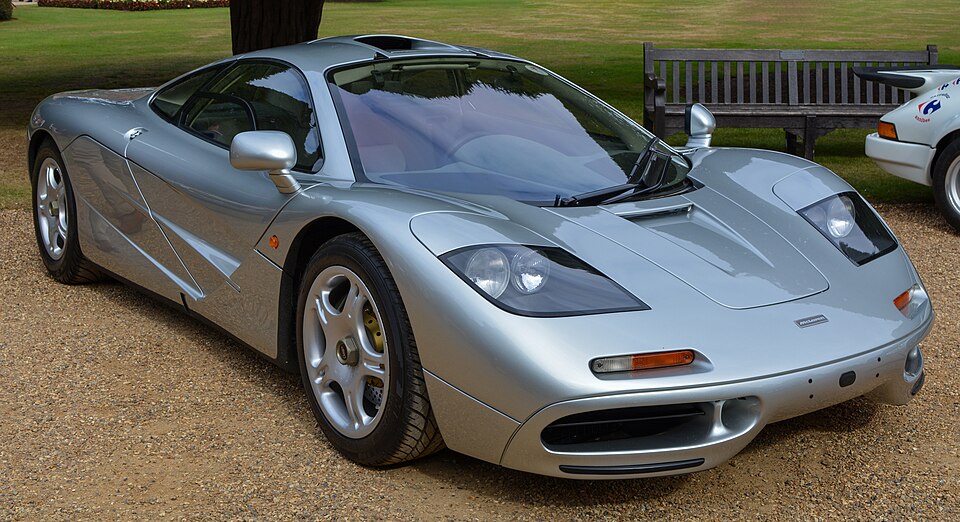
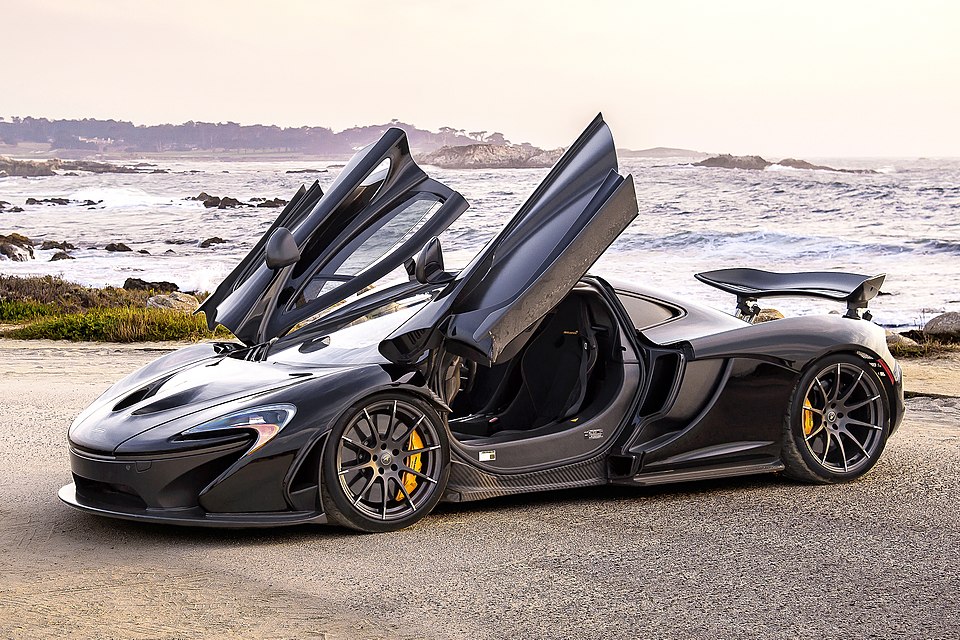
The F1 was the fastest production car of the 1990s. The P1, 720S, and Speedtail show what McLaren engineering looks like applied to road cars.
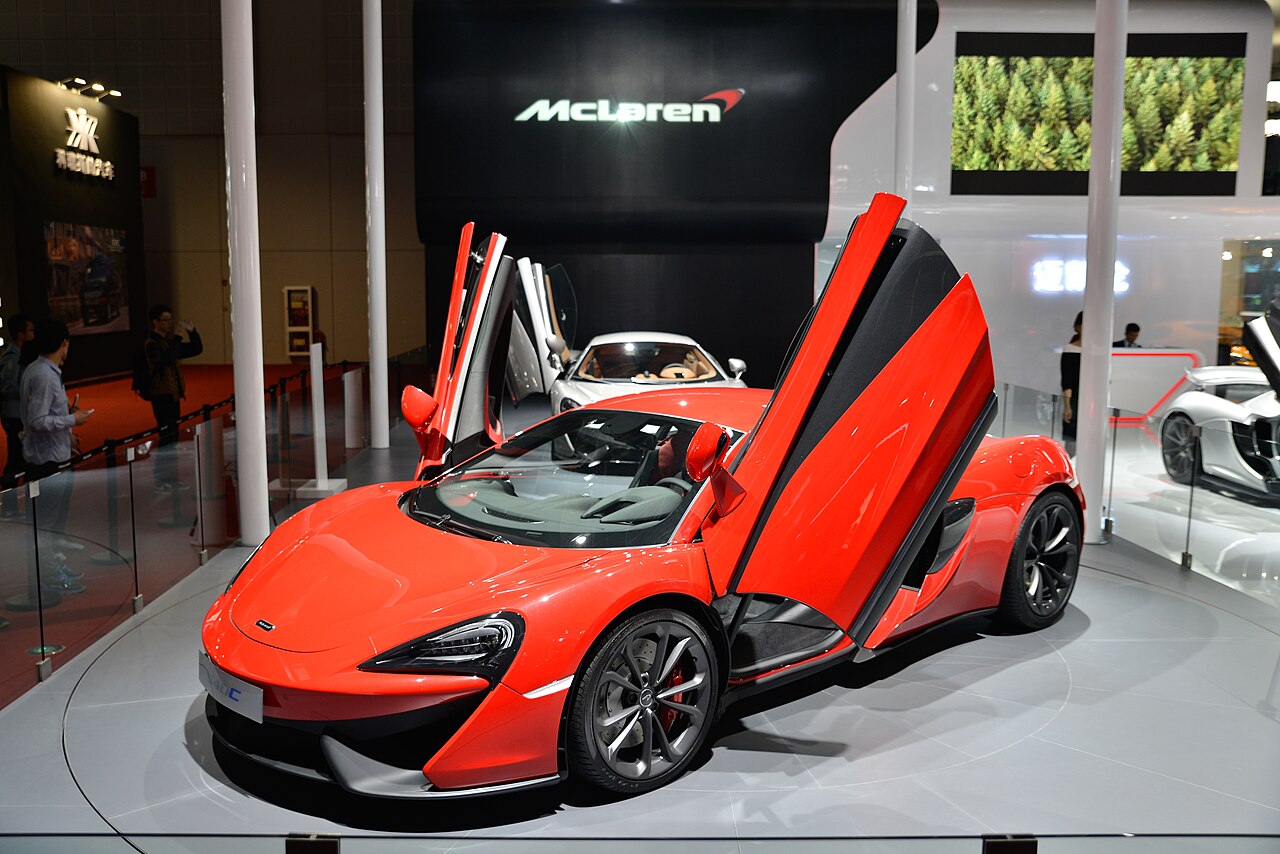
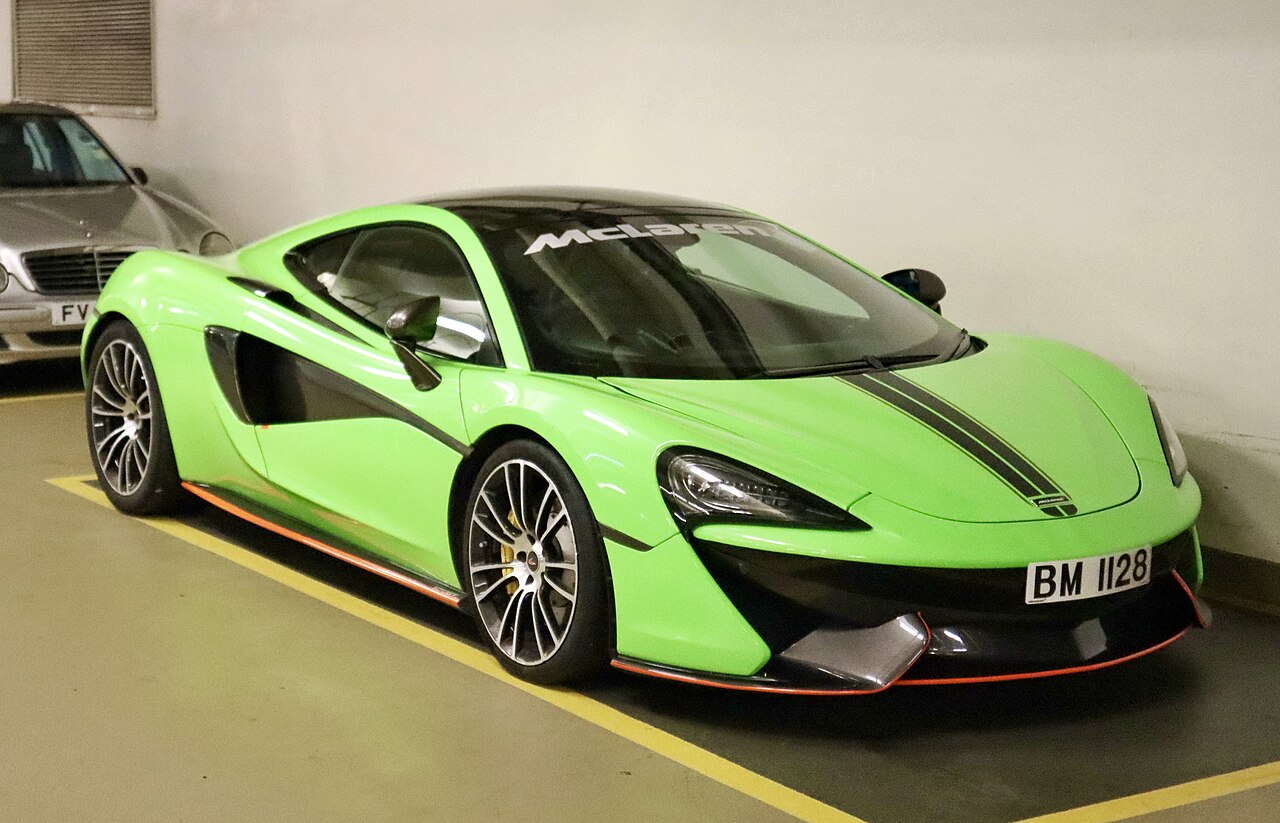
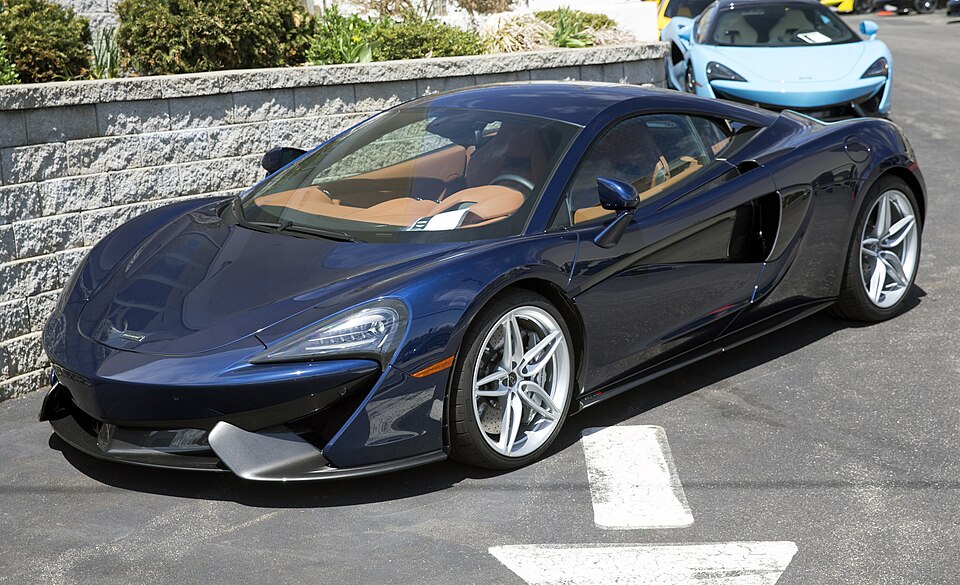
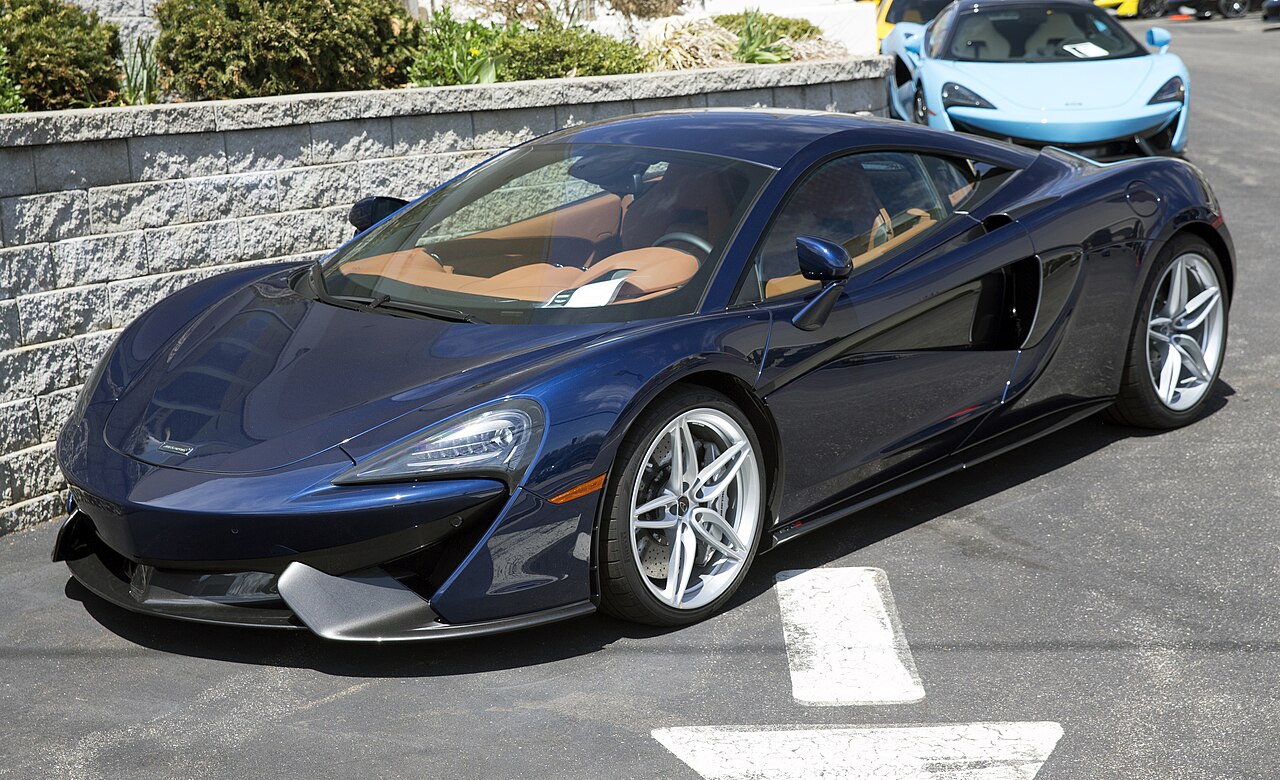
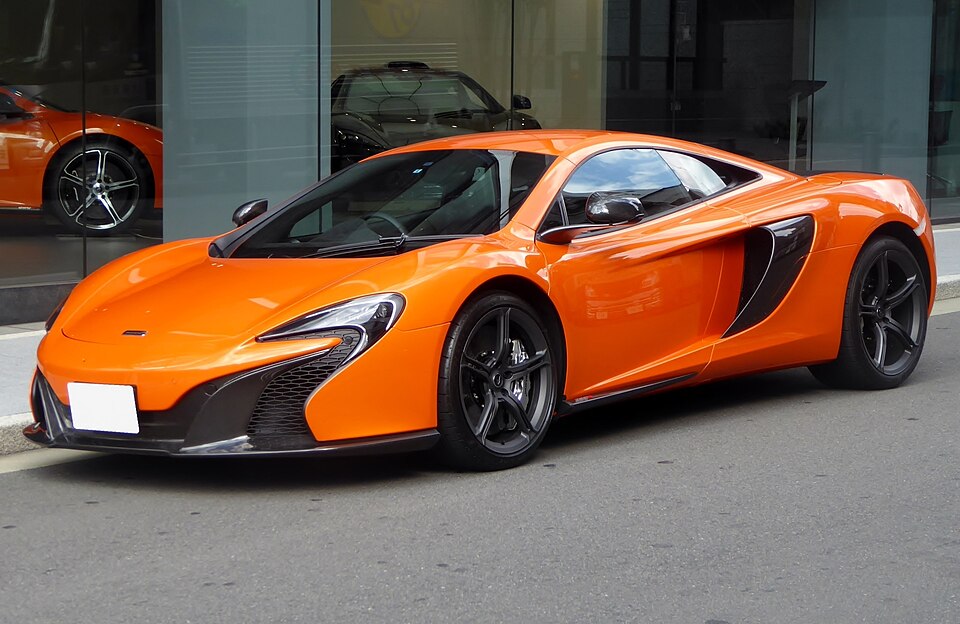
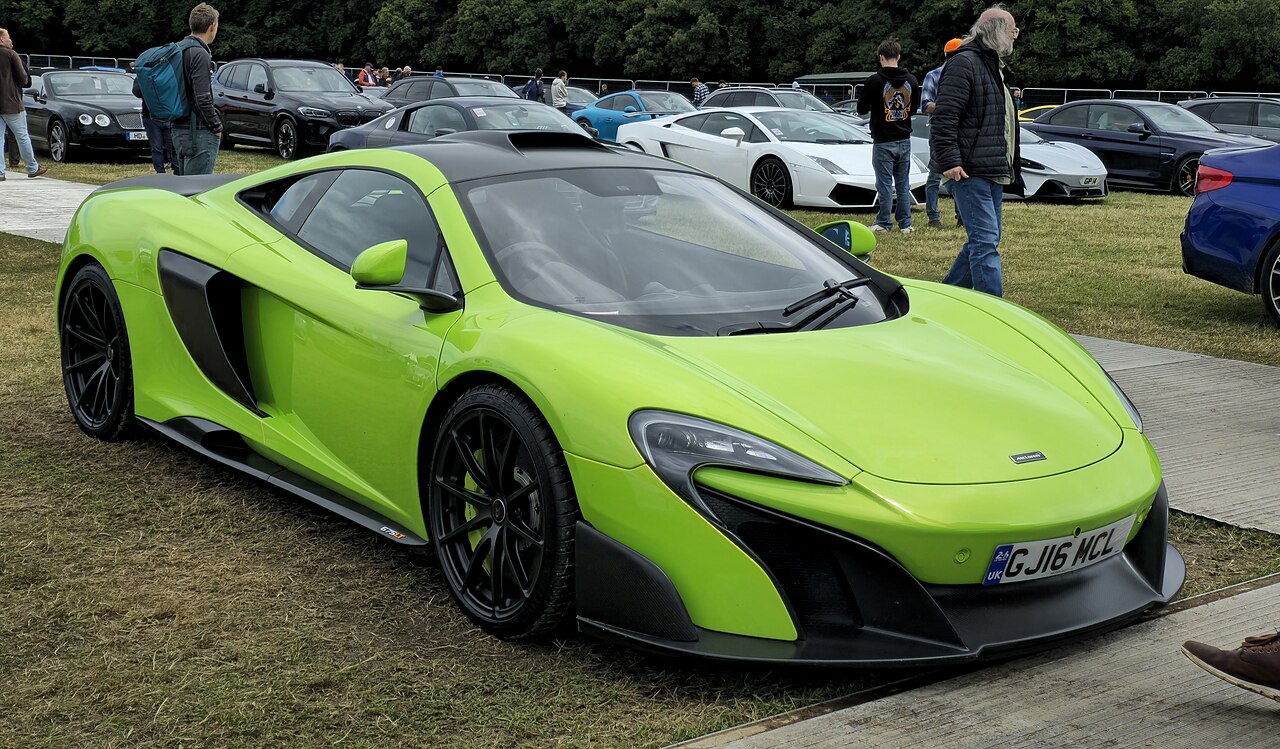
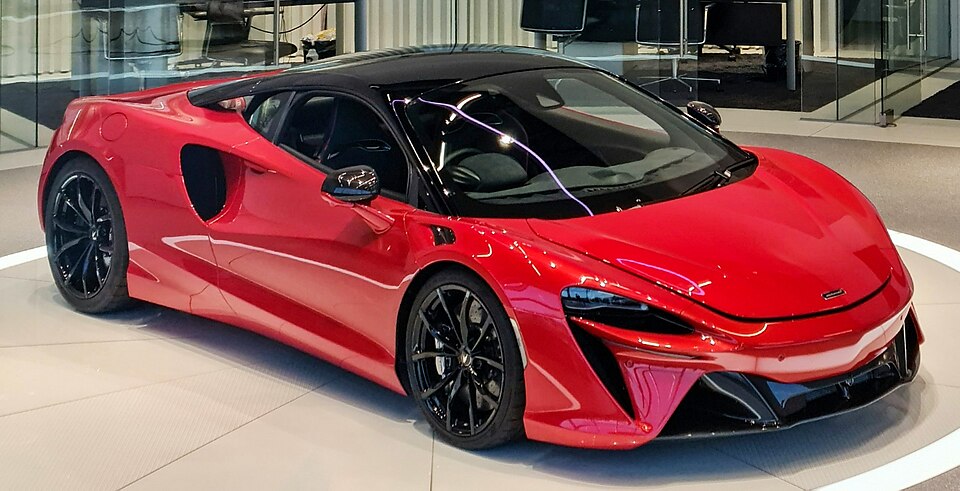
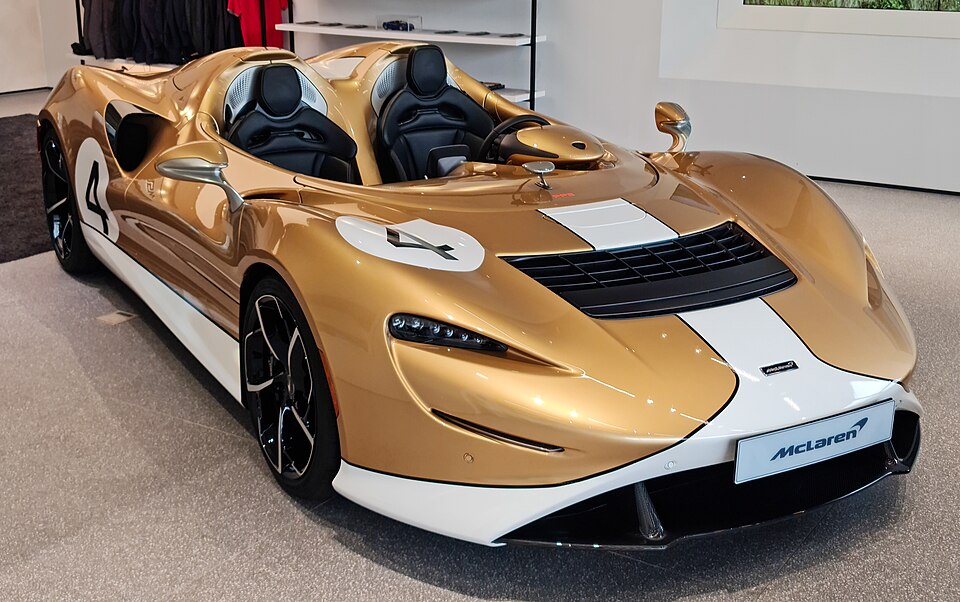
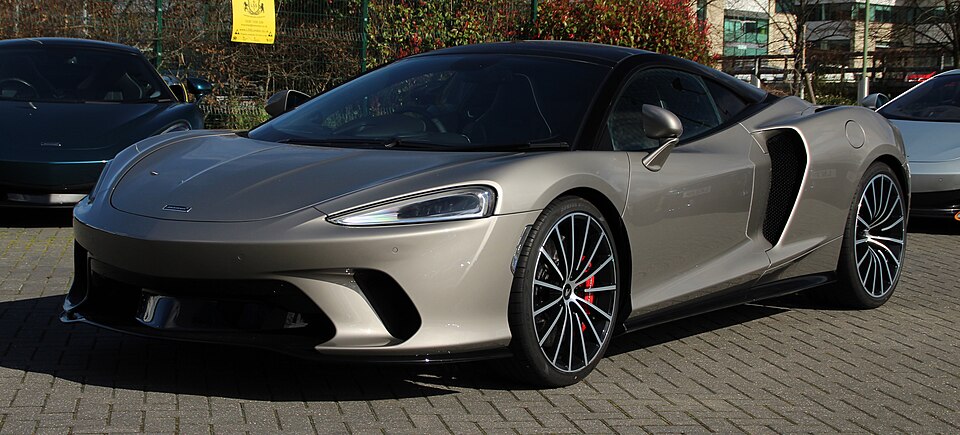
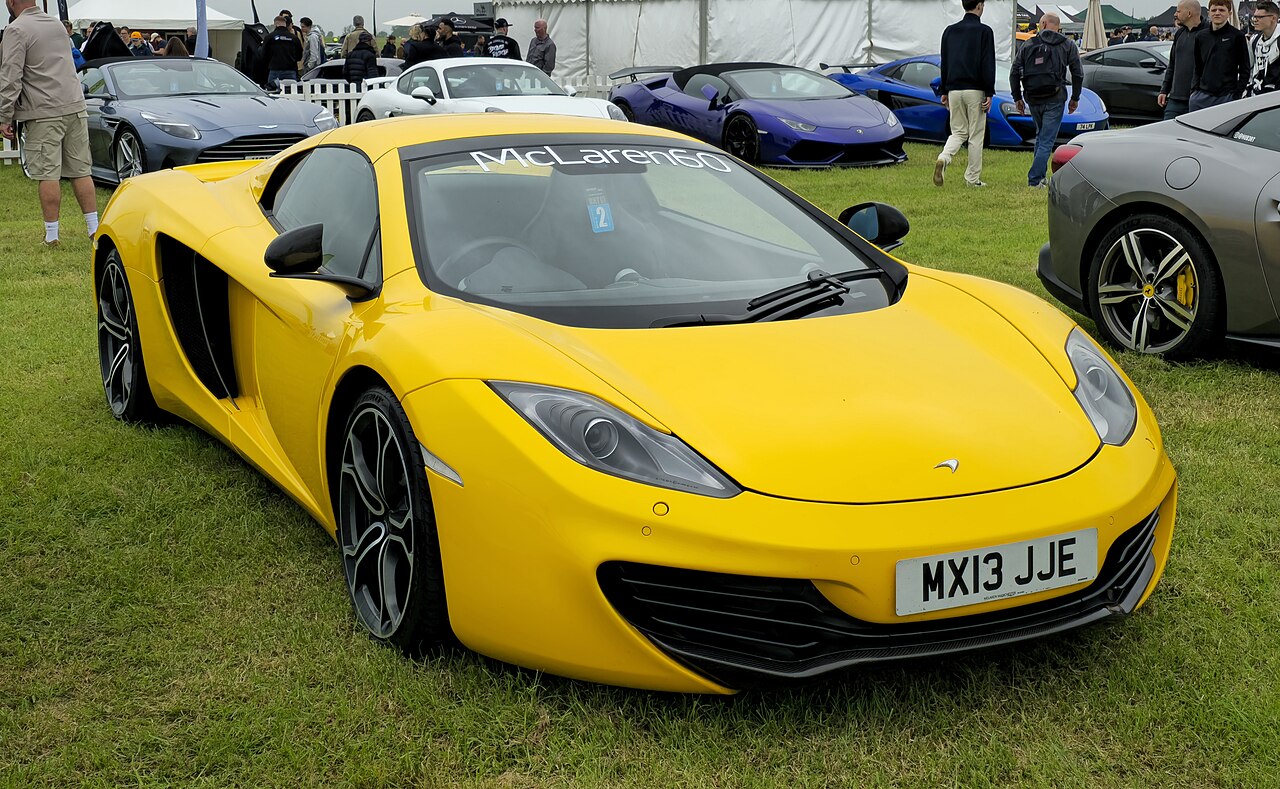
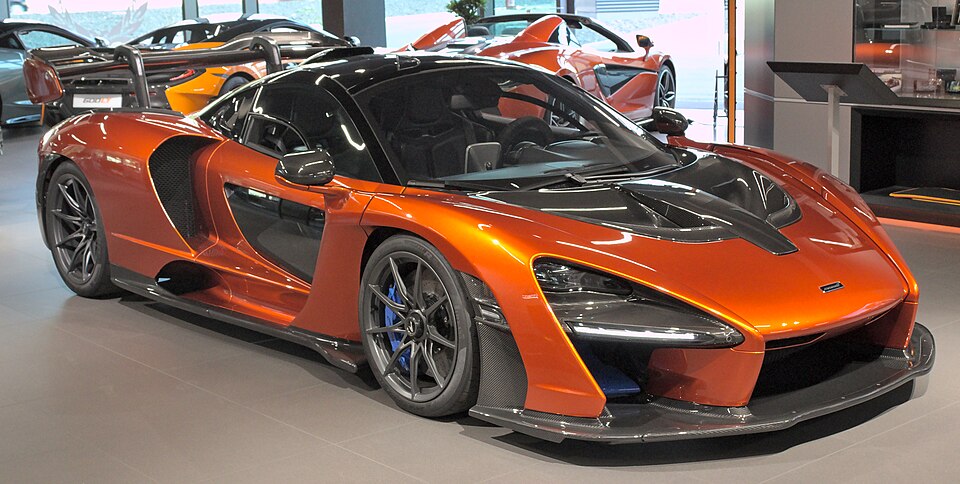
ExoticMcLaren is the British engineering and motorsport firm whose modern road car business launched in 2010 with the MP4-12C. The brand existed as a Formula One constructor for decades before that (founded by Bruce McLaren in 1963), and the racing heritage informs every road car the company has produced. The McLaren F1 of 1992-1998 is the most important early road car. Designed by Gordon Murray with no compromises (gold leaf in the engine bay for heat reflection, central driving position, BMW S70/2 V12 making 627 horsepower), the F1 held the production car top speed record (240.1 mph) for almost a decade. Total production was 106 units (including racing variants). Clean F1s now sell for over $20 million. The modern McLaren Automotive lineup launched in 2010 with the MP4-12C. The 12C established the carbon fiber MonoCell chassis and twin-turbo V8 (the M838T) that have anchored most subsequent McLaren road cars. The Sports Series (570S, 570GT, 540C), Super Series (650S, 720S, 750S), Ultimate Series (P1, Senna, Speedtail, Elva), and the GT (a more grand-tourer focused product) covered the 2010s and 2020s. The Artura (2021-present) is McLaren first hybrid road car, with a twin-turbo V6 plus electric motor. The Senna of 2018 was the most extreme road-legal McLaren ever produced, prioritizing aerodynamic downforce and lap times over comfort or aesthetics. McLaren has had financial difficulties through the 2020s and was acquired by CYVN Holdings in 2024. The road car program continues but the future model lineup is less clear than for established brands. On WhipJury, McLaren submissions are rare but always carry weight in voting. The 720S is the most submitted modern McLaren. 570S and 600LT examples appear regularly. The original F1 is essentially a unicorn but tributes occasionally appear.
Top McLaren cars on WhipJury
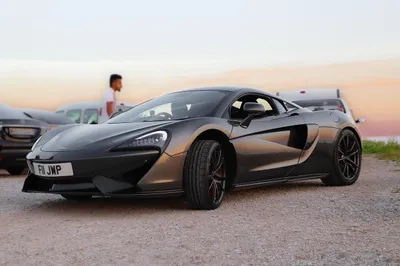
McLaren models we cover
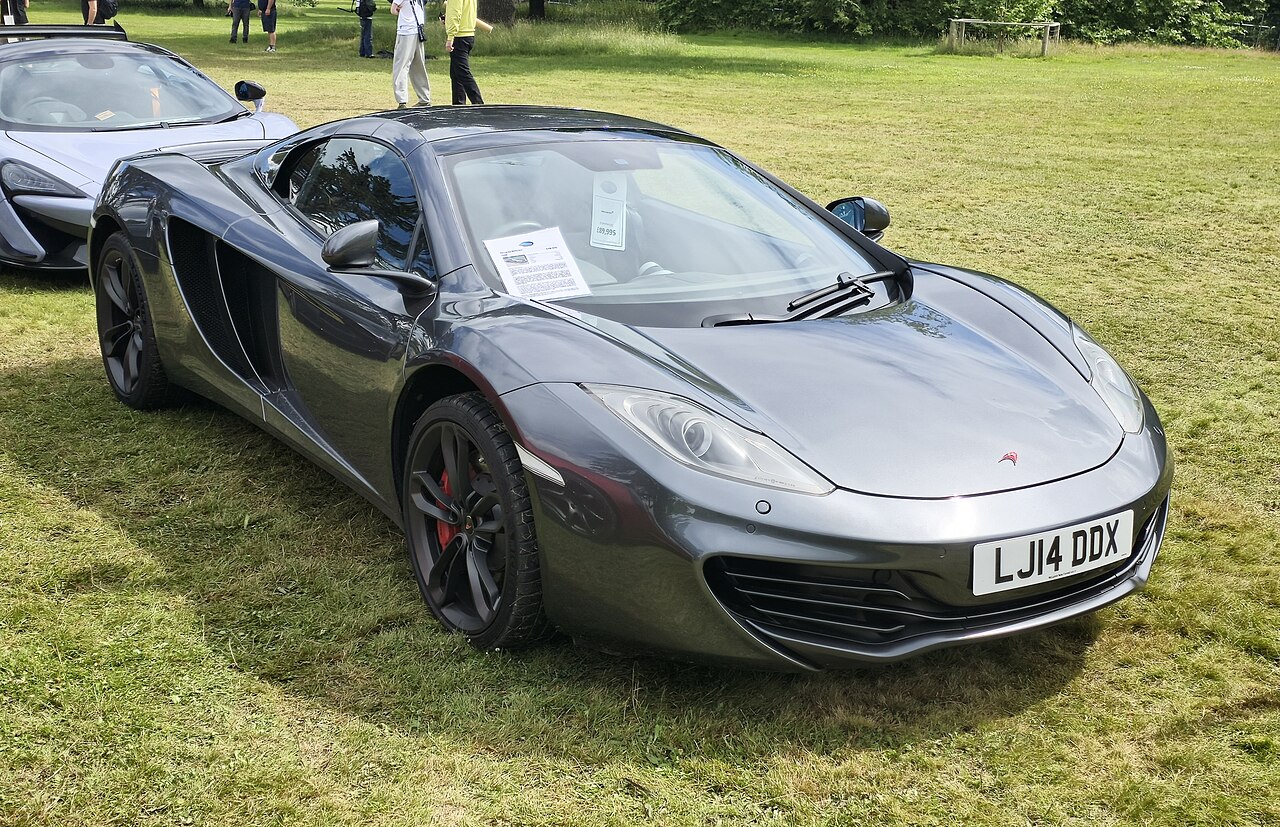
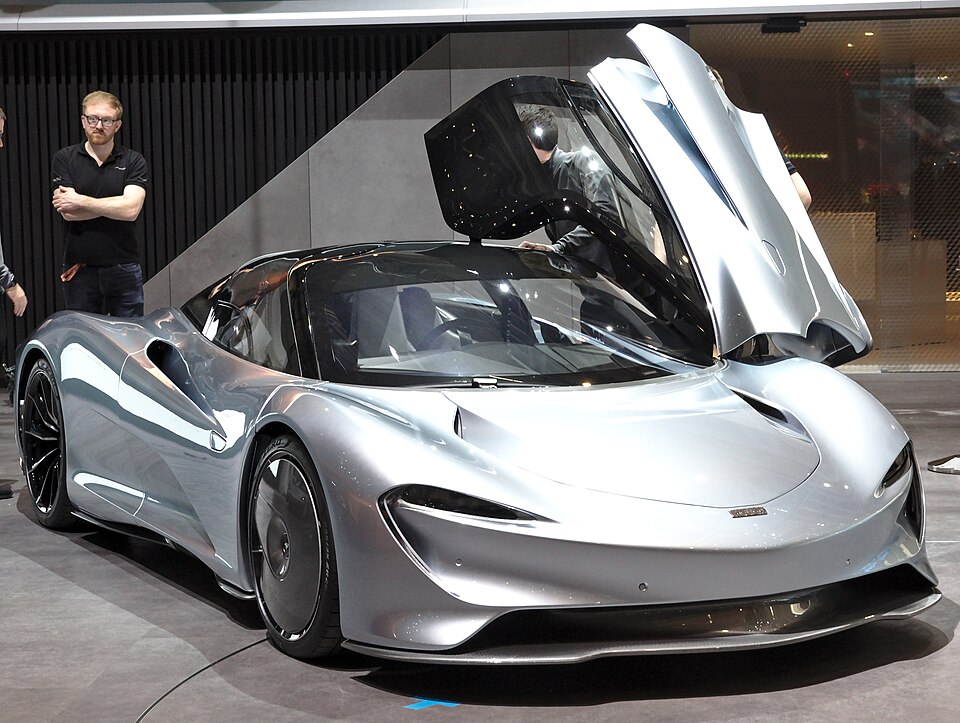
The F1
The McLaren F1 was Gordon Murray response to the question: what would a road car look like with no compromises? Carbon fiber tub, central driving position, BMW-developed V12 (Murray demanded a high-revving naturally aspirated unit), passive aerodynamics, no power steering or ABS. The car set a top speed record of 240.1 mph that stood until 2005 (Bugatti Veyron). It also won Le Mans in its first attempt (1995, in GTR race form). 106 cars total produced, 64 of those road cars, in production from 1992 to 1998.
The 720S
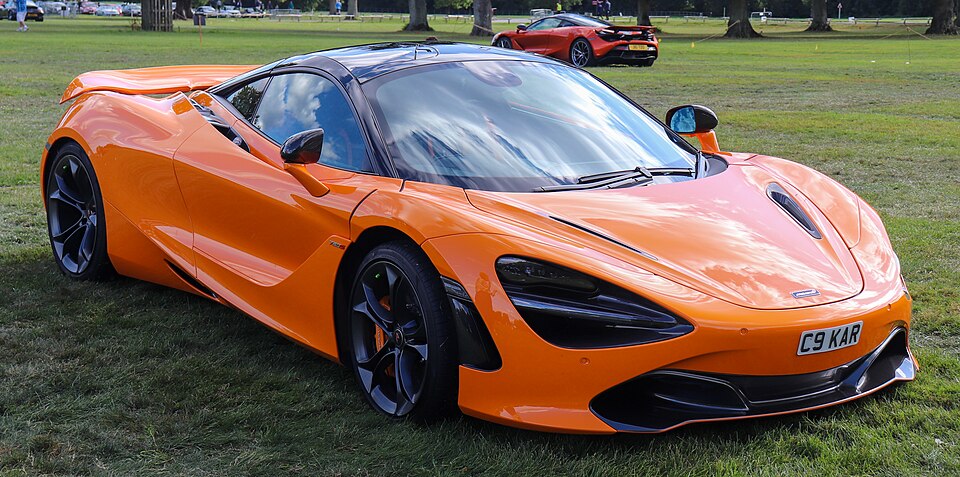
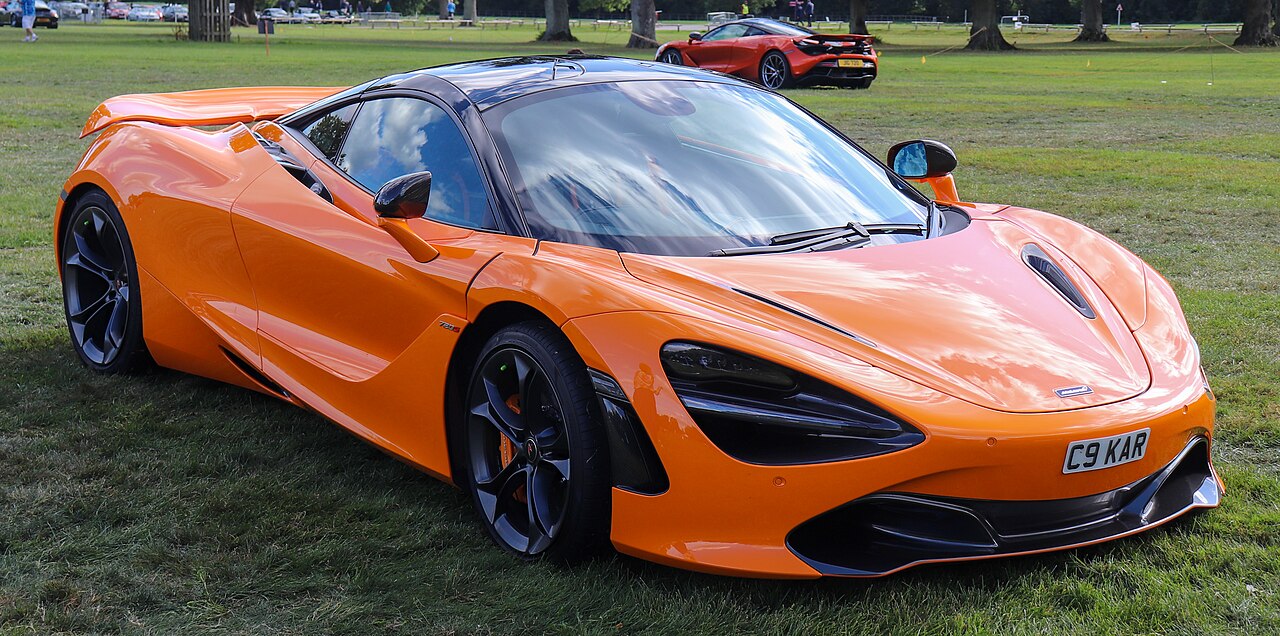
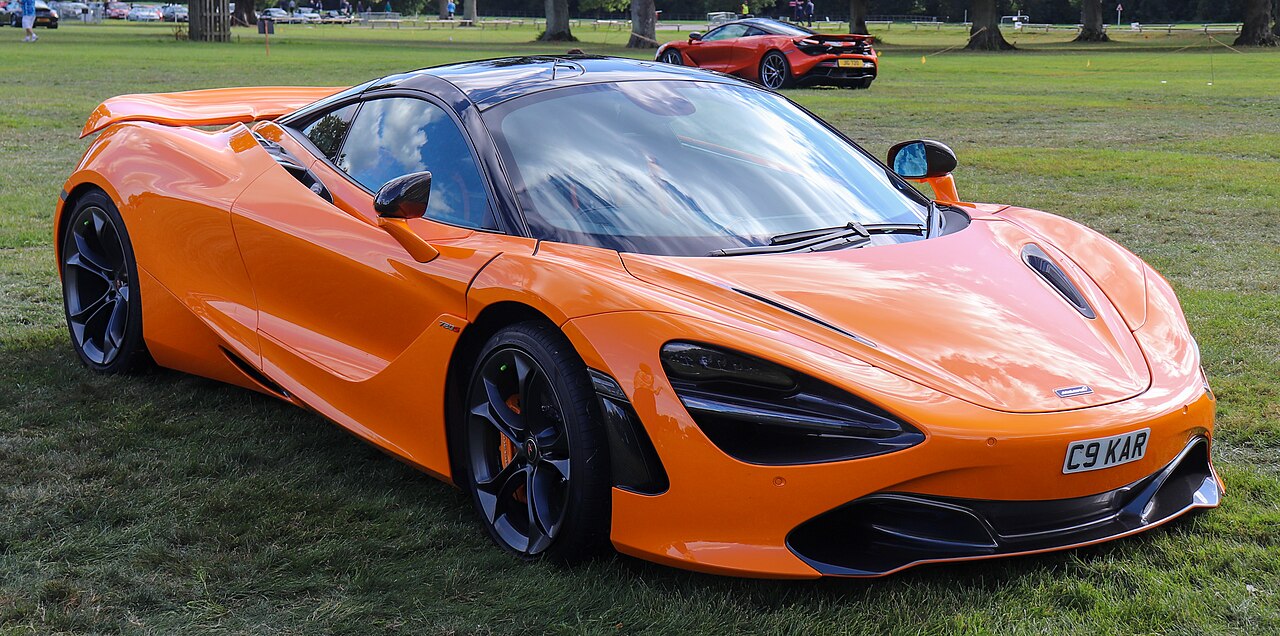
The 720S (2017-2023) is widely considered the McLaren that brought the brand fully into the modern supercar mainstream. Twin-turbo 4.0 V8 making 720 horsepower (the source of the name), seven-speed dual-clutch, and a chassis that lap times benchmarked against Ferrari 488 and Lamborghini Huracan favorably. The 720S is widely cited in reviews of the era as the most well-rounded modern supercar.
McLaren on WhipJury
720S submissions are the most common modern McLaren. 570S, 600LT, and 540C (the entry-level Sports Series products) appear regularly. The Speedtail and Senna are unicorns. The community treats McLaren as the engineering-focused alternative to Ferrari and Lamborghini.