Porsche Cars
Exotic · 22 models
The 911 has been in production since 1963 across 8 generations. The 928, 944, 968, Cayenne, Boxster, and Taycan show what else Porsche can do.
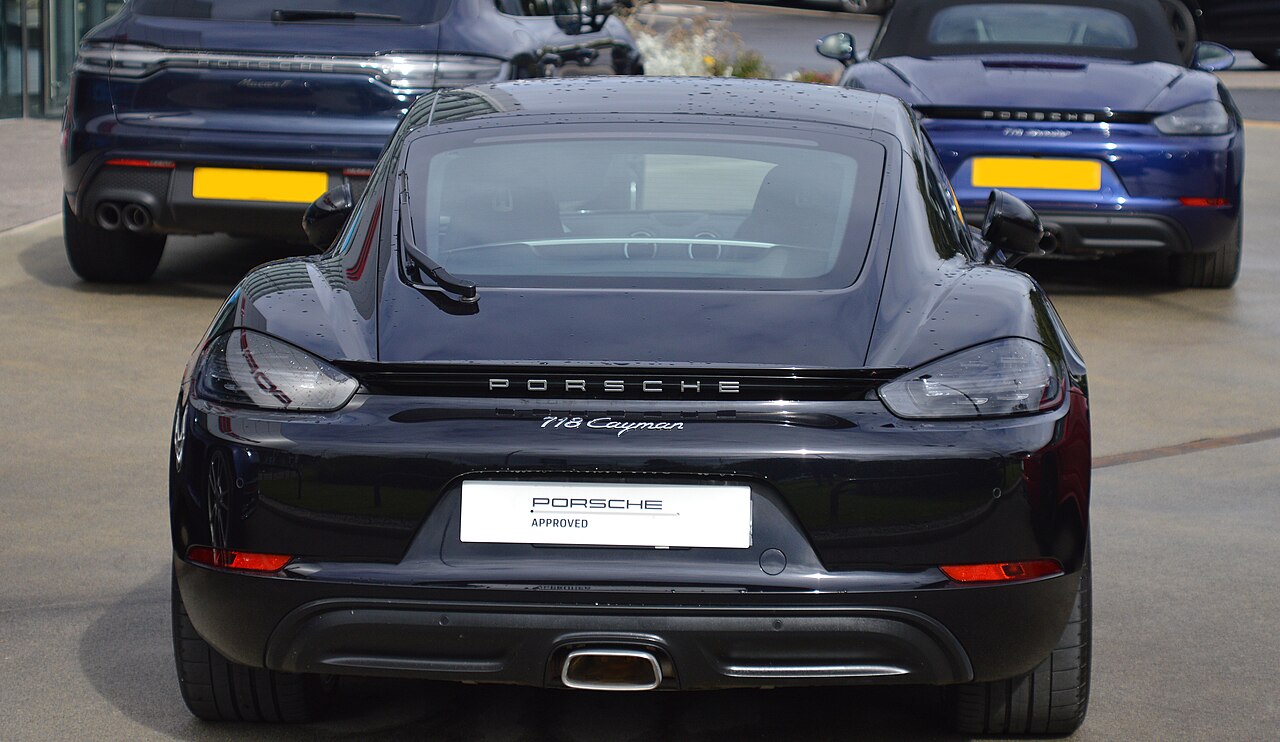
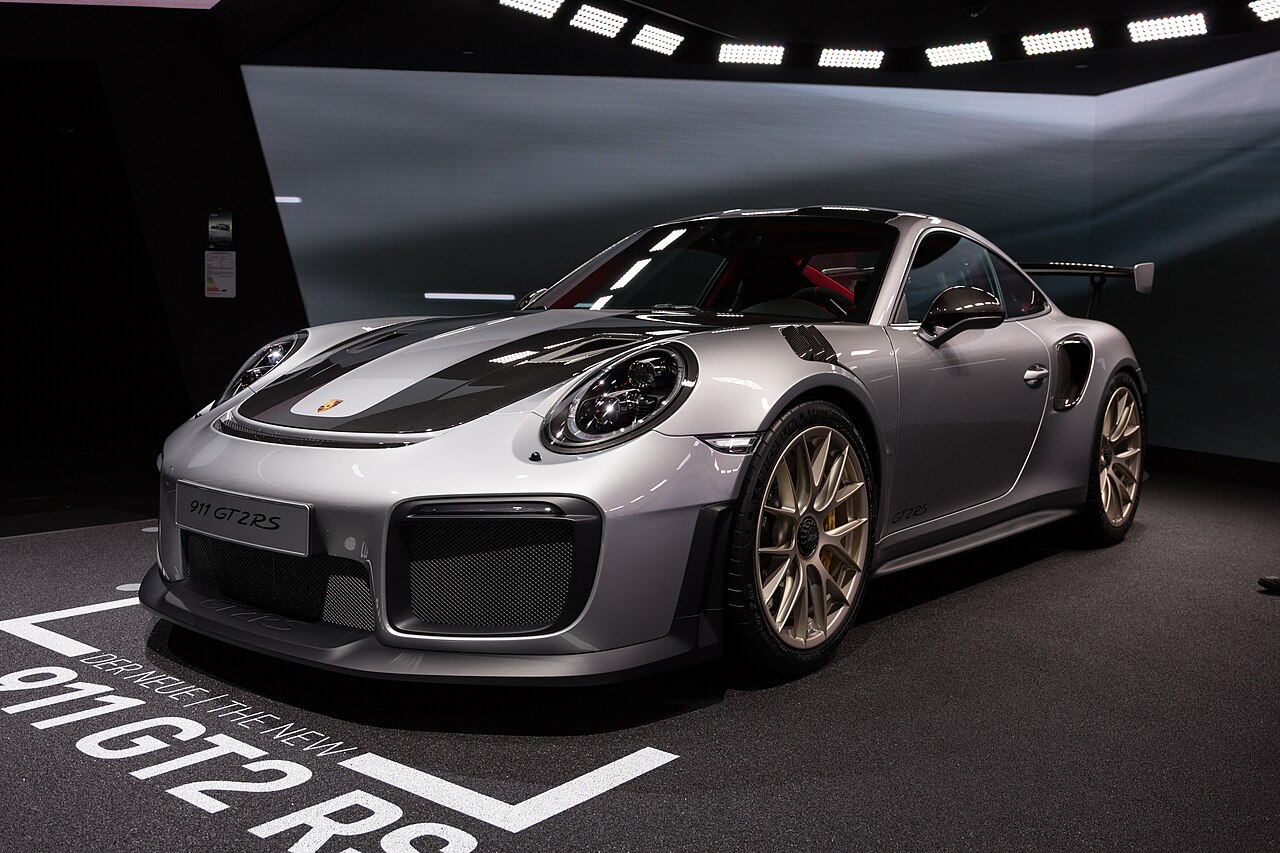
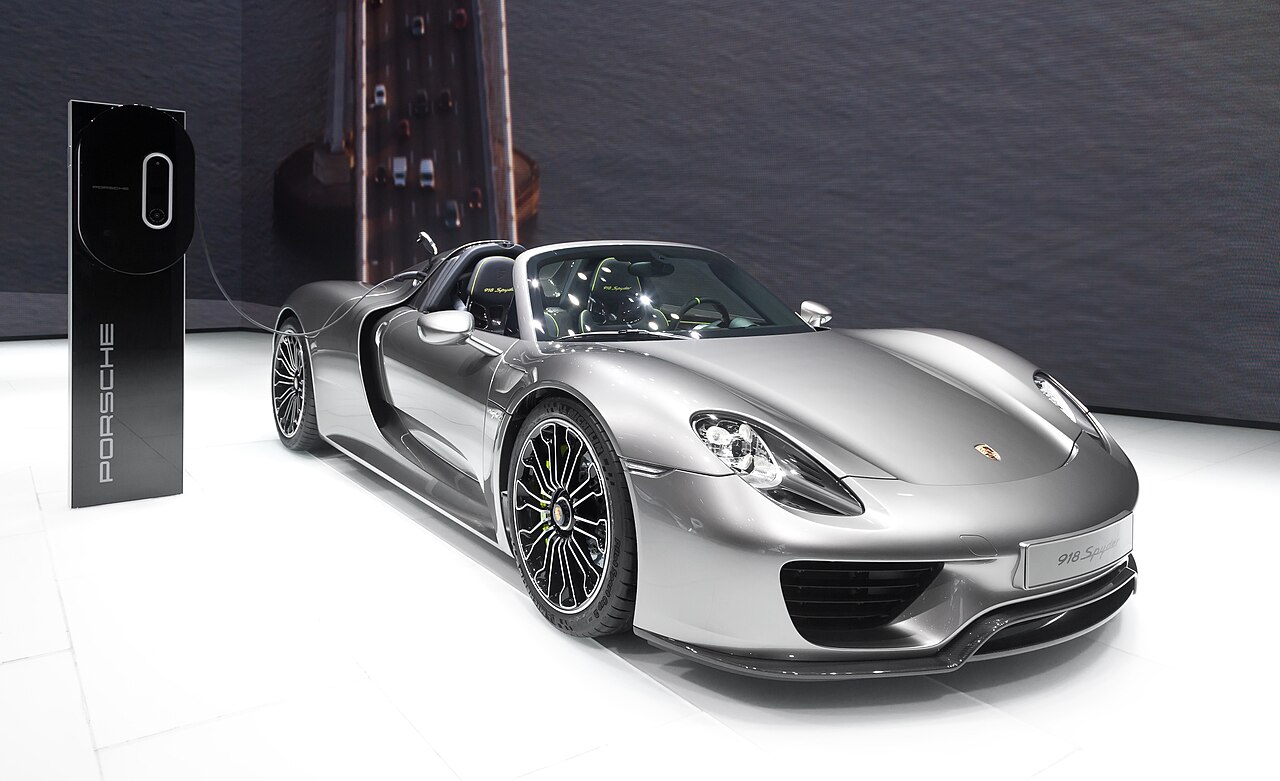
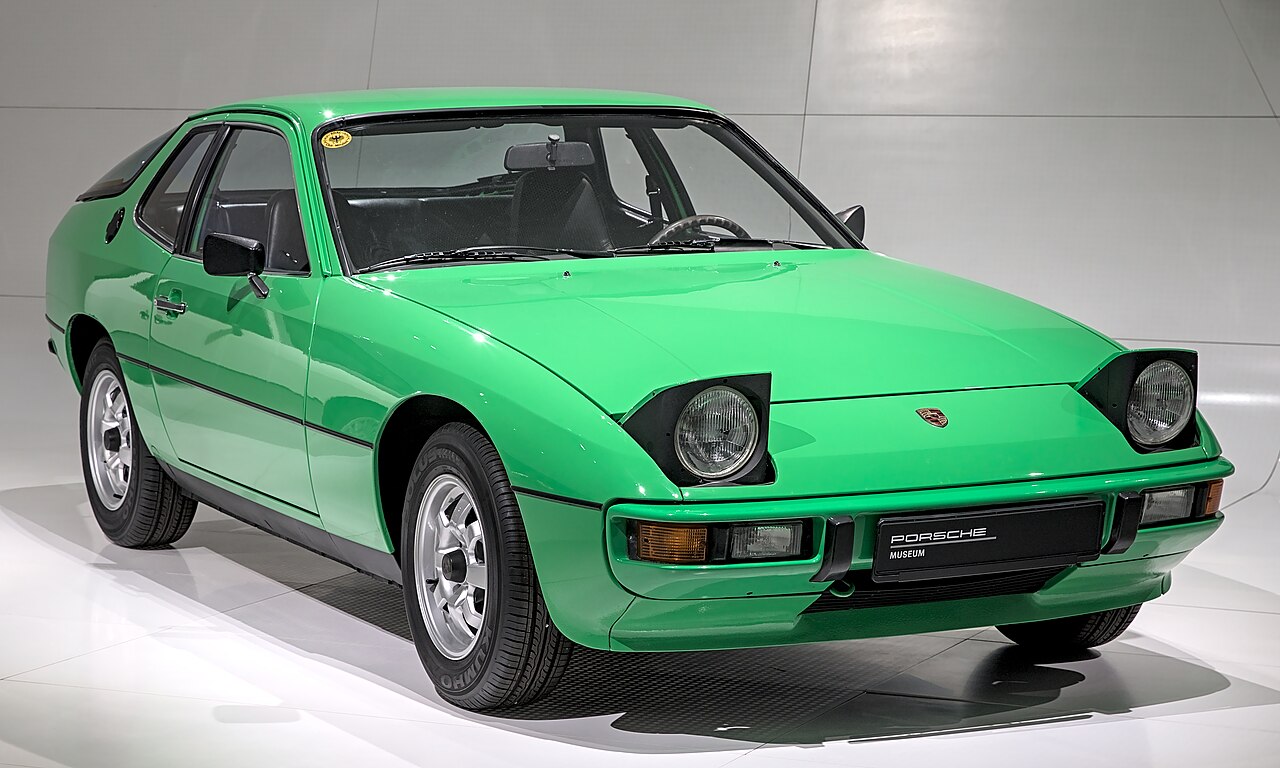
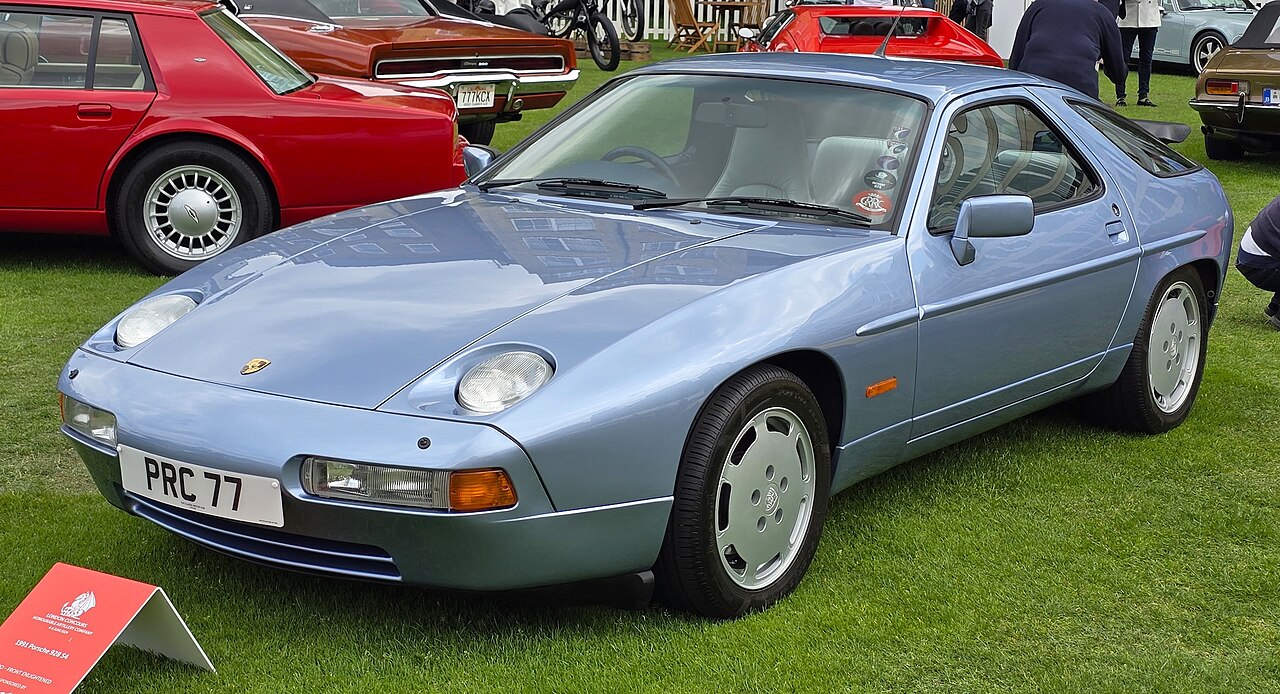
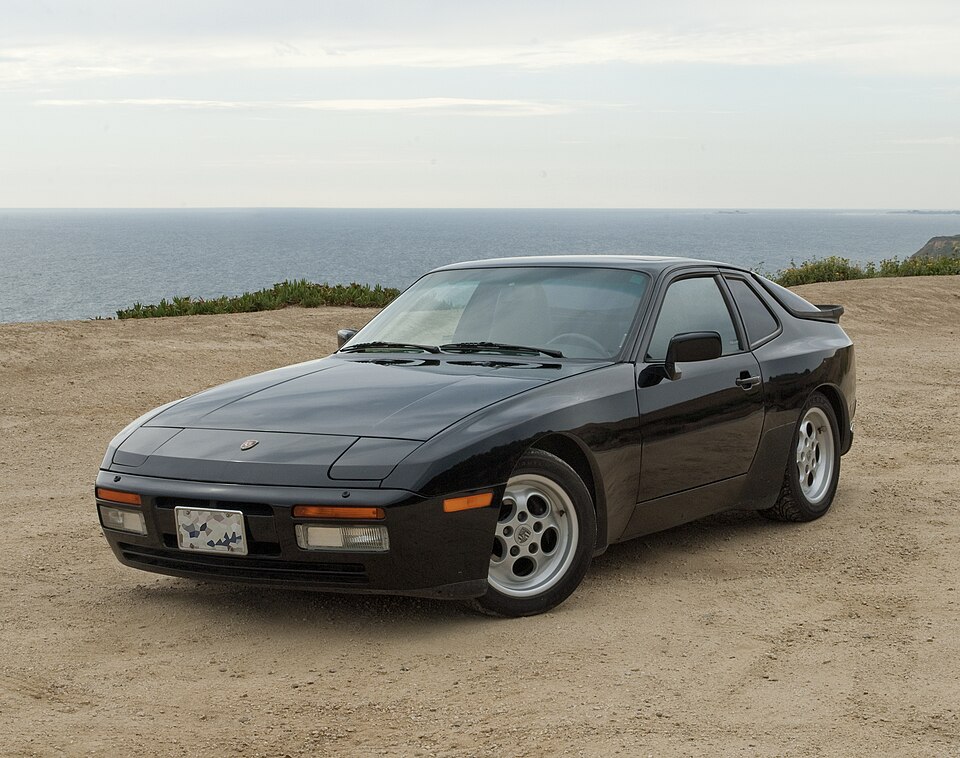
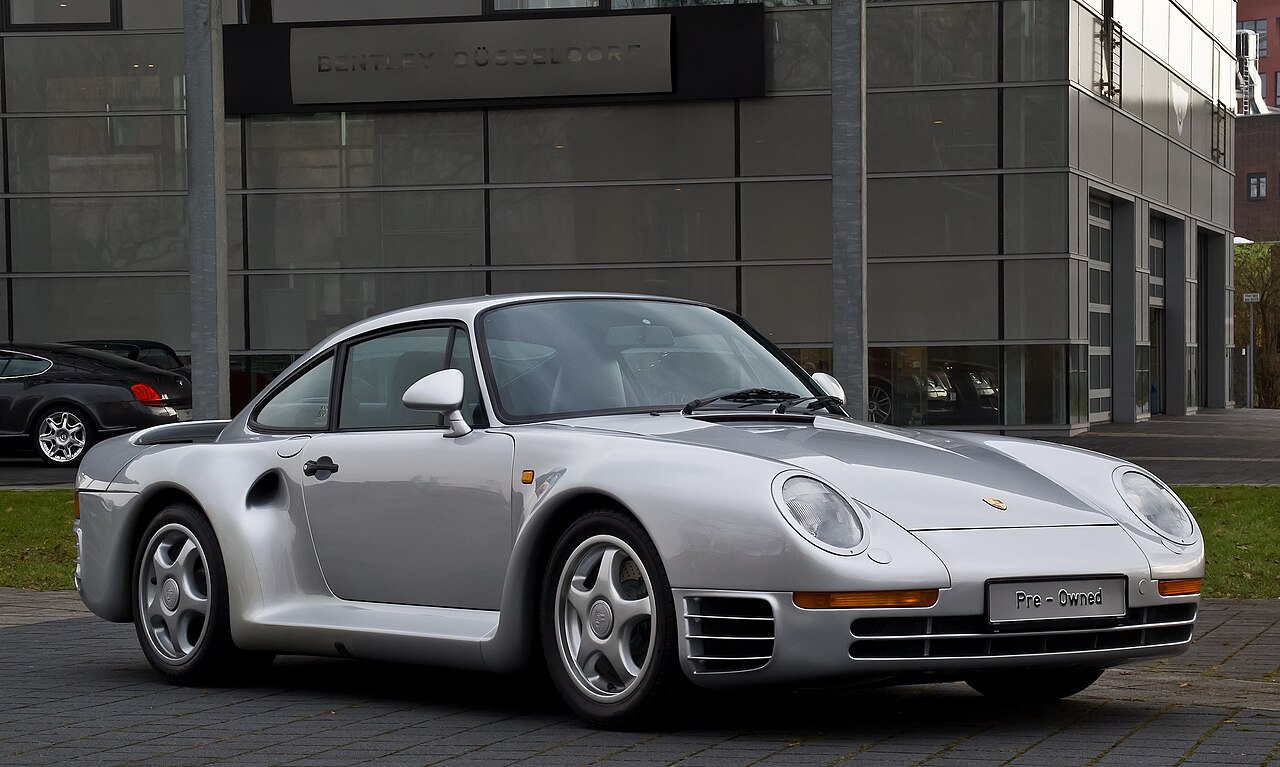
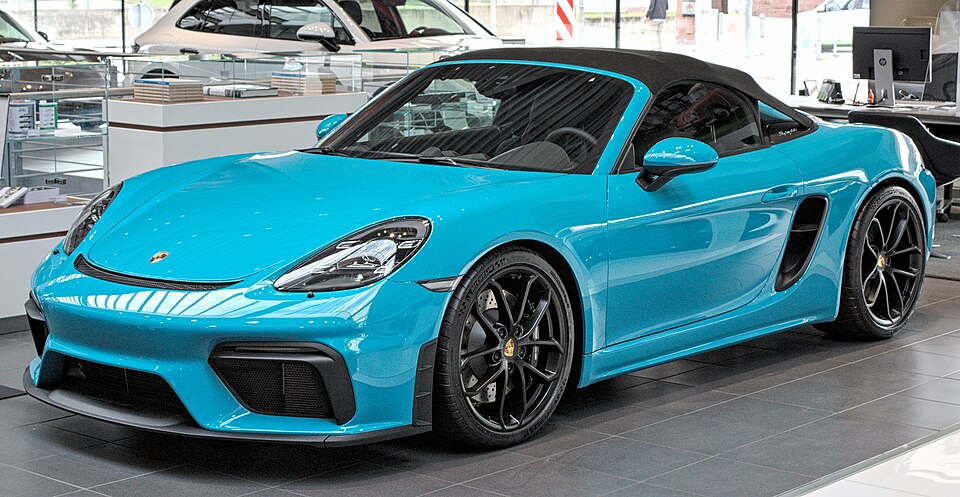
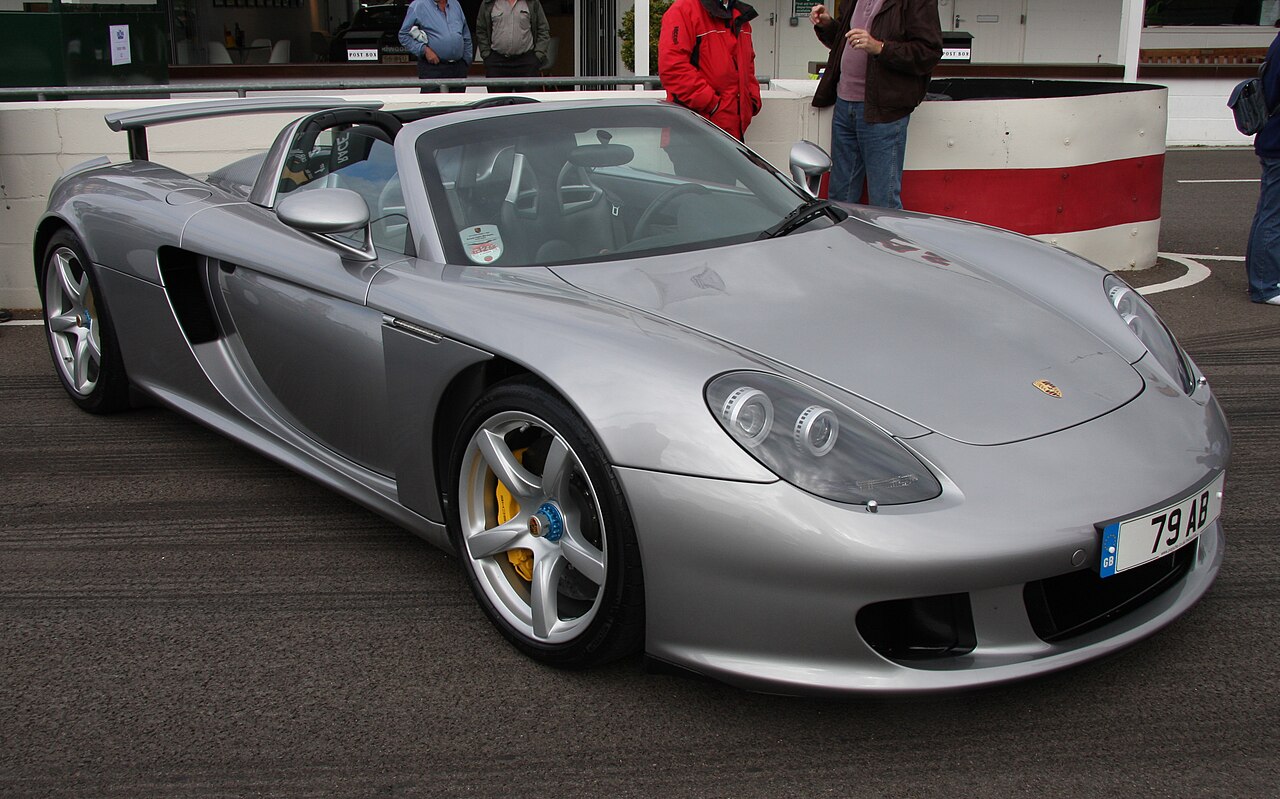
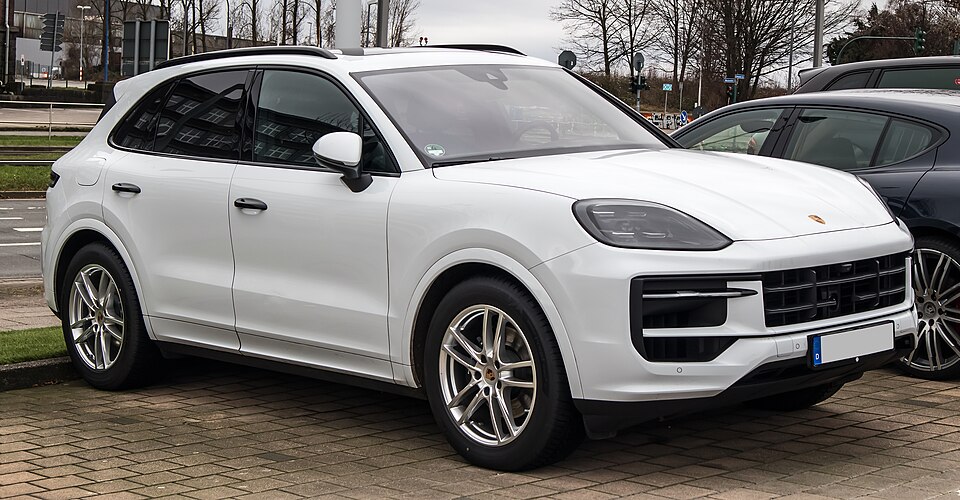
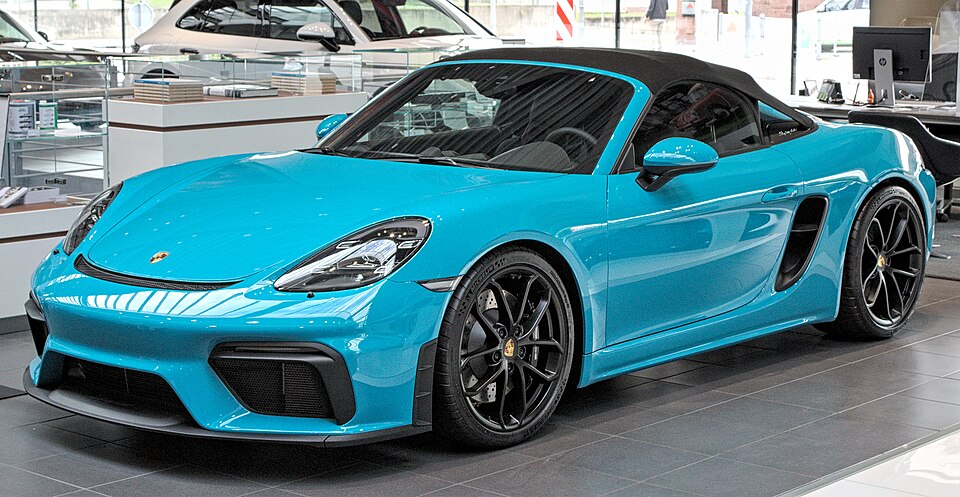
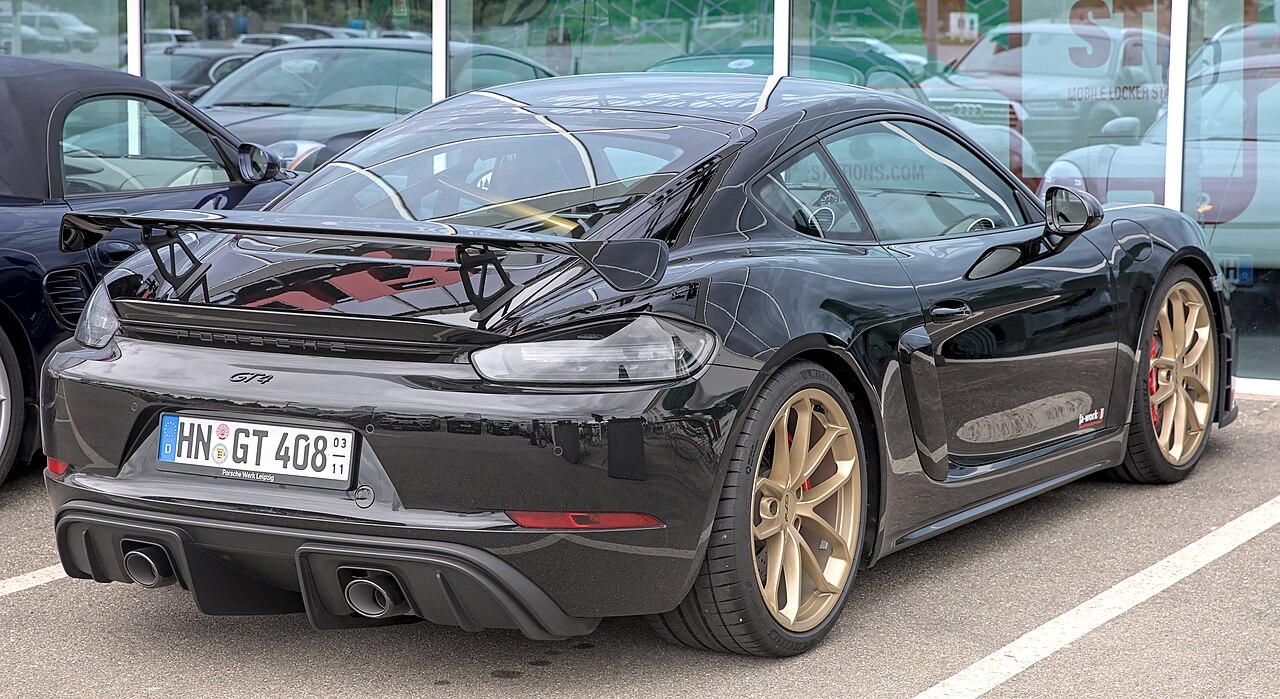
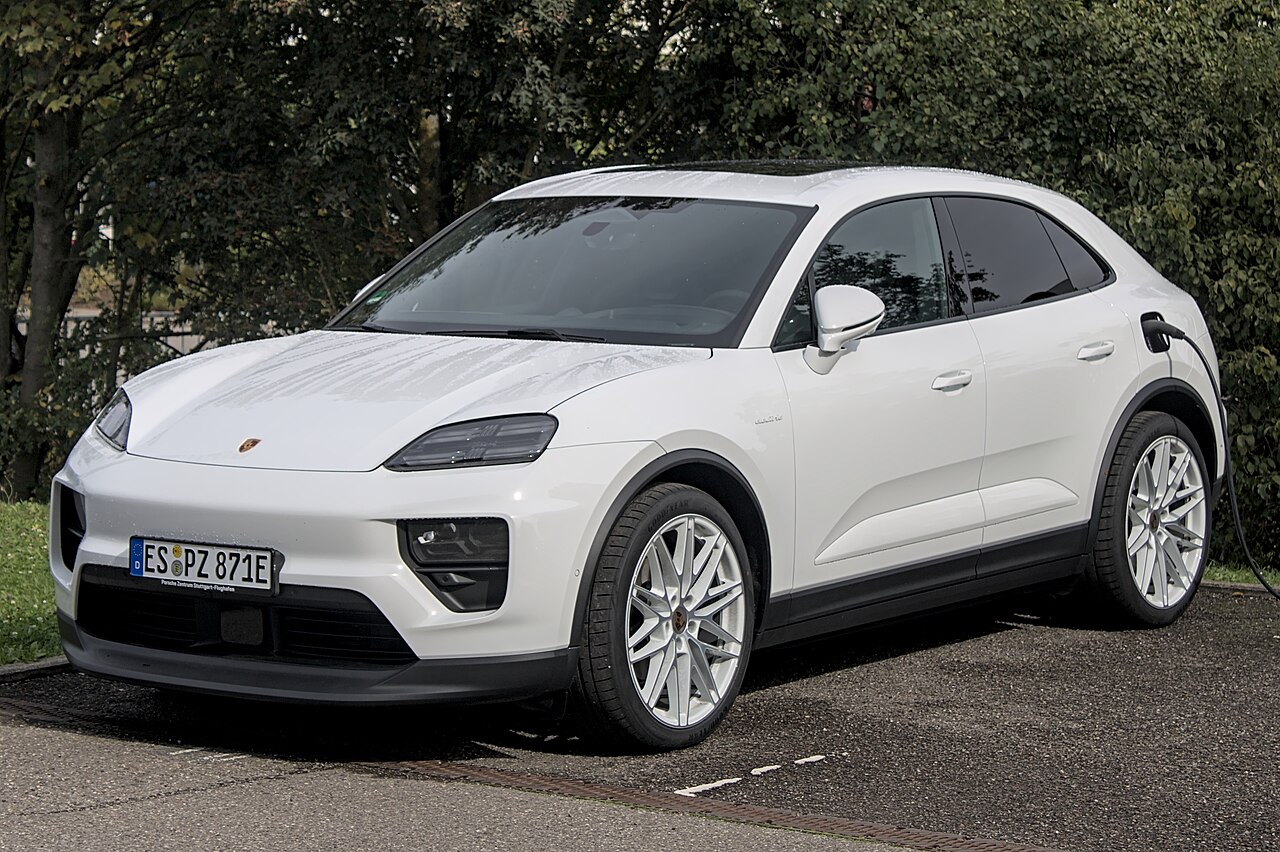
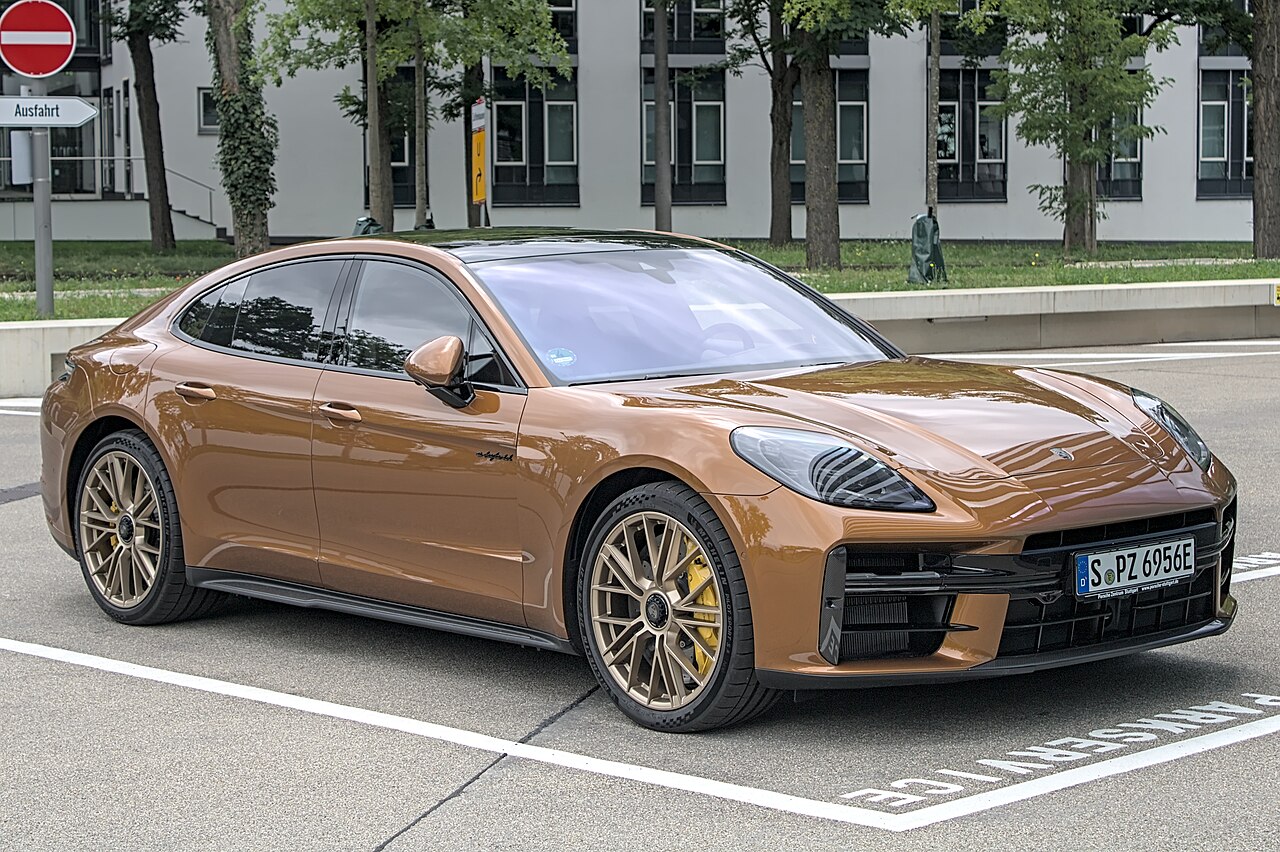
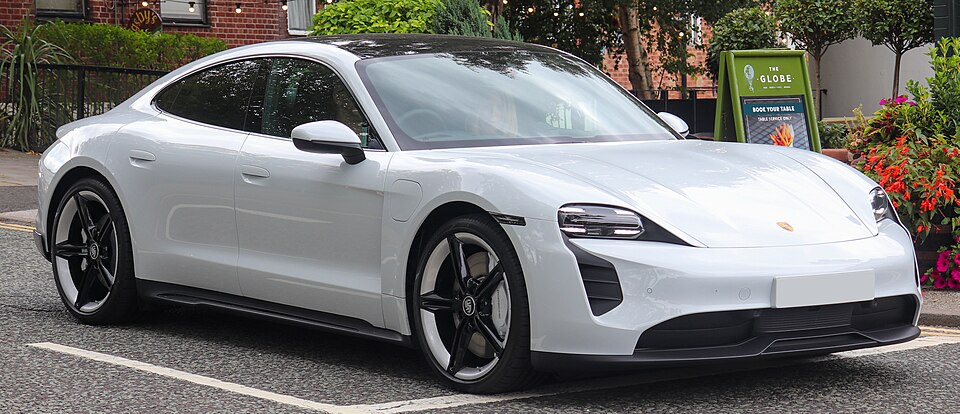
ExoticPorsche is the German engineering firm that built its identity around the rear-engine 911 and proceeded to convince two generations of enthusiasts that an apparently flawed layout (engine behind the rear axle) could produce one of the great driver cars of any era. The 911 has been in production since 1963 across eight generations: 911, 911 SC, 911 Carrera 3.2, 964, 993 (the last air-cooled), 996 (the first water-cooled, controversial in styling), 997 (widely considered the perfect modern 911), 991 (turbocharged from base trim onward in 2015), and current 992. Outside the 911, Porsche has built two equally significant alternative product lines. The transaxle cars (924, 944, 968, 928) of the 1970s and 1980s offered front-engine layouts and shared no parts with the 911. The Boxster and Cayman of the modern era (the entry-level mid-engine sports cars) have repeatedly won comparison tests against more expensive 911s. The Cayenne SUV launched in 2002 and saved the company financially during a difficult period; the Macan extended the SUV strategy to a smaller chassis. The Taycan (2019-present) is Porsche first electric vehicle and one of the most acclaimed EVs on the market. Genuine sport sedan dynamics, the brand performance heritage applied to electric architecture, and a clear roadmap for further electric models including the upcoming electric 718 and electric Macan. The 718 Cayman GT4 RS, the 911 GT3, the 911 GT3 RS, and the various Turbo S variants represent the modern peak of Porsche performance engineering. The GT3 program in particular is widely considered the benchmark for naturally aspirated track-focused road cars. On WhipJury, Porsche submissions are heavy on 911s (every generation, especially 996, 997, 992), 718 Caymans and Boxsters (especially GT4 and GT4 RS), Cayennes (especially Turbo and GTS variants), and the occasional 944 Turbo or 928 from the transaxle era.
Top Porsche cars on WhipJury
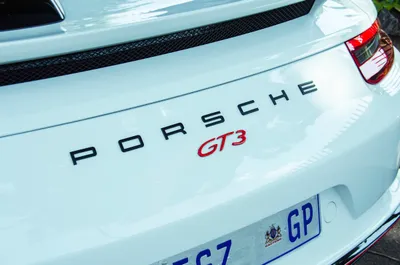
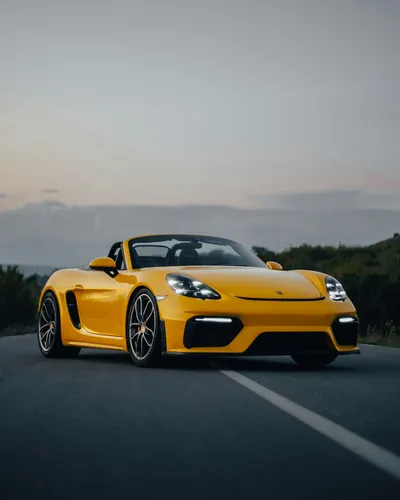
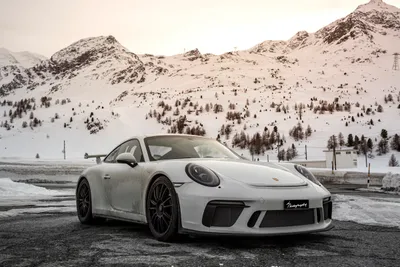
Porsche models we cover
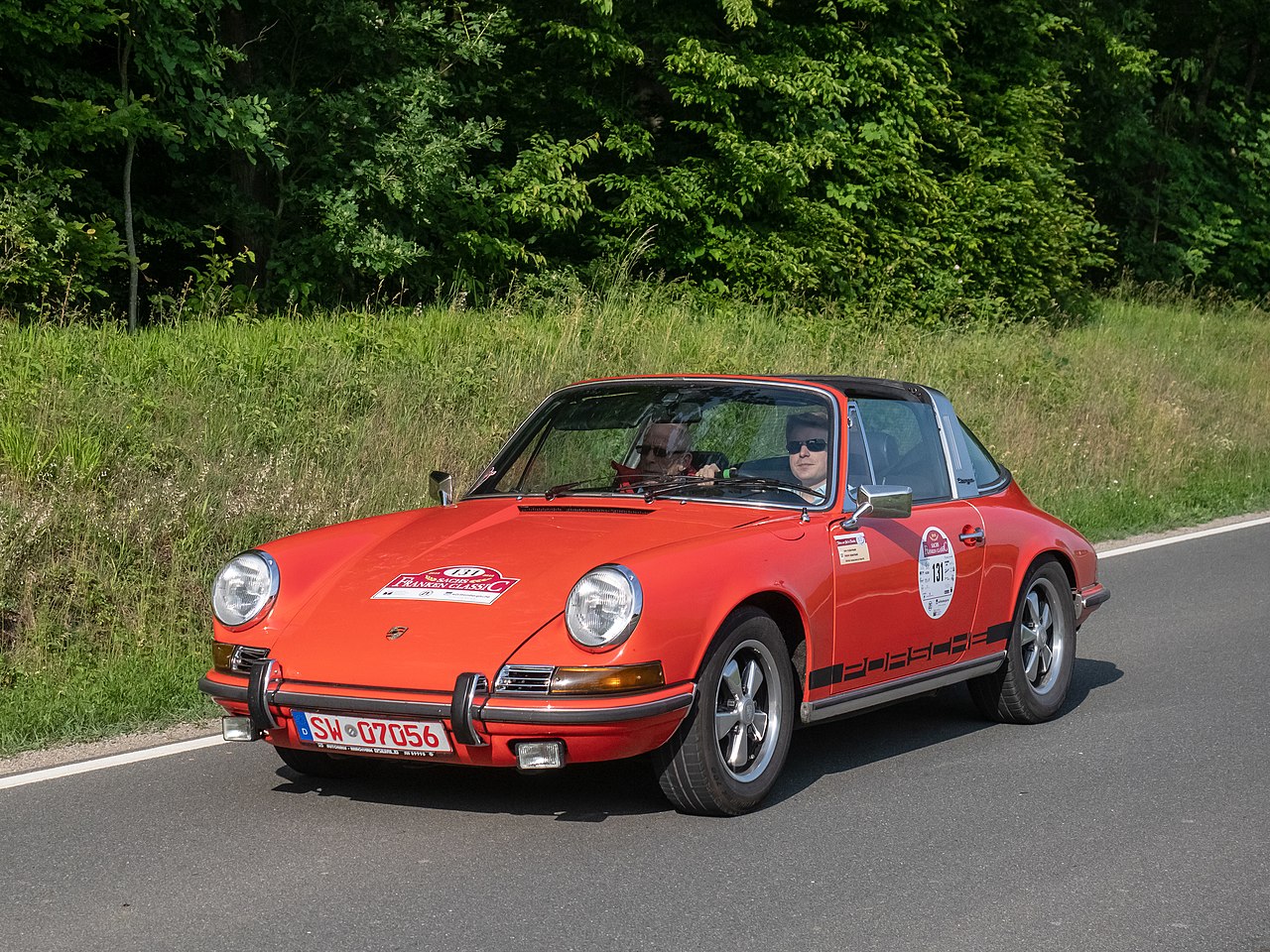
The 911 generations
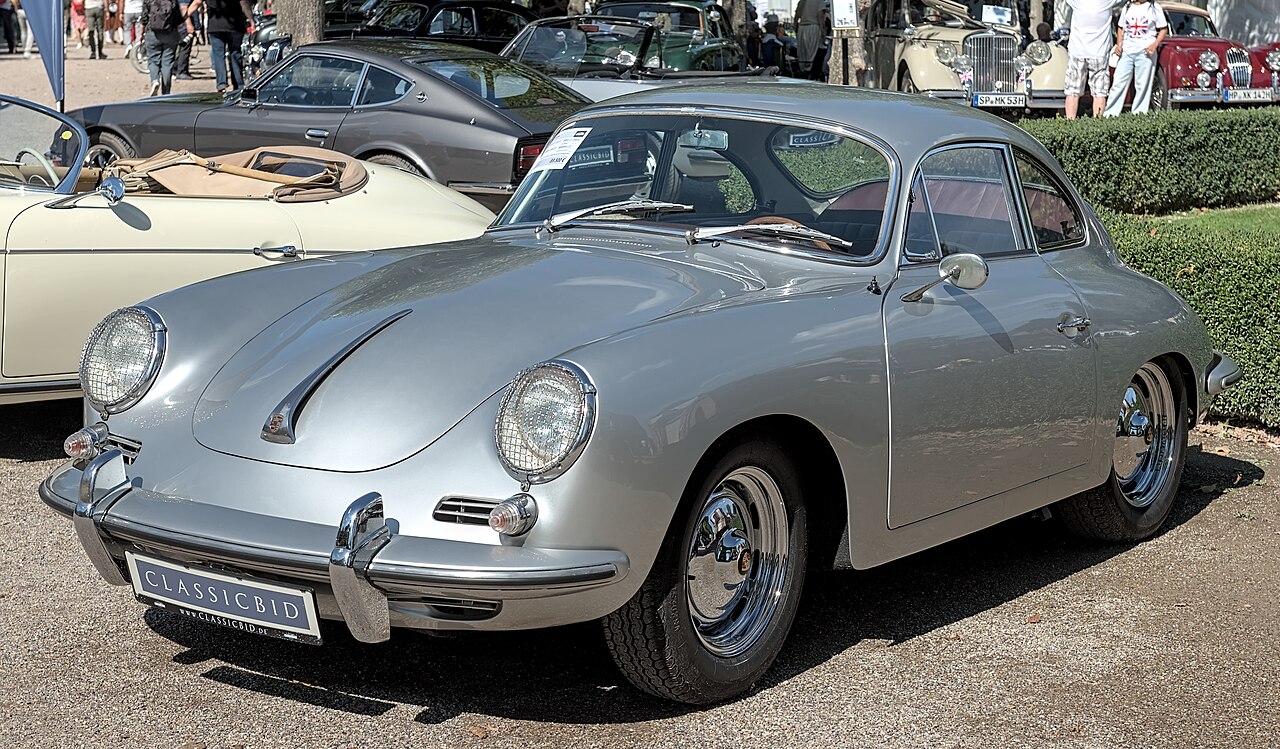
911/911E/911S (1963-1973). The original. Air-cooled flat-six, narrow body. Variants culminate in the 1973 Carrera RS 2.7, one of the most collectible 911s.
SC and Carrera 3.2 (1978-1989). Refined air-cooled era. The Carrera 3.2 in particular is considered the most reliable air-cooled 911.
964 (1989-1994). First 911 with all-wheel drive option (Carrera 4). Power steering. Air-cooled.
993 (1994-1998). Last air-cooled 911. Multi-link rear suspension. Widely considered the best-looking modern 911 by traditionalists.
996 (1998-2004). First water-cooled 911. Controversial fried-egg headlights. Suffered from intermediate shaft (IMS) bearing failures that hurt the reputation. Now appreciating as the entry-point modern 911.
997 (2004-2012). Restored classic 911 styling cues. The 997 GT3 and GT3 RS are widely considered the peak of naturally aspirated 911 development.
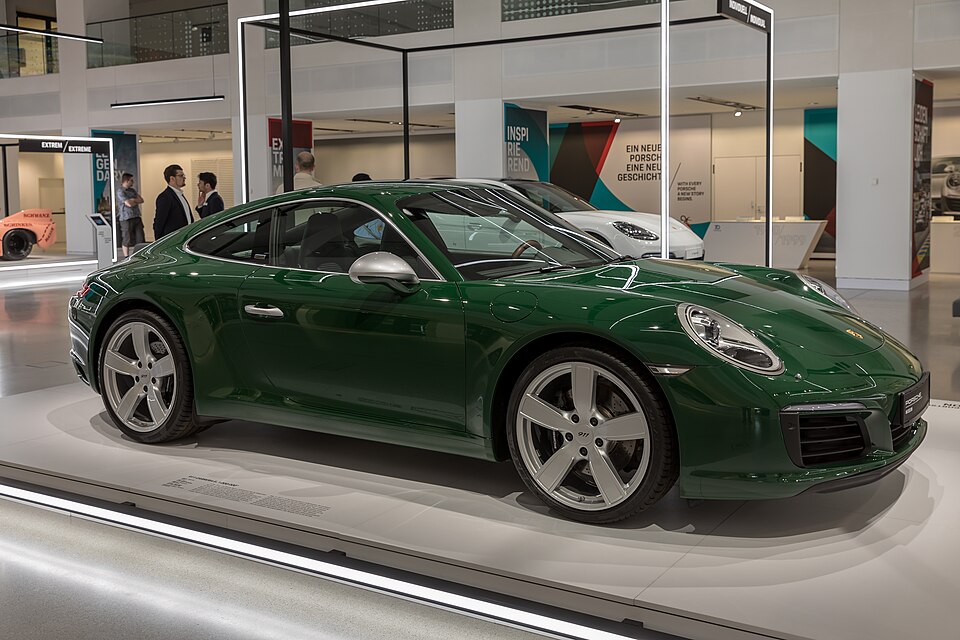
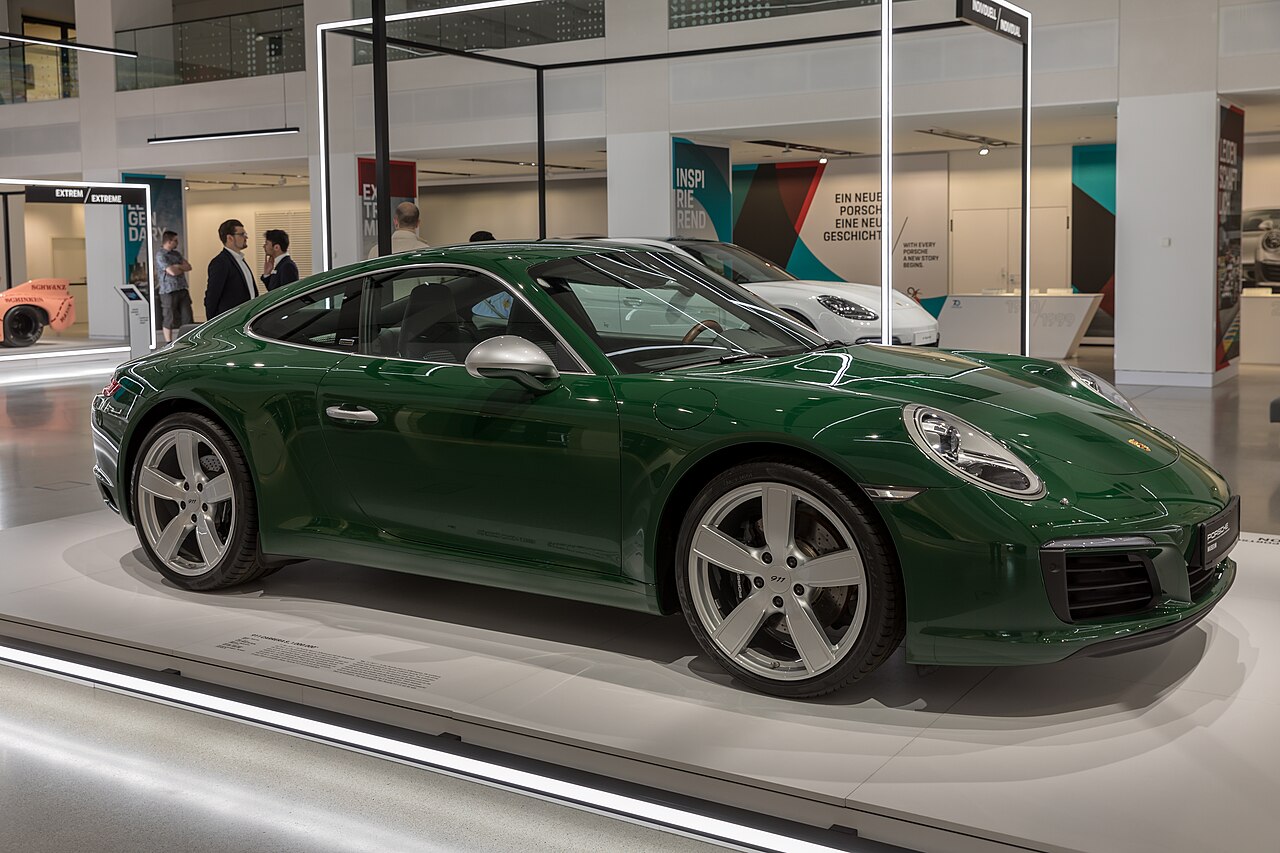
991 (2011-2019). First turbocharged base 911 (from 2015 onward). The 991 GT3 RS 4.0 and 991.2 GT3 are the standout variants.
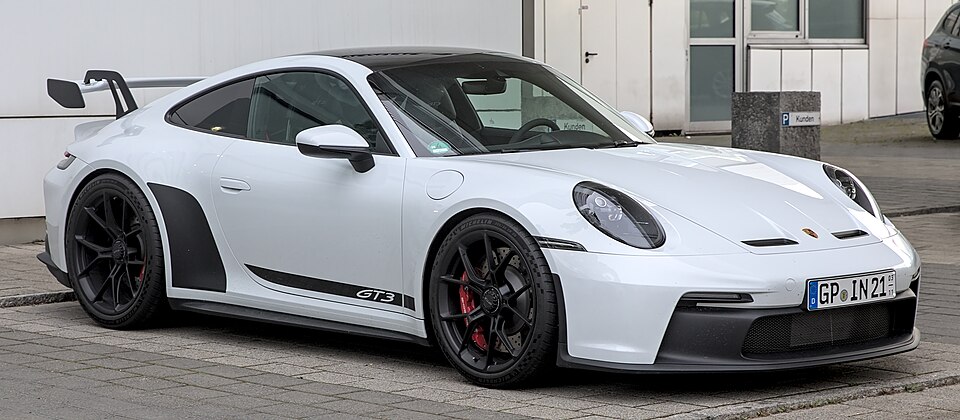
992 (2019-present). Current car. 911 GT3 with naturally aspirated 4.0 flat-six, 911 GT3 RS, 911 Turbo S, and 911 Sport Classic represent the modern lineup.
Porsche on WhipJury
Porsche submissions span the entire catalog. 996 and 997 are the most accessible used 911s and have strong representation. GT3 examples (especially 991 GT3 and 991 GT3 RS) reliably do well in voting. Classic 944 Turbos and the 928 have devoted followings. The Taycan and Macan EV represent the modern Porsche presence.