Lotus Cars
Exotic · 11 models

Add lightness. Colin Chapman engineering philosophy gave us the Elise, Exige, Esprit, Evora, and now the Emira and Eletre.
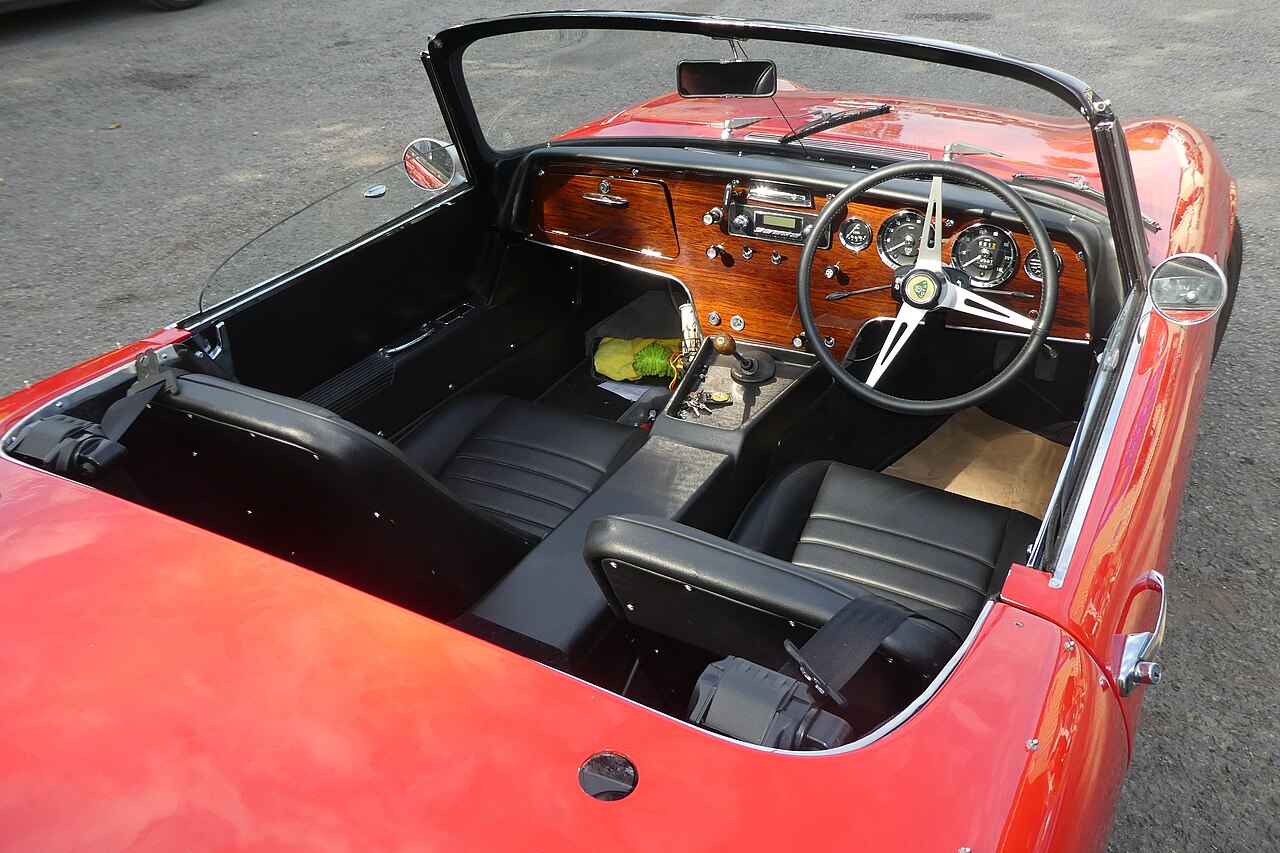
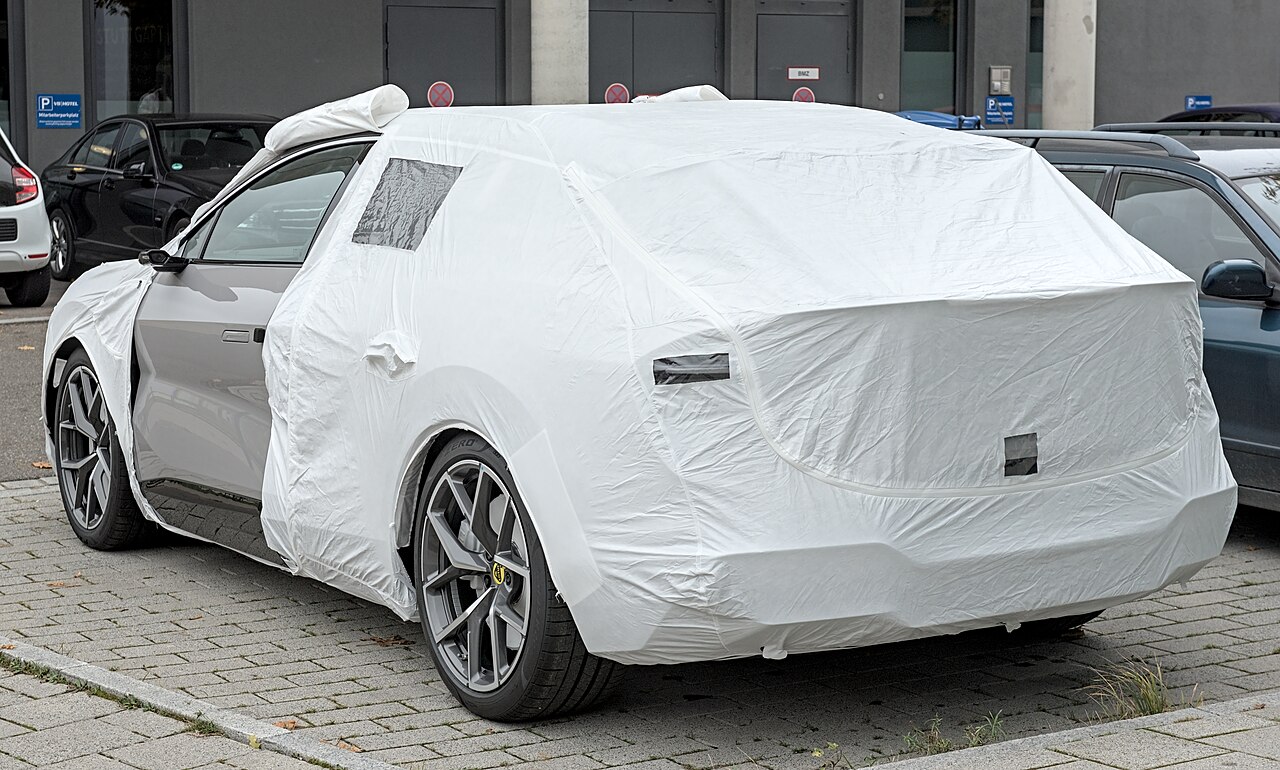
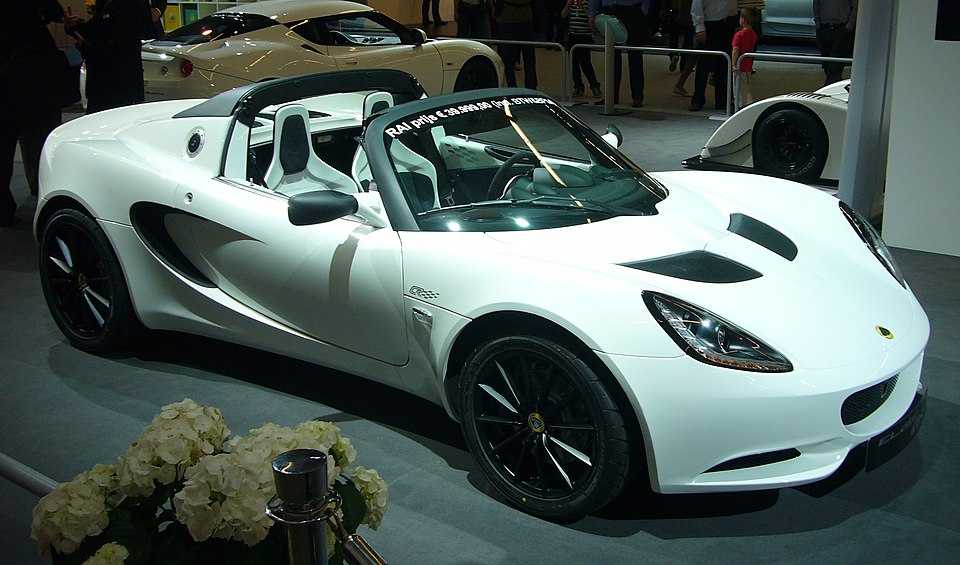
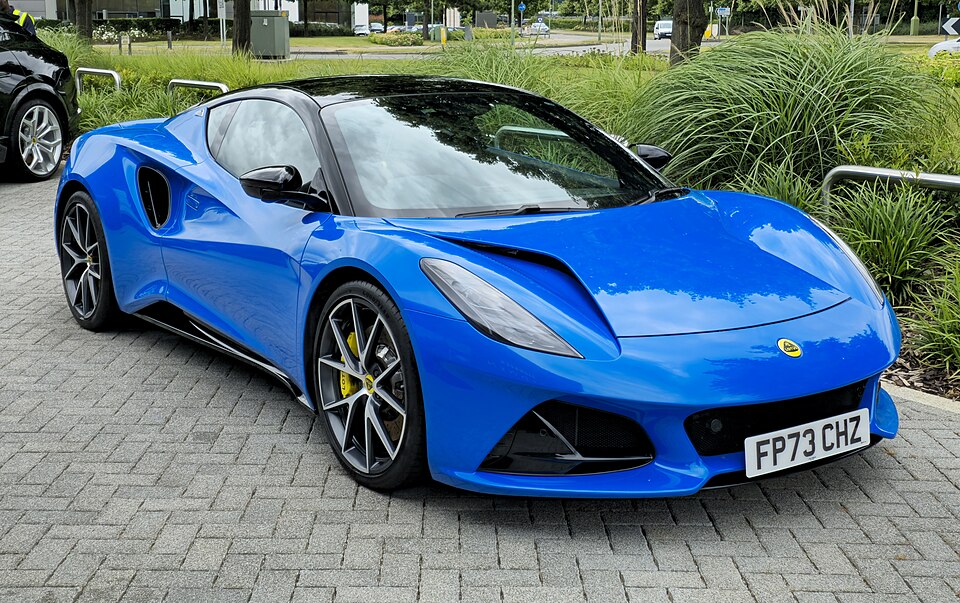
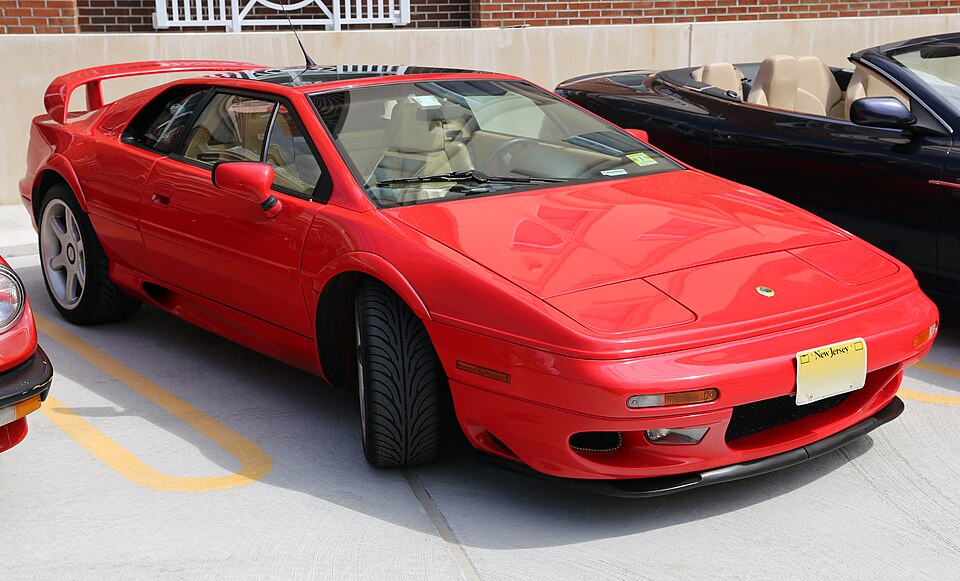
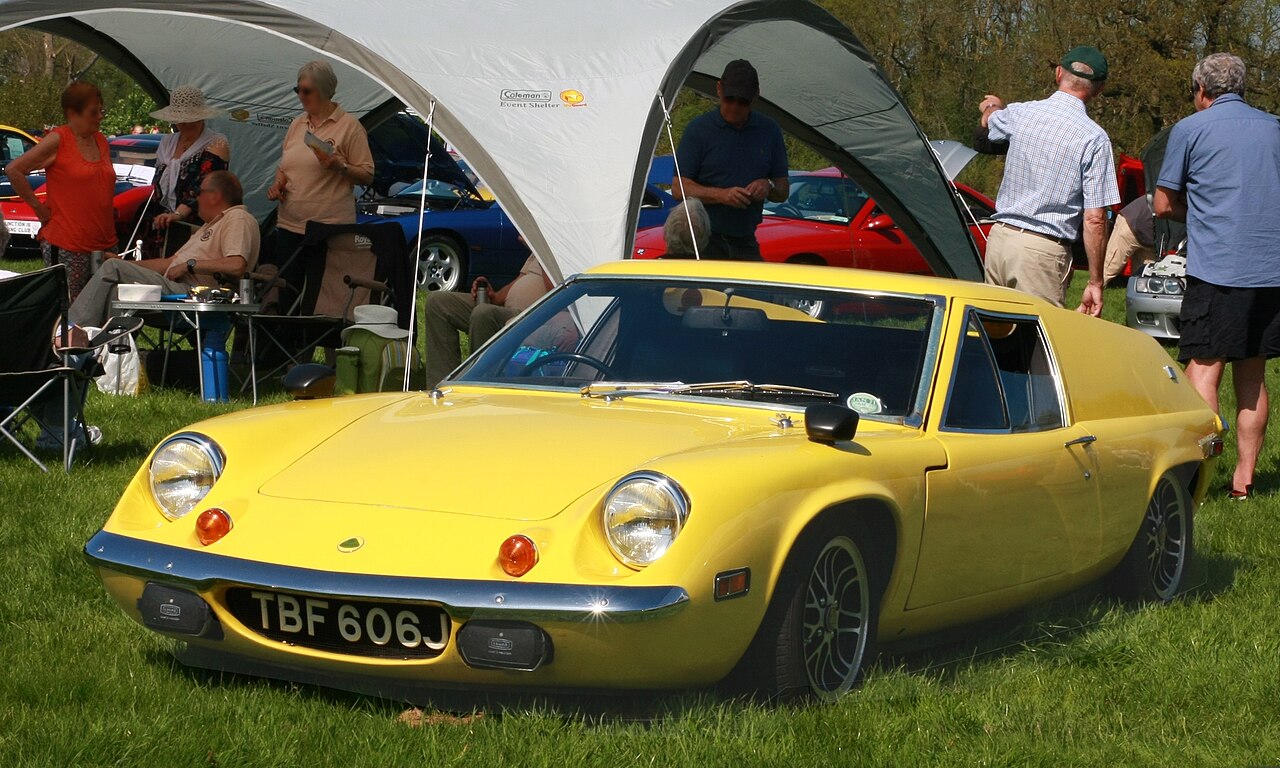
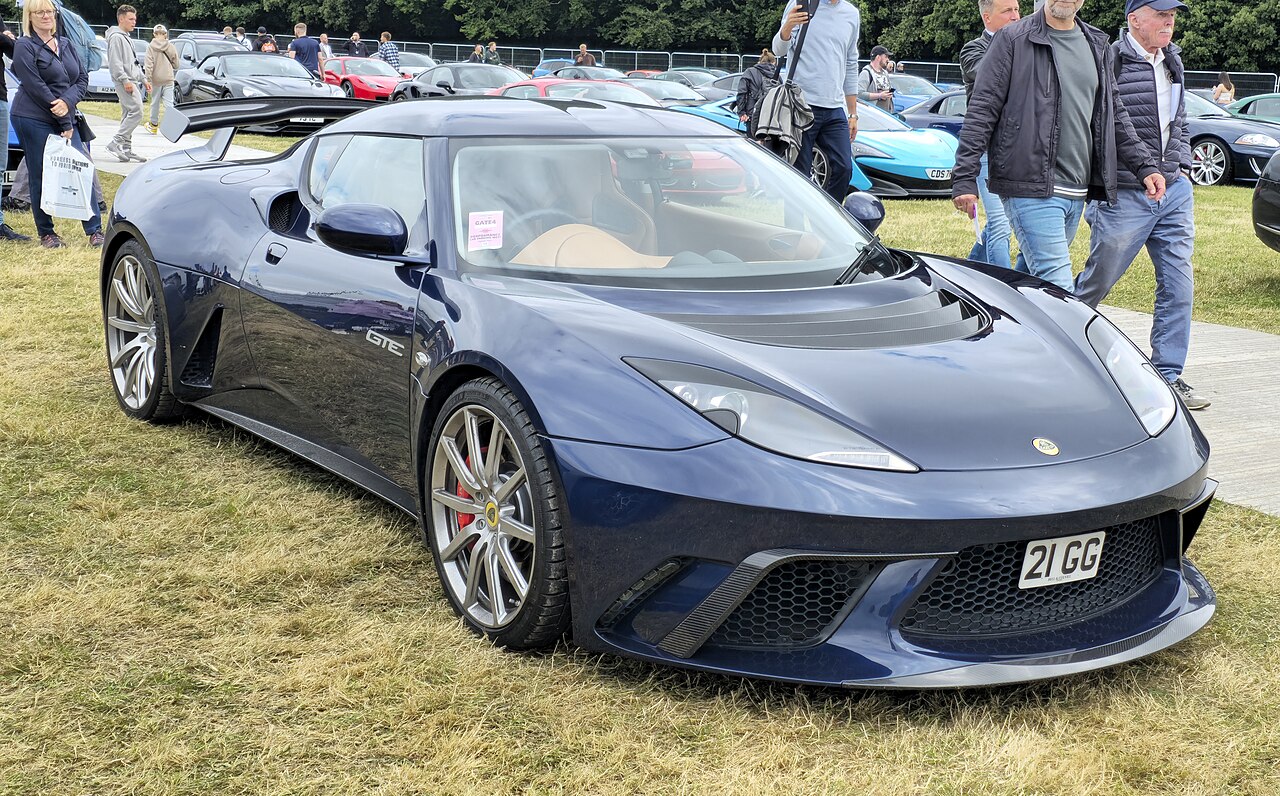
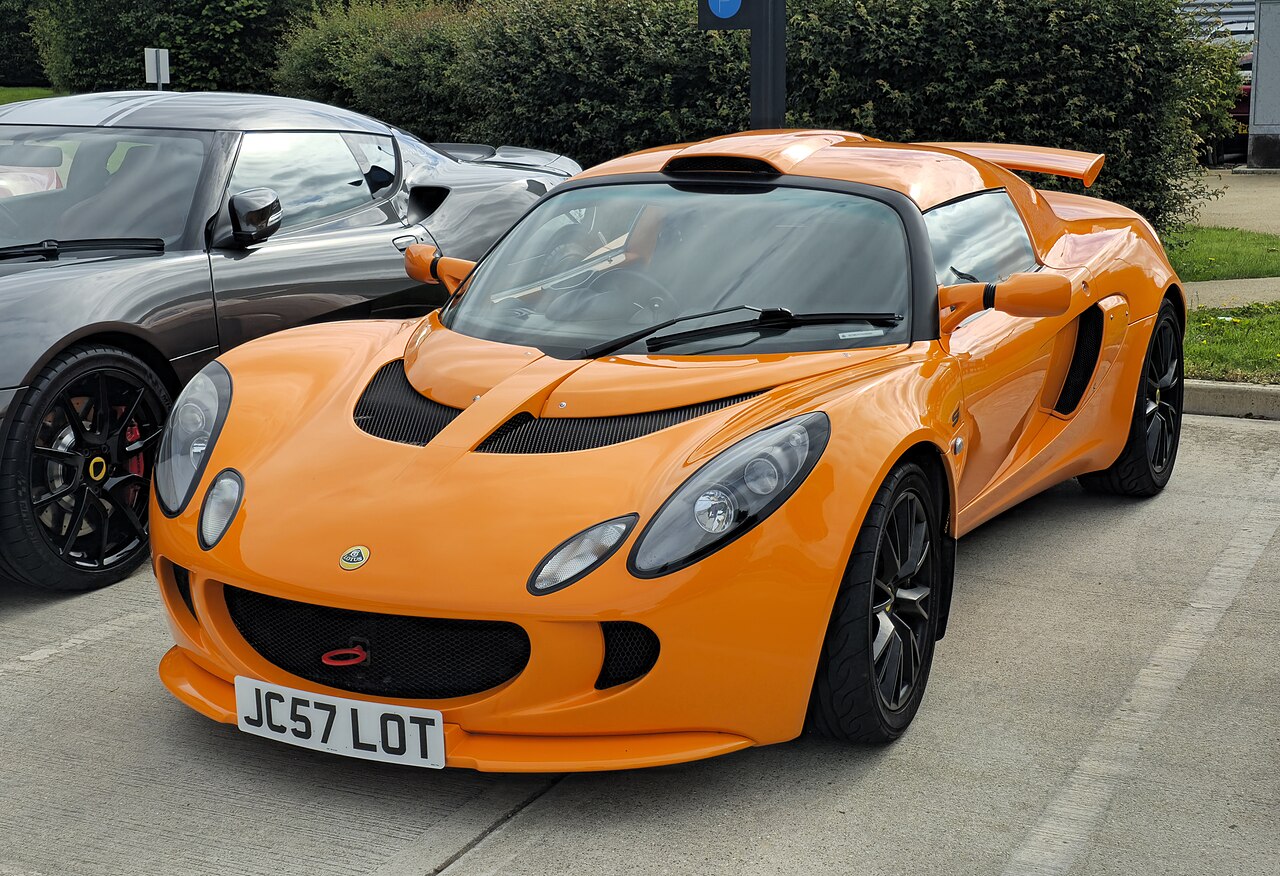
ExoticLotus is the British sports car brand founded by Colin Chapman in 1952. Chapman engineering philosophy was simple and revolutionary: "Adding power makes you faster on the straights. Subtracting weight makes you faster everywhere." Every Lotus has been engineered around lightness, with chassis weights significantly below segment competitors. The Elise of 1996 weighed under 1,500 pounds; the Exige derivatives extended the formula; the Evora added a 2+2 layout while remaining lighter than most two-seat competitors. The Esprit (1976-2004) was the brand long-running mid-engine supercar. Iconic wedge styling by Giorgetto Giugiaro, four-cylinder turbo or V8 depending on era, manual transmission throughout the run. The Esprit Turbo of 1980 is the most recognizable Esprit variant. Production ran 28 years across multiple variants. The Esprit was also the underwater car in the James Bond film The Spy Who Loved Me. The modern Elise/Exige/Evora generation defined Lotus from 1996 to 2021. The Elise S1 (1996-2001) was the most original and lightest. The Elise S2 and S3 added refinement while maintaining the formula. The Exige variants (S1, S2, S3) used the same chassis with more aggressive bodywork and more power. The Evora was the larger, more refined 2+2. The Emira (2021-present) replaced the Evora as Lotus current internal combustion sports car and is widely considered the brand best modern product. V6 supercharged or four-cylinder turbo, manual transmission optional, and chassis dynamics that have earned strong reviews. The Eletre SUV (2022-present) and Emeya sedan (2024-present) represent the brand transition to electric vehicles under Geely ownership. On WhipJury, Lotus submissions are heavy on Elise, Exige, and Evora variants. Esprits appear occasionally in restored form. The Emira has a small but growing presence as the cars age into the used market.
Lotus models we cover
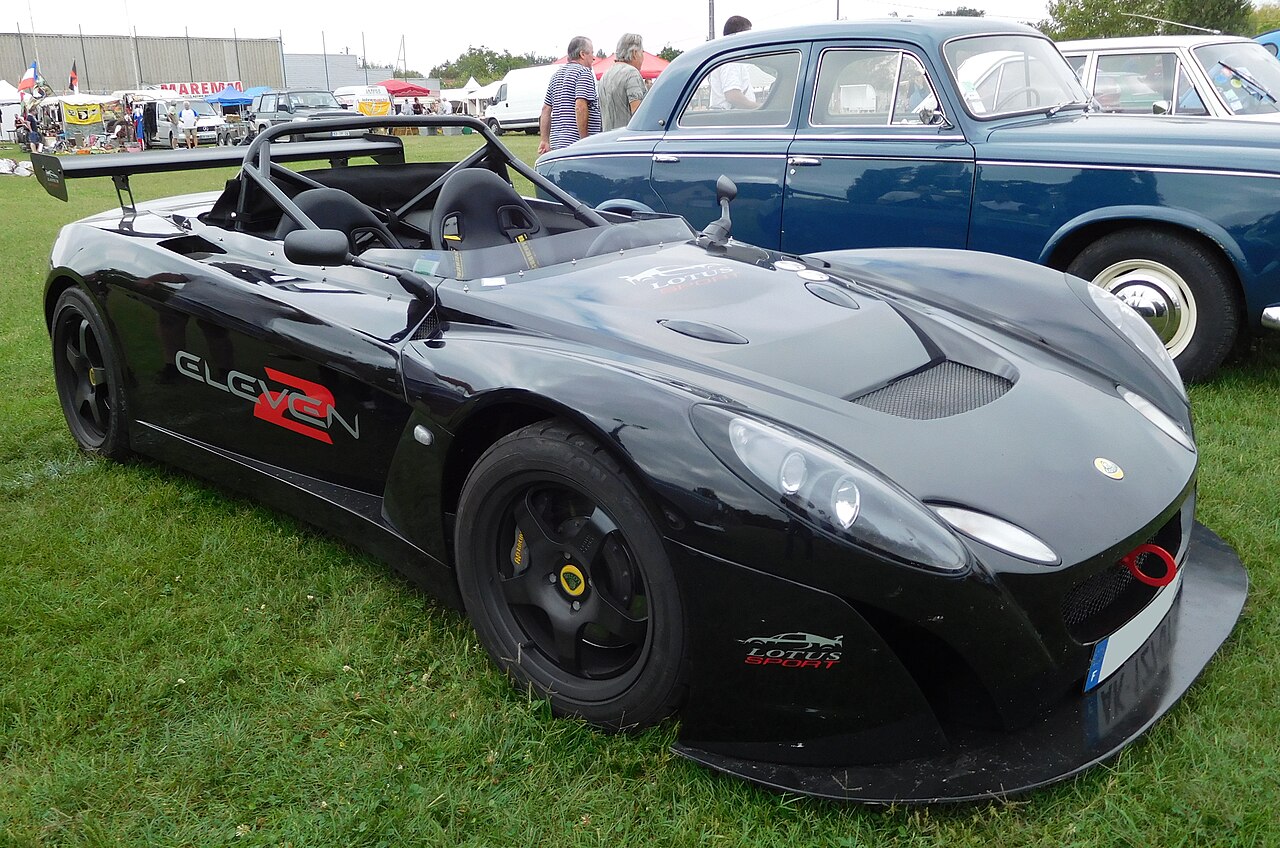
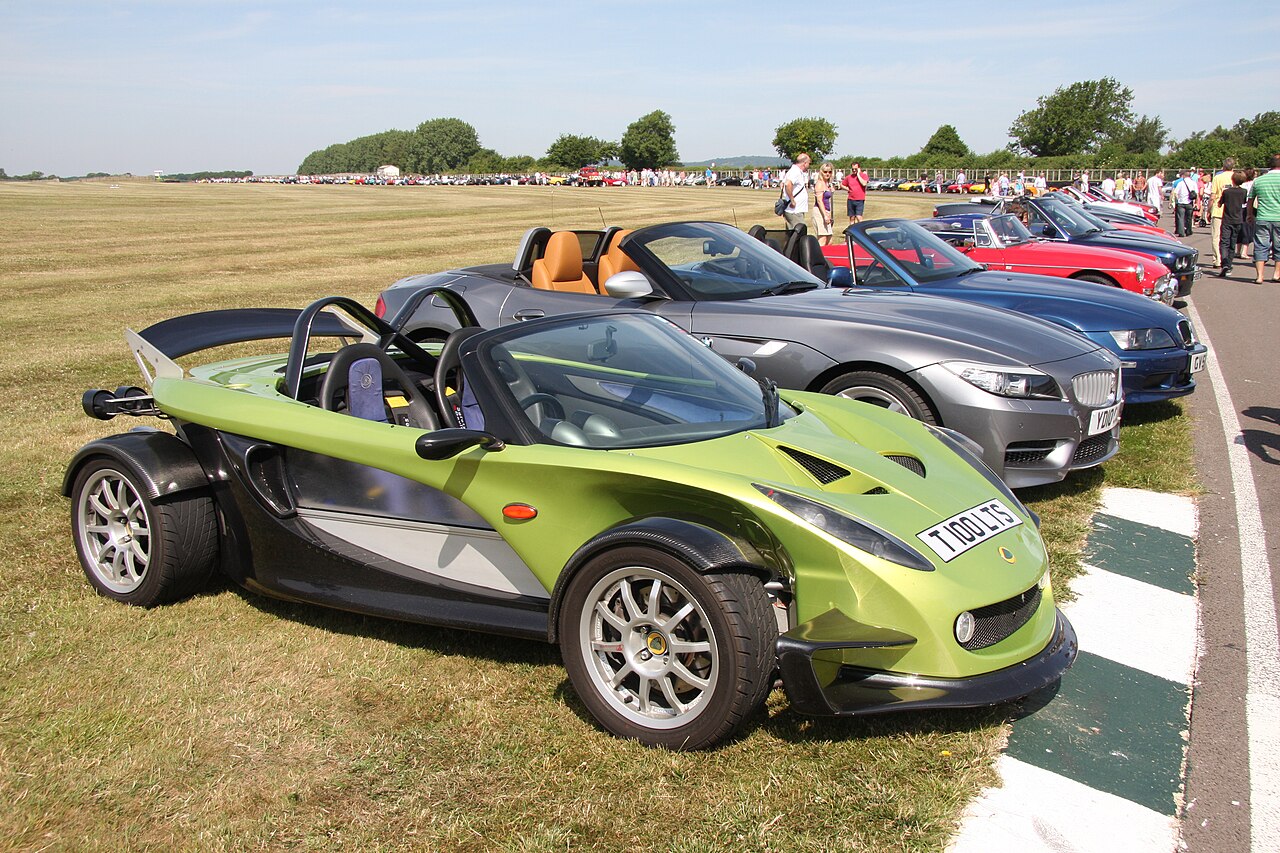
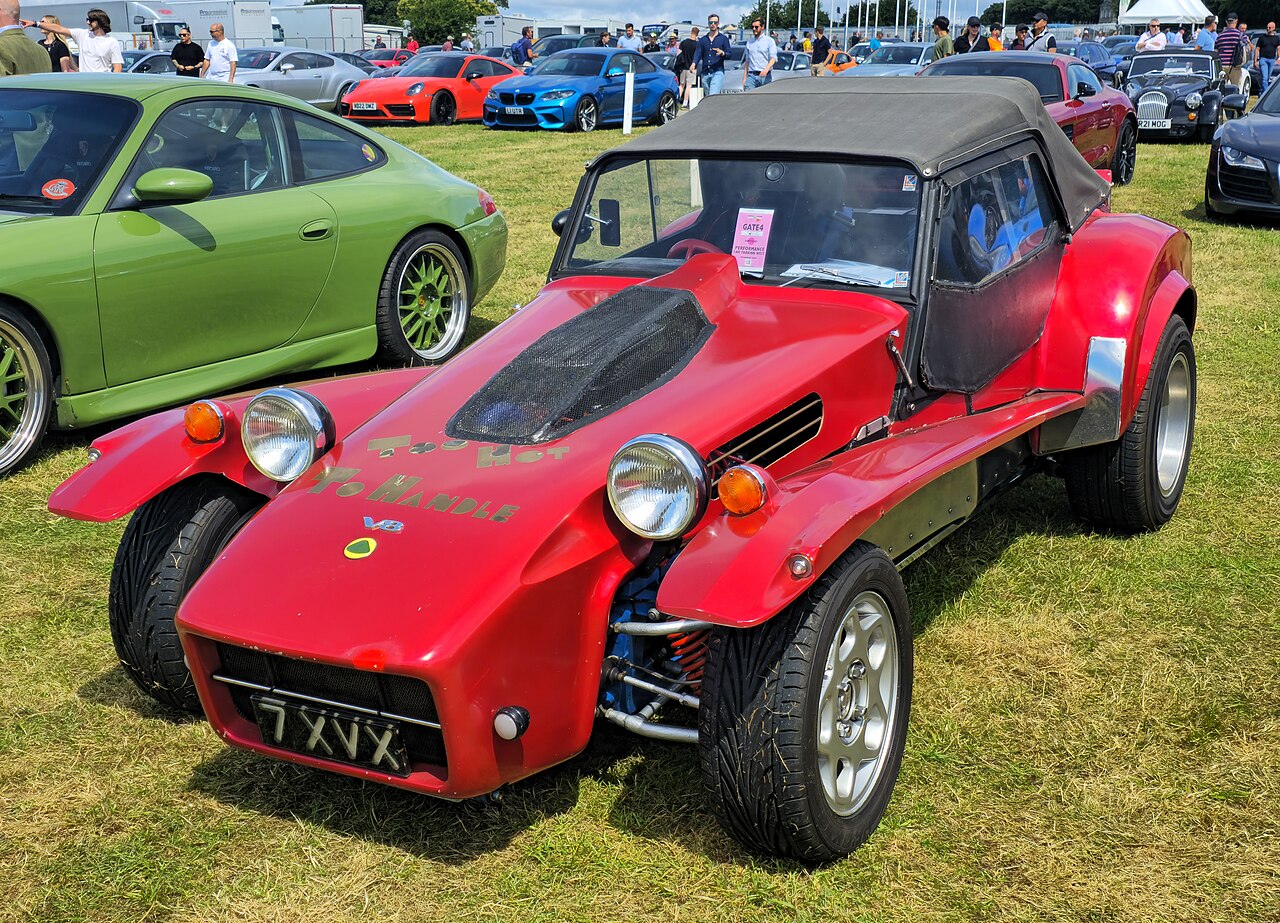
The Elise/Exige formula
The Elise S1 of 1996 used an aluminum extrusion-and-bonded chassis design that was revolutionary for the price point. Curb weight was around 1,500 pounds. Engines were initially Rover K-series 1.8 four-cylinder making 118 to 192 horsepower depending on variant. The chassis dynamics earned universal praise; the car was one of the most engaging driver cars at any price point. The Elise S2 (2001-2010) used Toyota 2ZZ-GE inline four engines (the same engines as the Toyota Celica GT-S). The Elise S3 (2011-2021) refined the formula further. The Exige variants used progressively more aggressive bodywork and supercharged versions of the same engines.
The Esprit
The Esprit had four major styling generations from 1976 to 2004. The original wedge-shaped Series 1, the round-wheel-arched Series 2 and 3, the smoother Stevens-redesigned Series 4, and the final Esprit V8 with its 3.5 twin-turbo V8 engine. Production ended in 2004 with no immediate replacement. The Esprit was Lotus mid-engine supercar for nearly 30 years.
Lotus on WhipJury
Elise S1 submissions reliably do well because of the chassis purity. Exige examples (especially supercharged variants) appear regularly. Evora submissions are common. Esprits are rare but always memorable. The community here recognizes Lotus engineering philosophy and appreciates that the cars actually drive the way the brochures promise.