Ferrari Cars
Exotic · 29 models

The 250 GTO. The F40. The Enzo. LaFerrari. Ferrari is the brand every other supercar maker is measured against.
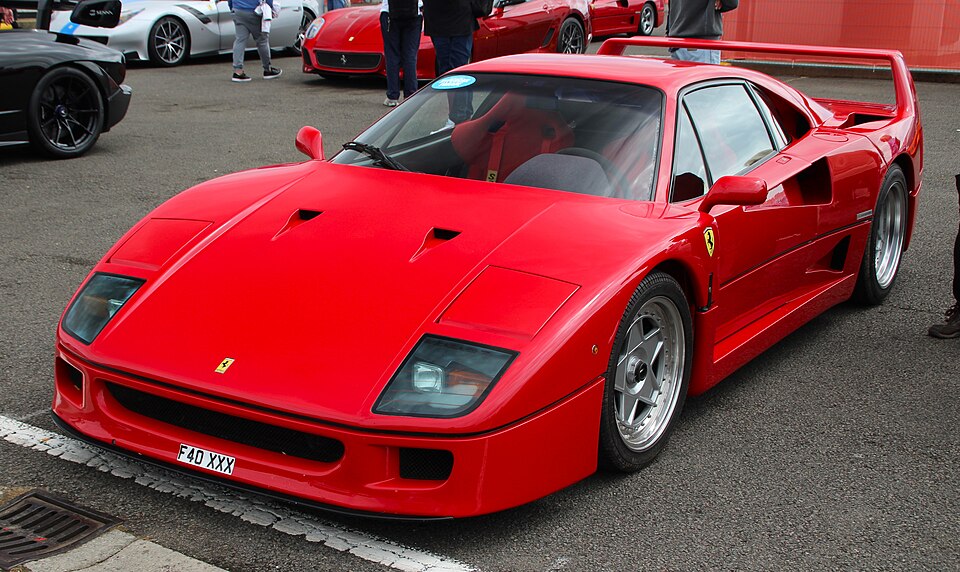
ExoticFerrari is the most culturally important supercar brand in the world. Founded by Enzo Ferrari in 1939 as Auto Avio Costruzioni and renamed Ferrari S.p.A. in 1947, the company has been the benchmark for Italian high-performance road and race cars for nearly 80 years. The brand competitive heritage runs continuously through Formula One (Ferrari is the oldest and most successful F1 constructor), endurance racing (multiple Le Mans wins), and various GT and sports car series. The road car catalog reads like a list of automotive milestones. The 250 GTO of 1962-1964 is widely considered the most valuable road car ever produced; clean examples have sold for over $70 million. The Daytona of the late 1960s. The 308 of the 1970s and 1980s (the original Magnum P.I. car). The F40 of 1987 (Enzo Ferrari last car, released for the company 40th anniversary). The 355, 360, 430, and 458 mid-engine V8 lineage. The 550 Maranello front-engine V12 grand tourer. The Enzo of 2002. The 599 GTB Fiorano. The LaFerrari hybrid hypercar of 2013. The current SF90 hybrid and 12Cilindri. The modern Ferrari lineup is divided between V8 mid-engine cars (the 296 GTB hybrid V6, the 488 and earlier 458 represent the mid-engine V8 line that recently transitioned to hybrid V6), V12 front-engine grand tourers (12Cilindri, 812 Superfast), the Roma and Portofino series (entry-level grand tourers), and the Purosangue (Ferrari first SUV-shaped vehicle, released in 2023). On WhipJury, Ferrari submissions are rare but always carry weight in voting. The most common are 458 Italias, F430s, 360 Modenas, and the occasional 488 or modern car. Classic Ferraris (308 GTB, 328, Testarossa) appear occasionally in restored or restomod form.
Top Ferrari cars on WhipJury


Ferrari models we cover


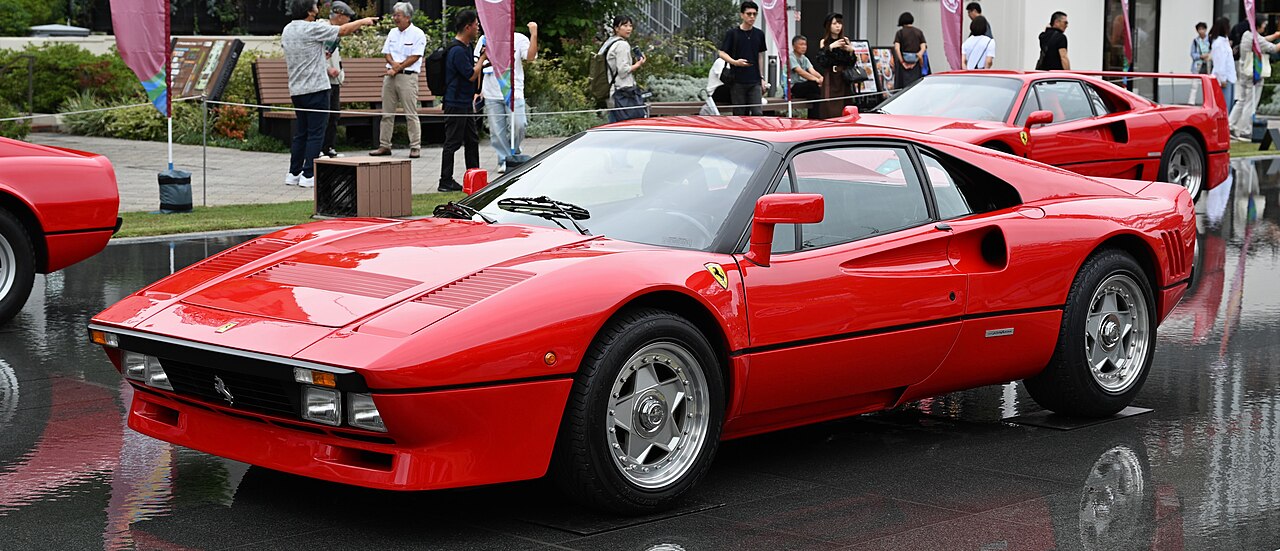




The mid-engine V8 lineage
308/328 (1975-1989). The first true Ferrari mid-engine V8 production line. The 308 GTB of Magnum P.I. fame, the 308 GT4 (the often-forgotten 2+2 variant), and the more refined 328 are the full lineup.
348 (1989-1995). First Ferrari with a transverse-mounted V8. Mixed reception (the chassis was criticized for snap oversteer).
355 (1994-1999). Major refresh. 5-valves-per-cylinder, 8,250 rpm redline, F1 transmission optional. The 355 is widely considered the connoisseur Ferrari V8.
360 Modena (1999-2005). Aluminum chassis, more refined V8, dual-clutch F1 transmission. The 360 Challenge Stradale is the track-focused variant and a cult favorite.
430 (2004-2009). Bigger 4.3 liter V8, 483 horsepower. The 430 Scuderia (2007) is the most respected variant.
458 Italia (2009-2015). Naturally aspirated 4.5 liter V8 making 562 horsepower, 9,000 rpm redline. The 458 Speciale (2013) is widely considered the peak of the naturally aspirated V8 era.
488 (2015-2019). First turbocharged V8 since the F40. 3.9 liter twin-turbo, 661 horsepower. The 488 Pista is the focused variant.
F8 (2019-2022) and 296 GTB (2021-present). Final V8 (F8) and current V6 hybrid (296). The mid-engine line has moved to hybrid V6 going forward.
Ferrari on WhipJury
Ferrari submissions reliably do well in voting. The 458 Italia and 458 Speciale are the most submitted modern Ferraris. F430s appear regularly. Older 360 Modenas and even 348s in restored form represent good entry points to Ferrari ownership. Classic 308s and Testarossas have devoted followings.
Frequently asked questions about Ferrari
Ferrari on the WhipJury blog
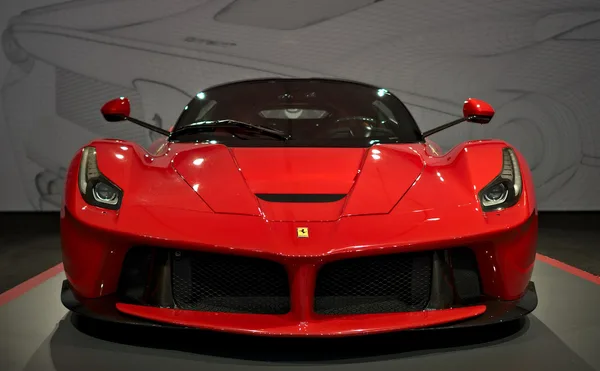
Ferrari built 500 LaFerrari coupes, one more than the famous 499, plus 210 open-top Apertas. Both extra cars were auctioned for charity. Here is how buyers were chosen, how many track-only FXX Ks exist, and what LaFerraris sell for at auction now.
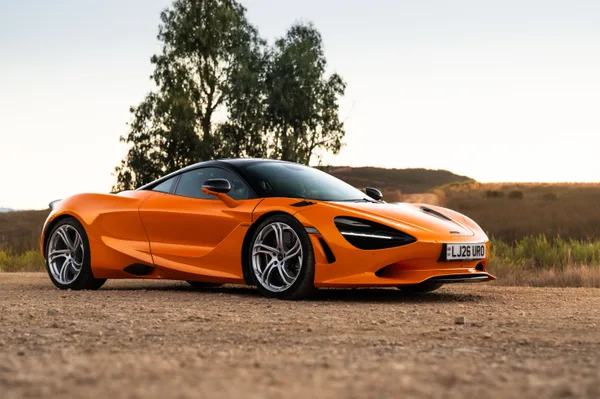
McLaren confirmed on October 30 that its next series supercar will be called the McL 820. The number is its output in metric horsepower, about 809 hp. It arrives in 2027 as the 750S bows out, and so far the only thing McLaren has shown is a kiwi statue.
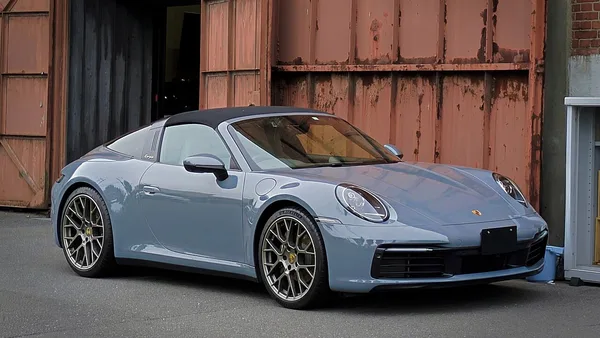
A targa top is a roof panel over the front seats that comes off while a fixed roll bar and the rear window stay put. Porsche launched it on the 911 in 1965 to answer US safety worries, named it after a Sicilian race, and still holds the trademark.
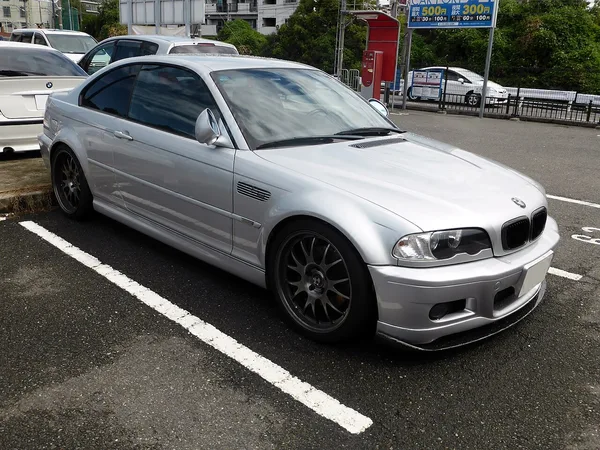
Individual throttle bodies give every cylinder its own throttle, right at the intake port. Lexus said the setup cut the LFA's response time to about half that of a single throttle. Here is how ITBs work, which factory cars used them, and what they cost.