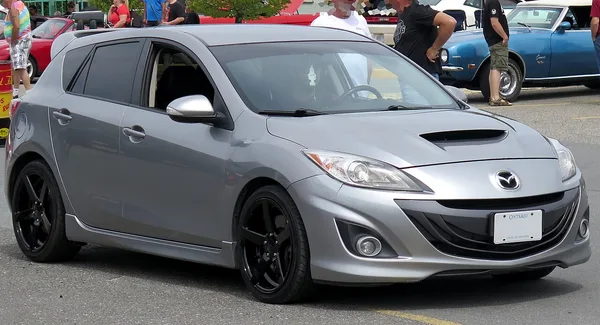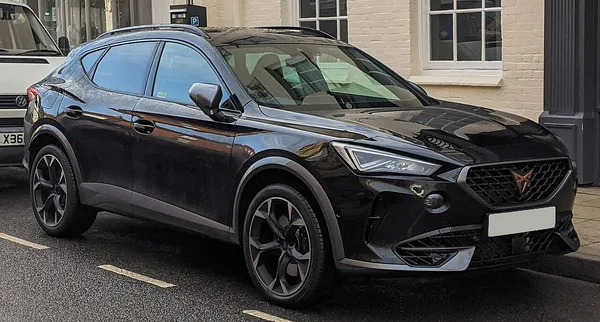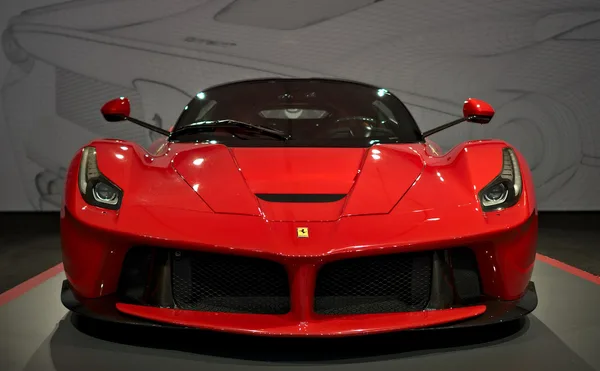
Nissan has built 13 generations of the Skyline since April 1957, and the 14th, known internally as the V38, debuts in December 2026. The first two were Prince cars. The fastest ones wore a GT-R badge through 2002, and in 2007 the GT-R left to become its own model. Each generation below gets its chassis code, years, nickname, key engine, and look. The round taillights most people tie to the GT-R started on a family coupe. Nissan says the four ring-shaped lamps, modeled on a jet engine nozzle, first appeared on the 1972 C110. Why Americans care about a car they mostly couldn't buy is covered in the most talked-about car most Americans never drove.
The Prince cars and the 1970s Skylines
ALSI (1957 to 1963), the first Prince Skyline. Prince Motors launched it in April 1957 as a premium sedan. The Deluxe, code ALSID-1, used the GA30, a 1,484cc four-cylinder making 60 PS, and its 125 km/h top speed was the fastest of any Japanese car. It looked American, with chrome side moldings and a small tail fin. Four headlamps arrived in February 1960.
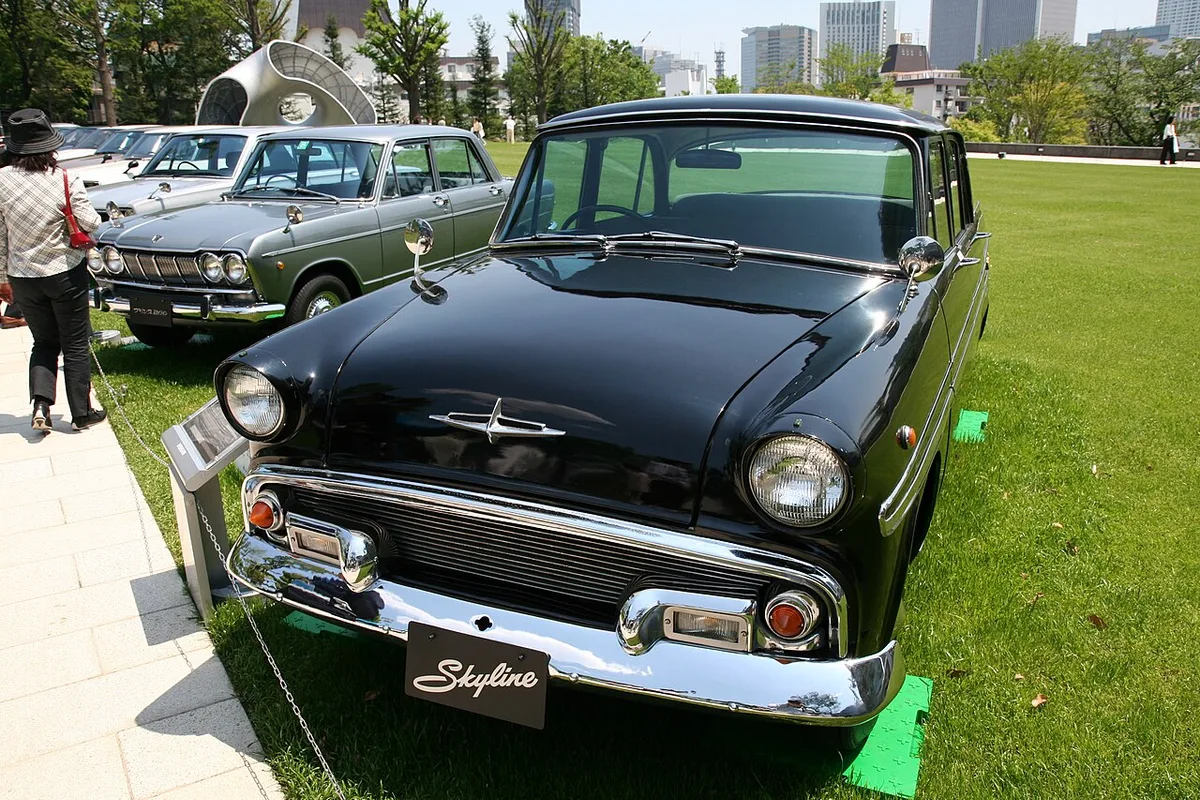
S50 and S54 (1963 to 1968), the first Skyline GT. The 1963 S50 shrank into a small family sedan with a monocoque body and a 70 PS, 1.5-liter four. The S54 Skyline GT followed in March 1964. According to The Drive, it had a longer nose and a straight six, and at Suzuka that year it briefly led a Porsche 904 before finishing second. The 125 PS 2000GT of February 1965 reached 180 km/h, and Prince's catalog called it "a wolf in sheep's skin."
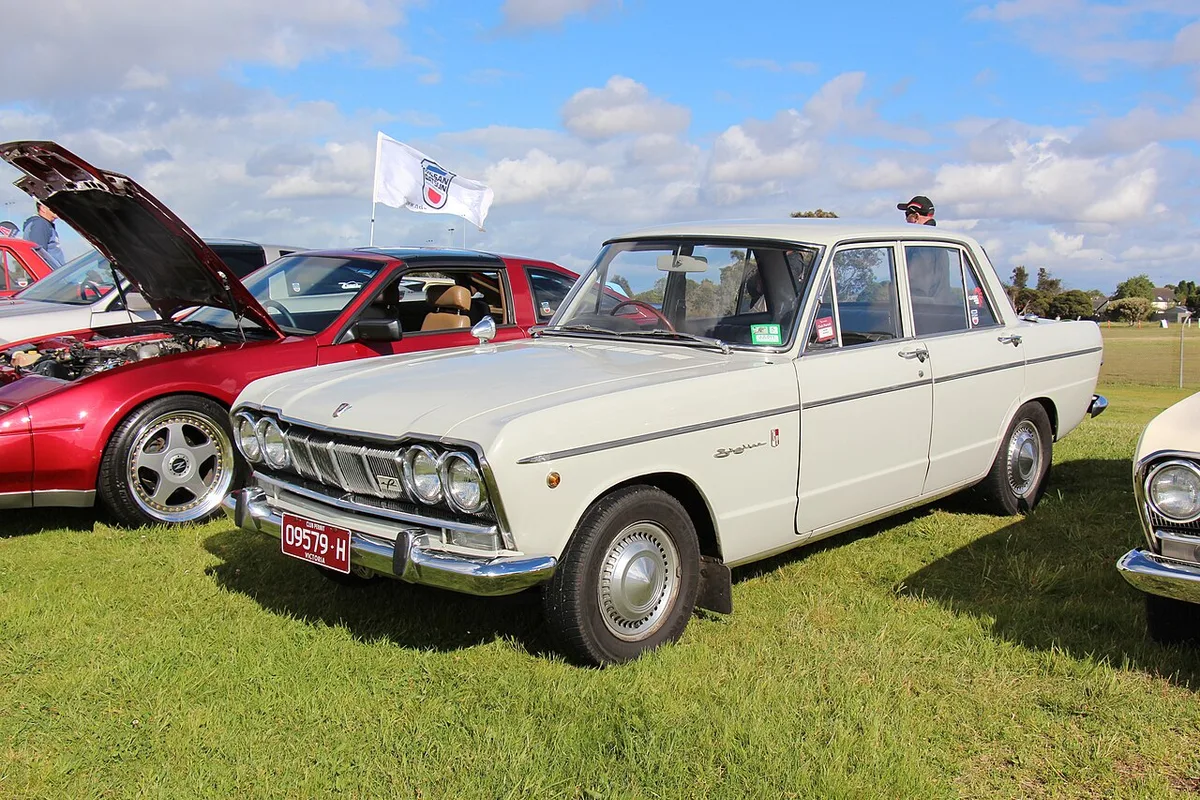
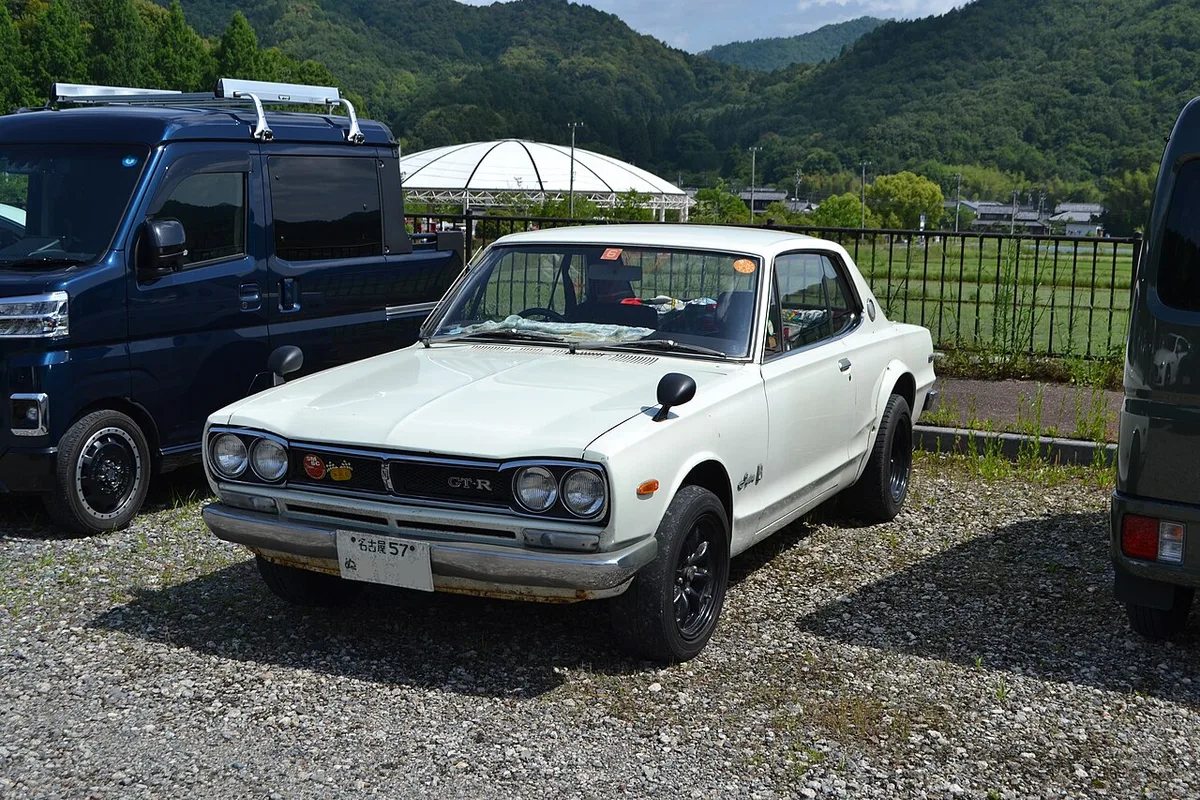
C10 (1968 to 1972), "Hakosuka." The third generation arrived in August 1968 as the first Skyline after Nissan merged with Prince. The nickname means "boxy Skyline," and Nissan points to the wide, low, edgy body and the "Surfin' Line" crease over the rear wheel. The 2000GT-R sedan (PGC10) came in February 1969 with the S20, a four-valve twin-cam inline six derived from the R380 race car. The two-door KPGC10 followed in 1970 on a wheelbase 70 mm shorter. Nissan counts 52 race wins before its works team withdrew in October 1972, and Hagerty notes the old saying, "Skyline's only rival is Skyline."
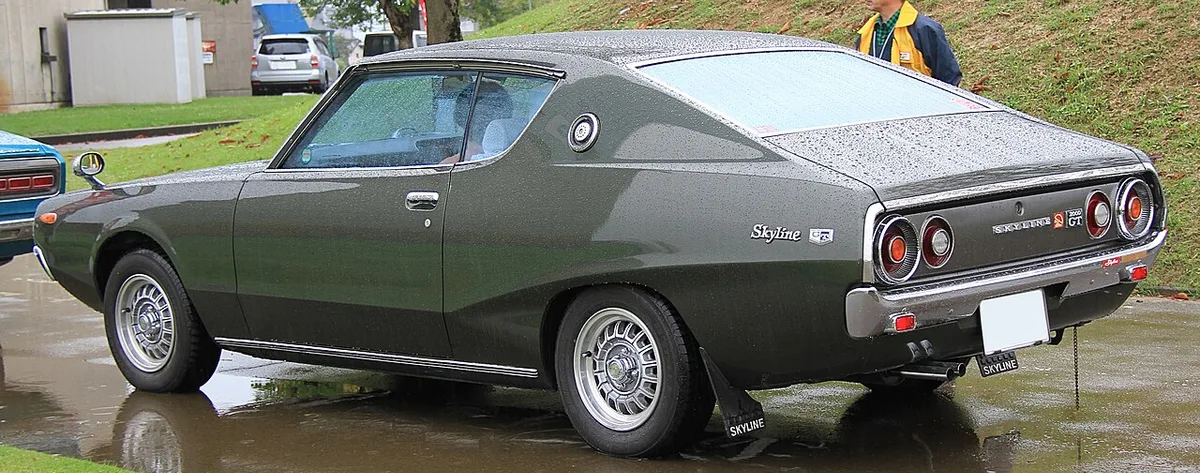
C110 (1972 to 1977), "Kenmeri." The name comes from the "Ken & Mary's Skyline" ad campaign, and Nissan says more than 660,000 sold, the most of any generation. The body grew, and the sharp Surfin' Line softened into a rounder shape. This is where the four round taillights began. Most cars used the 2.0-liter L20 inline six, later fuel-injected as the L20E. The KPGC110 GT-R was built only from January to April 1973 before tighter emissions rules ended it. Nissan says fewer than 200 were made, and Hagerty puts the number sold at 197.
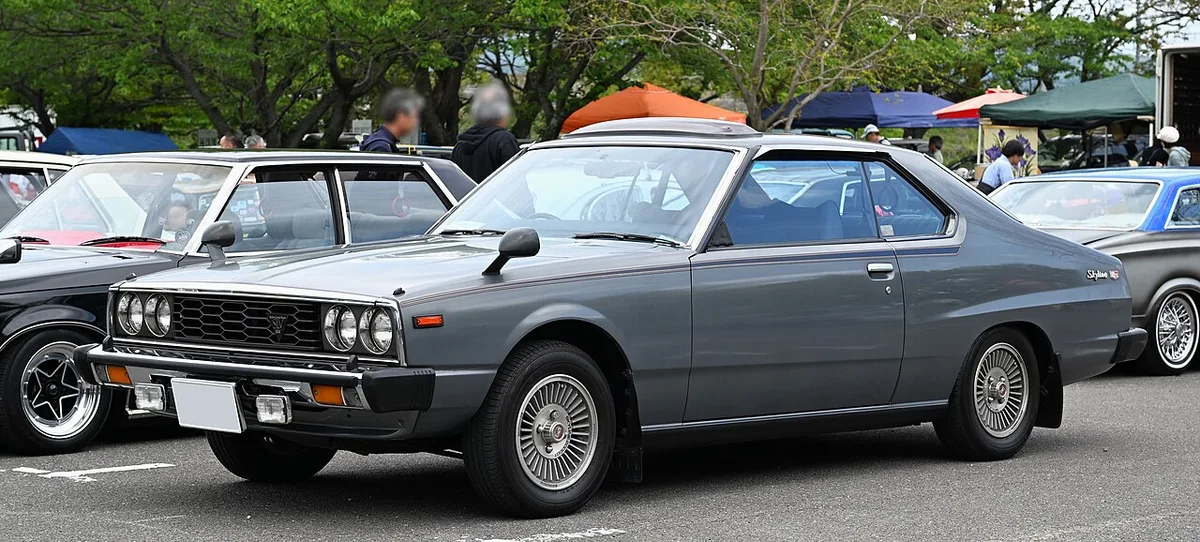
C210 (1977 to 1981), "Japan." Nissan's heritage pages trace the nickname to the ad copy "Skyline Japan." Its straight, sharp body lines called back to the C10. This was the emissions era, which Nissan calls the hardest time in Skyline history, and the GT-R stayed on the shelf. A 145 PS turbo GT-E arrived in 1980.
The R cars and the GT-R comeback
R30 (1981 to 1985), "Newman Skyline" and "Iron Mask." Paul Newman fronted the ads, which gave the car its first nickname. The 2000RS brought the FJ20E, a four-valve twin-cam four, and Nissan billed the 190 PS Turbo RS of 1983 as the most powerful Skyline yet. An August 1983 facelift removed the grille on RS models, and that blank face earned the second name.
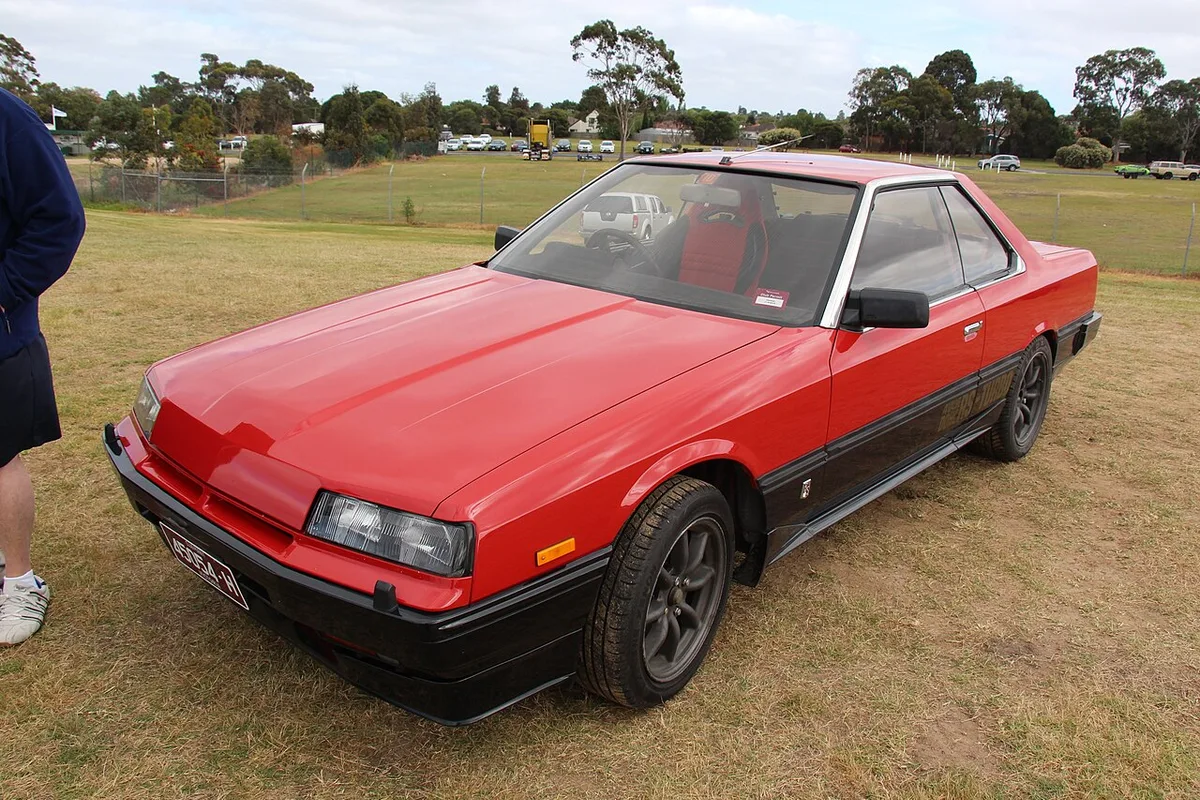
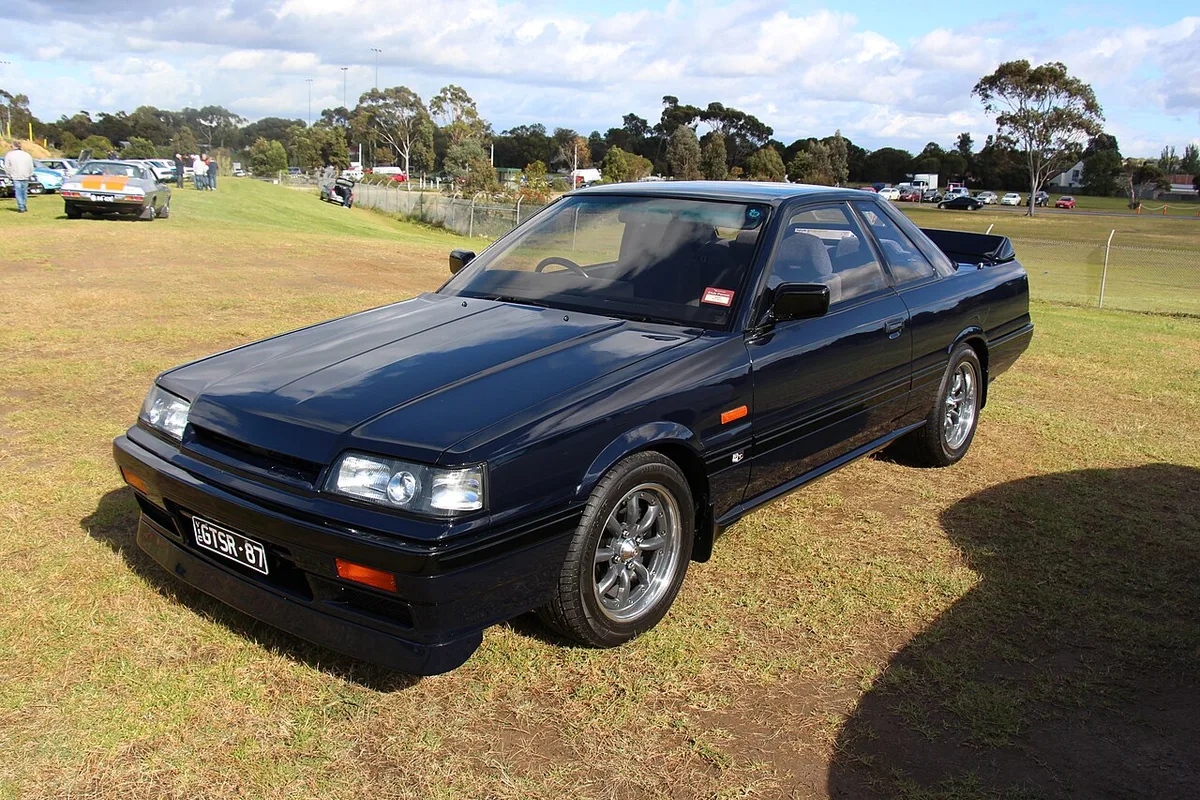
R31 (1985 to 1989), "Seventh" or "Seven." Nissan's own heritage pages use both names. It launched on August 19, 1985, with the RB20DET twin-cam turbo six and HICAS, which steered the rear wheels up to half a degree. Nissan concedes critics felt the bigger body and missing two-door didn't suit a Skyline. The coupe came in May 1986, and the 210 PS GTS-R of 1987, limited to 800 cars, was the homologation base for Group A racing.
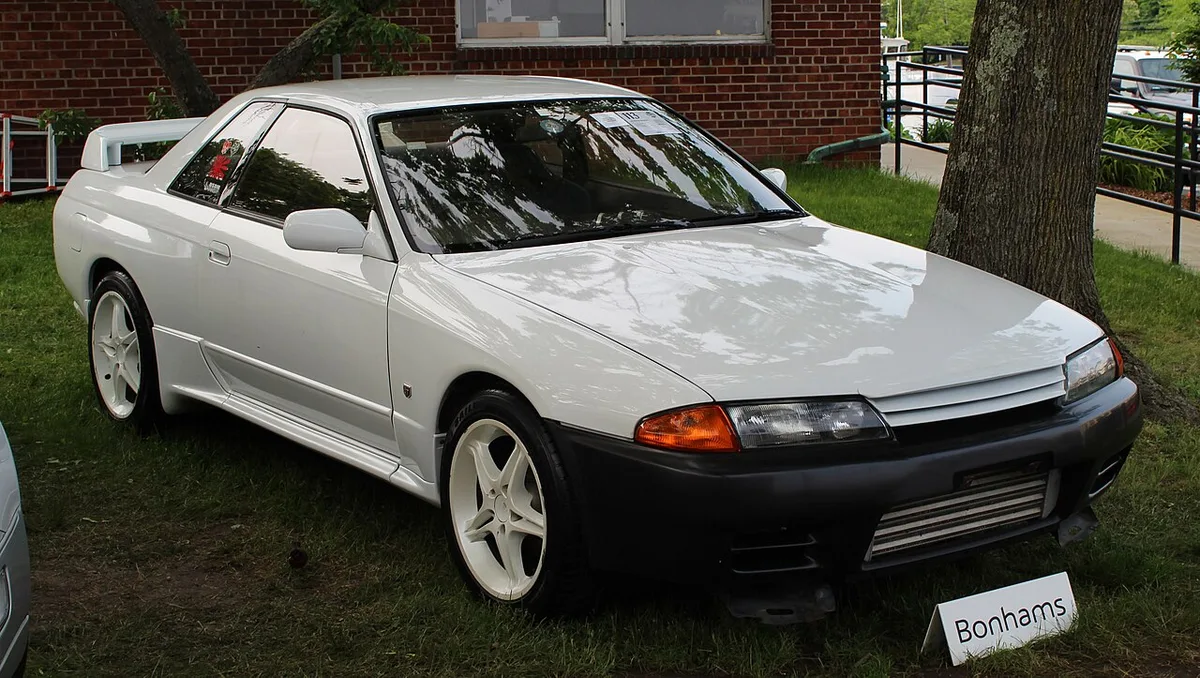
R32 (1989 to 1993), the GT-R returns. The eighth generation launched in May 1989, and the R32 GT-R followed that August, 16 years after the last one. It used the RB26DETT, a 2.6-liter twin-turbo inline six rated at 280 PS, with ATTESA E-TS all-wheel drive. The body got smaller, which many fans took as a return to form. In Japanese touring cars, the GT-R won 29 times from 1990 through 1993 without a loss. Our RB26 vs. 2JZ comparison covers the engine.
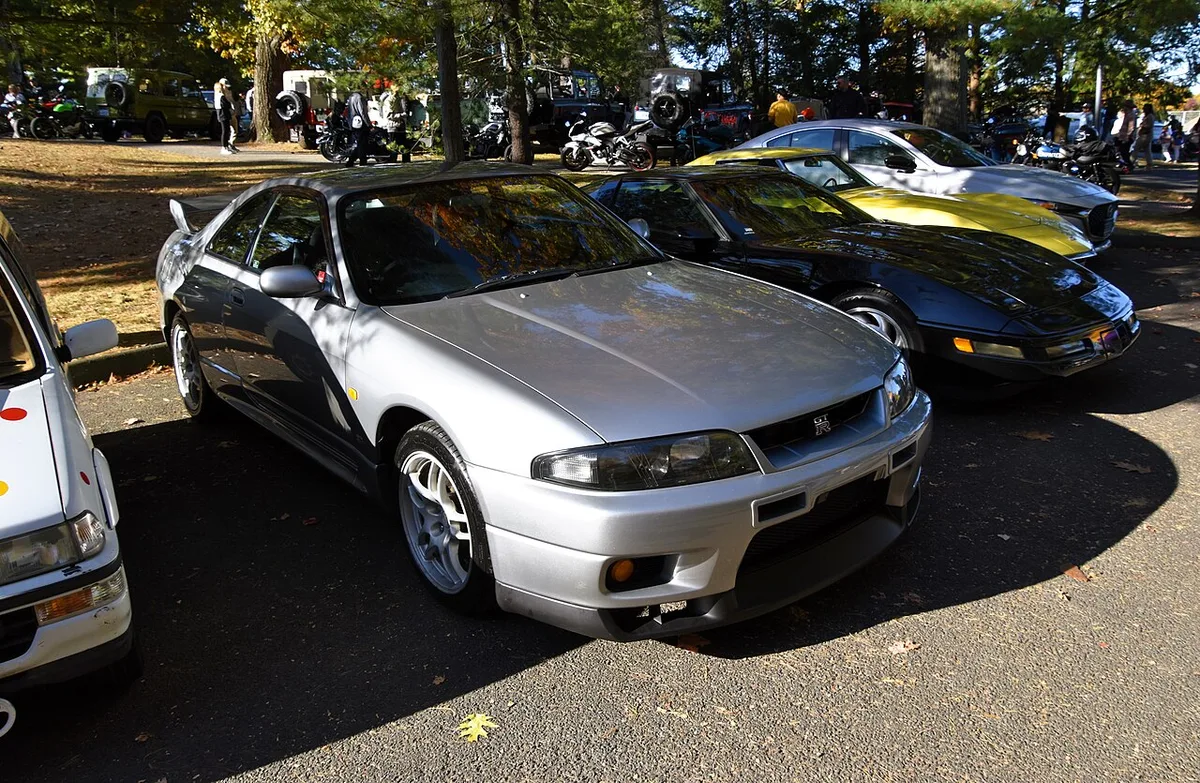
R33 (1993 to 1998), the bigger one. The ninth generation arrived in August 1993 with a body large enough to move it out of Japan's small-car class. The R33 GT-R appeared at that year's Tokyo Motor Show and went on sale in January 1995, still with the RB26DETT. A Nissan test car lapped the Nürburgring in 7 minutes, 59.887 seconds, 21 seconds quicker than the R32, and the ad line became "Fascinated by minus 21 sec."
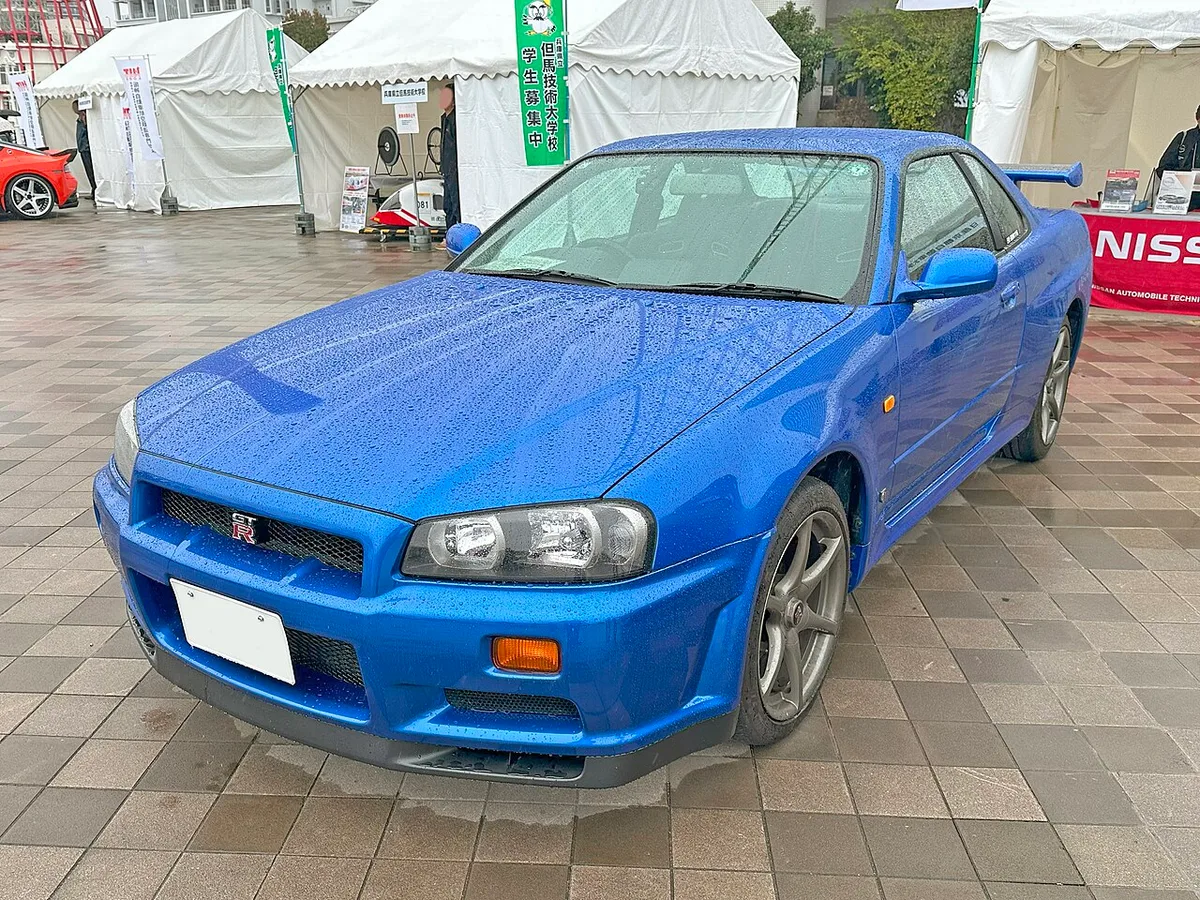
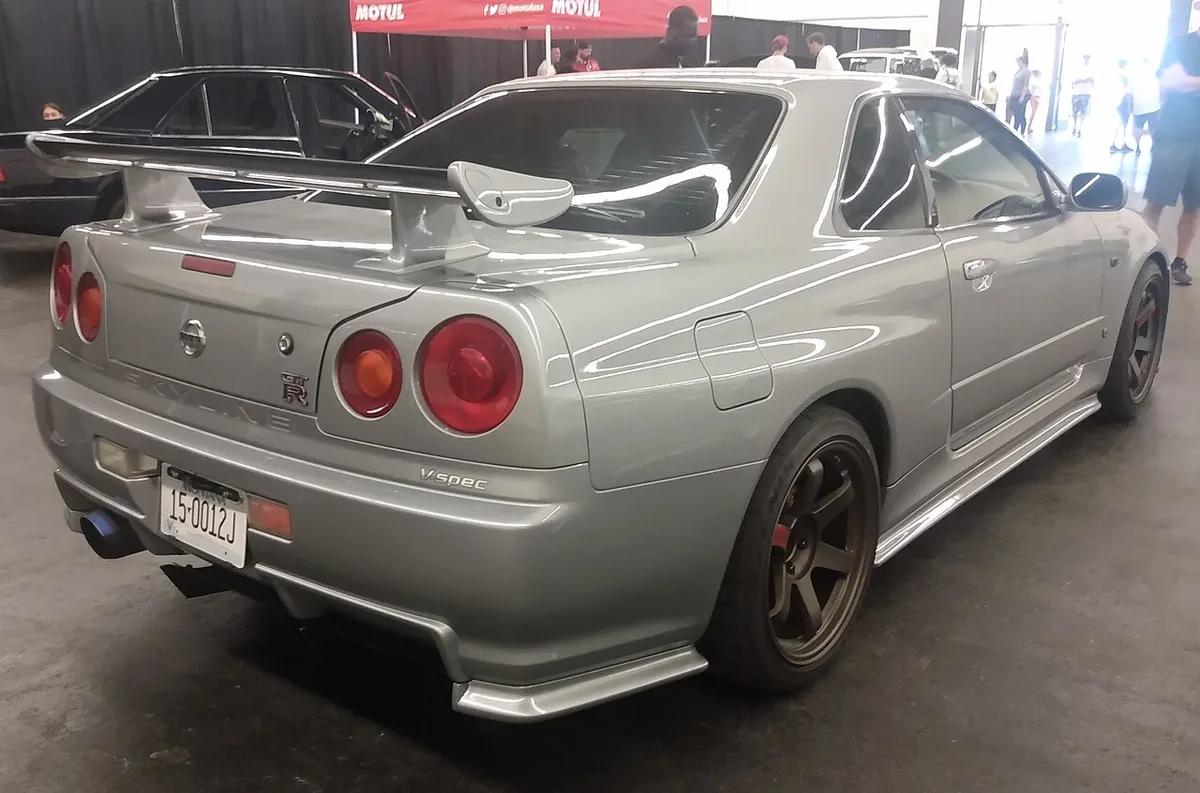
R34 (1998 to 2002), the last Skyline GT-R. The 10th generation launched in May 1998 with a smaller, stiffer body and a teaser ad that asked, "BMW, Mercedes, or new Skyline?" The R34 GT-R arrived in January 1999 with the RB26DETT, and Nissan says the V-spec's aero parts gave it the look of a race car. The V-spec II of 2000 added a carbon fiber hood with a NACA duct. When R34 production ended in 2002, so did the Skyline GT-R.
The V6 sedans, the GT-R split, and the V38
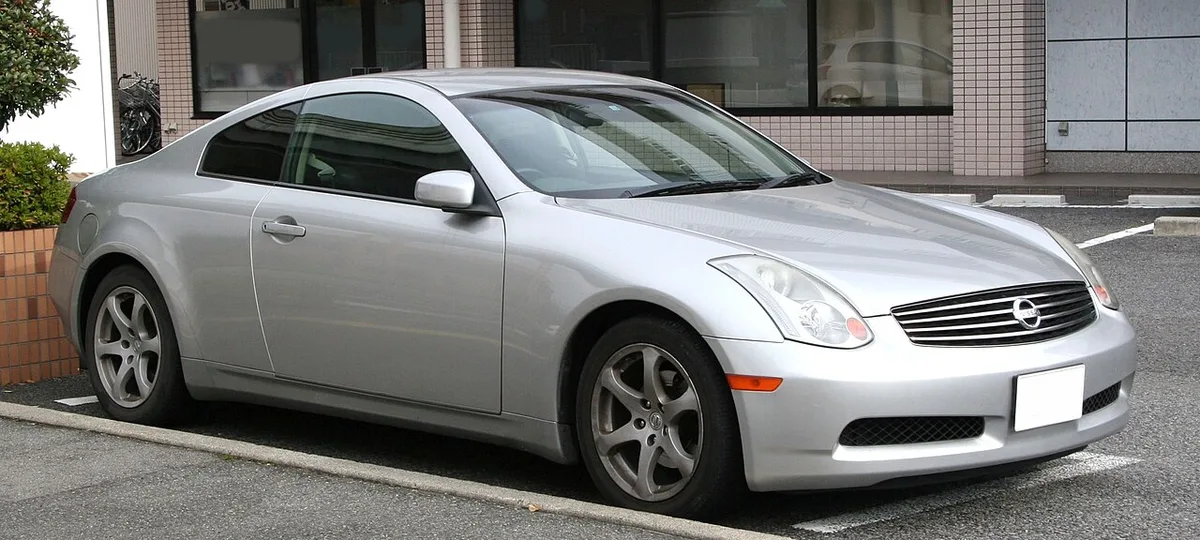
V35 (2001 to 2006), the Infiniti G35. The 11th generation swapped the inline six for a VQ V6 pushed back into what Nissan called a front-midship layout, for 52:48 weight distribution. Abroad it was sold as the Infiniti G35. The coupe arrived in January 2003, and Nissan credits its popularity partly to the flowing, stylish shape.
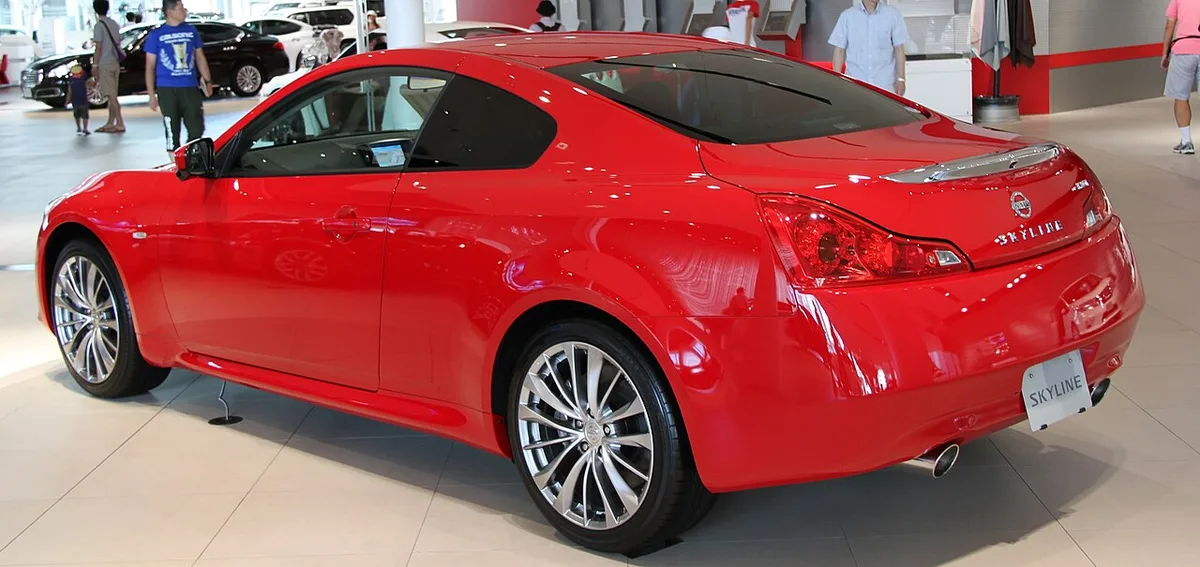
V36 (2006 to 2014), the G35 and G37. Nissan says the 12th generation was the first developed with overseas markets in mind. It sat lower and wider, with a heavy rear and sharp grille. The coupe came in 2007 with a 3.7-liter V6. In the US, the car went from the G35 to the G37, and Car and Driver notes the G37 sedan was reborn as the Q50 for 2014.
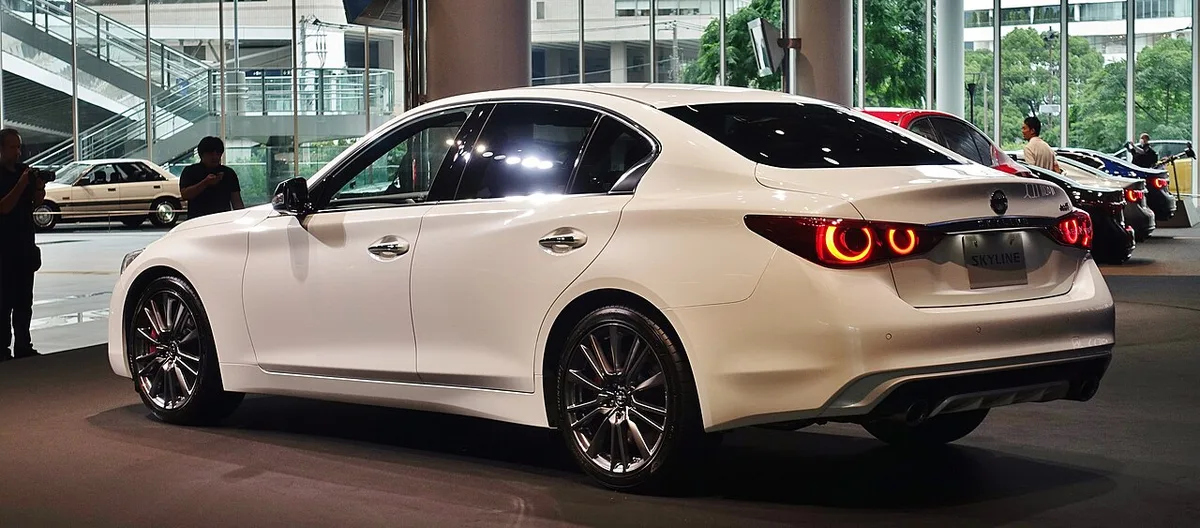
V37 (2014 to now), the Q50. Nissan announced it in November 2013, and at launch it wore an Infiniti badge even in Japan, with a 364 PS hybrid in every grade. In the US it was the Infiniti Q50, which Car and Driver says ended after the 2024 model year. A 2019 update brought the 3.0-liter VR30DDTT twin-turbo V6, a Nissan badge in the grille, and the return of four-circle LED taillights. Nissan calls the 400 hp 400R the most powerful factory-built Skyline ever.
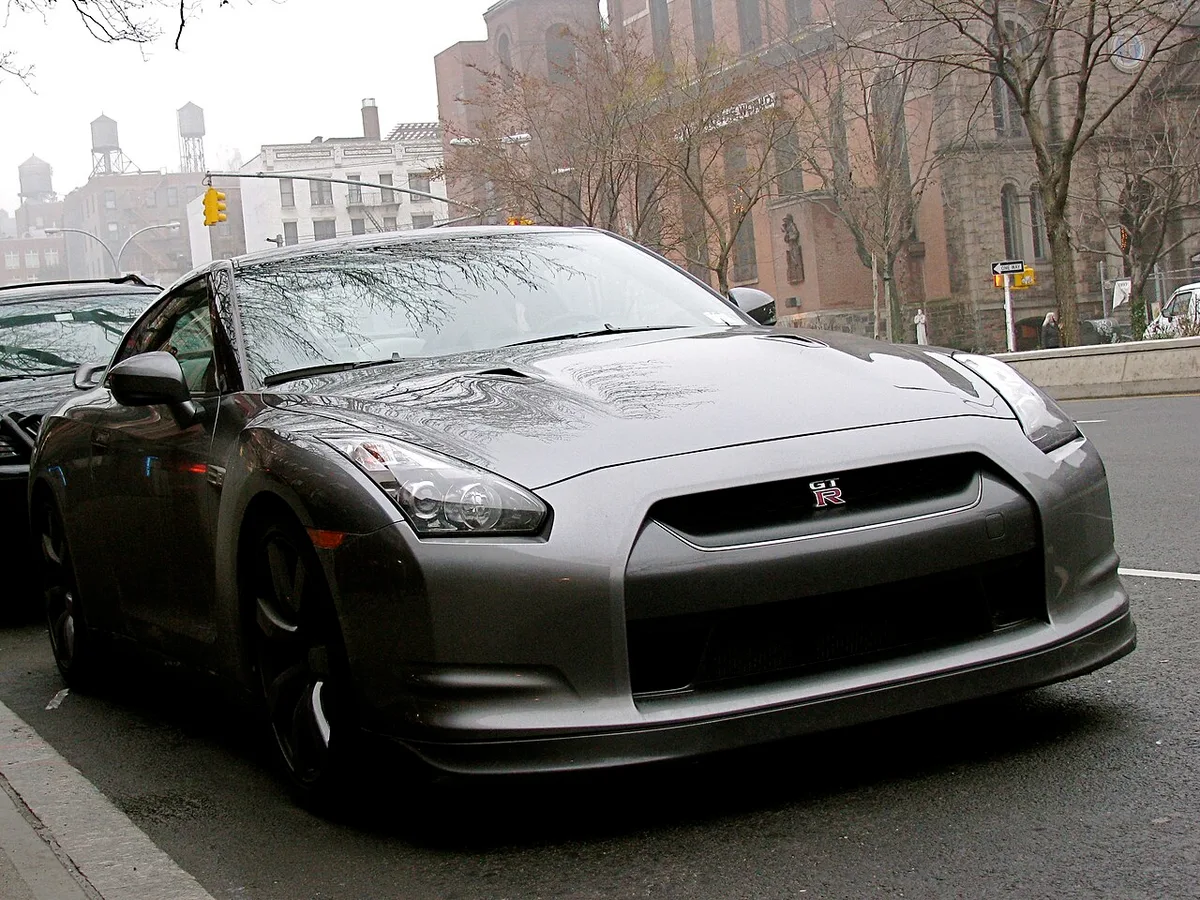
R35 (2007 to 2025), the GT-R on its own. After a 2001 concept and a 2005 prototype, Nissan launched it in 2007 as the Nissan GT-R, with no Skyline name. It used a 3.8-liter twin-turbo V6 rated at 480 PS and a dual-clutch transaxle at the rear. Nissan built the final R35 in August 2025, after 18 years and almost 48,000 cars.
V38 (December 2026), the 14th generation. Motor1 reports the internal V38 code and the December reveal, and our December debut story covers the timing and the US plan. Nissan's April 2026 teaser images show GT-R-style round taillights and old-school Skyline script on the rear haunch, according to Top Gear. Top Gear Philippines spotted a C10 Hakosuka in the teaser footage and a nose that flares at the headlights in a similar way. Motor1 notes that Nissan hasn't officially named any Hakosuka cues.
Pick your favorite generation and see how it scores against the others on WhipJury.
Sources:
The first-generation ALSI: Nissan Heritage Collection
The S50: Nissan Heritage Collection
The S54 Skyline GT and 2000GT: Nissan Heritage Collection
The S54's longer nose and the 1964 Suzuka race: The Drive
The C10 launch, the merger, and the hardtop: Nissan Heritage Collection
The Hakosuka nickname and the Surfin' Line: Nissan Heritage Collection
The 2000GT-R, the S20 engine, and the 52 wins: Nissan Heritage Collection and Nissan Heritage Collection
The Hakosuka saying: Hagerty
The C110 launch, Kenmeri name, round taillights, and sales: Nissan Heritage Collection and Nissan Heritage Collection
The C110 GT-R production window: Nissan Heritage Collection
The 197 C110 GT-Rs sold: Hagerty
The C210, its nickname, and the turbo GT-E: Nissan Heritage Collection and Nissan Heritage Collection
The R30, Paul Newman, the Turbo RS, and the Iron Mask: Nissan Heritage Collection and Nissan Heritage Collection
The R31 launch, HICAS, and the coupe: Nissan Heritage Collection
The R31 criticism: Nissan Heritage Collection
The R31 nicknames: Nissan Heritage Collection ("Seven") and Nissan Heritage Collection ("Seventh")
The GTS-R: Nissan Heritage Collection
The R32 GT-R, its engine, and its racing record: Nissan Heritage Collection and Nissan Heritage Collection
The smaller R32 body: Nissan Heritage Collection
The R33 and its Nürburgring time: Nissan Heritage Collection and Nissan Heritage Collection
The R34 launch and teaser ad: Nissan Heritage Collection
The R34 GT-R and the V-spec II: Nissan Heritage Collection and Nissan Heritage Collection
The V35: Nissan Heritage Collection
The V36: Nissan Heritage Collection
The G37 becoming the Q50: Car and Driver
The end of the Q50: Car and Driver
The V37 launch: Nissan
The 2019 update and the 400R: Nissan
The R35 launch, the end of the R34, and the R35 engine: Nissan Heritage Collection
The final R35: Top Gear Philippines
The V38 code, the 14th generation, and the December debut: Motor1
The teaser taillights and script: Top Gear
The Hakosuka in the teaser: Top Gear Philippines
Photos via Wikimedia Commons: Tokumeigakarinoaoshima, Kevauto, and DestinationFearFan (CC BY-SA 4.0); PRiMENON (CC BY-SA 3.0); CarSpotter (CC BY-SA 2.0); Sicnag and Charles from Port Chester, New York (CC BY 2.0); TTTNIS and 先従隗始 (CC0 and public domain)
Frequently Asked Questions

Jeffrey Wiley has spent more time than he'd like to admit thinking about what makes a car look right. He writes about automotive design, car culture, and the opinions people have strong feelings about. He lives in north Georgia.