Infiniti Cars
JDM · 20 models
Nissan luxury arm. The G35 and G37 are some of the best driver-focused sport sedans of the 2000s, full stop.
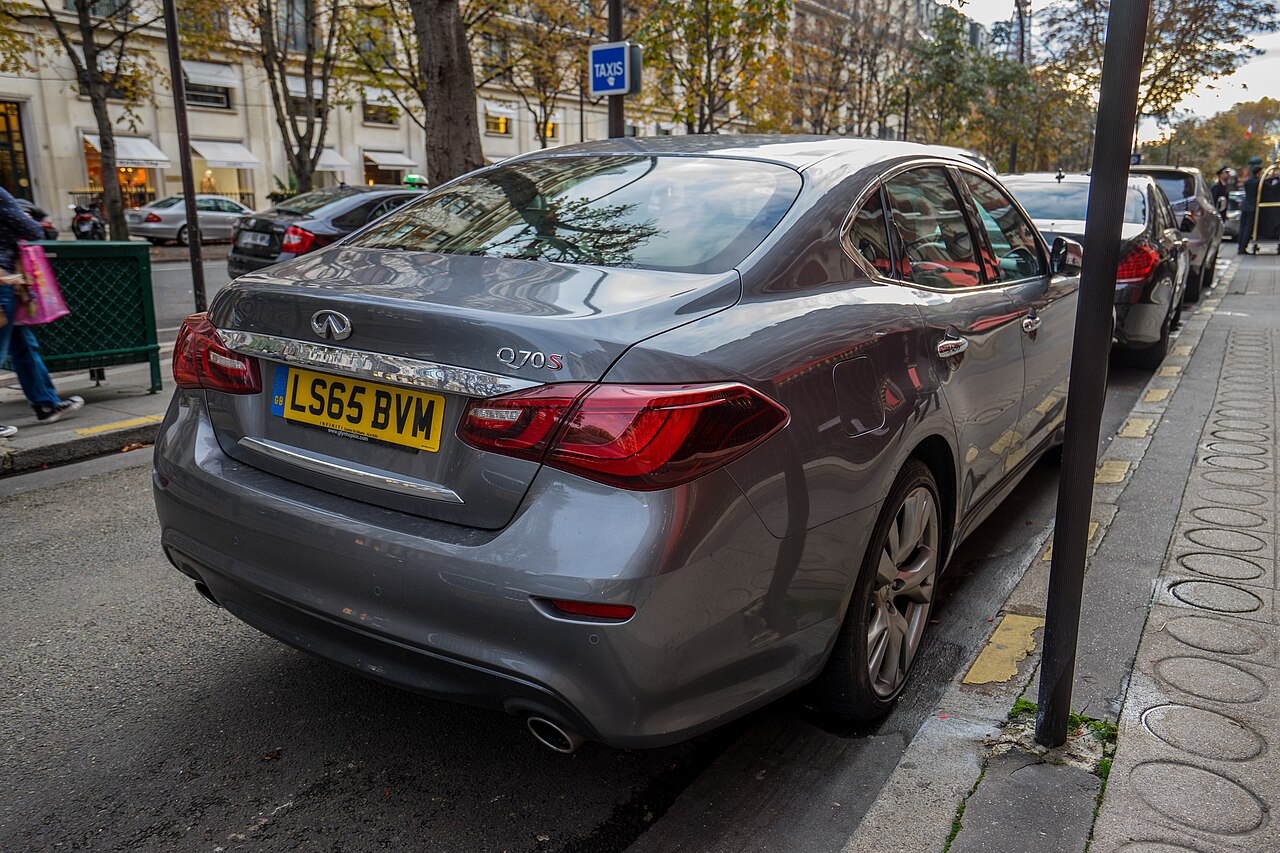
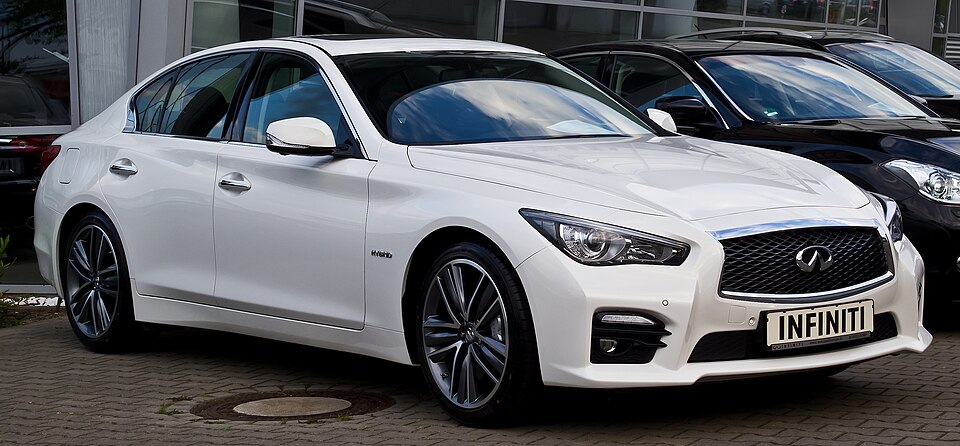
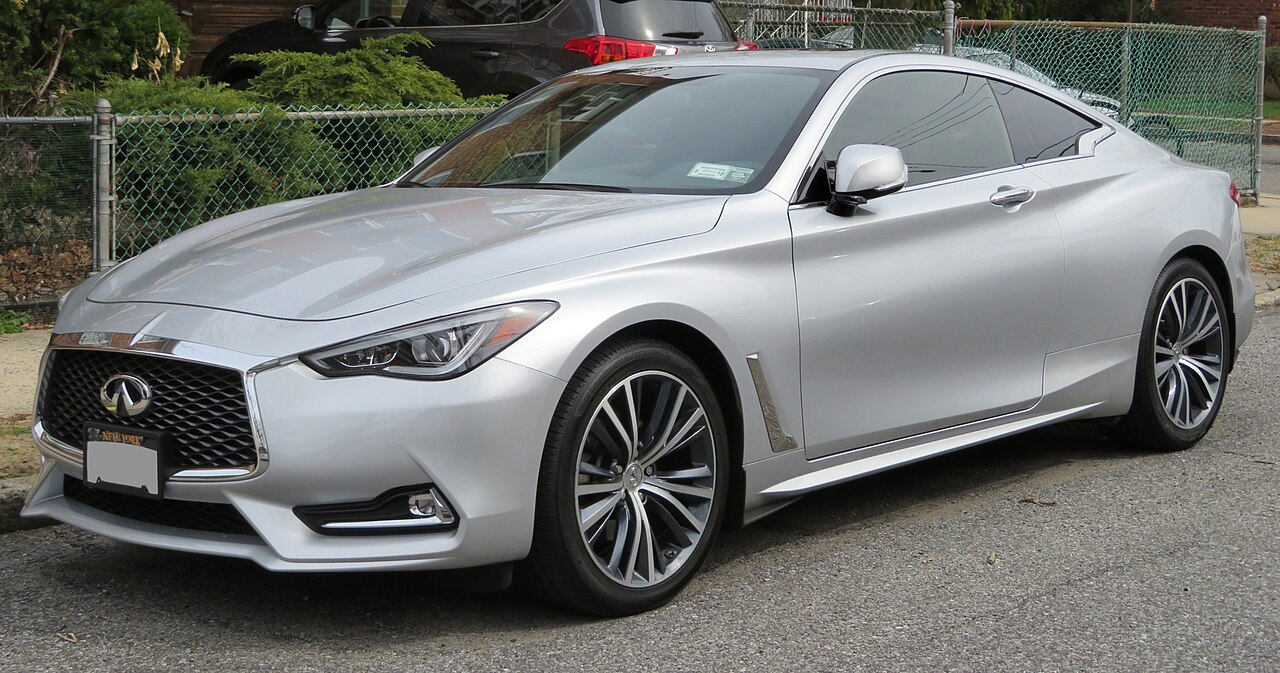
JDMInfiniti launched in 1989, the same year as Lexus and Acura, as Nissan luxury brand for the North American market. Unlike Lexus, which targeted the silent-and-comfortable end of luxury, Infiniti tried to be the sport-leaning alternative. The Q45 launched alongside the LS400 with a 4.5-liter V8 making 278 horsepower, the most powerful Japanese sedan engine available at the time. The brand found its identity with the G35 in 2003. Built on the FM platform shared with the 350Z, the G35 sedan and coupe used the VQ35DE V6, a six-speed manual was available, and the chassis was tuned for actual driver engagement. The G35 won numerous comparison tests against the BMW 3-Series, Audi A4, and Mercedes C-Class. The G37 (2008-2013) refined the formula and added a coupe variant that was widely praised. The Q50 and Q60 (2014-present) continued the rear-drive sport sedan and coupe tradition but moved to the VR30DDTT twin-turbo V6 (in some trims) and the Mercedes-Benz 2.0 turbo four (in entry trims, via the Renault-Nissan-Daimler alliance). Reception has been mixed compared to the older naturally aspirated cars. In the modern era, Infiniti lineup has shifted toward crossovers (QX50, QX55, QX60, QX80). The sport sedan focus has faded, though the Q50 Red Sport 400 and Q60 Red Sport 400 still represent the brand performance peak. On WhipJury, Infiniti submissions are heavy on G35 and G37 builds (often with VQ swap or supercharger), the occasional Q45 stock build, and Red Sport 400 modern examples.
Top Infiniti cars on WhipJury
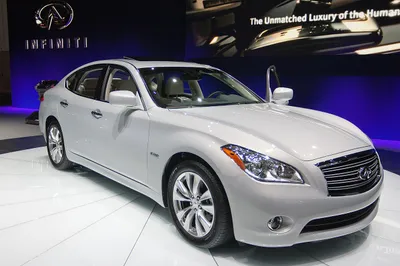
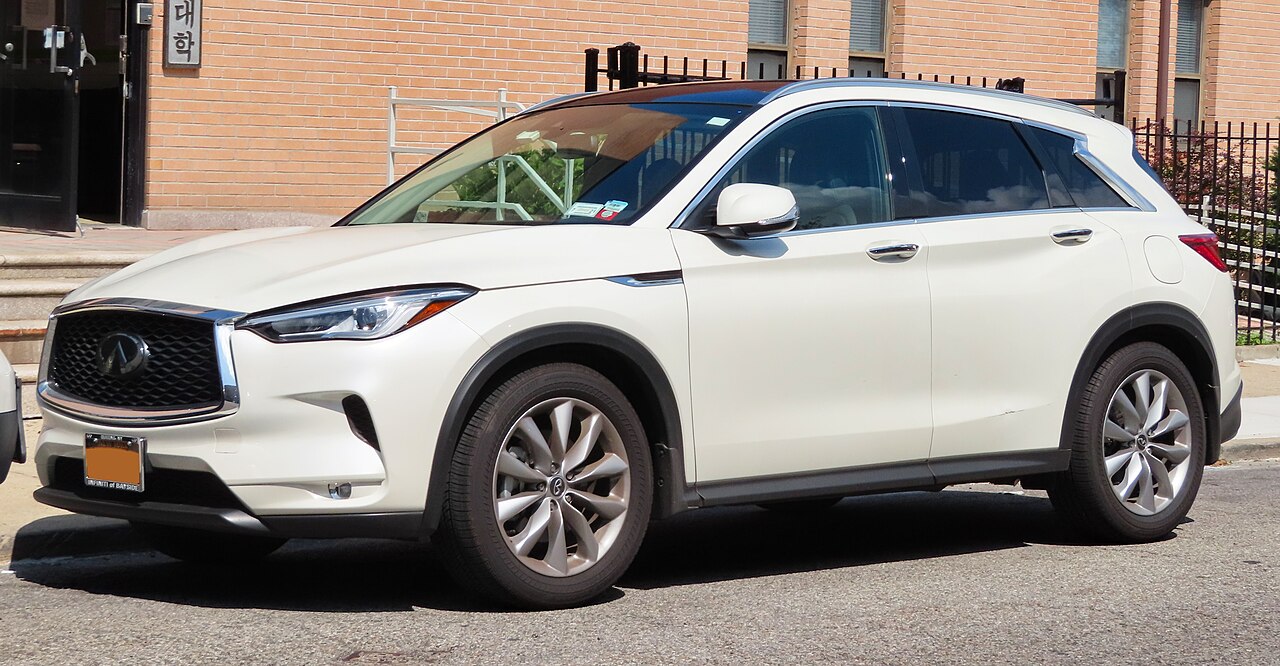
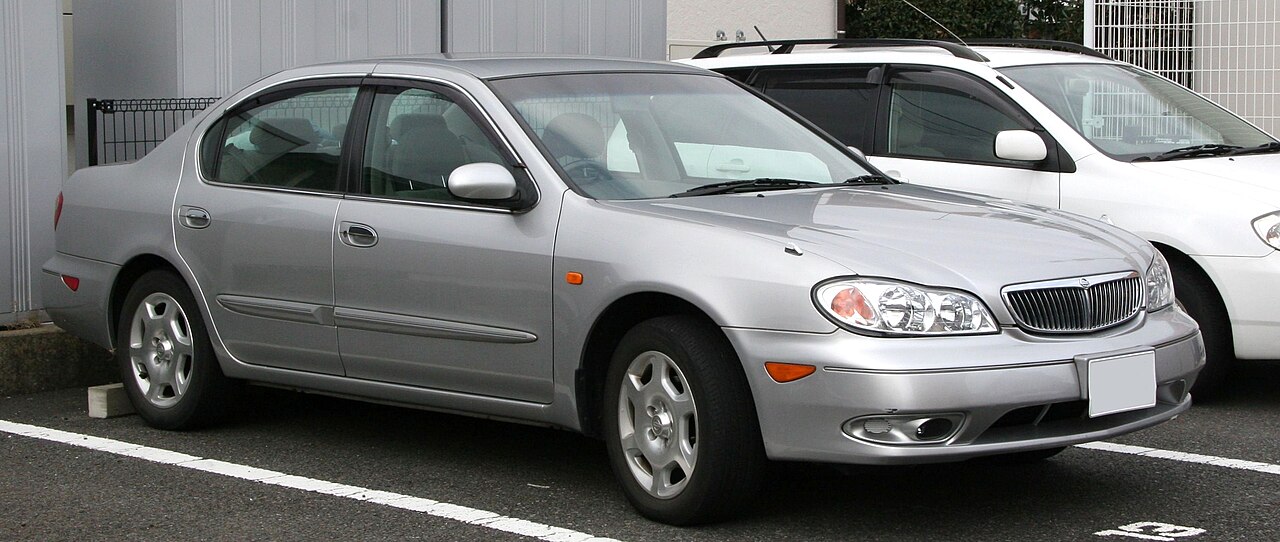
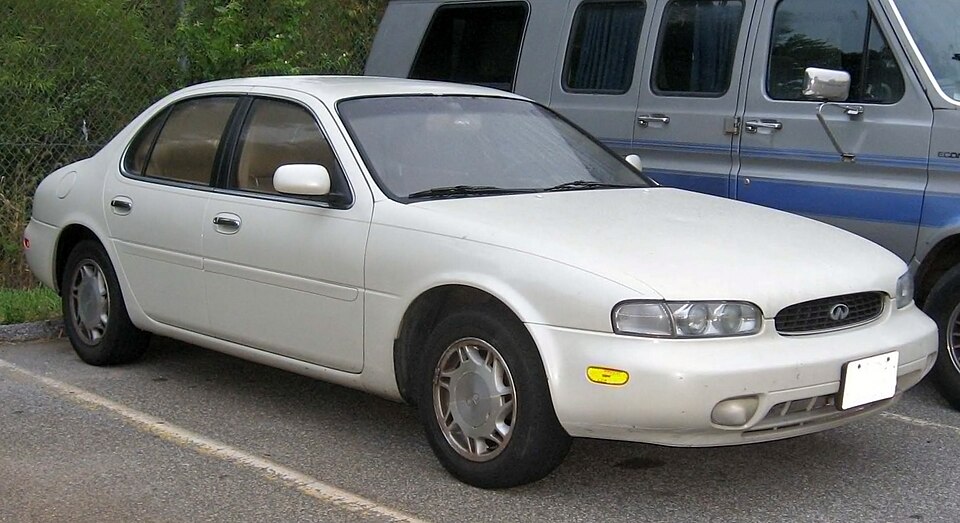
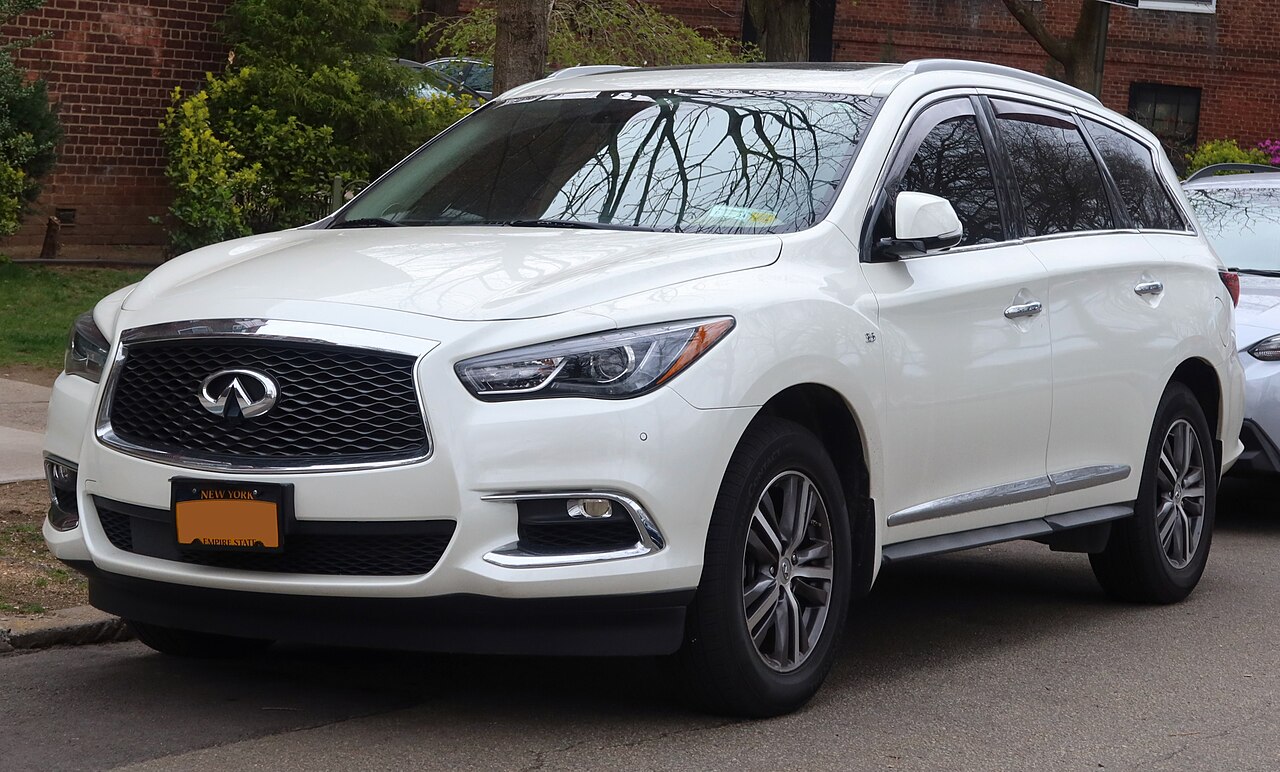
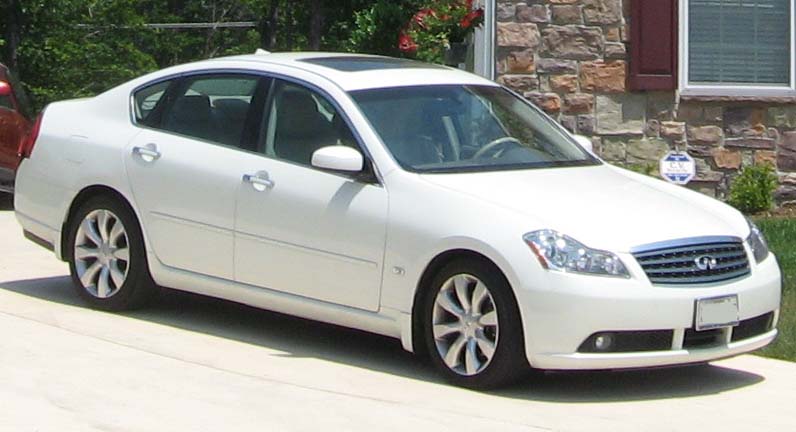
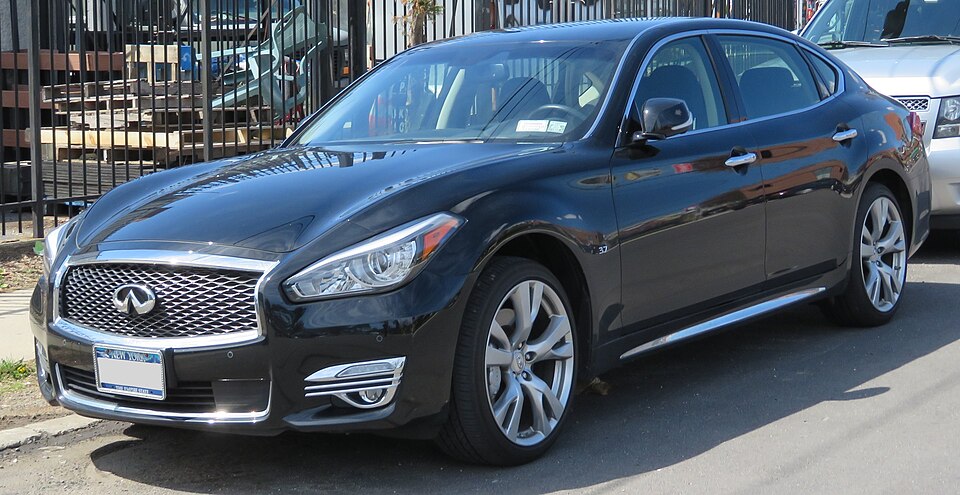
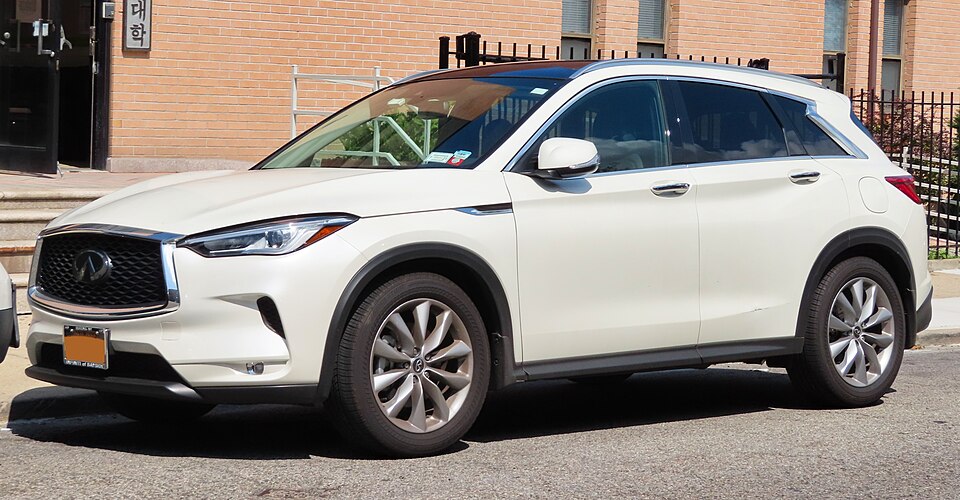
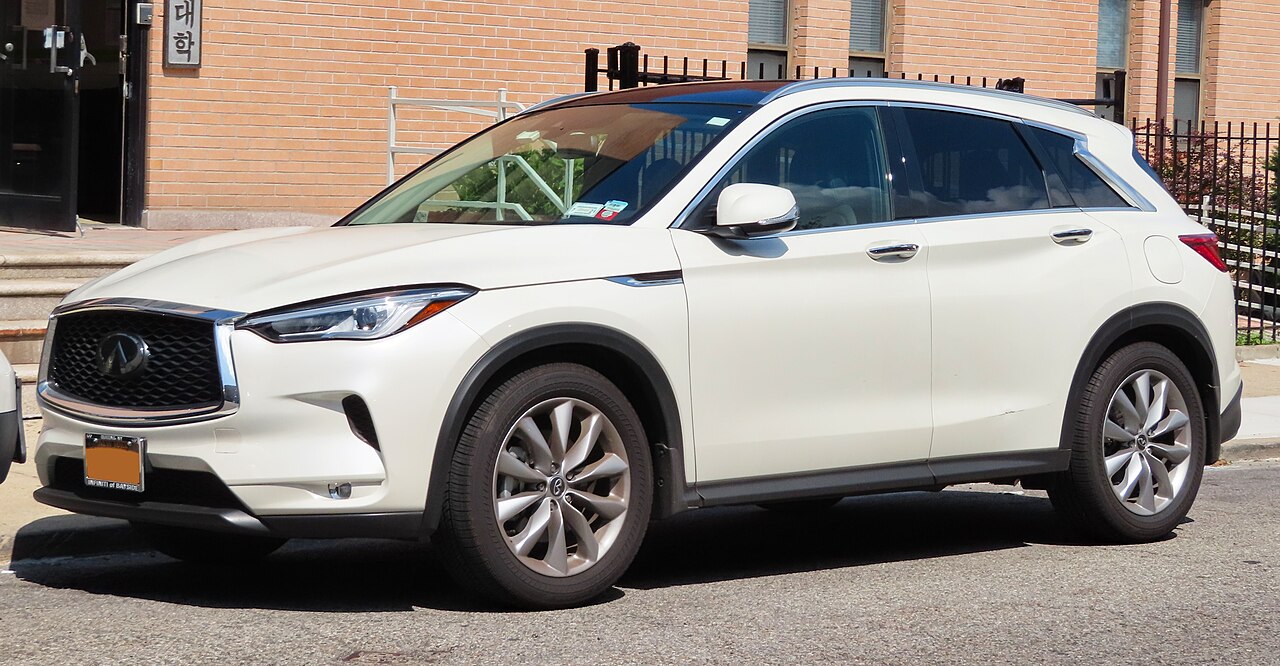
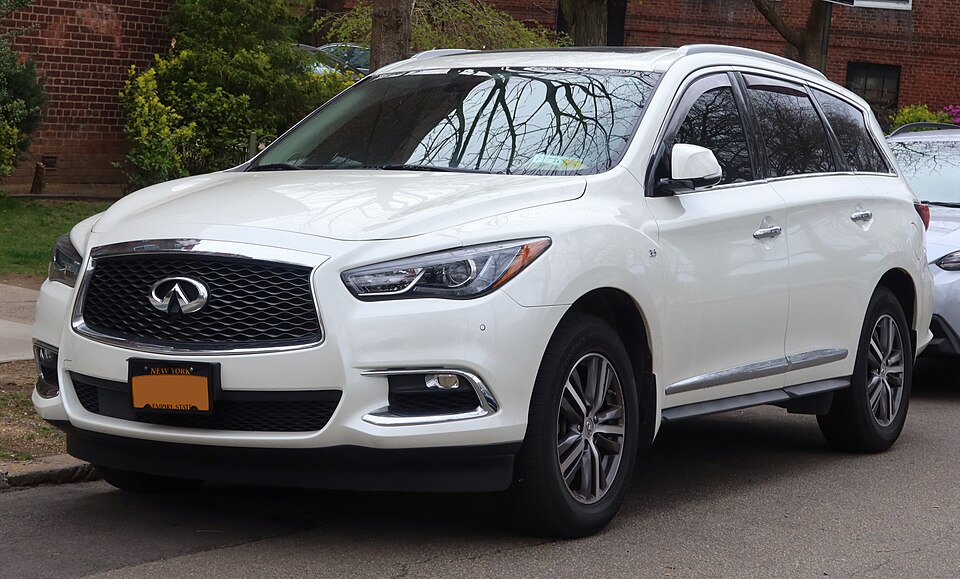
Infiniti models we cover
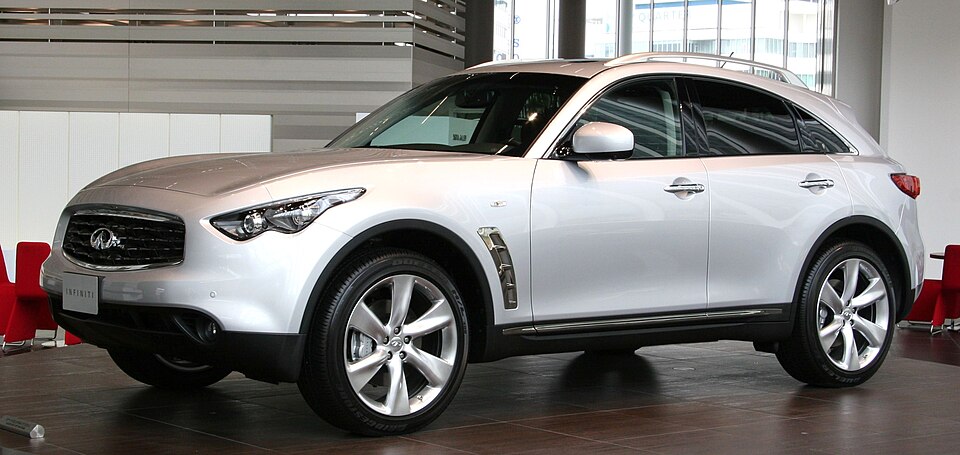
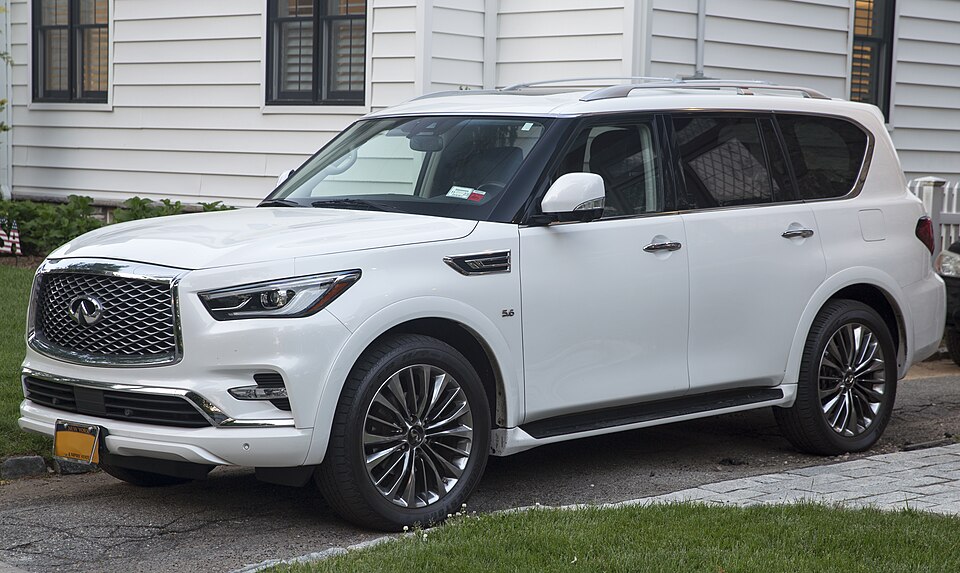
The G35 and the FM platform
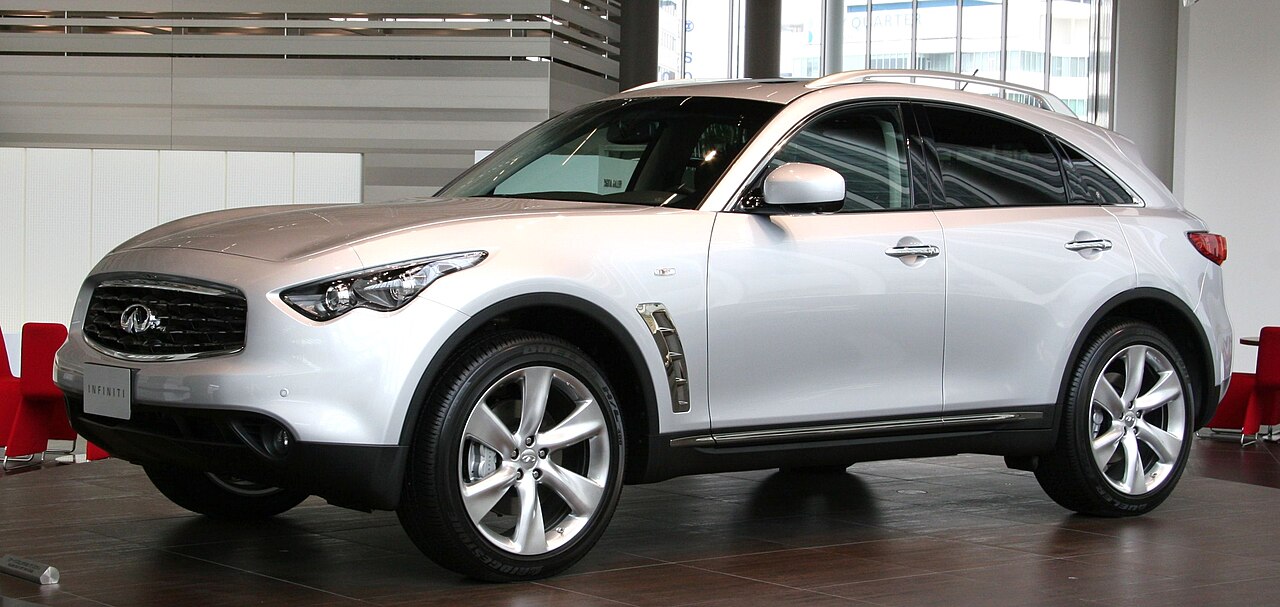
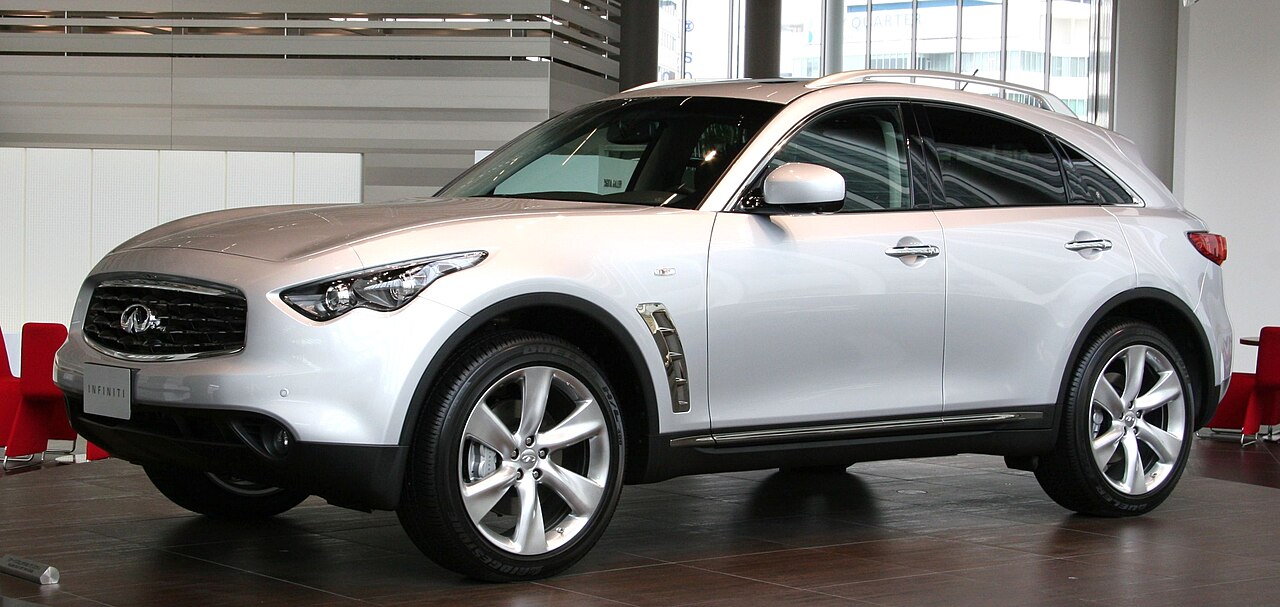
The FM (Front Midship) platform was a Nissan engineering achievement. By moving the engine rearward of the front axle line, the platform achieves a near 50/50 weight distribution despite a front-engine layout. The G35, 350Z, and FX35 all used variants of FM. The result on the G35 sedan was a chassis that genuinely felt rear-driven and balanced, unusual for a luxury sedan in 2003.
The VQ35DE V6 is one of Nissan most successful engines of the modern era. Three-liter, naturally aspirated, all-aluminum, around 280 to 300 horsepower depending on application and year. The earlier rev-up VQ35DE in the 350Z and G35 6MT models is particularly highly regarded. The aftermarket includes superchargers, twin-turbo kits, and engine swaps using the entire VQ family.
The G37 and the modern sport sedan
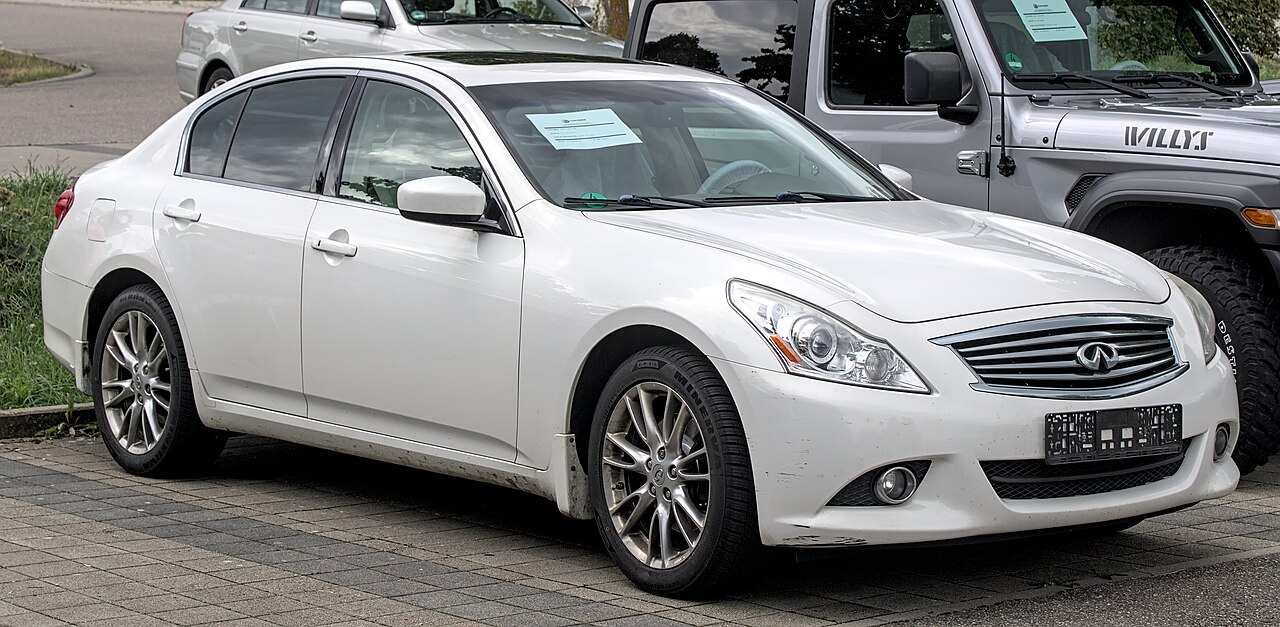
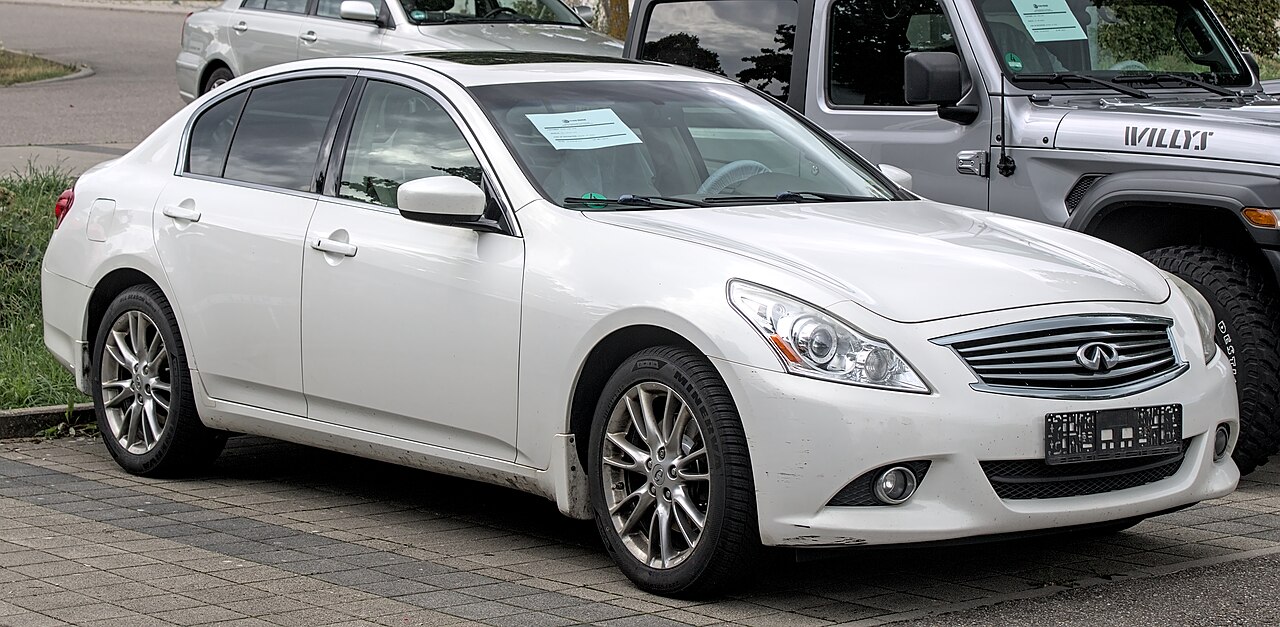
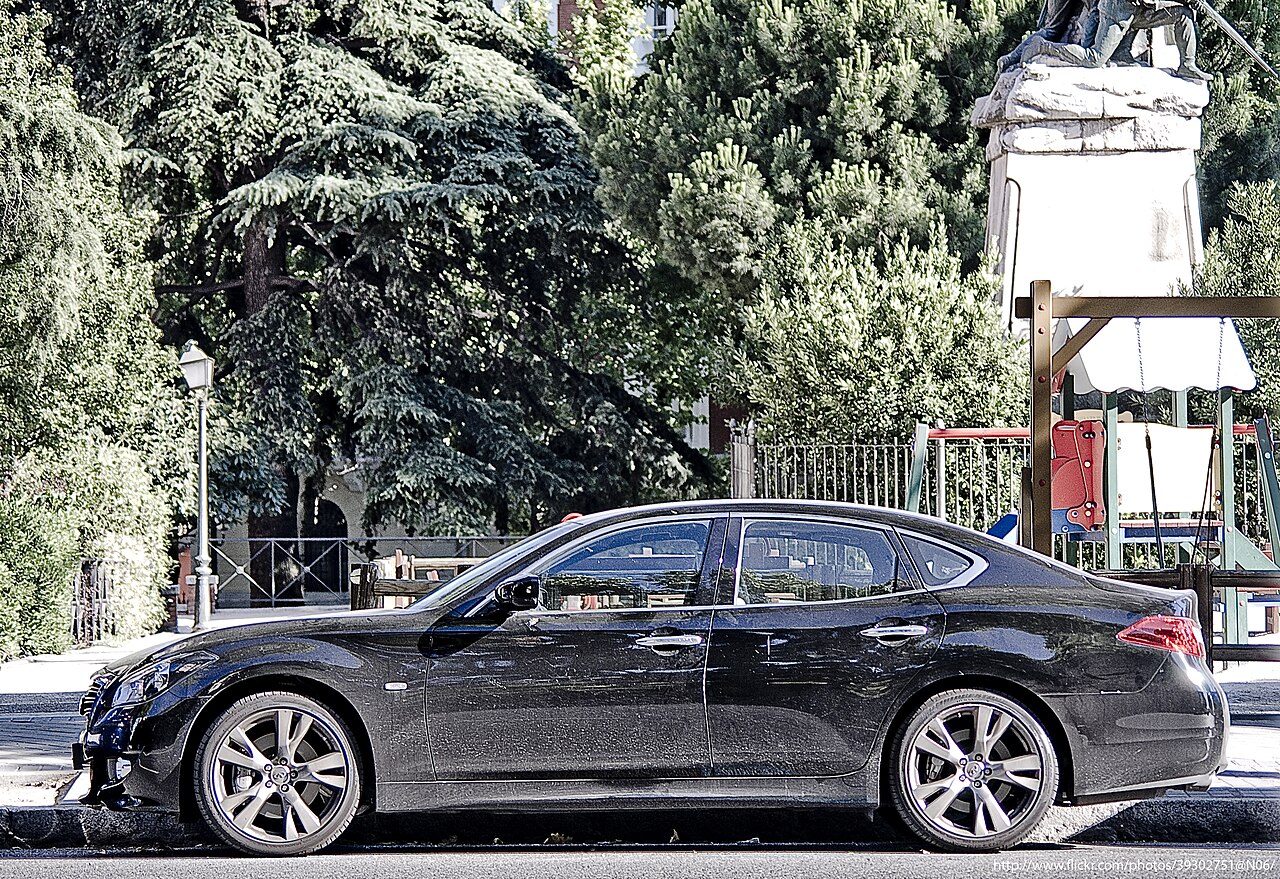
The G37 (2008-2013) replaced the G35 with a larger 3.7 liter VQ37VHR V6, a stiffer chassis, and improved interior. The G37 Sport 6MT sedan and coupe versions are the connoisseur picks of the modern Infiniti era. They are also some of the most affordable rear-drive Japanese sport sedans on the used market today.
Infiniti on WhipJury
G35 6MT and G37 Sport submissions dominate. The community recognizes the chassis quality and tends to vote them well in duels against more obvious German sport sedans. Modified examples (intake, exhaust, headers, lowering springs) are common; the VQ family responds well to bolt-on modifications.
