What is Homologation?
The process of building enough road-legal versions of a car to make a related model eligible to race in a given category.
Homologation is the approval process by which a car is certified to meet the rules of a racing class, often by requiring the manufacturer to build a minimum number of road-going versions. This requirement is meant to ensure race cars are based on genuine production models rather than pure prototypes.
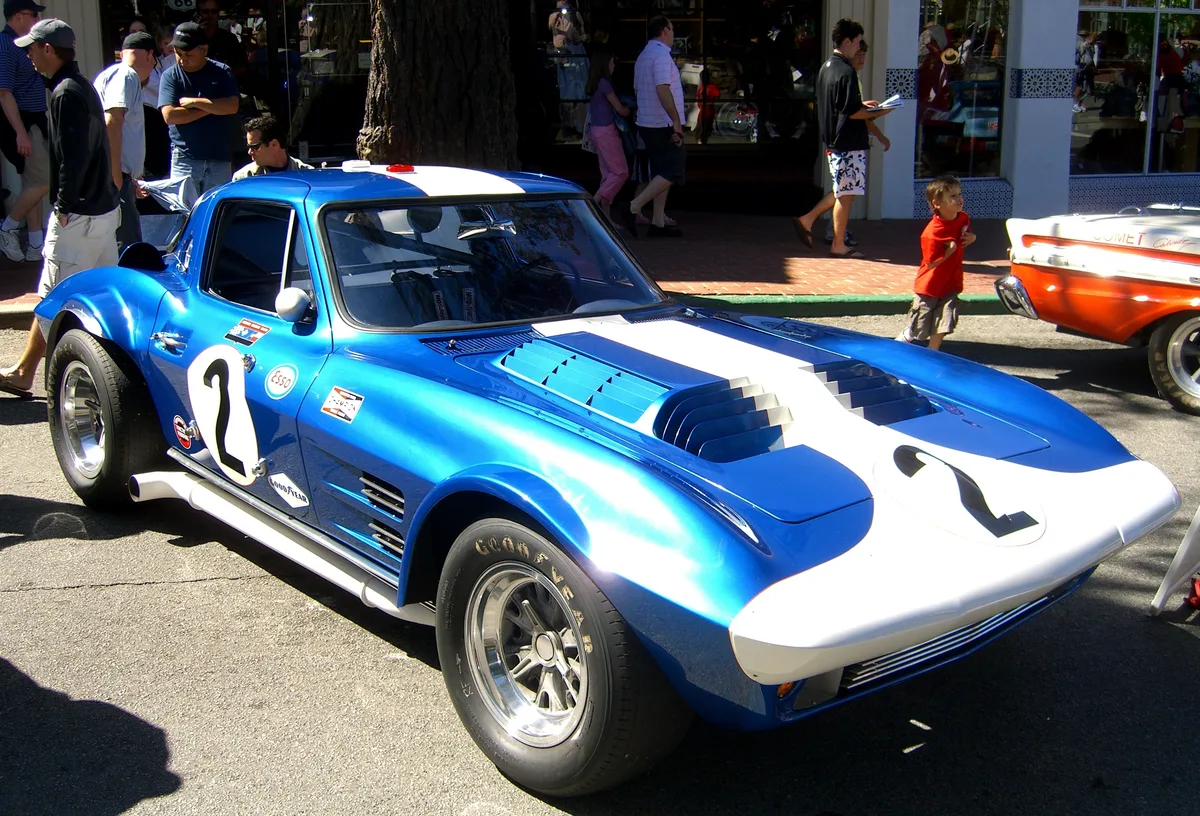
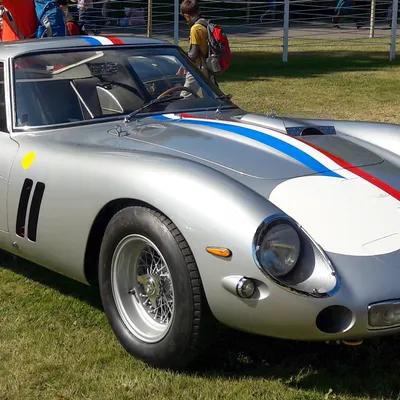
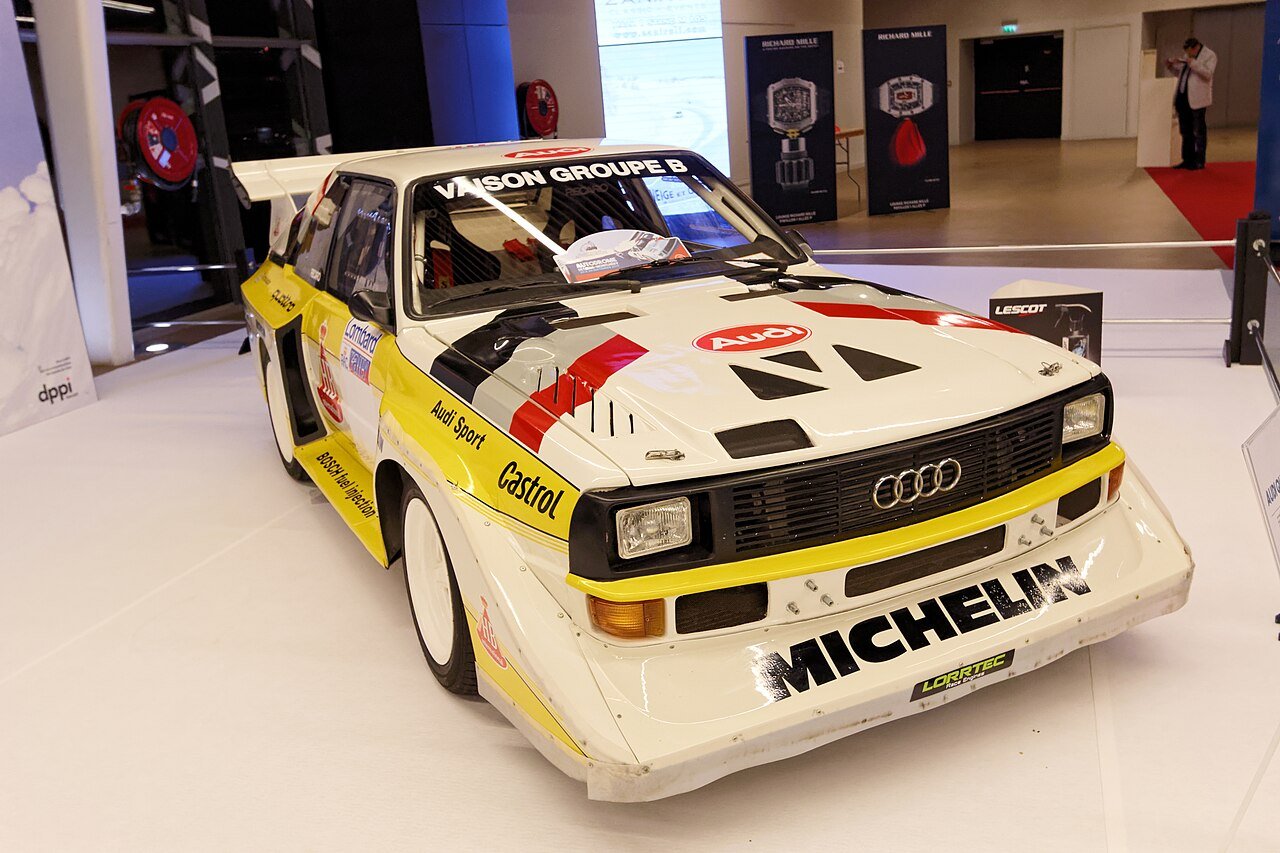
To satisfy these rules, manufacturers produce homologation specials, limited-run road cars that share key components with their racing counterparts. These cars are often more extreme than the standard model, featuring uprated engines, aerodynamics and lightweight construction to maximise the racing version's potential.
Many of the most celebrated performance cars exist purely because of homologation, from rally specials like the Lancia Delta Integrale and Ford Sierra Cosworth to track-bred machines like the Maserati MC12. Their rarity and motorsport links make them highly collectible.