Jeffrey Wiley
Editor · 12 articles published

Jeffrey Wiley has spent more time than he'd like to admit thinking about what makes a car look right. He writes about automotive design, car culture, and the opinions people have strong feelings about. He lives in north Georgia.
Articles by Jeffrey Wiley
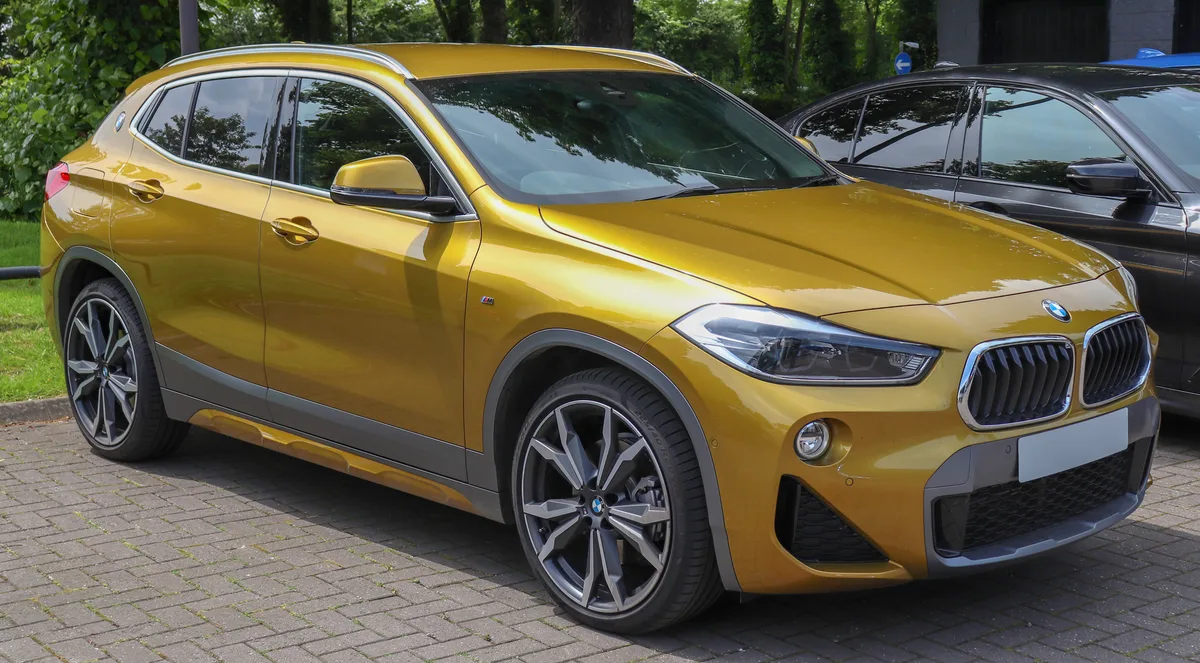
DLO fail: the fake window glass designers quietly hate
DLO stands for daylight opening, the glass area of a car's greenhouse seen from the side. DLO fail is the black plastic cheater panel at the end of it, faking a longer or sleeker window than the car actually has. Designers use the term as an insult, and once you see it you cannot unsee it.
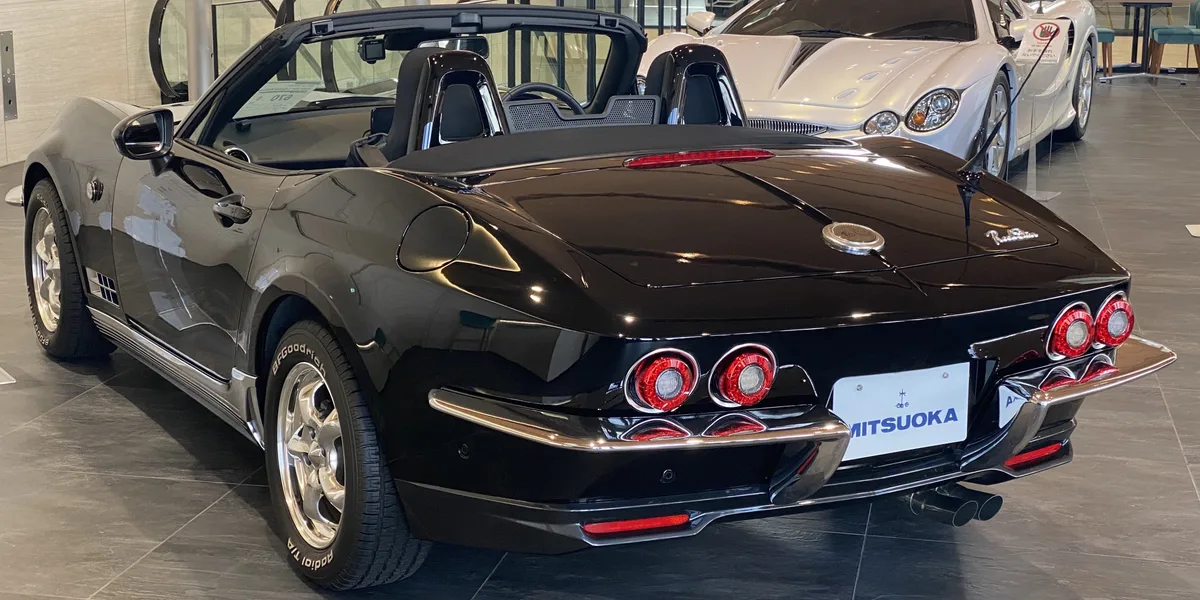
Mitsuoka is turning a Miata into a 1950s Corvette
Mitsuoka's new LA1 puts 1950s C1 Corvette bodywork on a current Mazda MX-5, with quad headlights, a chrome bumper, side gills, and taillights moved to the quarter panels. It debuts November 26 as a limited Japanese-market car. The same designer did the 2018 Rock Star, which copied the C2 instead.
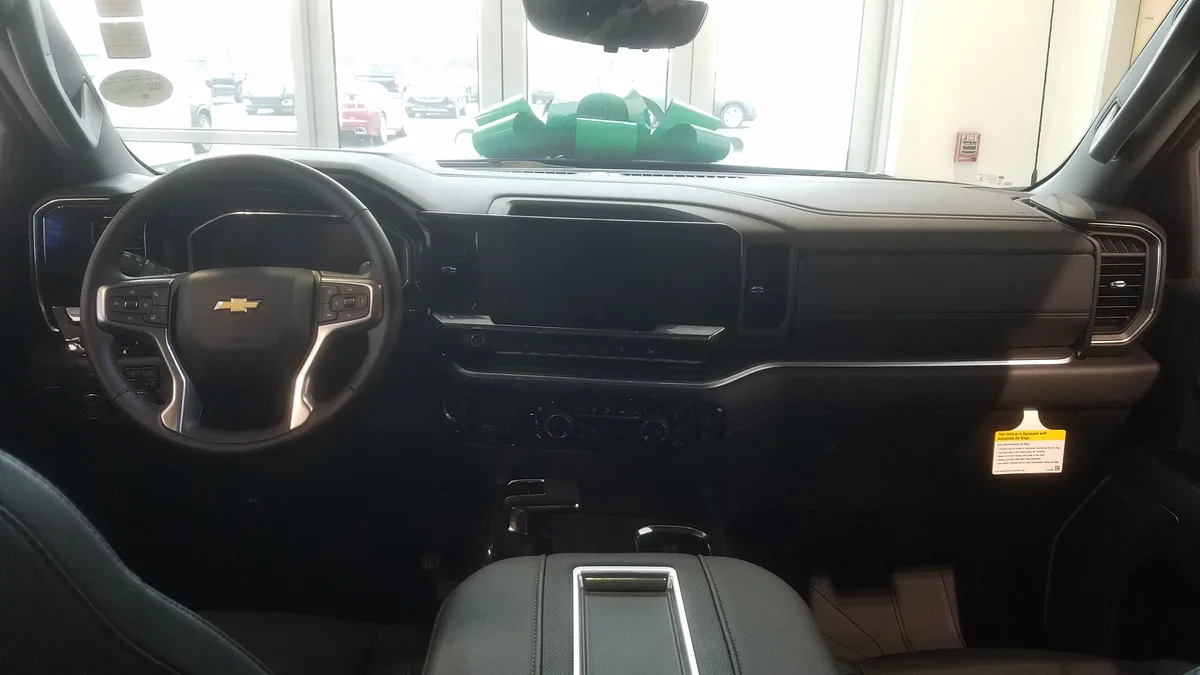
Why almost every car interior is black now
Mainstream carmakers usually offer about three interior colors and one is always black, because every extra color is separate inventory. Americans buy off the lot, so dealers stock the combination that sells to everyone. Black also hides wear better than beige or gray, at the cost of absorbing more heat.
GM is bringing back CarPlay and Android Auto, but only in a box
GM is adding Apple CarPlay and Android Auto back to its vehicles after stripping them from its EVs and floating their removal across the lineup. The catch: phone content sits in a card window alongside GM's own apps rather than taking over the screen. Trucks get it first, then electric, gas, and diesel models.
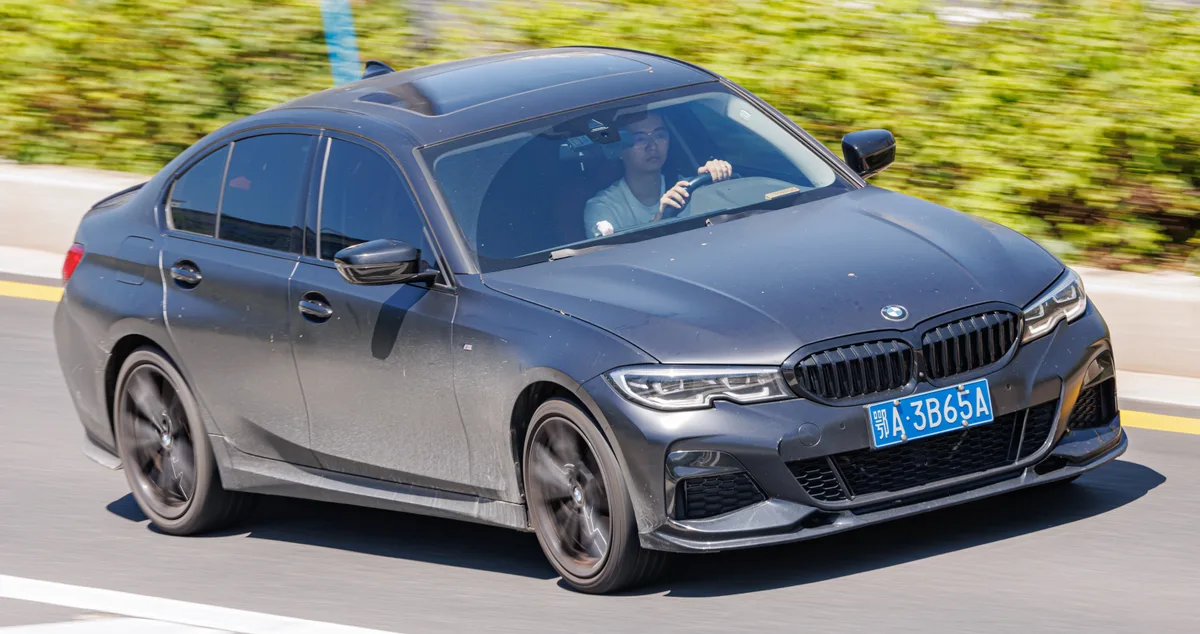
The next BMW 3 Series has been spotted without camouflage
The next-generation BMW 3 Series, an M350 xDrive, has been photographed undisguised in Munich. The clearest change is at the back, with wide taillights that stretch almost to the center of the trunk and a busier, heavily creased bumper borrowed from the electric Neue Klasse i3. Production starts in the second half of this year.
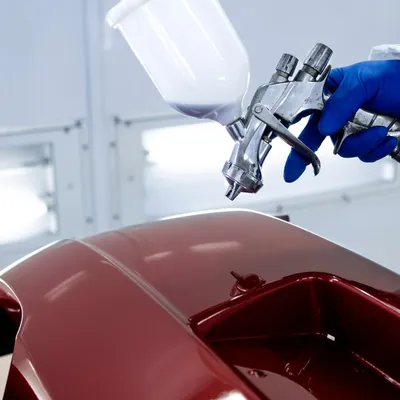
Metallic, pearl, matte, and satin: what car paint finishes actually do
Metallic paint uses aluminum flake, pearl uses ceramic crystals that refract light into different colors, and matte scatters light so you see form instead of reflections. Each one changes how a car's shape reads, and matte costs 40 to 50 percent more to repair because the clear coat cannot be polished.
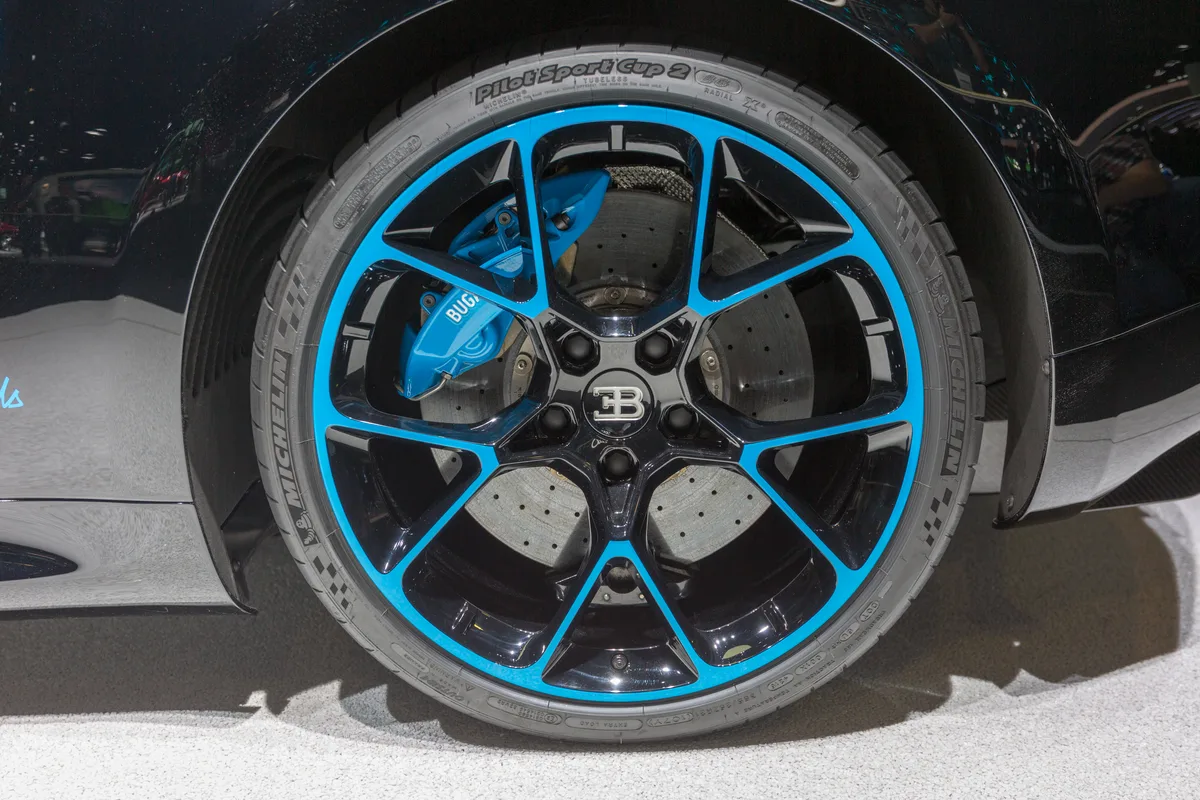
Bugatti has left Volkswagen, and a 38-year-old now runs it
Porsche has sold its 21 percent of Rimac Group and 45 percent of the Bugatti Rimac joint venture for about €1 billion, ending Volkswagen Group's involvement with Bugatti. Mate Rimac, who started by converting an old BMW to electric power in a Croatian garage, is now president of a marque founded in 1909.
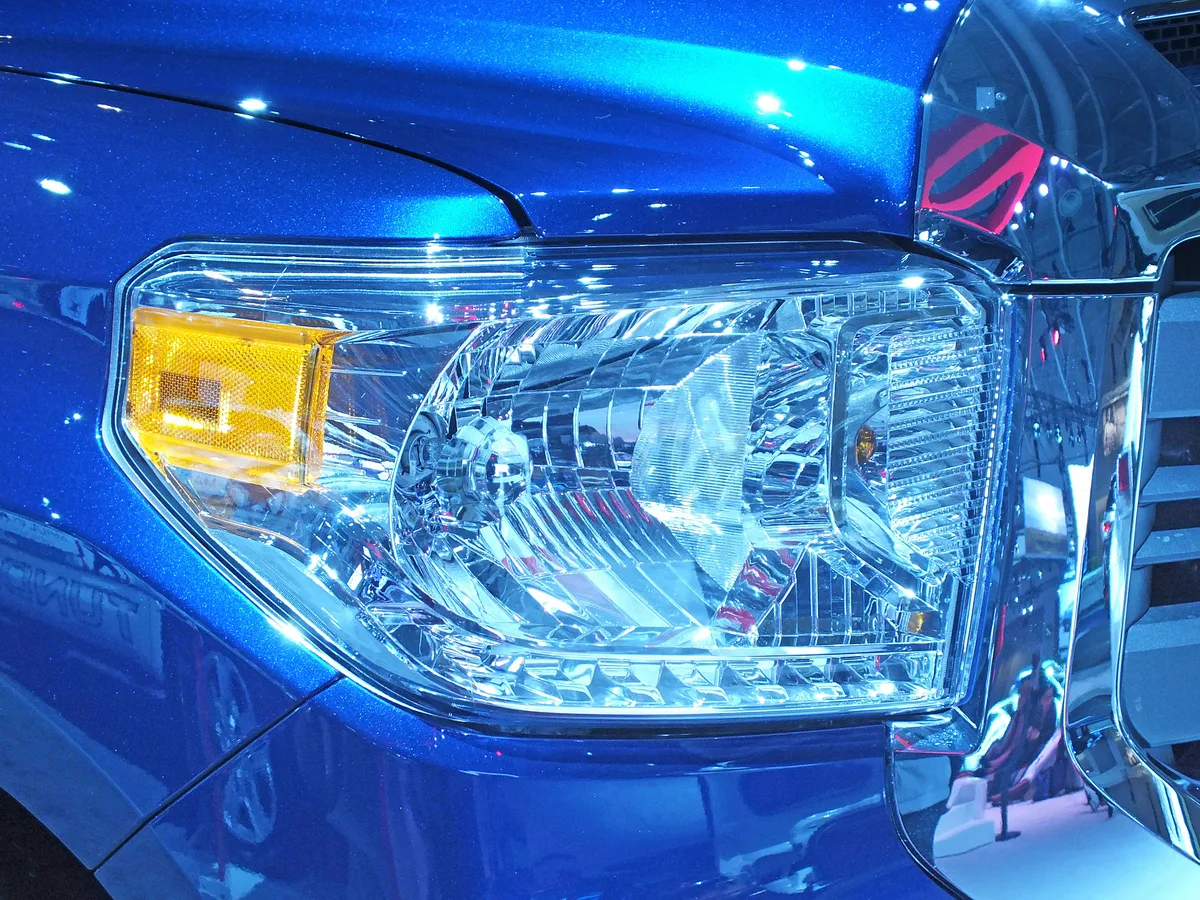
Why modern headlights feel so much brighter
Headlights got harder to look at for three reasons: LEDs put out more light and a bluer white that reads as brighter, they use arrays of small intense diodes instead of one soft filament, and the whole fleet got taller so the beams sit closer to eye level. Adaptive driving beam is the fix, and it's only now arriving in the US.
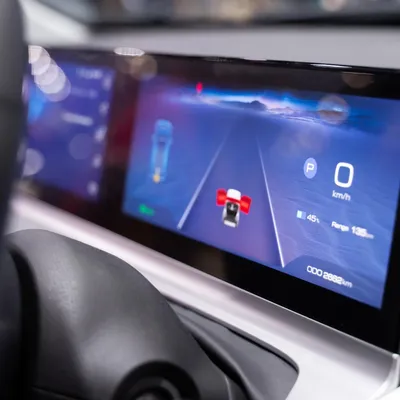
The big screens are making new cars worse?
J.D. Power's 2026 Initial Quality Study found new cars improved in nine of ten categories. Infotainment was the exception, rising to 44.4 problems per 100 vehicles and accounting for a quarter of all complaints. Phone connectivity is the biggest single fault, and 46 percent of distraction complaints trace to touchscreens.

GM's boss still calls electric cars the endgame
GM chief executive Mary Barra told Fortune that EVs are still the "end game" and the company's "north star," even as US demand slows and federal policy pulls back. The target is 40 to 50 percent of sales by 2030, and Barra now frames the shift as taking decades rather than hitting a fixed date.
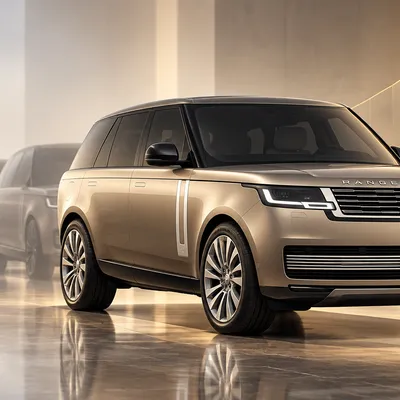
Range Rover doesn’t want to sell more cars. It wants to make each one worth more
Range Rover's marketing director says the brand's job "really is not to sell lots and lots of cars" but to build value, with managing director Martin Limpert aiming to be "in the modern luxury business" through one-to-one bespoke commissions. It's also a smart answer to the Chinese copies problem.

Why round headlights are suddenly back
Round headlights are returning on the Ford Bronco, Fiat 500e, Renault 4 E-Tech and Mini after decades of narrow, angular lamps. It reads as nostalgia but it's really a technology story: LEDs freed designers from the big reflector a halogen bulb needed, so shape became free.