Nissan Cars
JDM · 37 models

Skyline GT-Rs, 240Zs, and the GT-R R35: Nissan has produced more giant-killers than any maker not named Porsche.
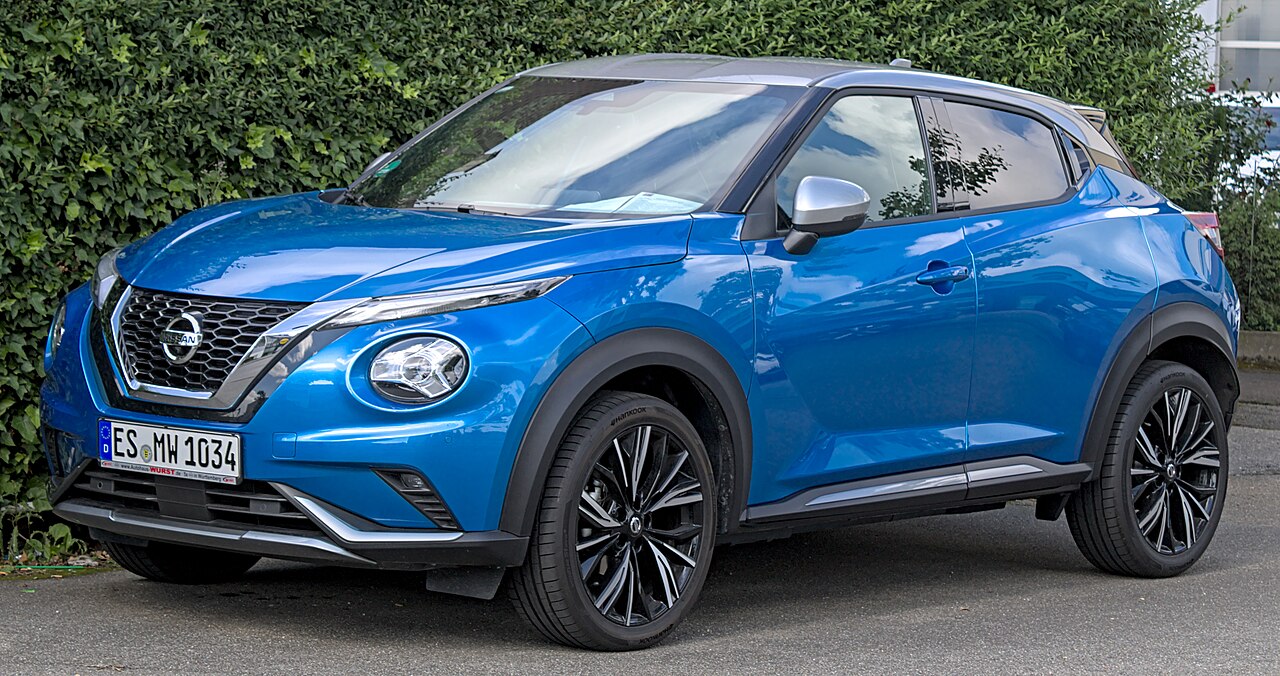
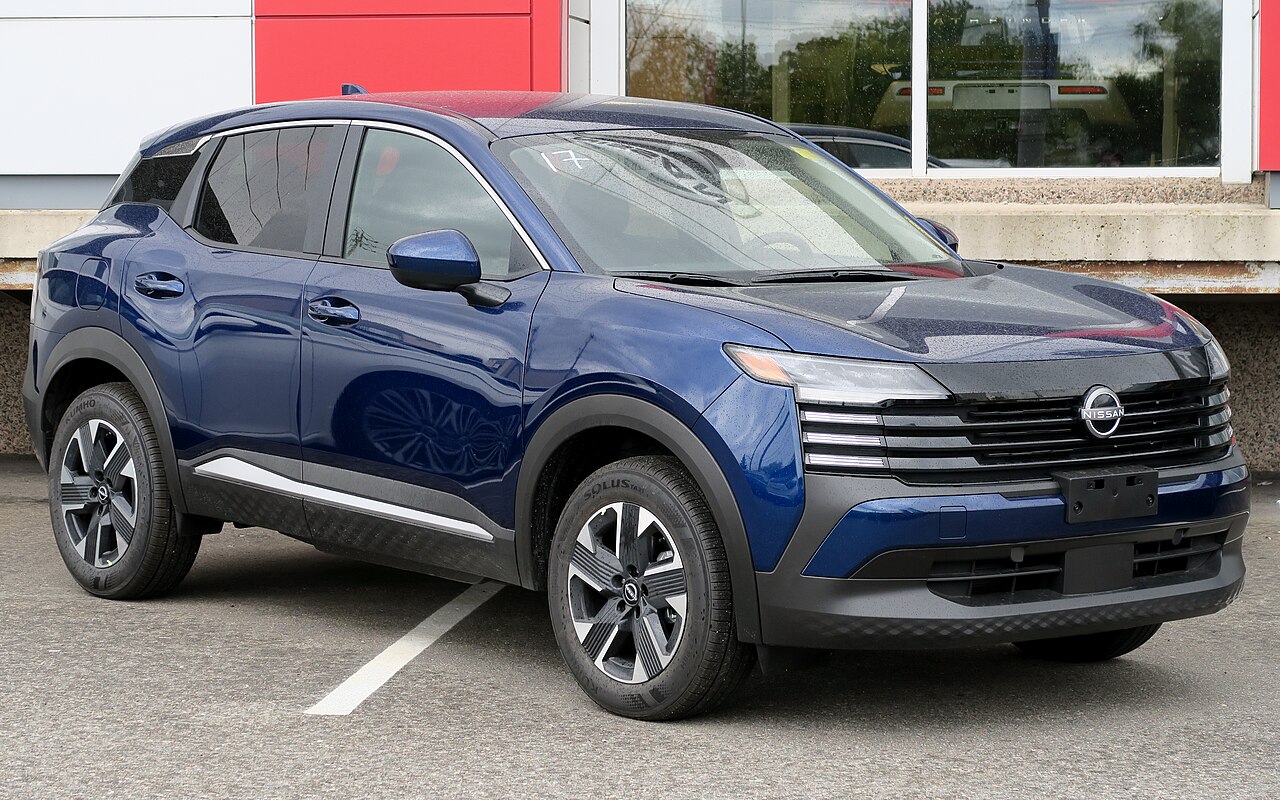
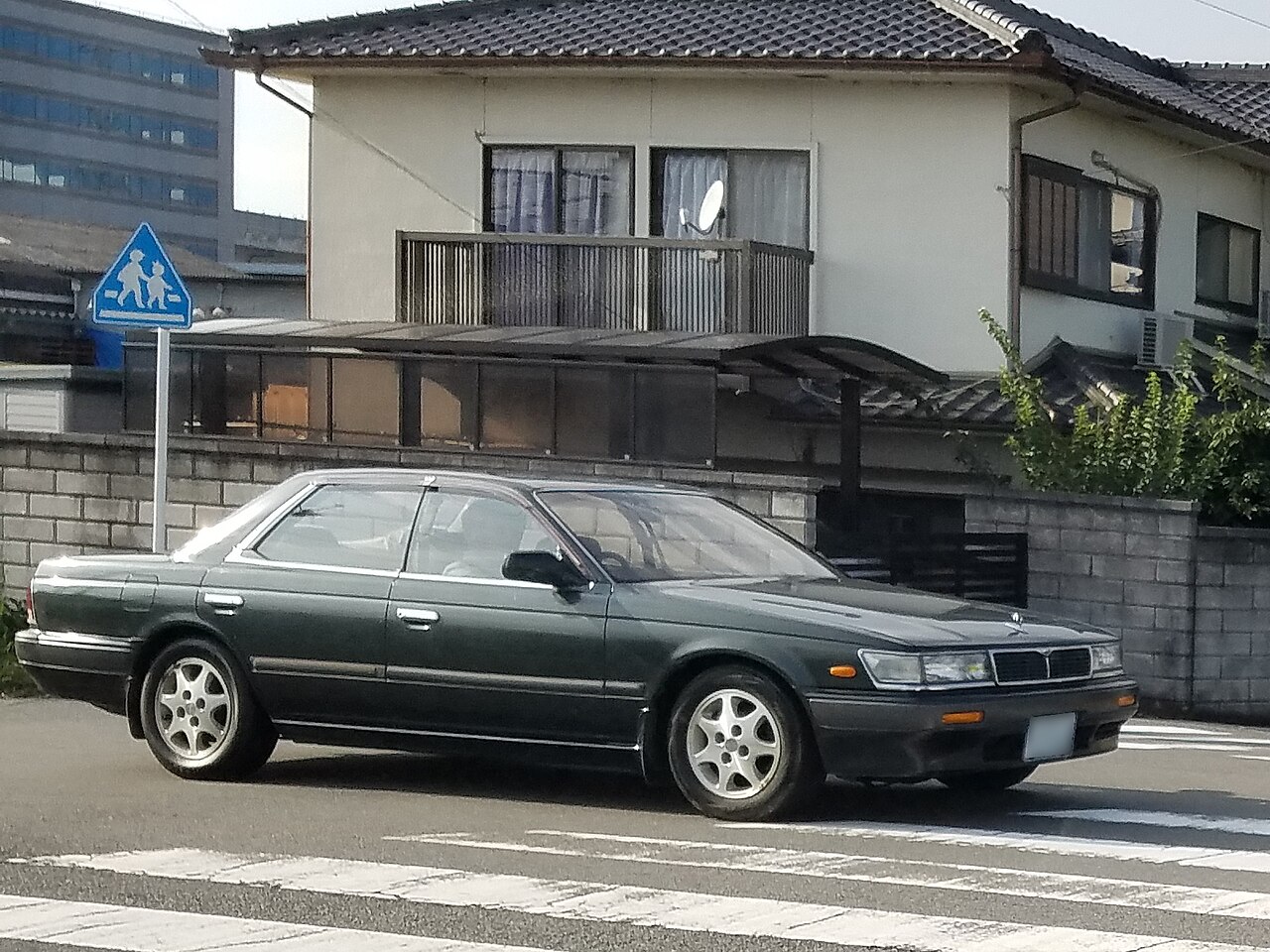
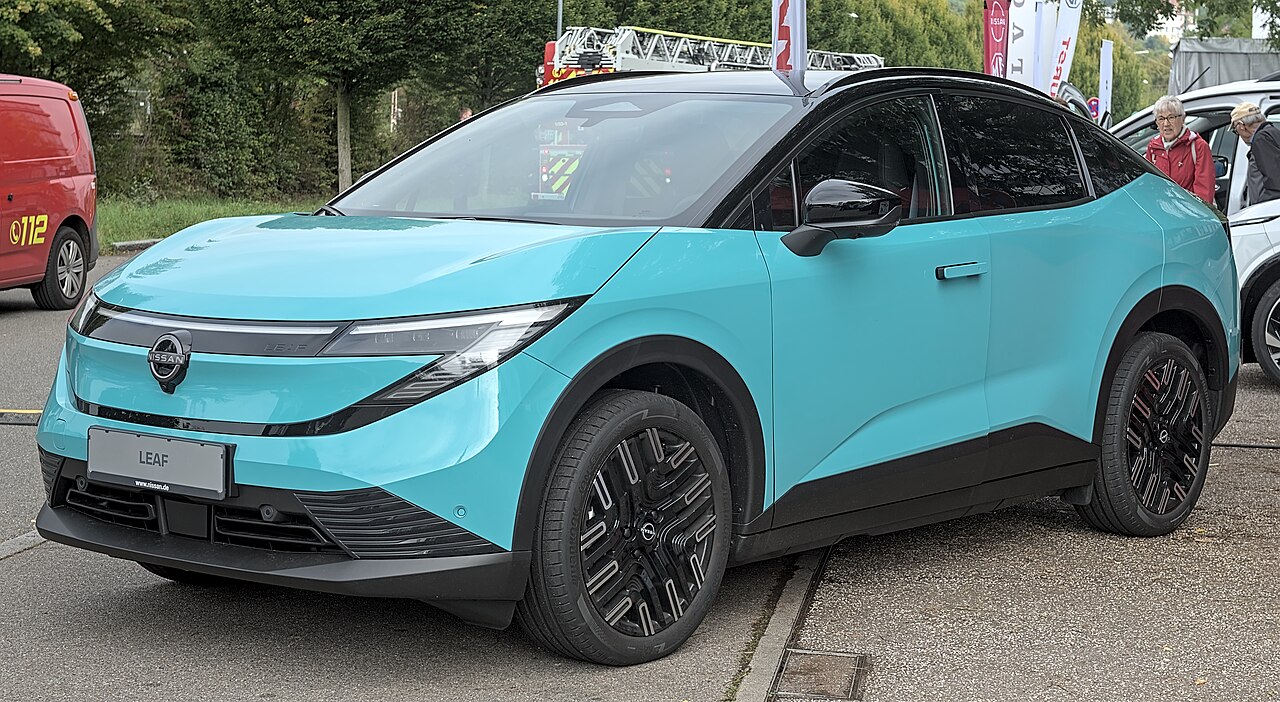
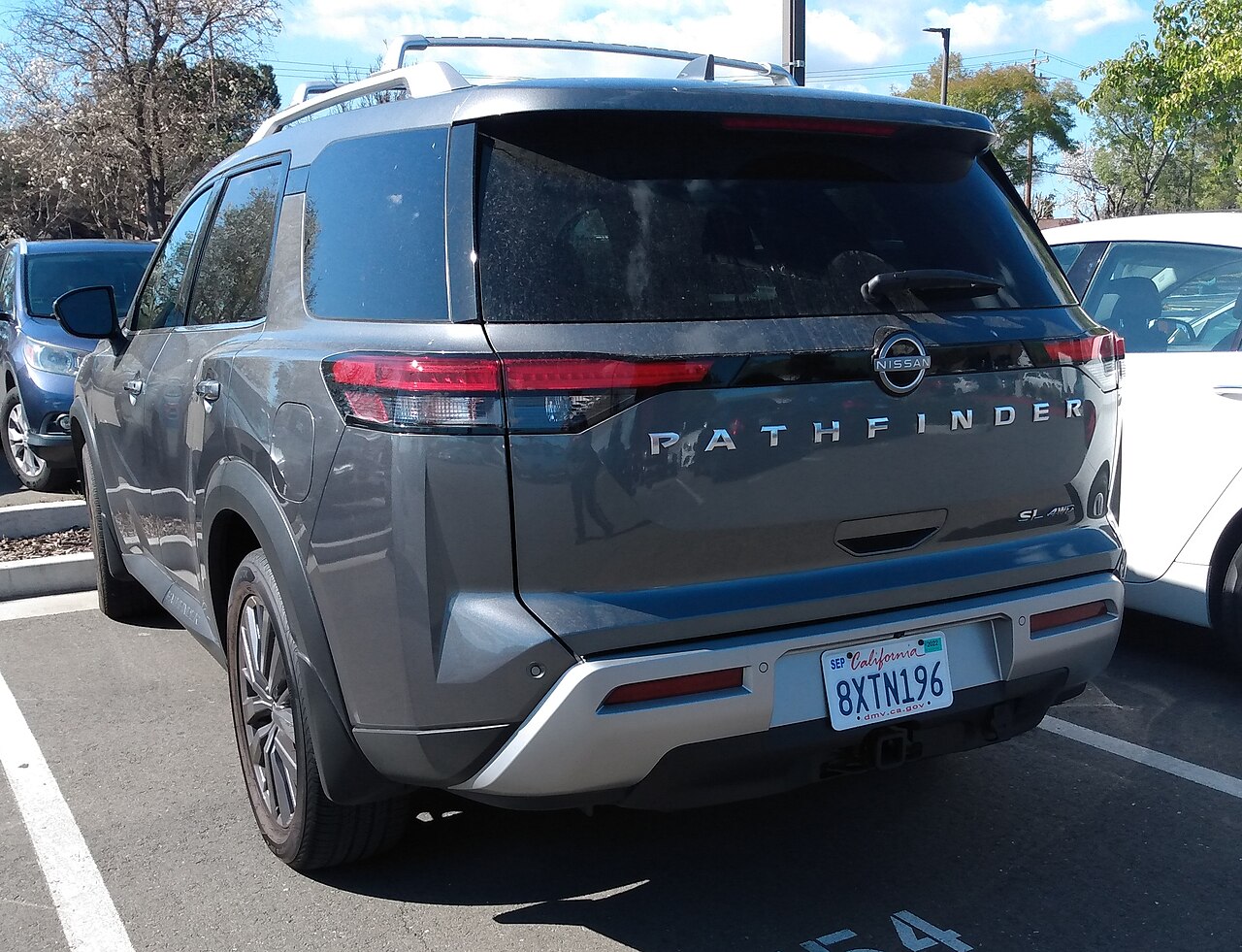
JDMNissan is the giant-killer brand of Japanese performance. The Skyline GT-R lineage from R32 through R34 dominated Group A touring car racing so completely that it was banned from Australian Bathurst. The R35 GT-R, in stock form, ran the Nürburgring fast enough to embarrass cars costing five times as much. The 240Z launched the affordable sports car category in North America in 1970 and is still considered the cleanest Datsun-era design. What sets Nissan apart is range. The Silvia and 180SX/200SX/240SX series became the global standard for affordable rear-drive drift platforms. The 300ZX Twin Turbo was a four-seat grand tourer that could outrun Ferraris of its era. The Patrol and Pathfinder built off-road credibility. And the Cube, Juke, and Leaf showed Nissan was willing to take real design and powertrain risks in segments where most makers played safe. The RB and VR engine families anchor the performance reputation. The RB26DETT in the Skyline GT-Rs is the obvious headliner, but the SR20DET in the Silvia/180SX is arguably more important to grassroots tuning, and the VR38DETT in the R35 GT-R has powered cars to over 3,000 horsepower in drag racing. On WhipJury, Nissan is one of the most active makes. The arena sees clean R32 GT-Rs, drift-built S13s and S14s, R35s in everything from stock to race-prepped, 240Z restomods, and the occasional Skyline R34 Bayside Blue tribute. Browse the leaderboard to see which examples are winning right now.
Top Nissan cars on WhipJury
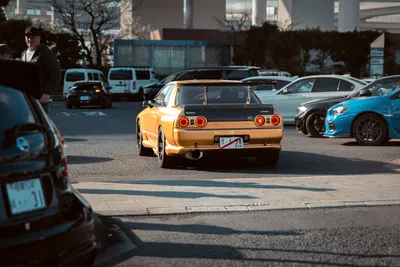
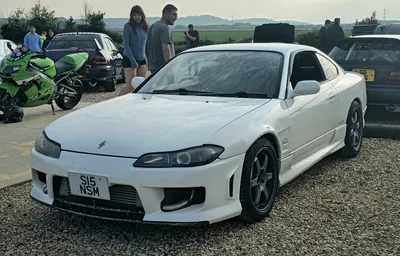
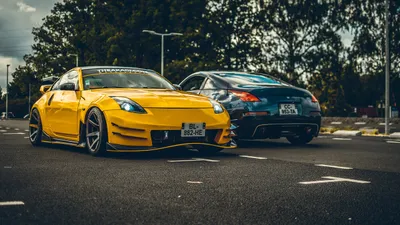
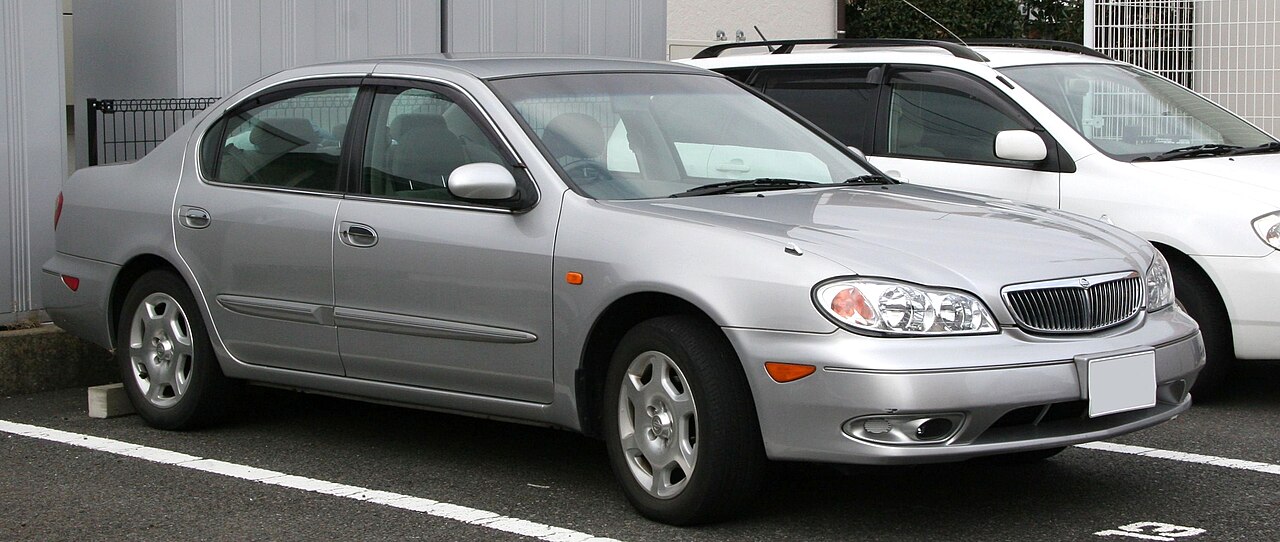
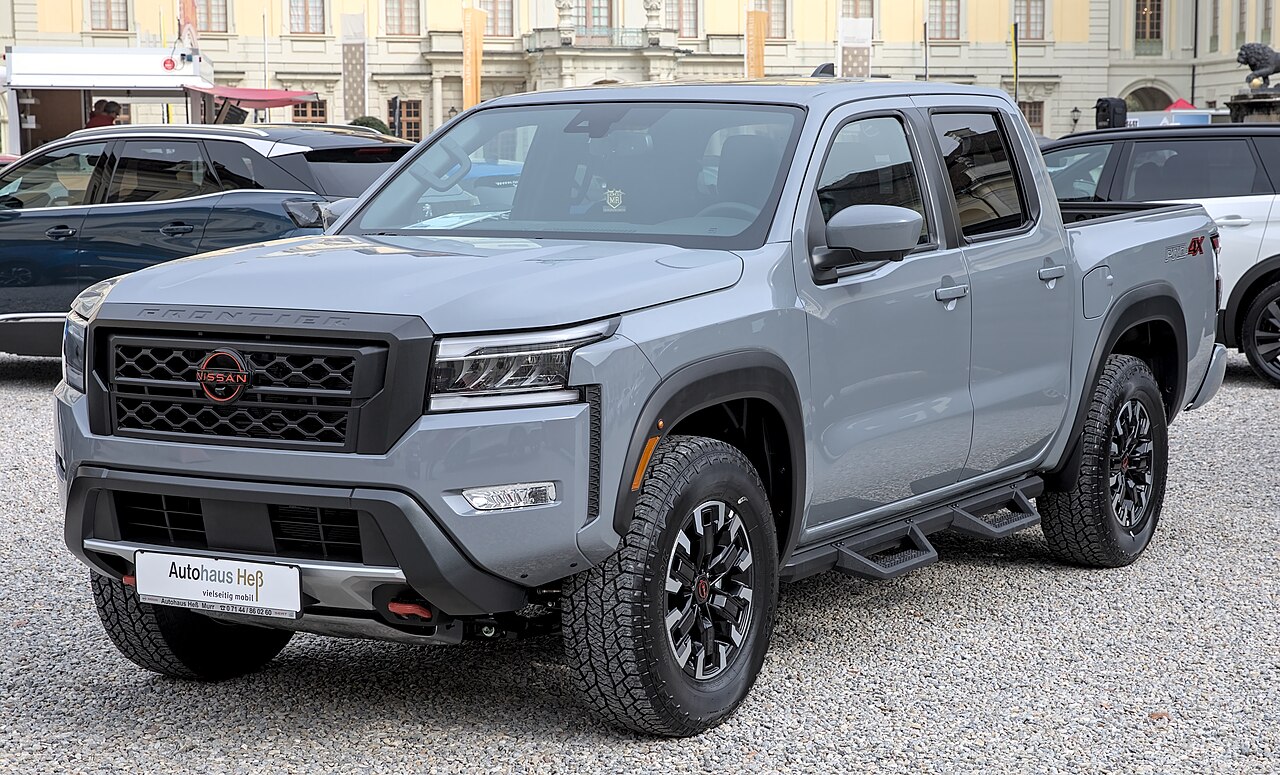
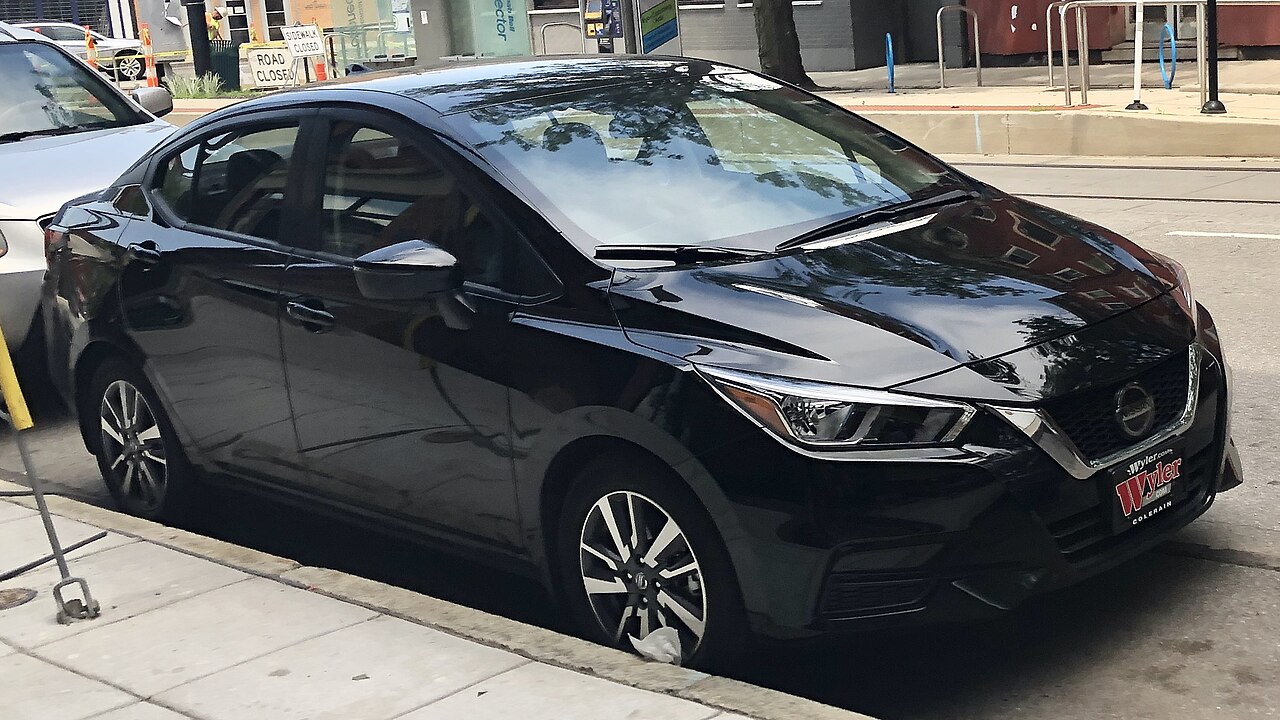
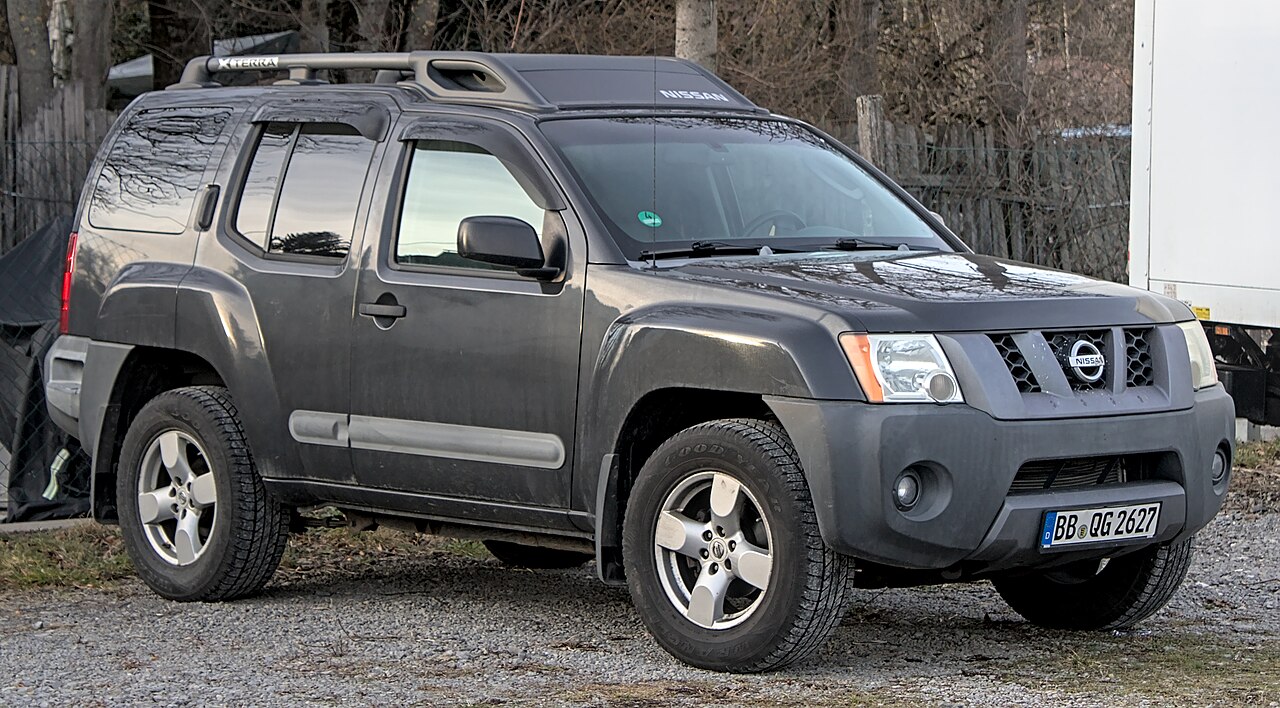
Nissan models we cover
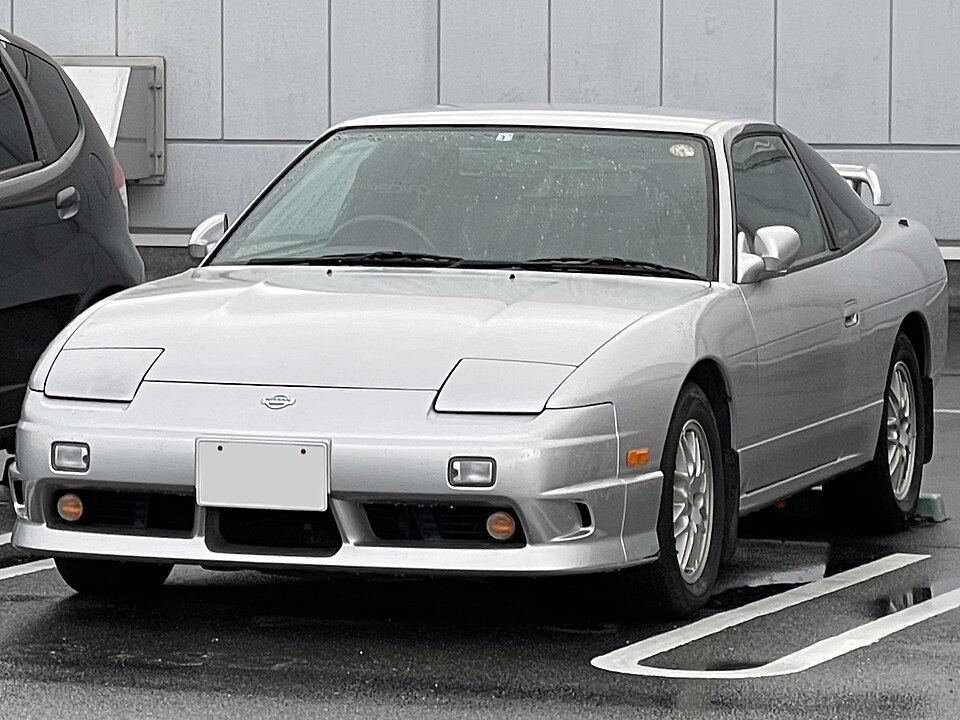
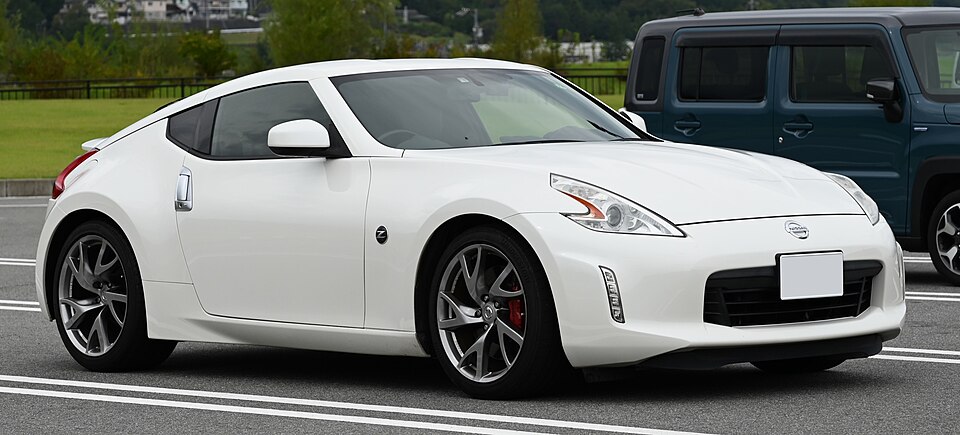
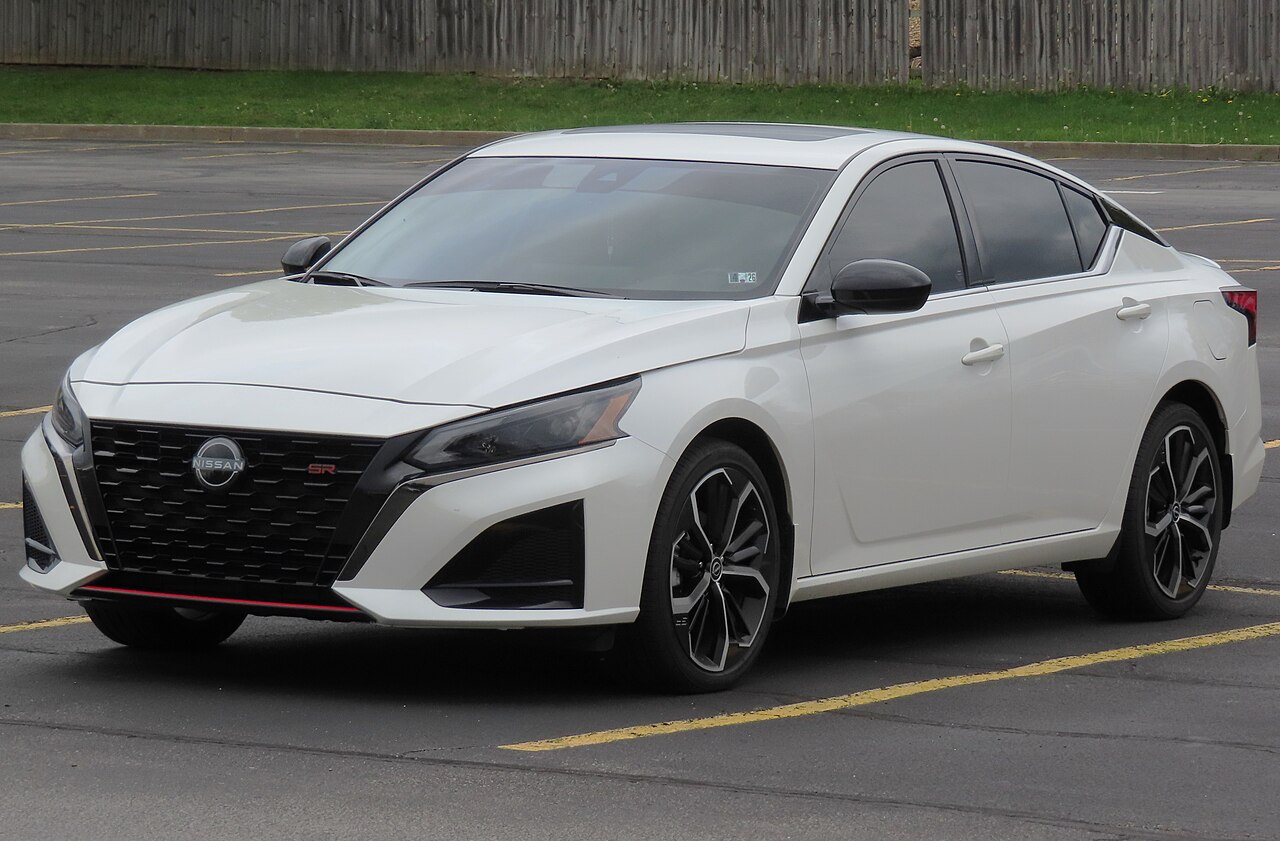
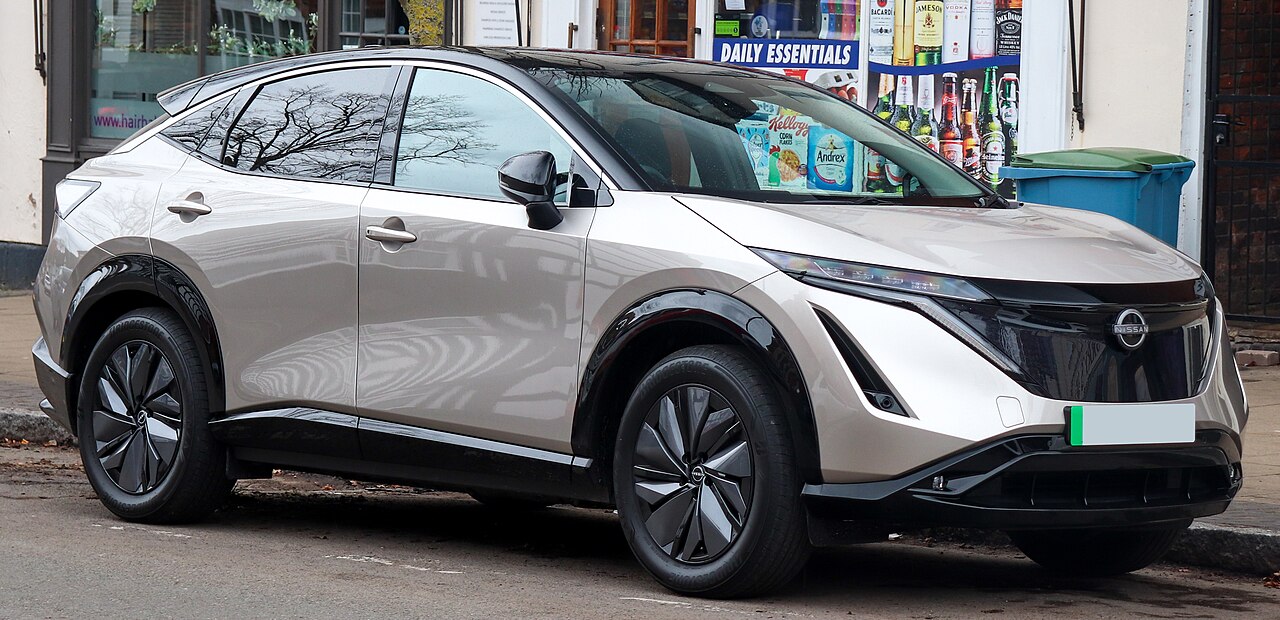
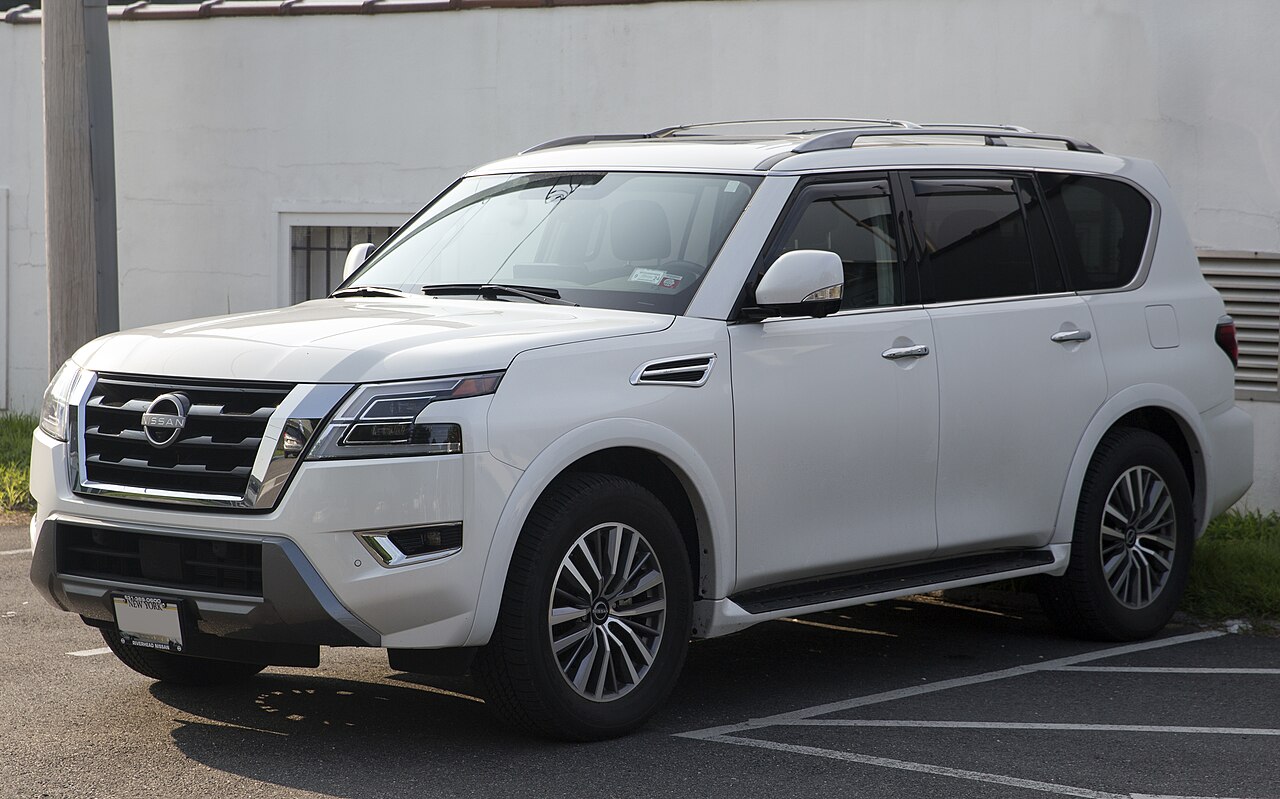
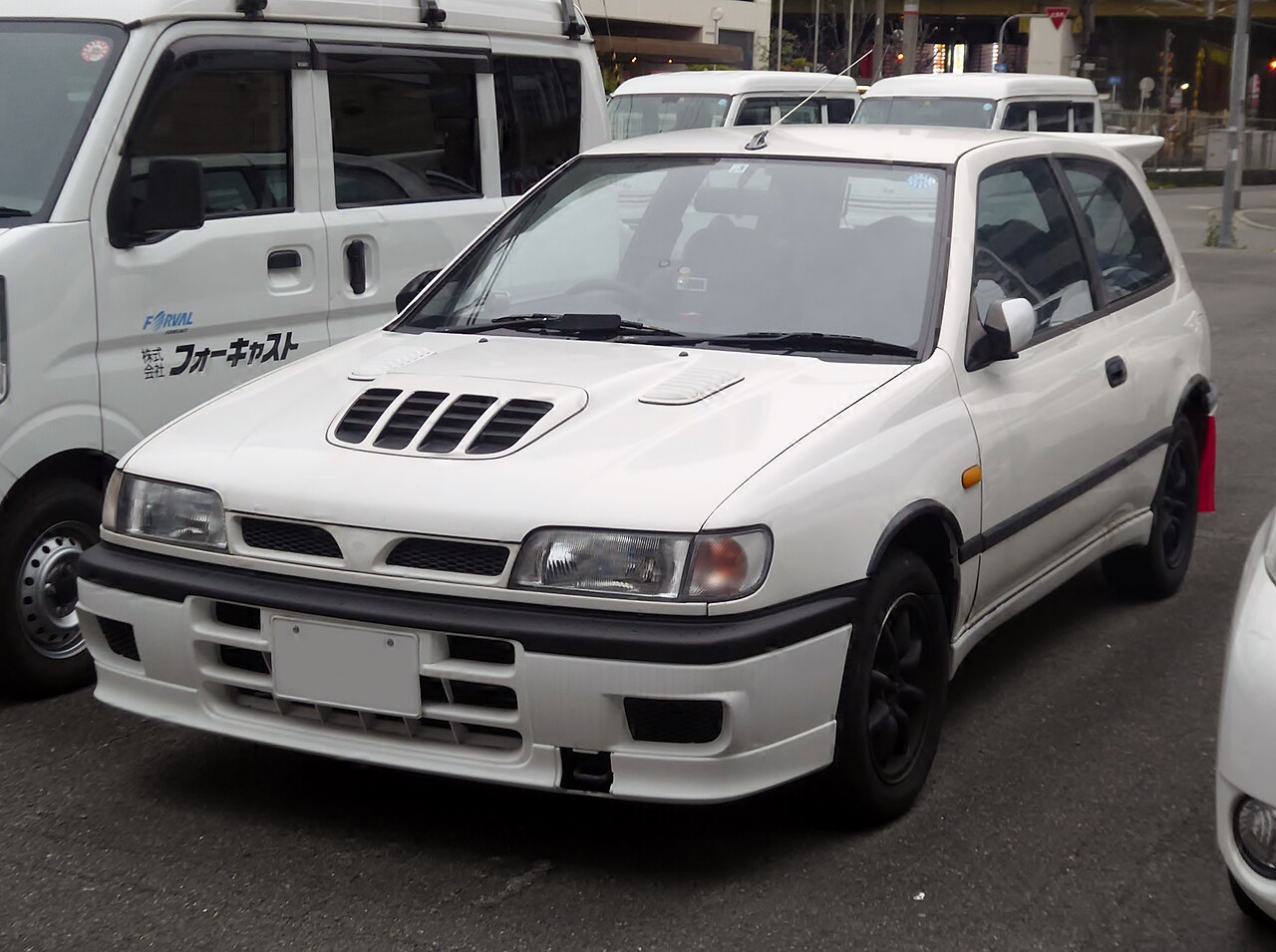
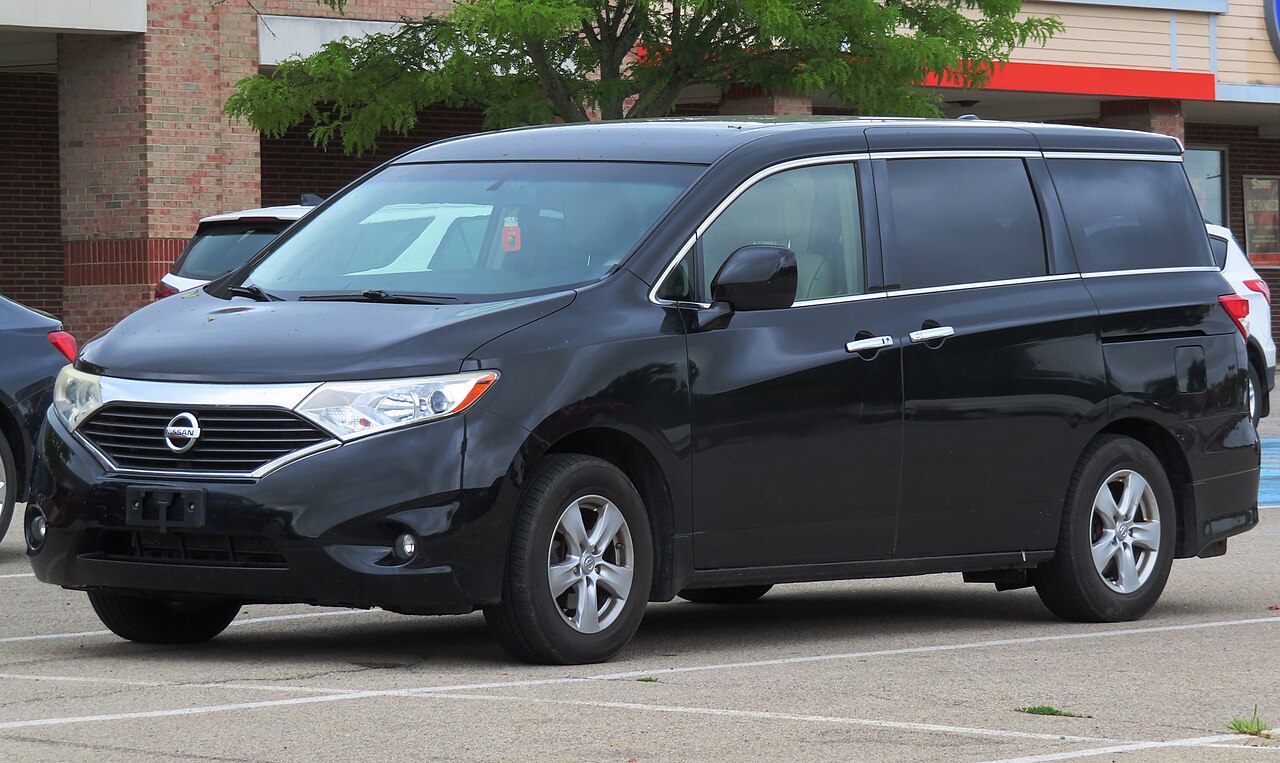
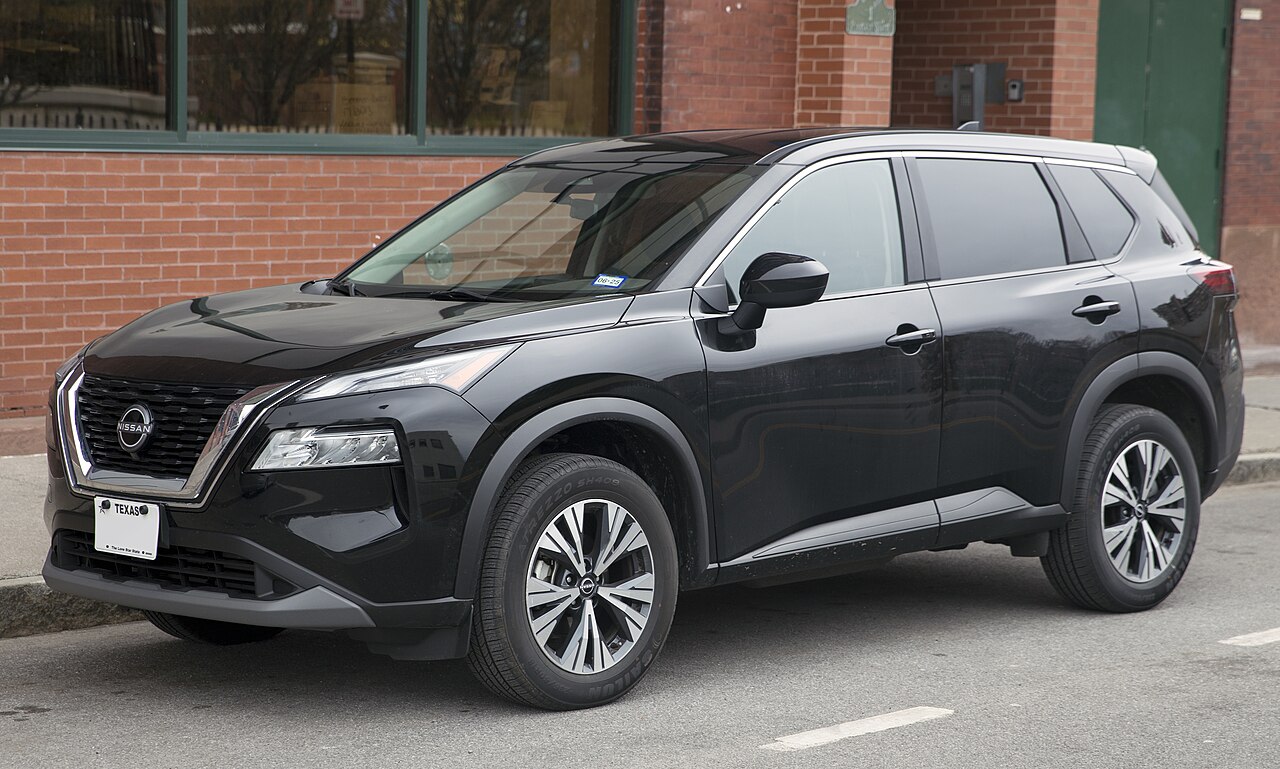
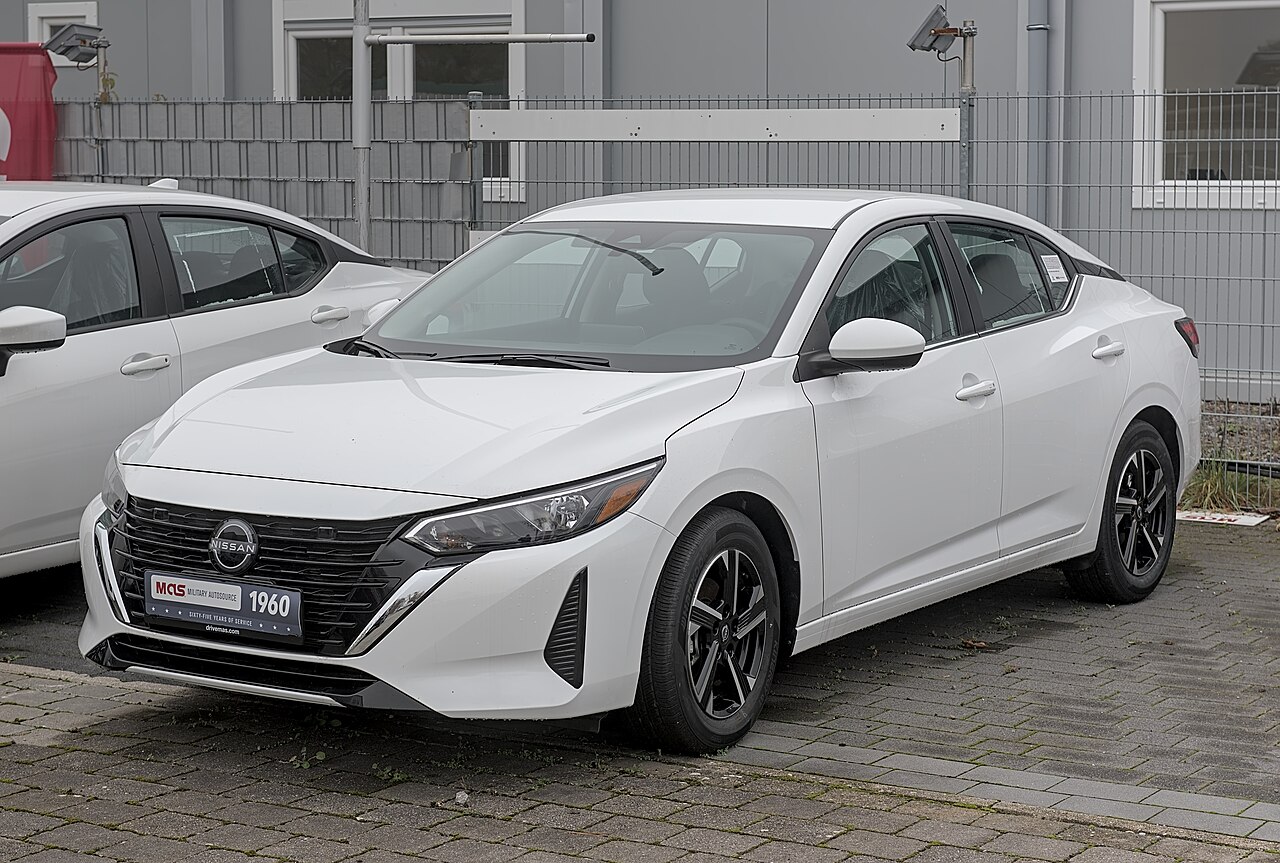
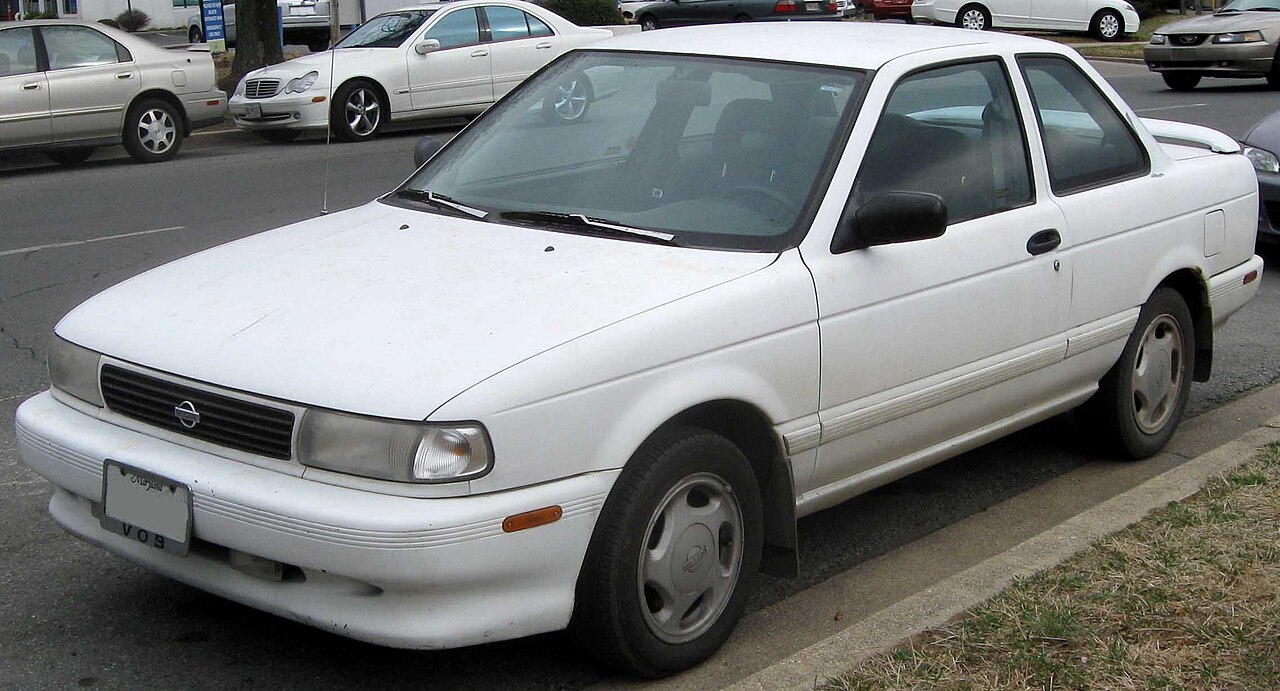
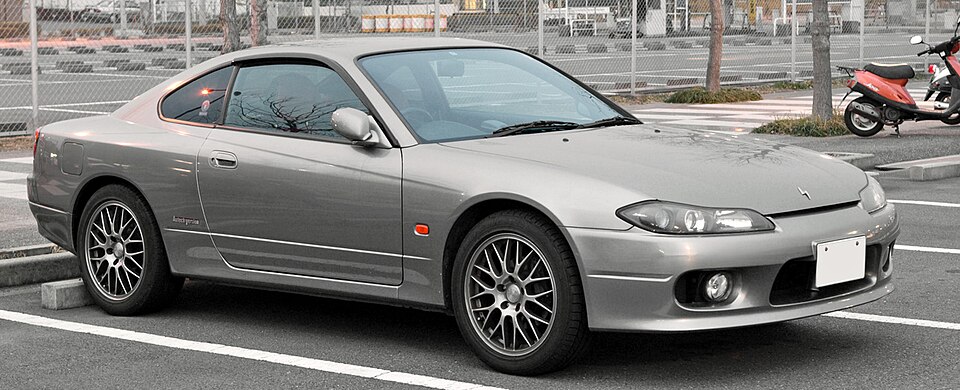
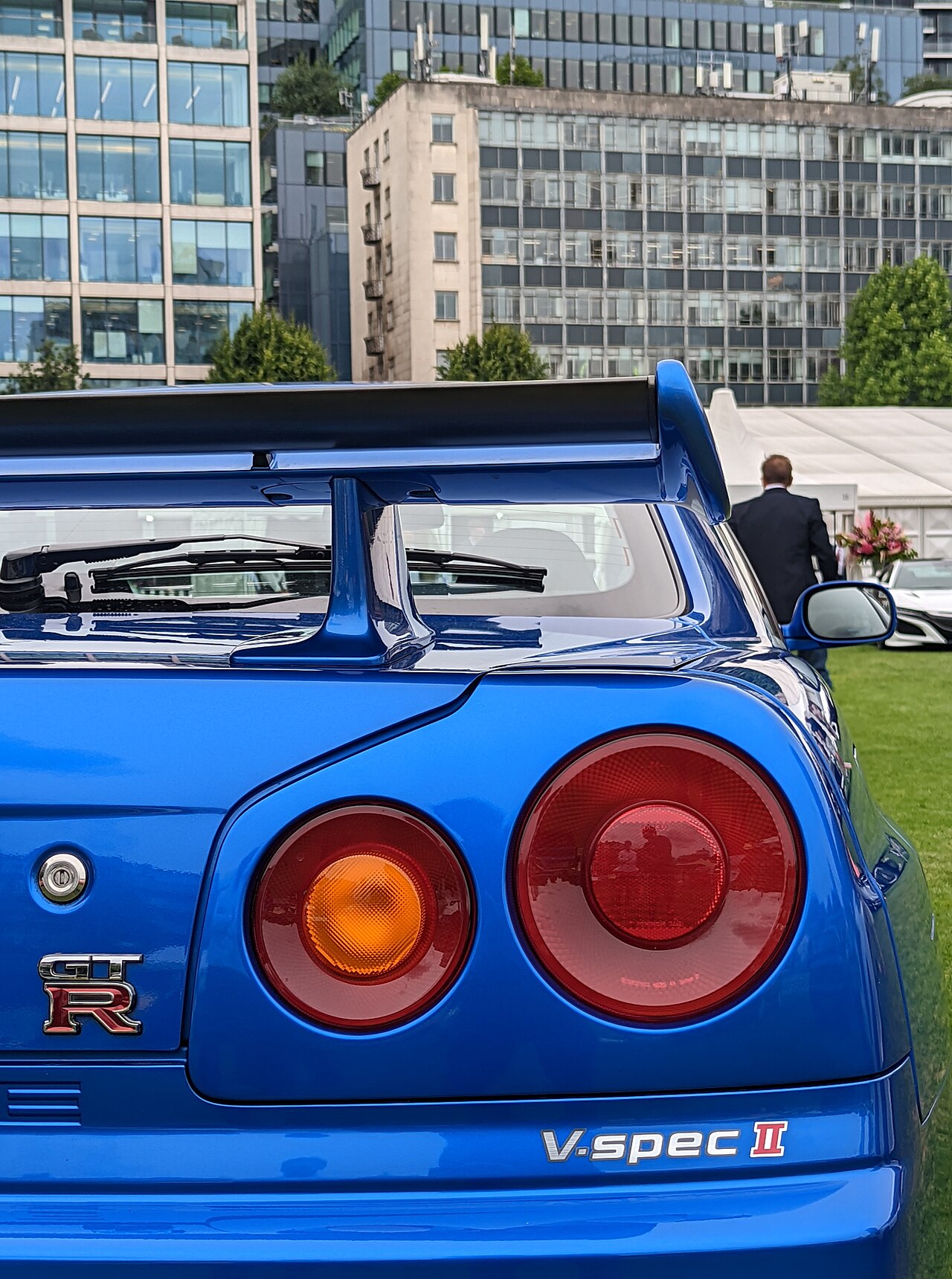
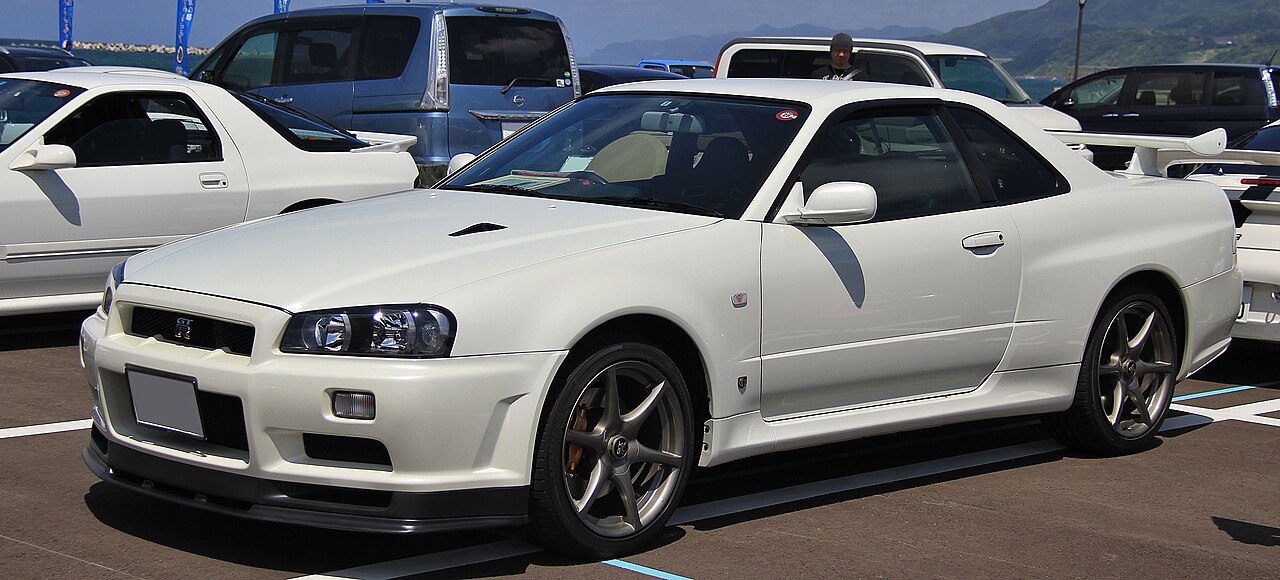
The GT-R lineage
R32 (1989-1994). First Skyline GT-R since the C110 in 1973. The RB26DETT made an underrated 280 horsepower (the Japanese gentleman agreement number), but actual output was higher. ATTESA-ETS all-wheel drive and HICAS rear steering made it dominant in touring car racing.
R33 (1995-1998). Bigger, slightly heavier, more refined. Still uses the RB26 but with revised aerodynamics and an updated drivetrain. Often unfairly dismissed by enthusiasts who prefer the R32 or R34, but the V-Spec is a genuine driver car.
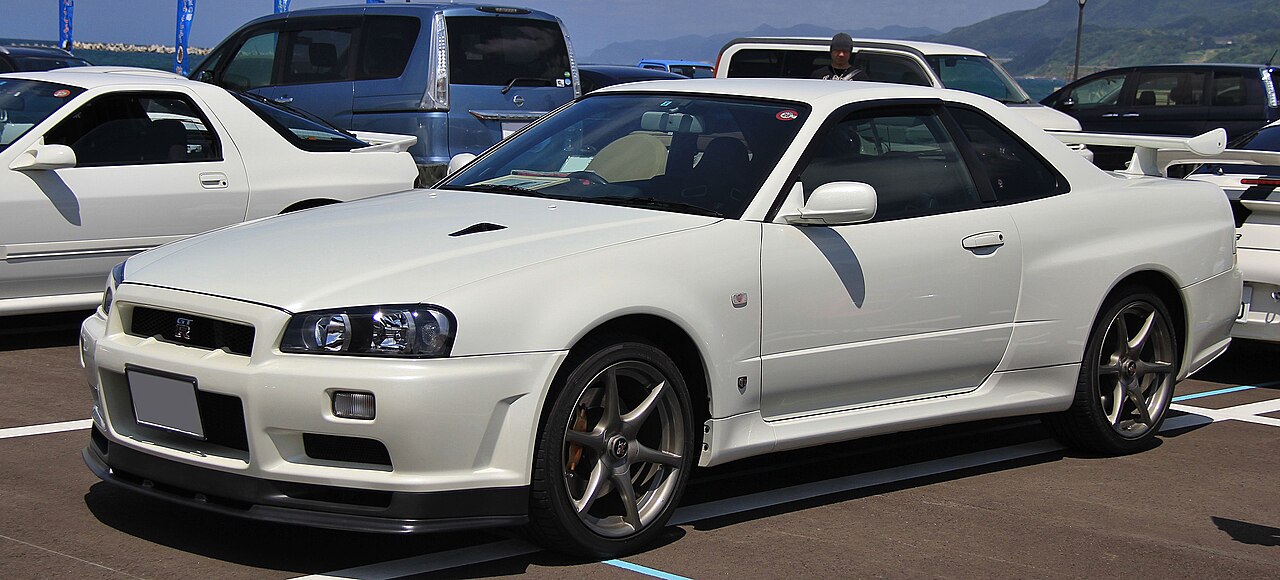
R34 (1999-2002). The defining Skyline for most enthusiasts. Bayside Blue paint, the multi-function display, and the V-Spec II Nur. Six-speed manual and the RB26 in its final, most refined factory tune. Prices today are well into supercar territory.
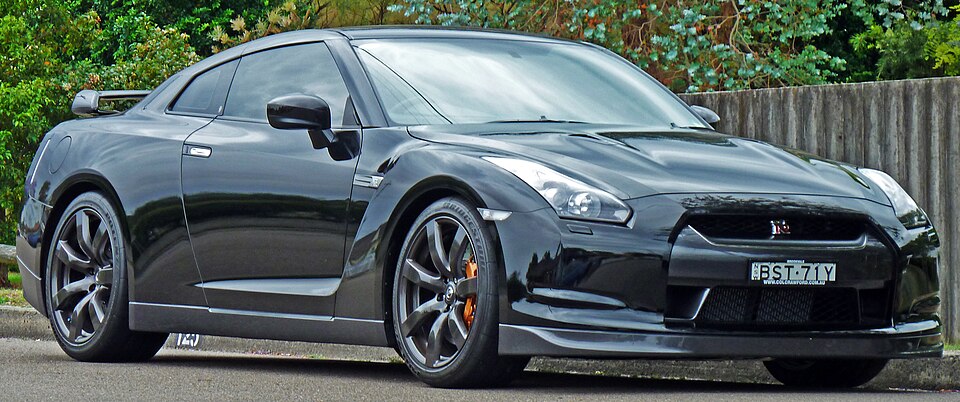
R35 GT-R (2007-present). Drops the Skyline name. New platform, new engine (the VR38DETT 3.8 V6 twin-turbo), dual-clutch transaxle. Faster than supercars costing far more. Nissan kept updating it for over 15 years.
The Silvia and the global drift movement
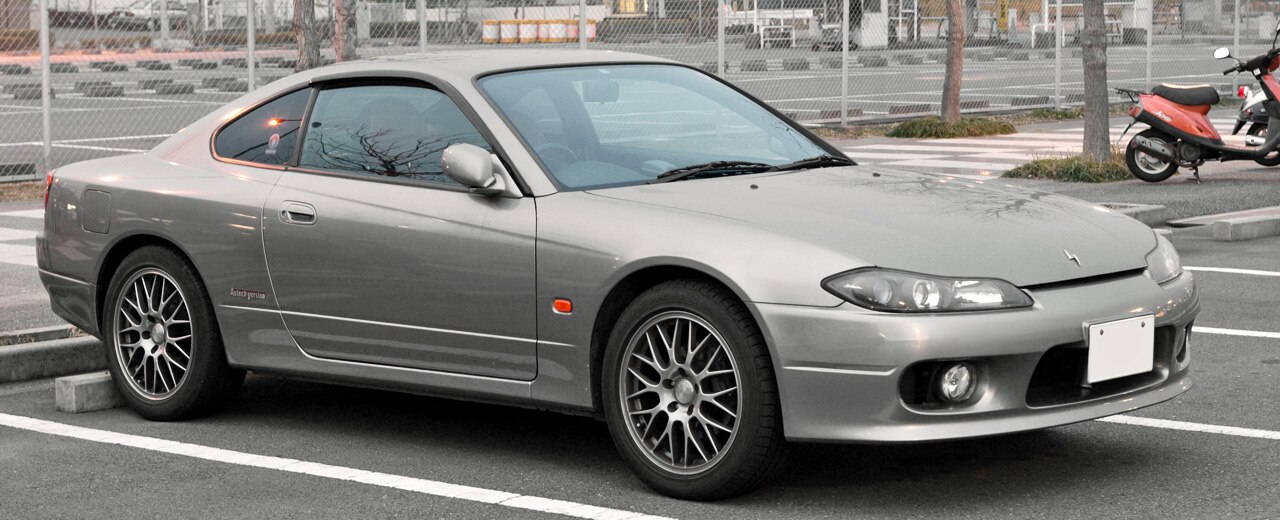
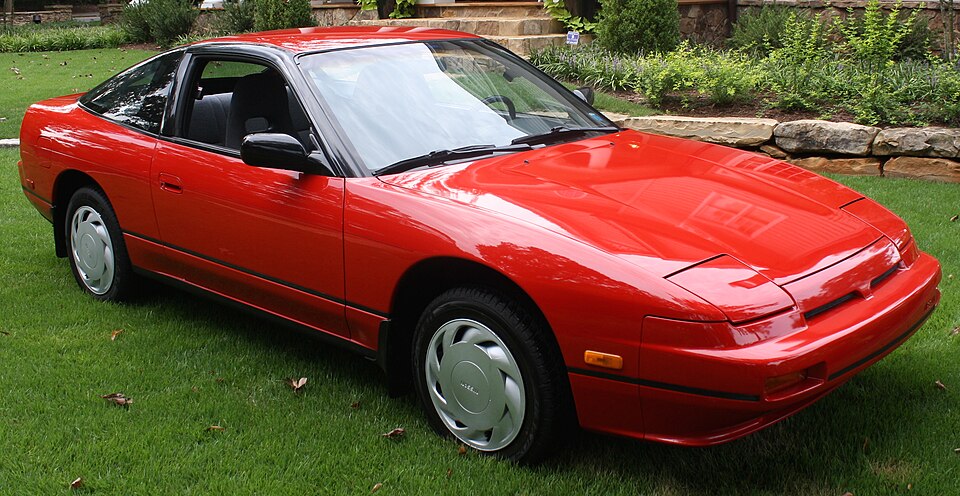
The S13, S14, and S15 chassis (sold as Silvia, 180SX, 200SX, and 240SX in various markets) defined what an affordable rear-drive coupe should be. SR20DET turbo, manual gearbox, balanced chassis, light weight. The chassis is the foundation of grassroots drifting from Japan through Australia, the UK, North America, and Europe. Dollar for dollar, no other car has produced more drift champions.
The 240Z and Z lineage
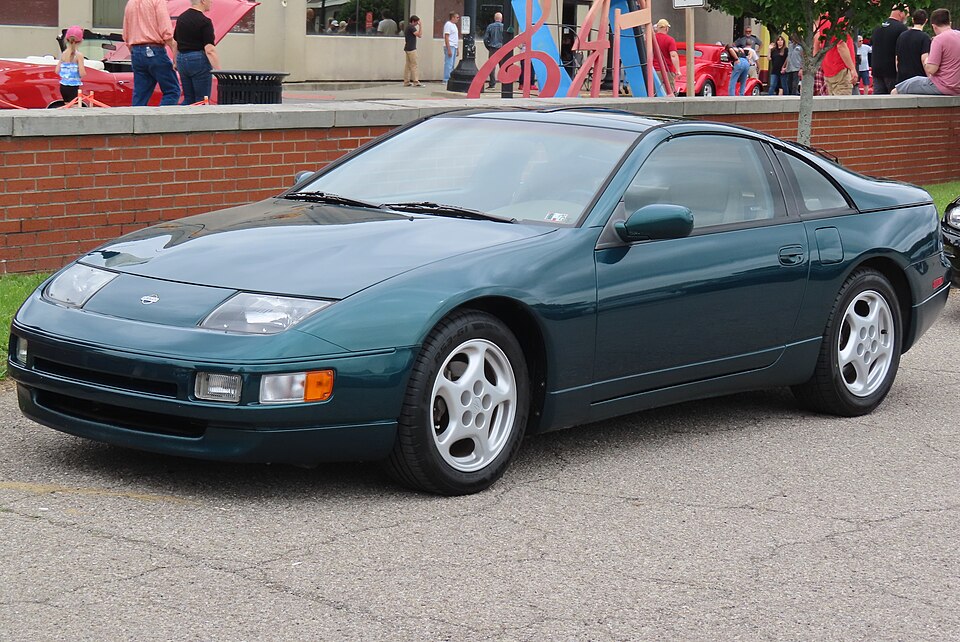
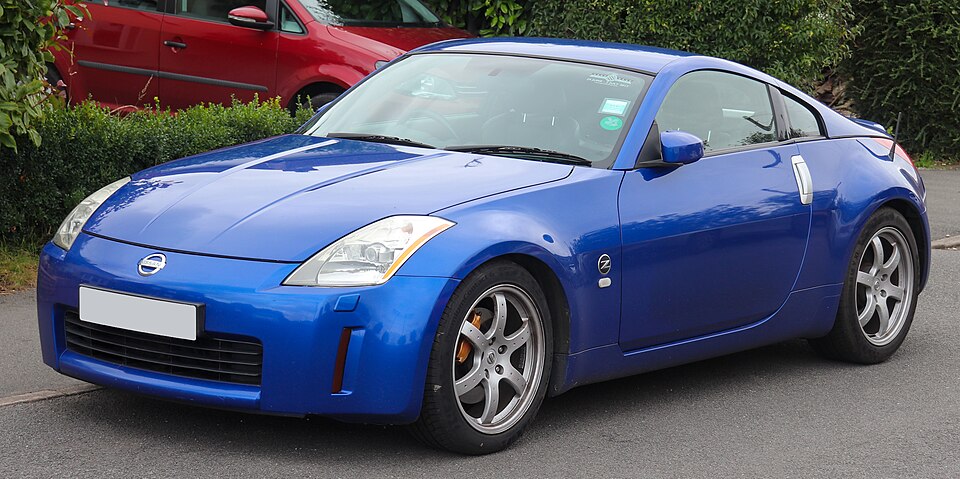
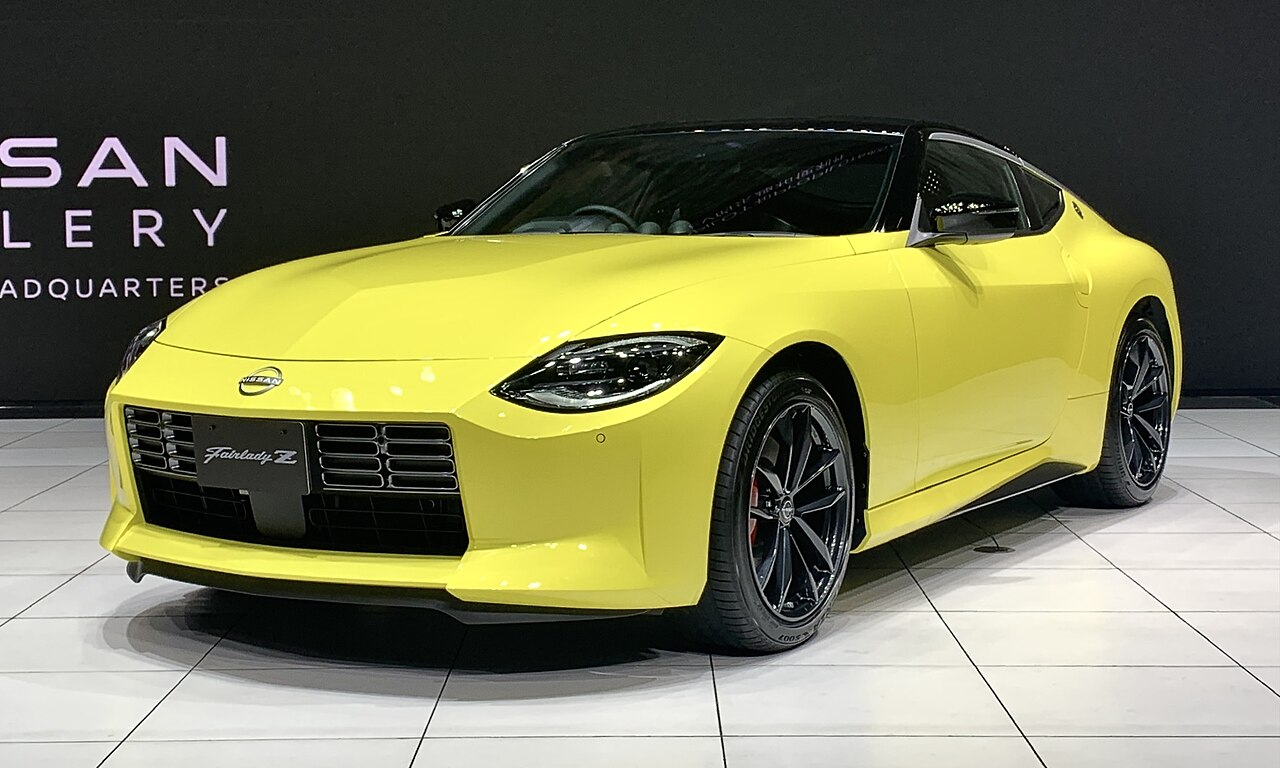
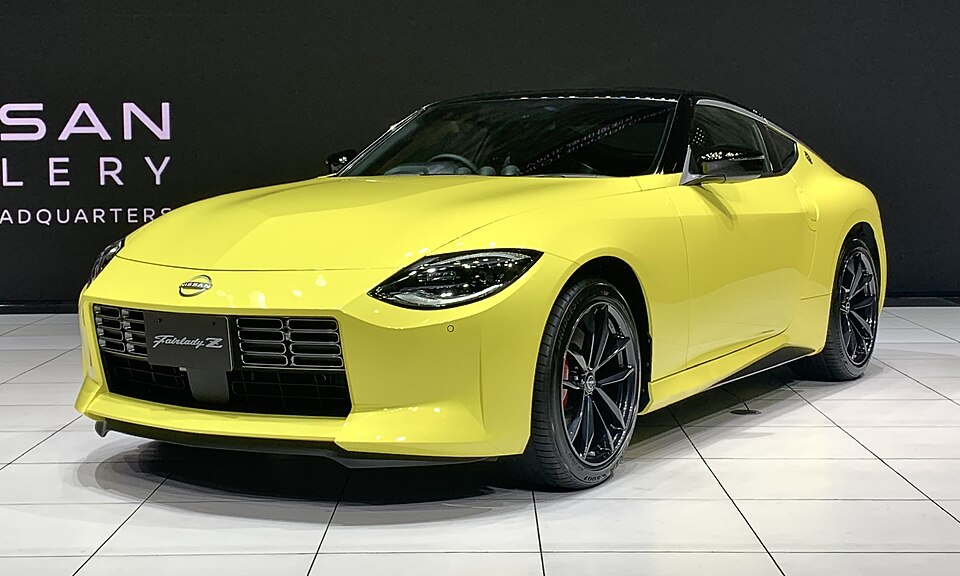
The 240Z (Fairlady Z in Japan) launched in 1969 and was an immediate hit in North America. Light, fast, and inexpensive, it offered a Jaguar E-Type silhouette for less than half the price. The 280Z, 280ZX, 300ZX, 350Z, 370Z, and current Z all trace lineage to that original. The Z32 300ZX Twin Turbo of the early 1990s is widely considered one of the best Z cars ever made.
Nissan on WhipJury
Nissan submissions skew toward Skylines, Silvias, GT-Rs, and Z cars. The community is well-educated on chassis codes and engine codes, so accurate descriptions (CA18DET versus SR20DET, R32 versus R34) tend to fare well in duels. Drift-built examples generally do better than show-only builds.