A widebody kit is a set of body modifications, usually flared or replaced fenders and quarter panels, that makes a car physically wider so it can cover wider wheels and a wider track. Done with intent, it gives a car the planted, muscular stance of a race car. Done as a costume, it gives a stock-powered commuter the proportions of a race car and none of the reasons for them, and everyone can tell.
Whether it makes a car look better is the most reliably divisive question in modification culture, right up there with hellaflush. Here is where the style comes from, who defined the modern version, and an honest framework for when it works.
Where Widebody Came From
The look was born functional. Racing teams widened fenders because regulations let them run wider tires if the bodywork covered them, and homologation rules pushed those flares onto road cars. Japan added its own thread: the works-style racers and bosozoku street culture of the 1970s and 80s, where riveted-on steel overfenders were a statement as much as a tire cover. Every modern widebody trend is remixing those two sources: the race car that needed the width, and the street car that wanted it.
The Modern Era: Rocket Bunny and Liberty Walk
Two Japanese names define the current wave. Kei Miura, who ran Osaka's Kanjo loop in his bosozoku years, fused vintage racing flares with drift culture into the Rocket Bunny kits, with exposed rivets as the signature. His kit for the Toyota 86 arguably launched the entire 2010s widebody boom.
Wataru Kato founded Liberty Walk in 1993 and did the unthinkable: he took the cut-fender, bolt-on-flare treatment to supercars. The first Liberty Walk Lamborghini Murcielago appeared at SEMA in 2009, and purists have not calmed down since. Cutting the steel of a six-figure car to rivet flares on is either vandalism or the purest possible statement that your car serves you, depending on which side of the argument you stand.
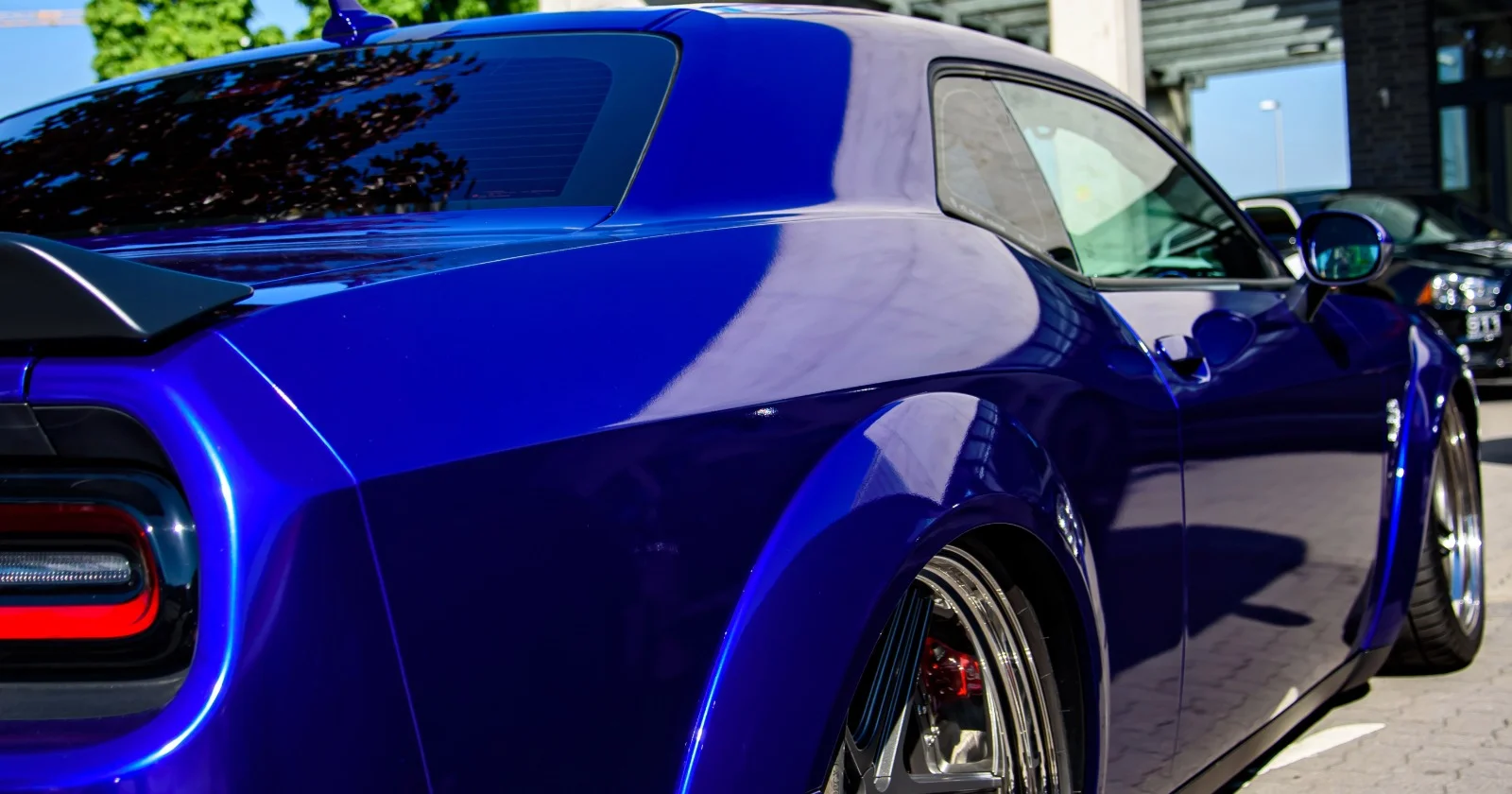
Factories noticed. The Dodge Challenger Widebody, wide-hipped 911 Turbo variants, and a parade of widebody special editions are automakers selling the aftermarket's idea back to the street, with warranty.
When It Works
A widebody works when the width has a reason. The reason can be functional: wider wheels, more tire, more track, on a car with the power and suspension to use them. Or it can be purely visual but coherent: the flares follow the car's existing lines, the wheel fitment fills the new arches exactly, and the stance matches the new footprint. What the eye punishes is mismatch. Flares with narrow tires hiding inside them, gaps between arch and rubber, a widebody sitting at stock ride height: each one reads instantly as a costume with nothing under it.
The quality bar is also unforgiving. A well-fitted kit, painted properly, with consistent panel gaps, looks factory-plus. A badly fitted one announces itself from across a parking lot, and unlike a bad wheel choice you cannot unbolt your way out of cut fenders. That is the real cost of entry: most kits require cutting the original bodywork, which permanently commits the car. On an appreciating classic, that decision follows the car forever.
So Does It Look Better?
The honest answer: a widebody makes a car look more, and whether more is better depends entirely on the car and the execution. Low, wide cars with short overhangs were the proportions sports car designers always wanted, and a good kit pushes a car further toward them. That is why the best widebody builds feel inevitable rather than added. But the style has a saturation problem. When every third build at a meet wears the same flares, the look stops signaling commitment and starts signaling a catalog order.
In WhipJury faceoffs, widebody builds behave exactly like you would expect from all of the above: they collect strong votes and strong rejections, with very little middle. They beat timid builds easily and lose to clean, coherent ones surprisingly often. The arena's verdict matches the framework: voters reward width with a reason and punish width as decoration. If you are deciding whether to commit to a kit, that is the question to answer before the saw comes out.
Sources:
Kei Miura and Rocket Bunny history: MotorBiscuit
Liberty Walk and Wataru Kato: HotCars
Liberty Walk's path from kei cars to supercars: Speedhunters
Frequently Asked Questions

Jeffrey Wiley has spent more time than he'd like to admit thinking about what makes a car look right. He writes about automotive design, car culture, and the opinions people have strong feelings about. He lives in north Georgia.