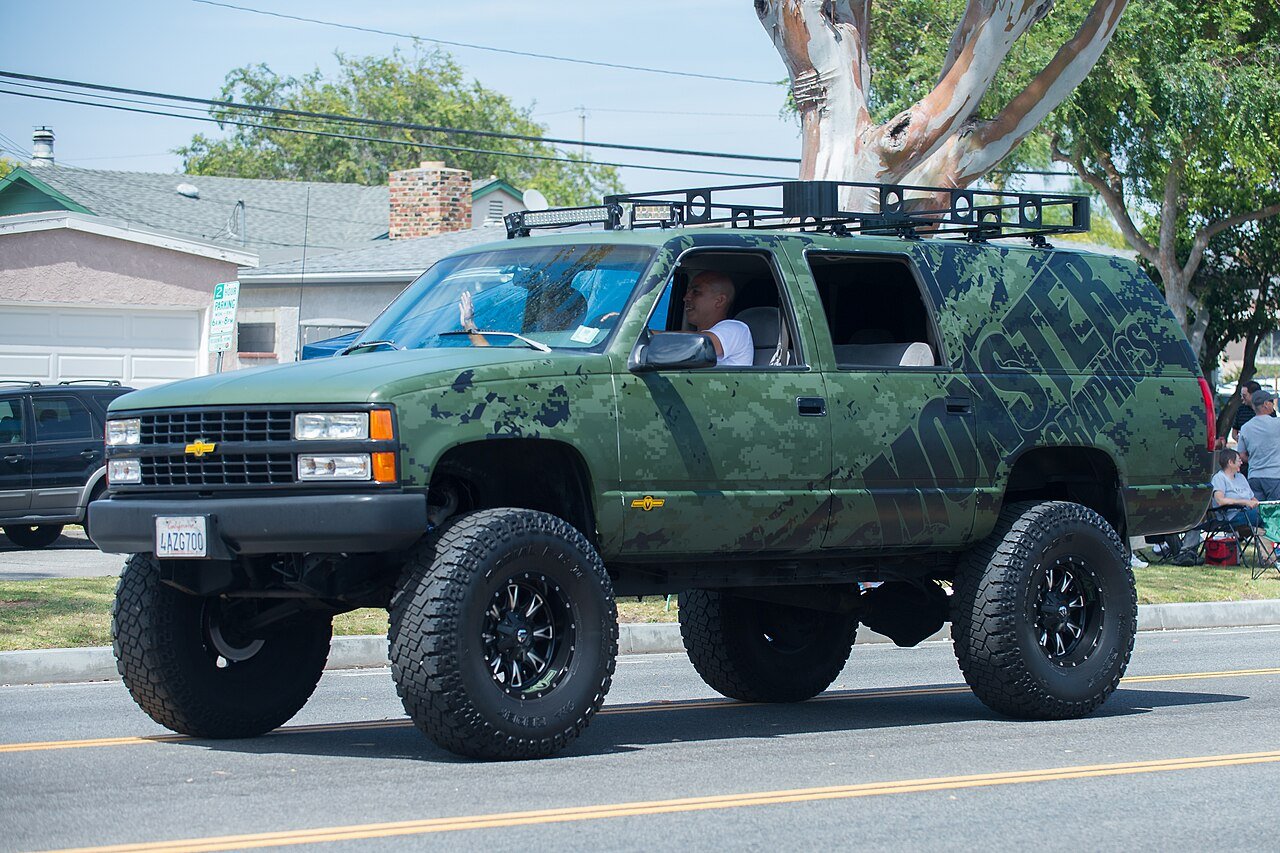
What is Ride Height?
The distance between the lowest point of a car chassis and the ground, and the primary number behind how low a car sits.
Ride height is the measured gap between the ground and the underside of the car. It is the single most consequential number in how a car looks, because lowering a car reduces the visual gap between the tire and the fender and makes the whole body appear wider and more planted.
Ride height also has real mechanical effects. Lowering a car reduces the center of gravity, which can improve handling, but it also reduces suspension travel and can compromise the geometry the car was designed around if taken too far. Extremely low setups scrape over driveways and speed bumps and accelerate wear on suspension components.
Adjustable coilovers and air suspension both exist largely so owners can dial in ride height precisely, whether for handling, for looks, or for the ability to raise the car when needed.
Related terms
Frequently asked questions
Ride Height on the blog
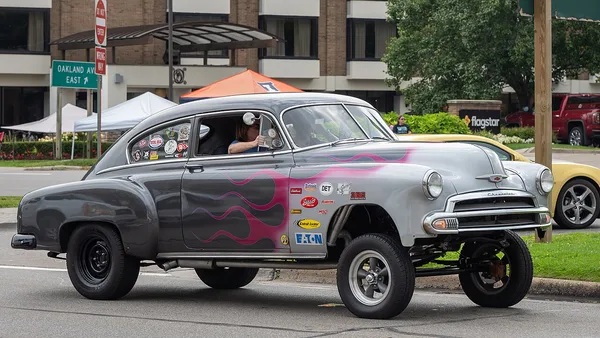
Rake is the tilt of a car from front to back. Hot rods run it nose-down, 1960s gassers ran it nose-up for traction, and pickups leave the factory with the rear sitting higher so they can carry a load.
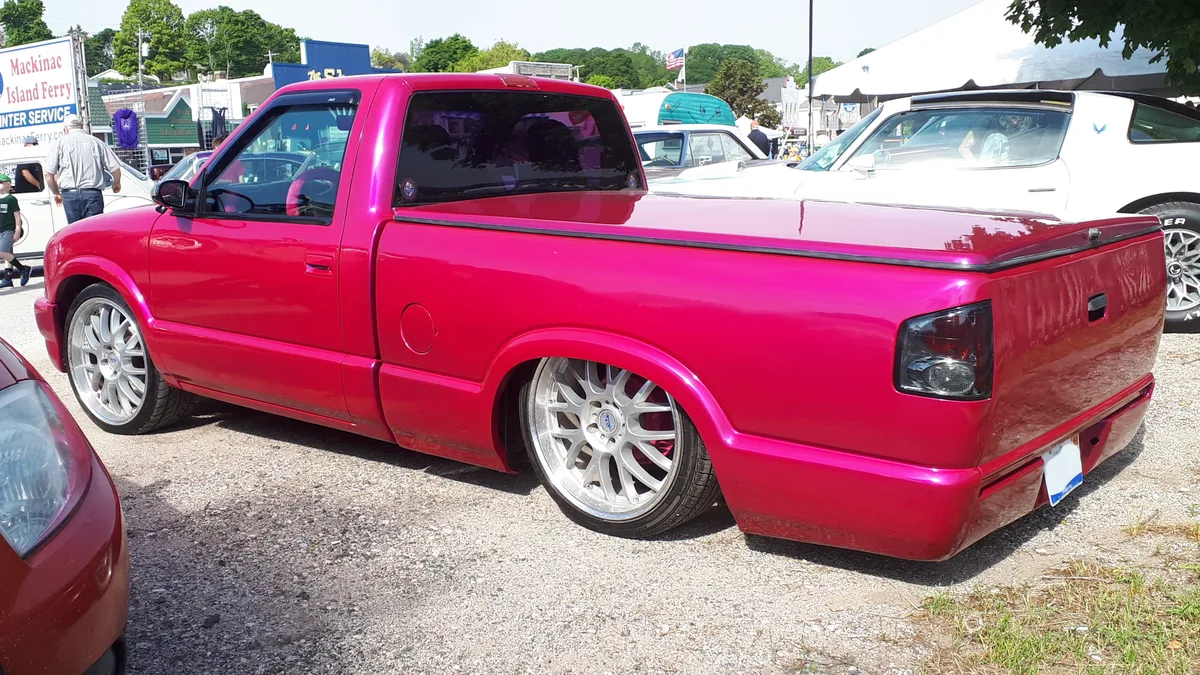
Lowering a car is legal in most states until it crosses a specific line. California says the body cannot sit lower than the lowest part of any wheel rim, Washington requires fenders to cover the full tire tread, and some states set bumper heights instead. Air suspension is how the stance scene stays legal.
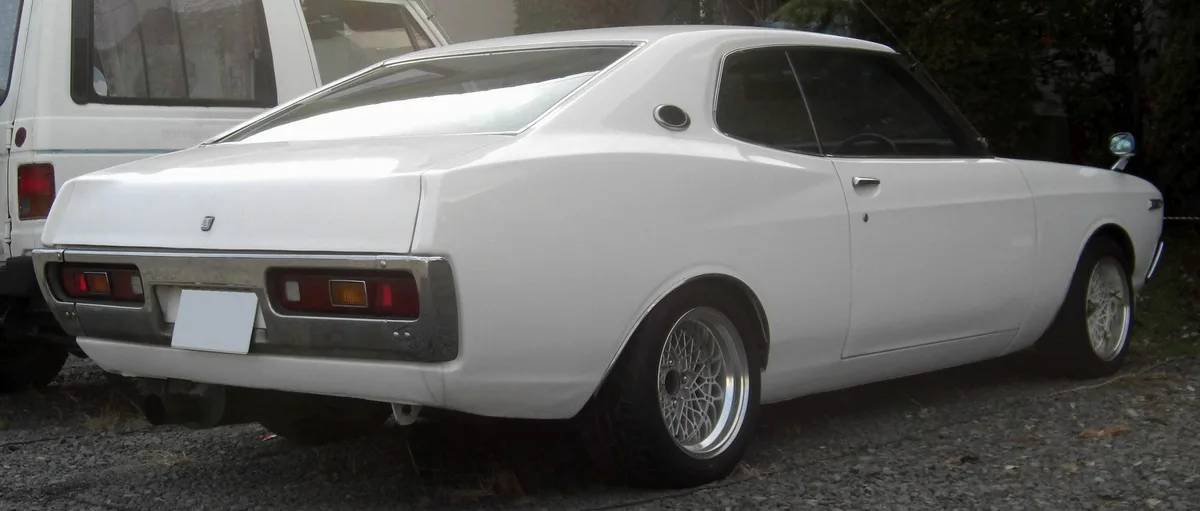
Shakotan literally means low car, and it's the 1970s Japanese style that every lowered car since has descended from. Deep-dish wheels, a scraped ride height, mild flares, and clean lines. Here's what separates it from bosozoku, kaido racer, and VIP style.

OEM Plus, or OEM+, is a build philosophy: upgrade a car using factory or factory-style parts, often borrowed from higher trims or related models, so it looks like it could have left the factory that way. The whole point is restraint.