DuelsLeaderboardGarageBlogCarsGlossaryBrowse

Toyota 86

Toyota

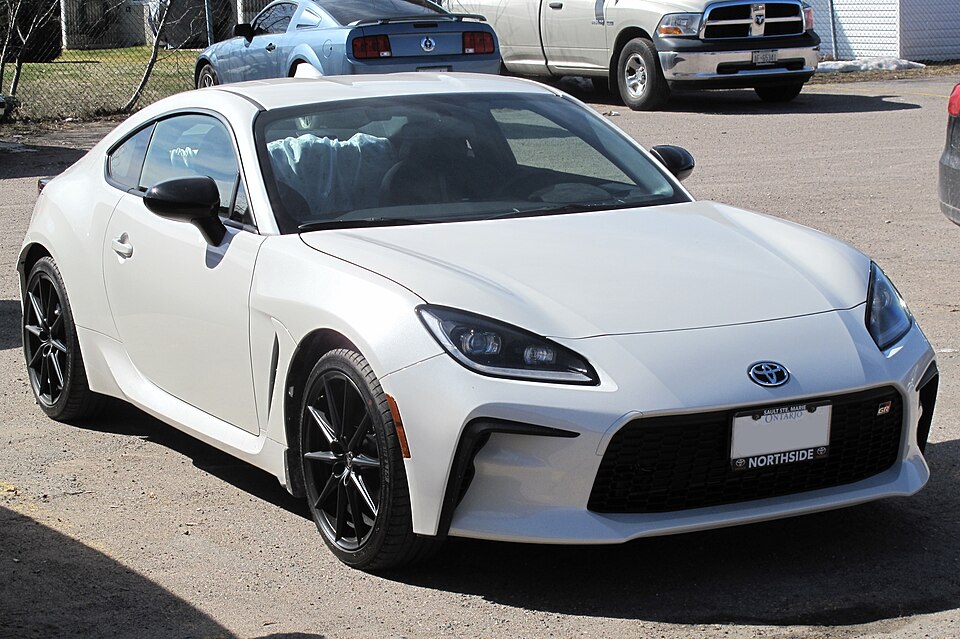
Toyota 86: Toyota's affordable rear-drive sport coupe (2012-2020), co-developed with Subaru. The spiritual AE86 successor
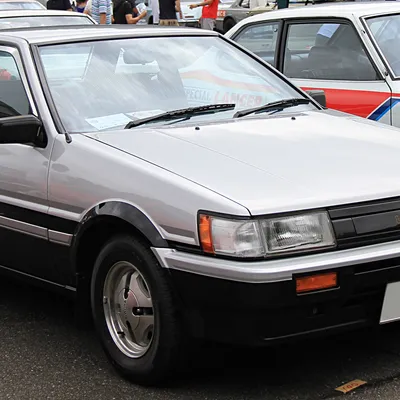
Photo: Elise240SX / Wikimedia Commons · CC BY-SA 4.0

Toyota's affordable rear-drive sport coupe (2012-2020), co-developed with Subaru. The spiritual AE86 successor before the GR86 rename.

The Toyota 86 (also sold as Toyota GT86 in some markets, Subaru BRZ as the sister car, and Scion FR-S in North America from 2012-2016) is an affordable rear-drive sport coupe produced from 2012 to 2020 (first generation, ZN6) and 2022+ (second generation, ZN8, rebadged as GR86). The 86 was a collaborative project between Toyota and Subaru, with the goal of producing an affordable lightweight RWD sport coupe to compete with the Mazda MX-5 Miata and Hyundai Genesis Coupe. The first-generation 86 used a Subaru FA20 naturally aspirated boxer four-cylinder making 200 horsepower (or 205 horsepower in revised tuning from 2017+). Six-speed manual or six-speed automatic transmissions were available. Rear-wheel drive only. The chassis weighs around 2,750 pounds, providing strong power-to-weight ratio for an affordable sport coupe. The 86 became a cultural success despite modest performance numbers. Reviews consistently praised the chassis dynamics, the manual transmission, and the general driver engagement. The car became a popular autocross platform, track day weapon, and modification project. The combination of affordability, RWD layout, manual availability, and balanced chassis appealed to a generation of enthusiasts. The first-generation 86 / GT86 / FR-S ended production in 2020. The second-generation 86 (rebadged as GR86 in 2022+) refines the formula with the larger FA24 boxer engine making 228 horsepower, slightly stiffer chassis tuning, and updated styling. The GR86 has been positioned as a Gazoo Racing performance product, with potential for future Gazoo Racing performance variants. On WhipJury, 86 submissions are common, including FR-S, GT86, and 86 examples. The 86 has been a popular tuner platform, with engine swaps (K20A, LS V8) being common modification choices.

The 86 vs FR-S vs BRZ

All three are essentially the same car with different badges and minor tuning differences. The Toyota 86 / GT86 / Scion FR-S sold in different markets across different years. The Subaru BRZ is the Subaru-badged version. All three share platform, engine, transmission, and most components; minor suspension tuning differs between Toyota and Subaru variants.

Generations

First-generation 86 / GT86 / FR-S (2012-2020). ZN6 chassis. FA20 boxer engine making 200-205 horsepower. Six-speed manual or automatic. The 2017+ revision added power and refinement.

GR86 (2022+). Second-generation, rebadged as GR (Gazoo Racing). FA24 engine making 228 horsepower. Chassis stiffened. New styling.

86 on WhipJury

FR-S, GT86, and 86 submissions are common. Modified examples (K20 swaps, LS swaps, turbo conversions, suspension upgrades) appear regularly. Stock examples in clean condition reliably do well. The platform has built a strong tuning community.
Frequently asked questions about Toyota 86

What is the difference between 86, GT86, and FR-S?
Different names for the same first-generation car in different markets. Toyota 86 was the global Toyota name (some markets). GT86 was the European Toyota name. Scion FR-S was the North American Toyota brand name from 2012-2016 (when Scion was discontinued, the car became Toyota 86 in 2017-2020 model years). All three refer to the same ZN6 chassis with FA20 engine.
Is the 86 fast?
Modest by modern sport car standards. The 86 makes 200-205 horsepower naturally aspirated, with 0-60 in around 6.0 seconds. The GR86 (228 horsepower) is slightly faster. The car emphasizes driving dynamics over outright pace; the chassis dynamics and manual transmission are widely praised. For most enthusiasts, the engagement is the appeal more than the speed.
Can you turbo the 86?
Yes, popular modification. Aftermarket turbocharger kits (Sprintex, Edelbrock, IDR) can boost the FA20 to 300+ horsepower in stock-internal trim. Built motors with forced induction can exceed 500 horsepower. The drivetrain (transmission, differential) typically requires upgrades for high-power applications. Turbo conversions are common in the modified 86 community.
Are K20 swaps in 86 common?
Yes, popular. The Honda K20 K-series engine fits well in the 86 chassis. The combination of K20 power (200-300 horsepower naturally aspirated) and 86 chassis dynamics produces a credible track car. Various swap kits exist; total cost typically $8,000-$15,000 including the donor engine, swap parts, and tuning. The K20-swapped 86 has dedicated community support.
Is the 86 a good first sports car?
Excellent. The 86 is widely recommended as a first sports car for newer enthusiasts. The RWD layout, manual transmission, balanced chassis, and forgiving handling make it ideal for learning car control. The relatively low purchase price (used) and modest insurance costs add accessibility. Many enthusiasts have started their RWD experience with an 86.

More on the Toyota 86

The cheapest manual sports cars you can still buy new, ranked by how expensive they look

You can still buy a new manual sports car for about $30,000 in 2026, but the list is short. Here's every one that matters, with current prices, ranked by how much more expensive it looks than it is. The Miata and GR86 win, and the reason is proportions.

Why Is the Toyota AE86 Called the Hachi-Roku?

Hachi-roku is just Japanese for eight-six, the AE86 in the car's chassis code. The name stuck because the AE86 Corolla became one of the most beloved rear-drive cars ever built, and a manga turned it into a global icon.

1JZ vs 2JZ: What's the Difference and Which One Should You Swap?

The 1JZ and 2JZ are both Toyota inline-six engines from the same family, and people use the names like they are interchangeable. They are not. The 1JZ is a 2.5-liter that loves to rev. The 2JZ is a 3.0-liter that became famous for surviving four-figure horsepower on stock parts. Which one you want depends entirely on what you are building.

What Is a Widebody Kit and Does It Make a Car Look Better?

A widebody kit is a set of body modifications, usually flared or replaced fenders and quarter panels, that makes a car physically wider so it can cover wider wheels and a wider track. Done with intent, it gives a car the planted stance of a race car. Done as a costume, everyone can tell.

Other Toyota models

2000GT4RunnerAE86AltezzaAvalonbZ4XCamryCelicaCelica GT-FourCenturyChaserC-HR
More Toyota models