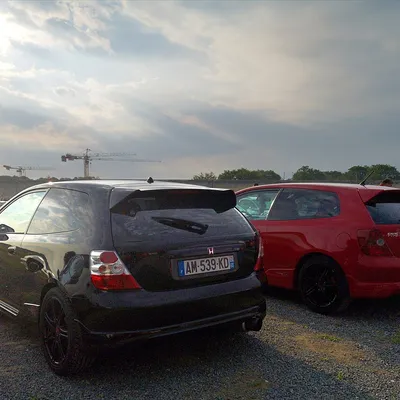
A sleeper is a car with serious performance hiding under a completely unremarkable exterior. The classic formula is an economy car, family sedan, wagon, or even a minivan that has been built to embarrass sports cars while looking like it is on its way to a dentist appointment. No wing, no graphics, no aggressive wheels. The whole point is that nothing warns you.
Sleepers occupy a strange place in car culture because they invert the usual logic. Most builds spend money to be seen. A sleeper spends money to be underestimated. Here is where the idea came from, what separates a real sleeper from a quiet fast car, and why the people who build them are some of the most committed enthusiasts around.
Where the Term Comes From
The American term borrows from espionage: a sleeper agent looks like an ordinary citizen until activated. The British have their own name for the same idea, the Q-car, which traces back to the Royal Navy's Q-ships of the World War era, warships disguised as harmless merchant vessels to lure enemy submarines in close. British motoring press was using "Q-car" by the early 1960s, and Motor Sport magazine famously applied it to the Lotus Cortina in 1963, a plain-looking Ford sedan hiding a Lotus twin-cam engine.
Both names describe the same trap. The disguise is not a side effect of the build. The disguise is the build.
What Makes a True Sleeper
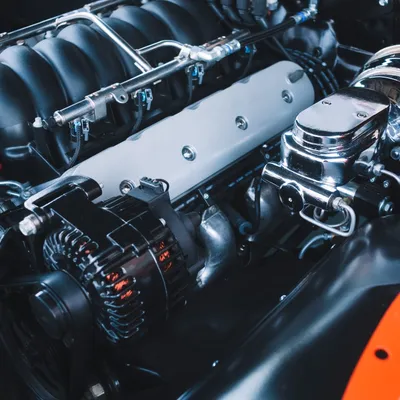
The performance half is easy to understand: a big swap like an LS swap, a turbo kit, serious suspension hiding behind stock-looking wheels. The discipline is in the appearance half, and it is harder than it sounds. A true sleeper keeps the stock body, modest wheels (bonus points for hubcaps), quiet exhaust, and zero badges hinting at what happened underneath. Every visual upgrade you resist makes the car more of a sleeper. The strictest builders even keep the original exhaust note as close to stock as the power allows.
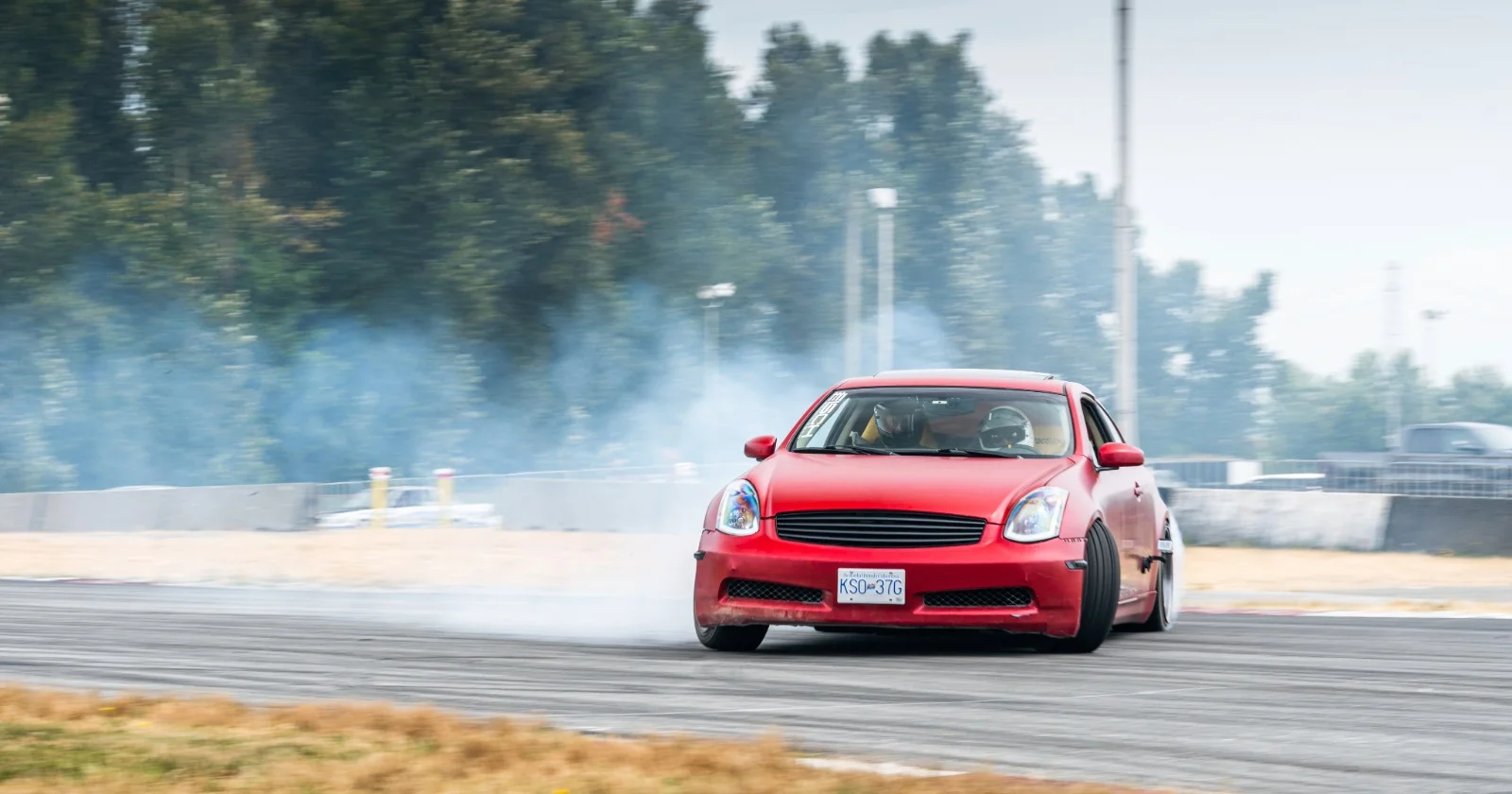
This is the opposite of the ricer archetype, the car that advertises performance it does not have. A sleeper has performance it refuses to advertise. Between the two extremes sits OEM-plus building, which upgrades within the factory look. The sleeper takes that restraint to its logical conclusion.
Factory Sleepers Exist Too
Automakers have played this game themselves for decades. The BMW M5 practically invented the modern category: a 5-series sedan that could hang with supercars and looked like airport livery. The Audi RS6 wagon carries on the tradition, as do the quieter AMG versions of the Mercedes E-Class. Purists will argue these are too well-known to count, and they have a point. A real sleeper depends on the observer not knowing, and every car magazine cover chips away at the disguise.
That is why the purest sleepers are homebuilt. A turbocharged Camry, a V8 Volvo wagon, a minivan running tens at the strip. Nobody publishes a buyer's guide for those.
Why People Build Them
Part of it is the joke, and the joke is genuinely good. There is a specific joy in a stoplight encounter where the other driver finds out in real time that the beige wagon was not what it appeared to be. Part of it is practicality: sleepers attract no police attention, no parking lot vandalism, and no insurance red flags from appearance alone. And part of it is philosophical. Sleeper builders tend to believe performance is for the driver, not the audience. The car is fast because that is satisfying, and it looks ordinary because the builder owes spectators nothing.
It is also, quietly, the most confident way to build a car. Flash asks for validation. A sleeper does not care whether you believe it.
The Sleeper Problem in Faceoffs
Sleepers are the one build style that a photo-based faceoff genuinely cannot capture, and that is worth being honest about. On WhipJury, voters judge what they can see, and a proper sleeper has spent its entire budget on things you cannot see. A stock-looking Camry will lose on visuals to a stanced coupe every time, even if it would leave that coupe at any light in the country.
The move for sleeper owners is to lean into the reveal: use your photo set to show the engine bay or the build details, and tell the story in your description. The disguise works on the street. In the arena, show your cards.
Sources:
Definition and history of the sleeper: Wikipedia
Origin of the British Q-car term: The Drive
Frequently Asked Questions

Cam Walsh has been obsessing over cars since before he could drive one. Based out of Atlanta, Cam covers automotive design, car culture, and the eternal debate over which whips actually look the part.