Dodge Challenger
Muscle · Dodge
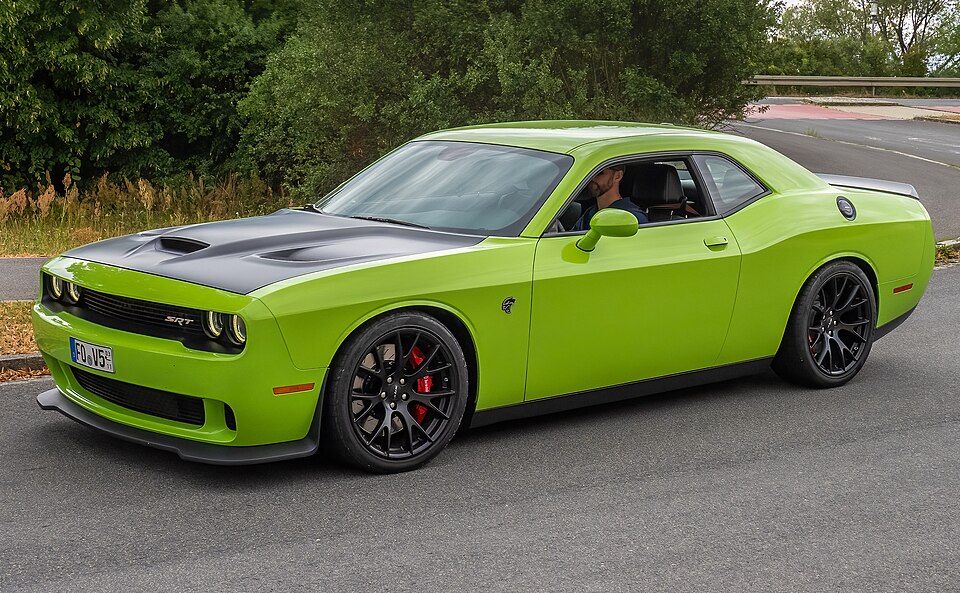
Dodge's modern muscle. From the 1970 Hemi Cuda to the 2018 Demon and 2023 Demon 170. The Hellcat platform that defined an era.
The Dodge Challenger is an American muscle car produced from 1970 to 1974 (first generation) and 2008 to 2023 (third generation). The Challenger was originally Dodge's pony car competitor to the Mustang and Camaro, sharing the E-body platform with the Plymouth Barracuda. The Hemi Cuda variants of the 1970-1971 era are among the most valuable American cars ever produced. The third-generation Challenger (2008-2023) revived the Challenger name on the LX platform shared with the Charger. The Challenger came in numerous variants: SXT (V6 base), R/T (5.7 Hemi V8), R/T 392 (6.4 Hemi V8), Hellcat (supercharged 6.2 V8 making 707 horsepower), Hellcat Redeye (797 horsepower), Demon (840 horsepower), and Demon 170 (1,025 horsepower on E85 fuel). The Dodge Hellcat program (2015-2023) was particularly significant. The supercharged 6.2 Hemi V8 produced massive horsepower numbers in factory production cars at MSRPs significantly below European competitors. The Hellcat Challenger and Charger (covered separately) became the defining American muscle cars of the modern era. The Demon and Demon 170 variants pushed the formula further. The 2018 Demon was the first production car ever banned from NHRA drag racing for being too fast (sub-10-second quarter mile in factory trim). The 2023 Demon 170 with 1,025 horsepower was the most powerful production V8 ever sold. Production of the Challenger ended in 2023 alongside the broader Hellcat platform wind-down. Stellantis is transitioning to electric Charger and other future products; the Challenger will not be replaced directly. On WhipJury, Challenger submissions are highly active. Hellcat, Redeye, and Demon variants reliably top voting. Stock Challengers and modified builds appear regularly.
Top Dodge Challenger examples on WhipJury
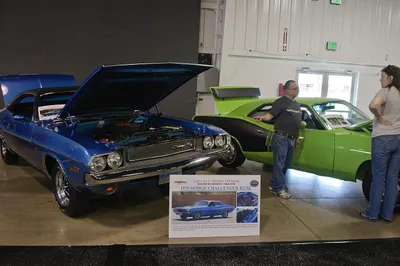
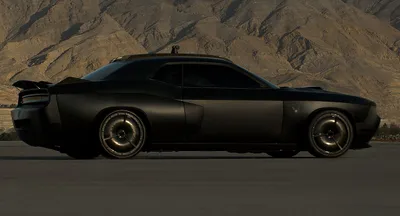
Challenger Hellcat lineage
Hellcat (2015-2023). 707 horsepower from supercharged 6.2 Hemi.
Hellcat Redeye (2018-2023). 797 horsepower with Demon supercharger.
Demon (2018). 840 horsepower with race fuel and drag pack. First production car banned from NHRA.
Demon 170 (2023). 1,025 horsepower on E85. Most powerful production V8 ever sold. Banned from drag strips for being too fast.
Challenger on WhipJury
Modern Challenger submissions across all variants are highly active. Hellcat, Redeye, and Demon examples reliably top voting. Modified Challengers with built engines and chassis upgrades are common. The community recognizes the modern Challenger as the defining American muscle car of the 2010s and early 2020s.
Frequently asked questions about Dodge Challenger
More on the Dodge Challenger
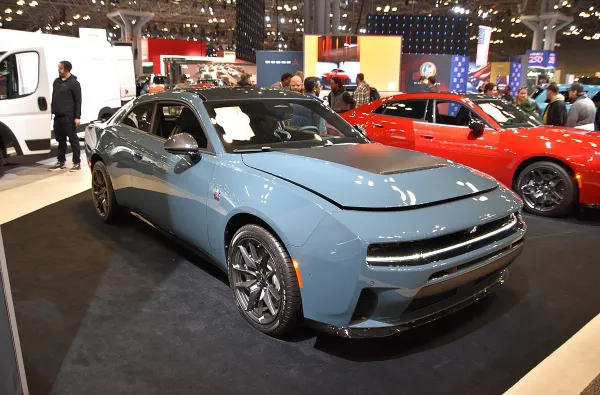
Reports from Automotive News and Mopar Insiders say Dodge plans a Charger SRT Hellcat with the supercharged 6.2-liter Hemi for the 2028 model year, built from late 2027 in two-door and four-door form. Dodge says it doesn't comment on future products.
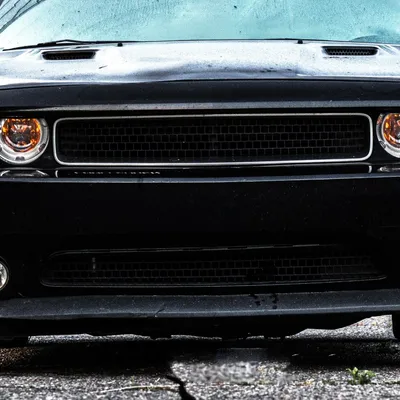
A Hellcat engine is Dodge's 6.2-liter supercharged HEMI V8, and it landed in 2015 making 707 horsepower in cars anyone could buy. Dodge kept escalating from there, ending with a 1,025 horsepower Demon 170. Here's what's inside it and why it mattered.
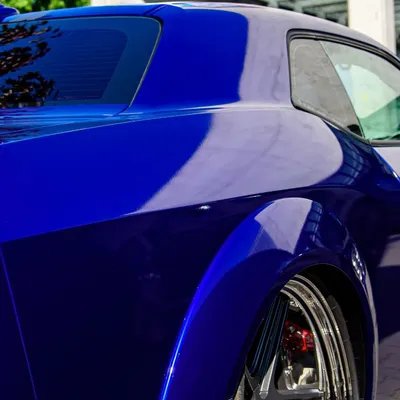
A widebody kit is a set of body modifications, usually flared or replaced fenders and quarter panels, that makes a car physically wider so it can cover wider wheels and a wider track. Done with intent, it gives a car the planted stance of a race car. Done as a costume, everyone can tell.
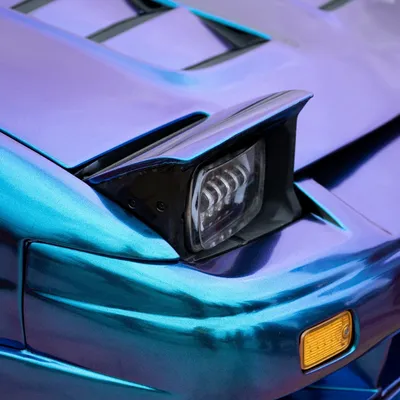
Short answer: yes, usually. Facelifted cars tend to hold value better than the pre-facelift version of the same model, sometimes significantly better, and the reason has less to do with what changed under the hood and more to do with how the car looks. Research by EurotaxGlass's comparing used car values before and after mid-life facelifts found that updated exterior styling can improve residual values by up to 15 percent during the first year of ownership. The premium is highest for prestige brands where even subtle visual updates carry significant perceived value...