Porsche 911 Turbo
Exotic · Porsche
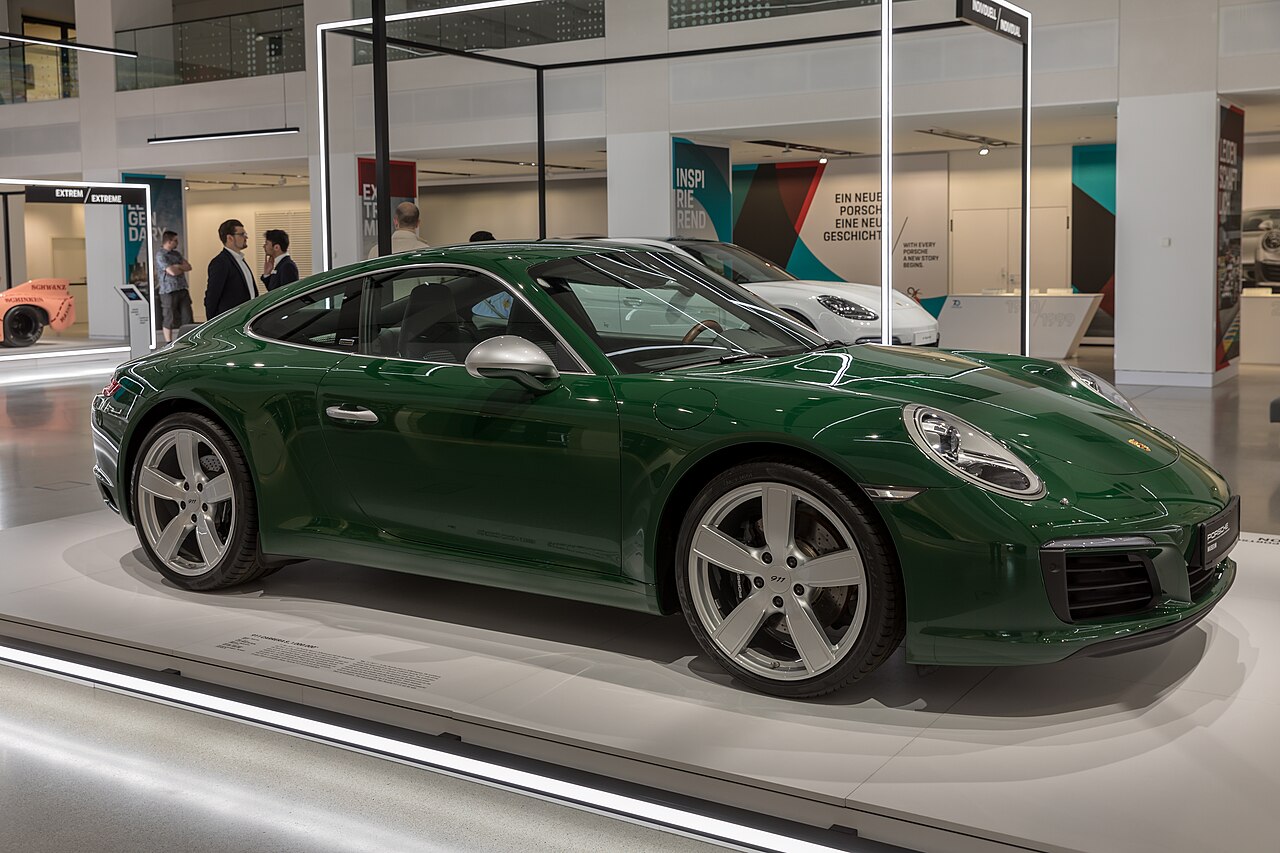
Porsche's flagship turbocharged 911. Twin-turbo flat-six, AWD, Turbo S making 640 horsepower in current 992 generation.
The Porsche 911 Turbo is the high-performance turbocharged variant of the 911, in continuous production since 1975. Multiple generations of 911 Turbo have refined the formula: AWD, twin-turbo flat-six engine, and serious performance in the 911 chassis. The current 992 Turbo S makes 640 horsepower and runs 0-60 in around 2.6 seconds. The 911 Turbo provides serious performance with daily refinement. Unlike the GT3 (track-focused), the Turbo is positioned as the daily-livable supercar killer. The combination of AWD launch capability and twin-turbo torque produces extraordinary acceleration that rivals dedicated supercars at often lower pricing. On WhipJury, 911 Turbo submissions are common across multiple generations. 996, 997, 991, and 992 Turbo and Turbo S variants reliably do well. Stock and modified examples appear regularly.
911 Turbo across generations
996 Turbo (2001-2005). Mezger engine, generally reliable Turbo era.
997 Turbo (2007-2012). Mezger engine through 2009, then DFI from 2010.
991 Turbo (2013-2019). 9A1 engine. Aerodynamic active wing.
992 Turbo (2020+). Current. 9A2 Evo engine, 580 horsepower base, 640 horsepower S.
Frequently asked questions about Porsche 911 Turbo
More on the Porsche 911 Turbo
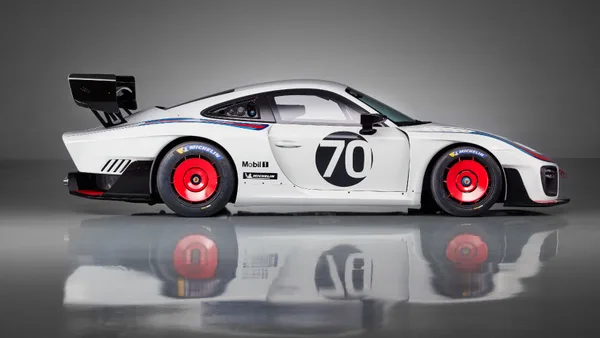
John Ternus became Apple's CEO on September 1. He's also an amateur racer who reportedly laps Laguna Seca in under 1:40 in a Porsche 935, a 700-hp track car Porsche built just 77 of.
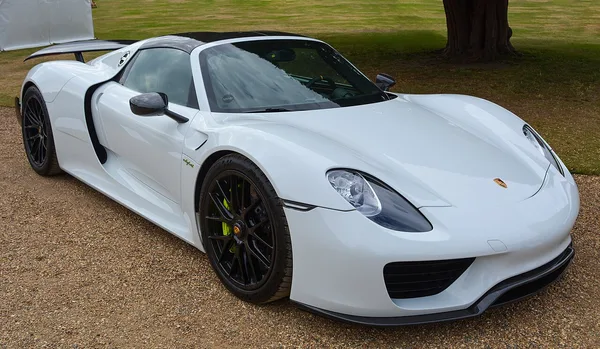
Handelsblatt reports Porsche is planning a flagship supercar, known internally as the S1, with an eight-cylinder boxer engine and a price near €500,000. Porsche has only raced flat-eights, and an earlier 750-hp Cayman prototype was shelved.
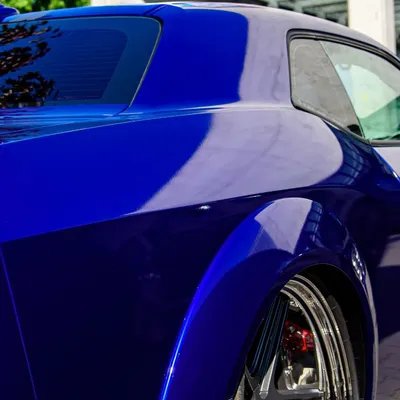
A widebody kit is a set of body modifications, usually flared or replaced fenders and quarter panels, that makes a car physically wider so it can cover wider wheels and a wider track. Done with intent, it gives a car the planted stance of a race car. Done as a costume, everyone can tell.
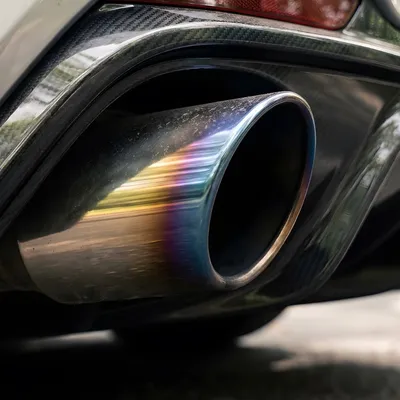
New cars have fake exhaust tips because designers want the look of a performance exhaust without the cost, packaging, and emissions headaches of actually routing one there. The real pipe usually exits lower down, pointed at the ground behind the bumper, while a chrome trim piece sits in the bumper doing nothing.