Dodge Cars
Muscle · 19 models

The Hellcat changed what a factory muscle car could be. Before that, the Charger and Challenger of the 1960s wrote the original rules.
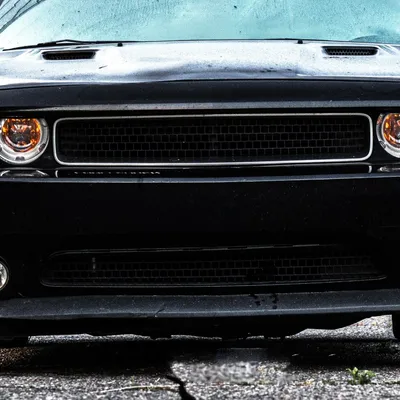
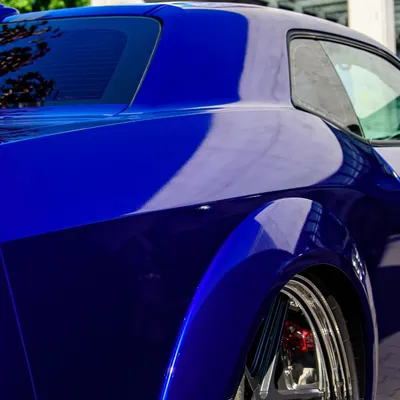
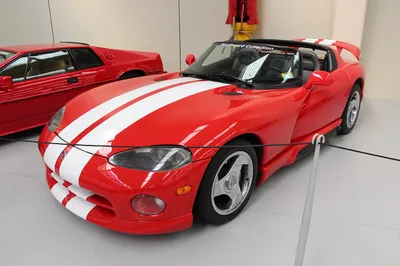
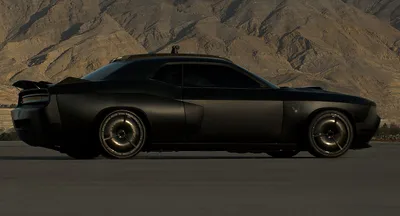
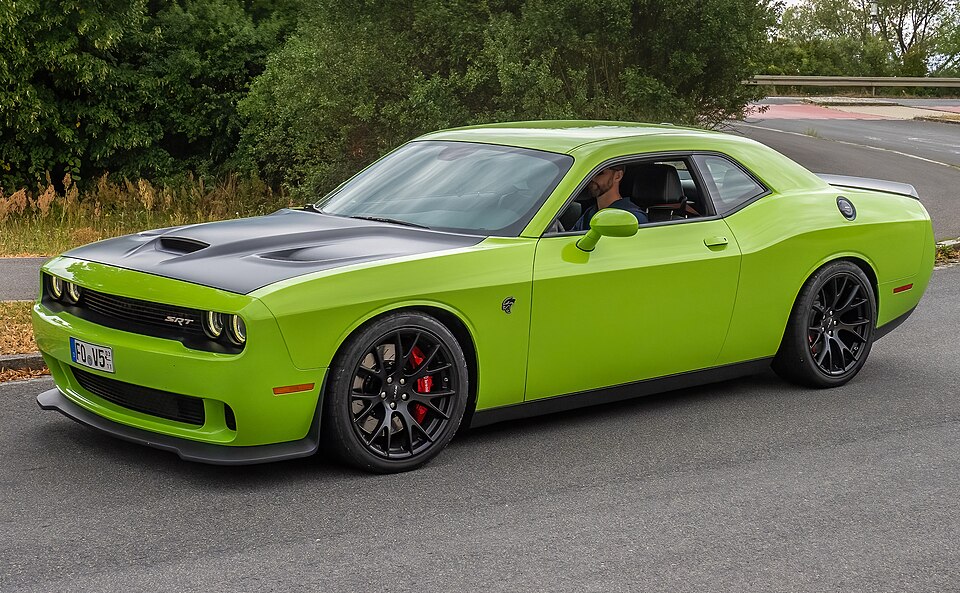
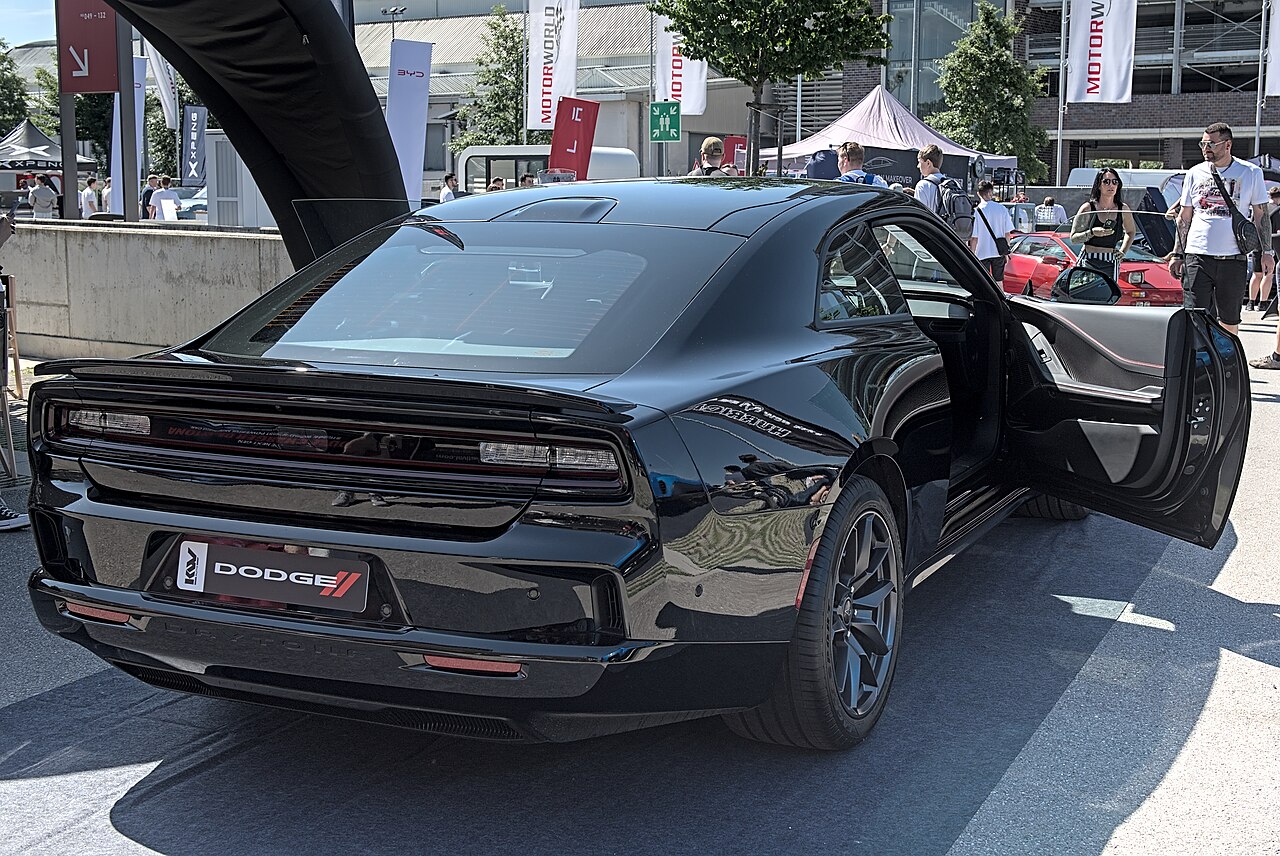
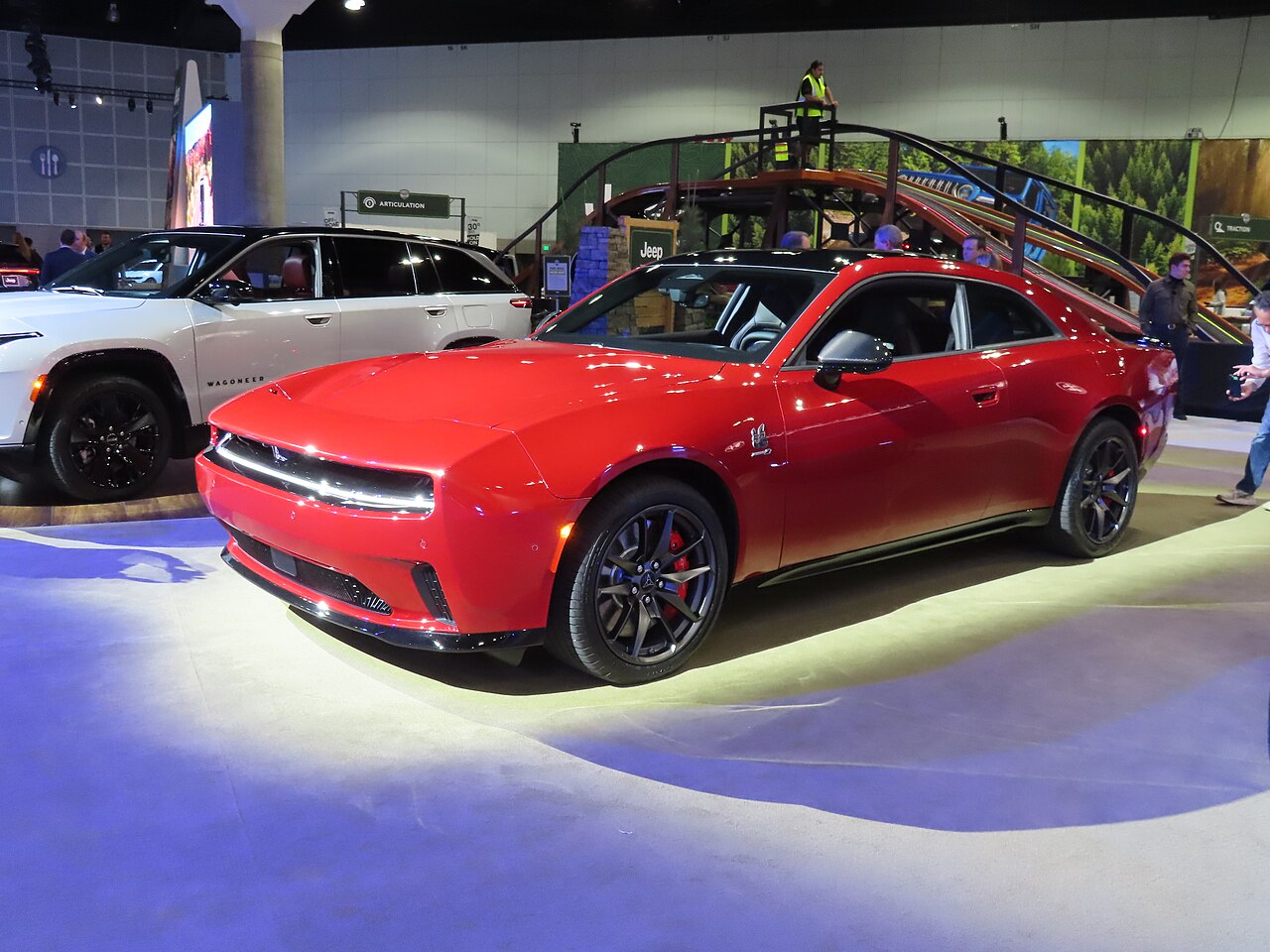
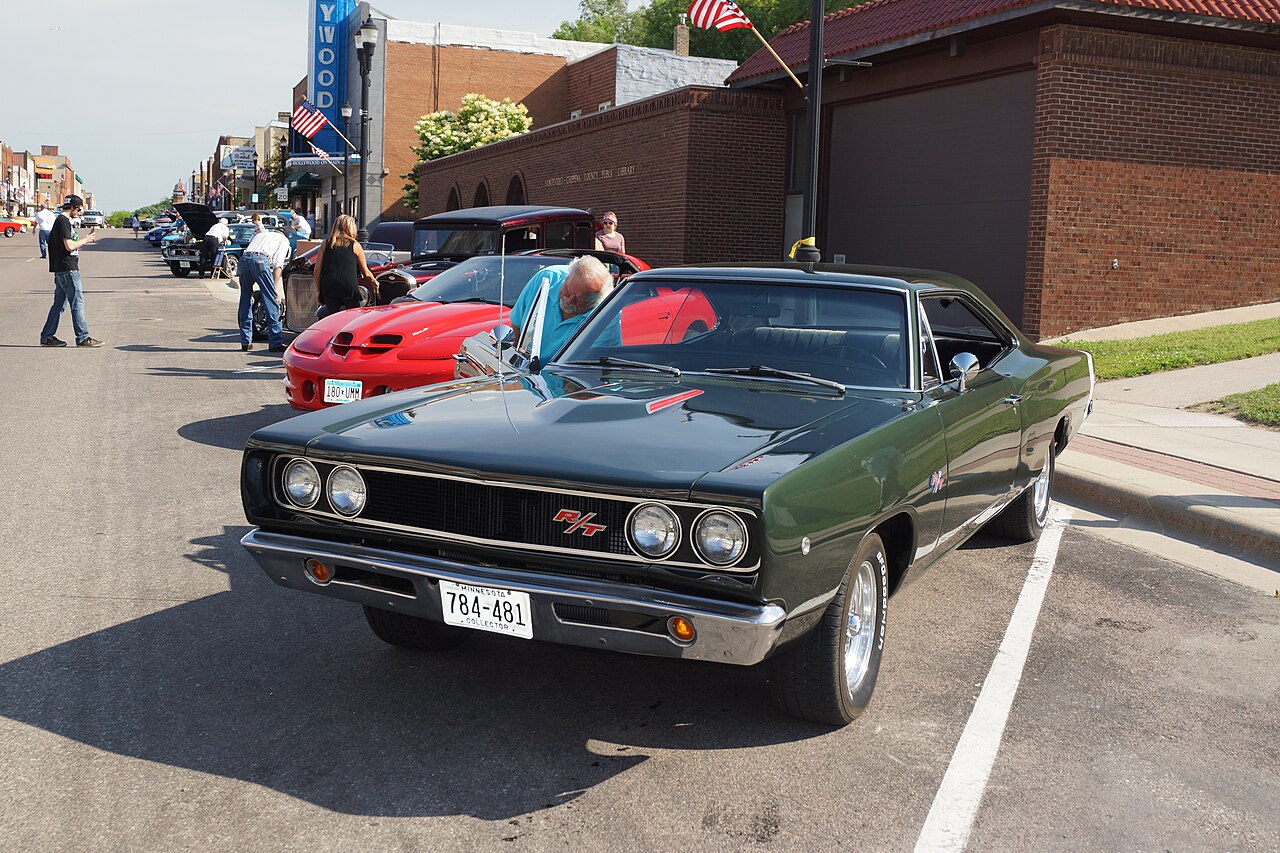
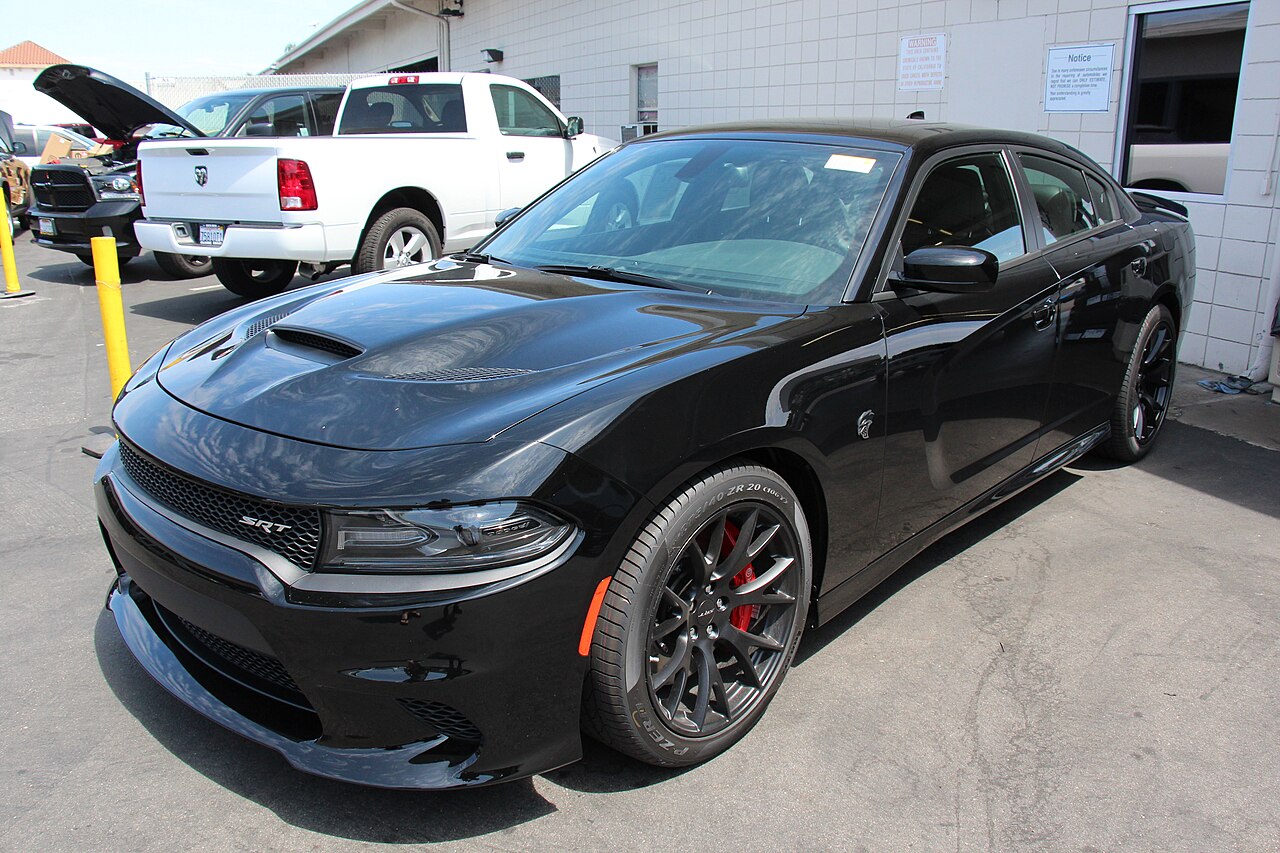
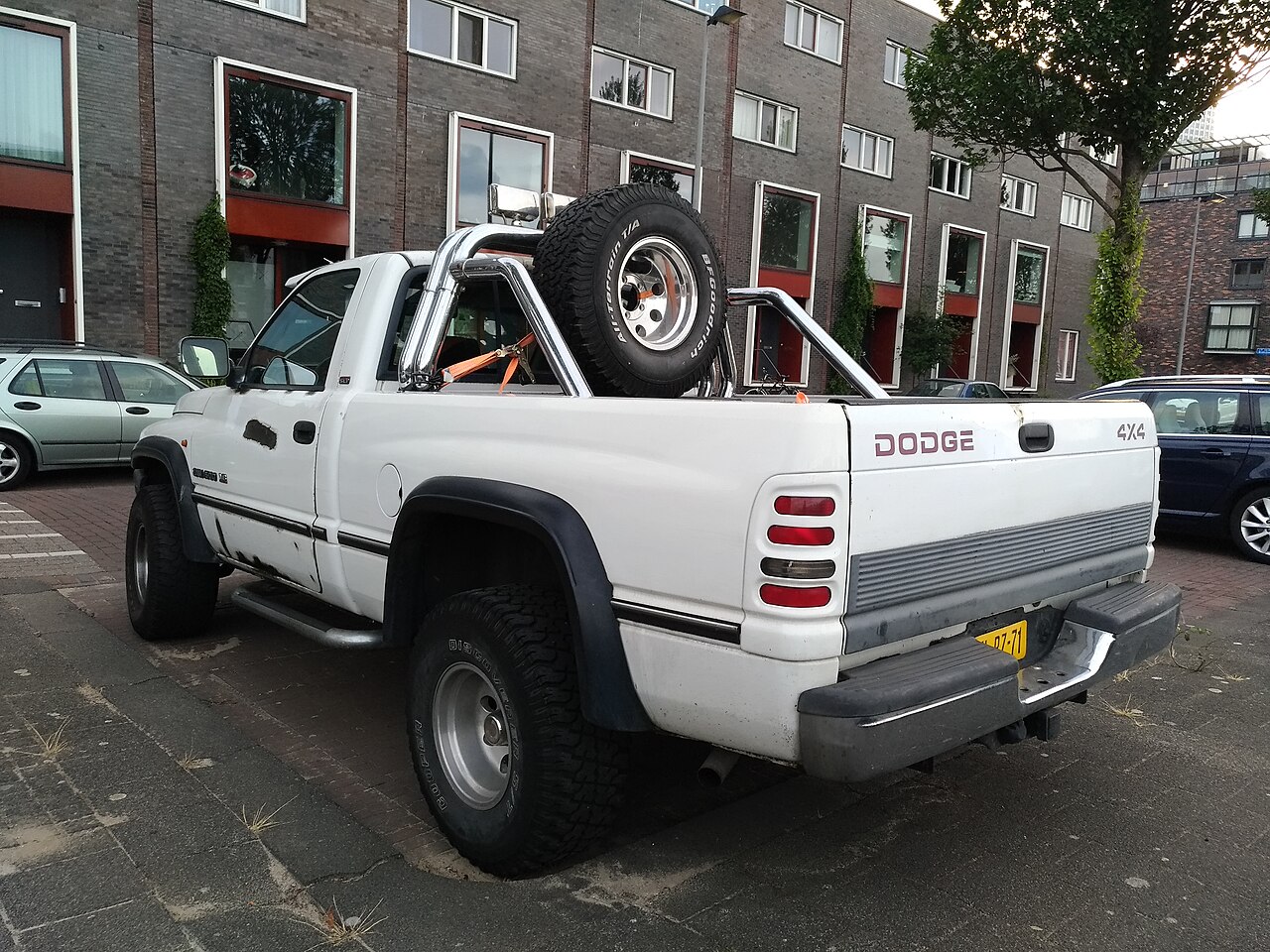
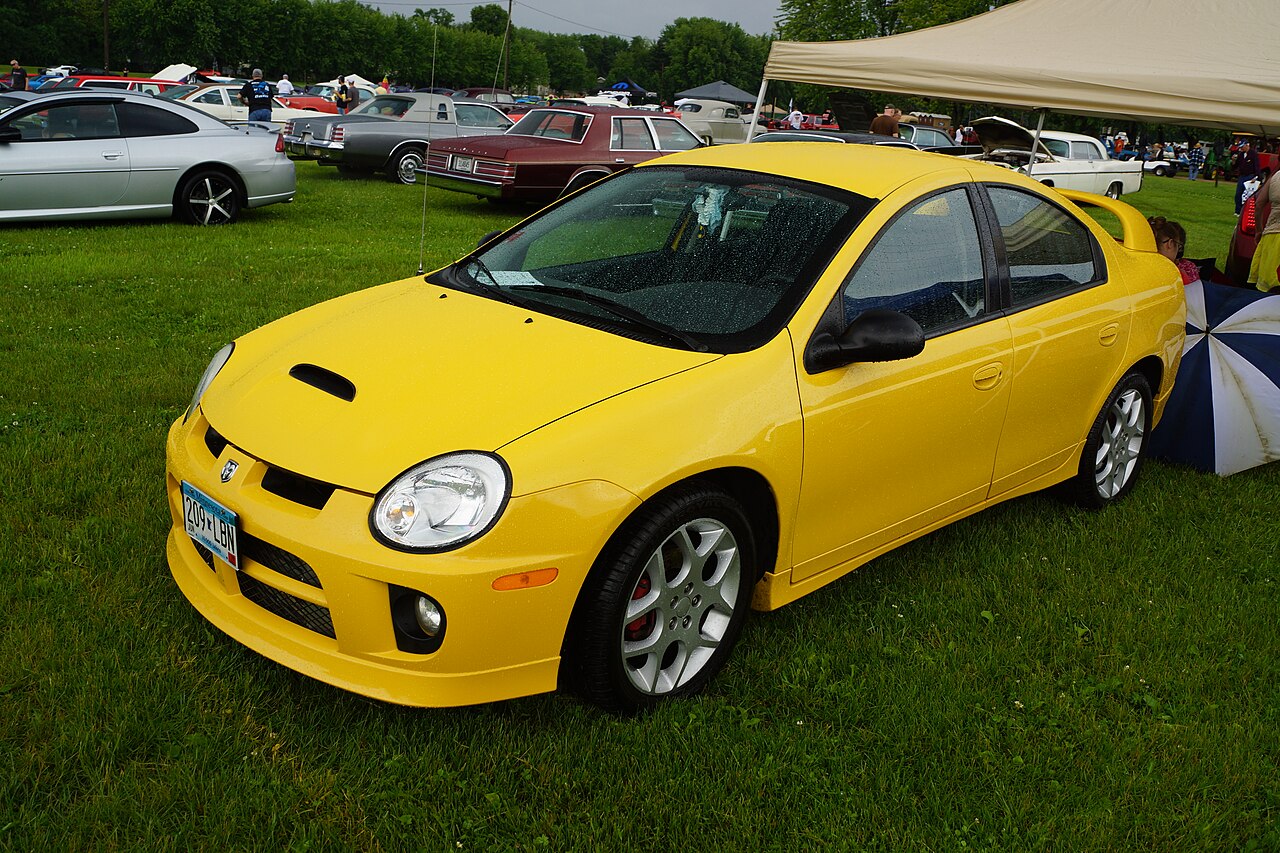
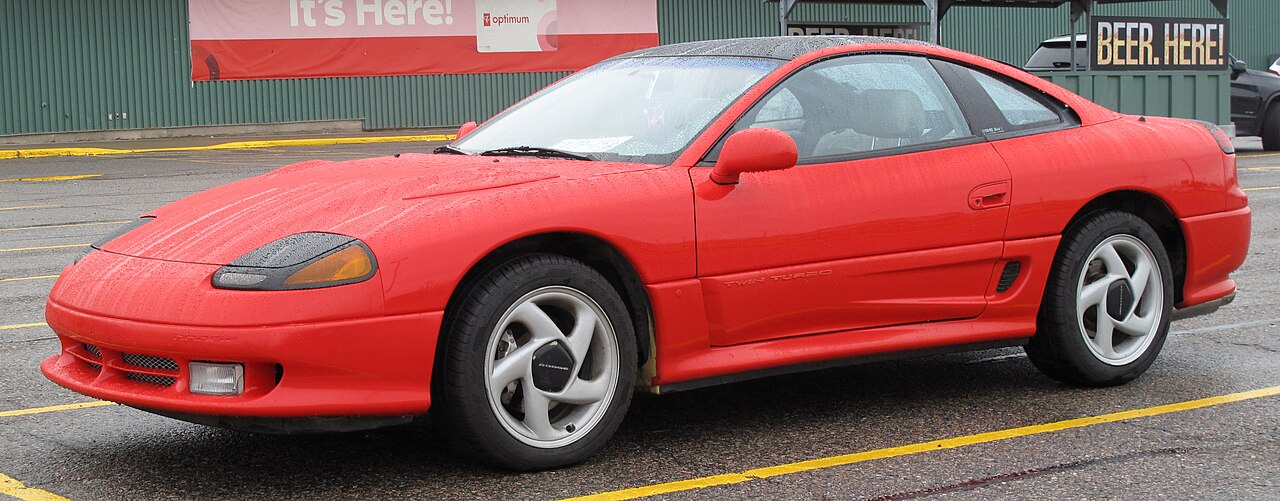
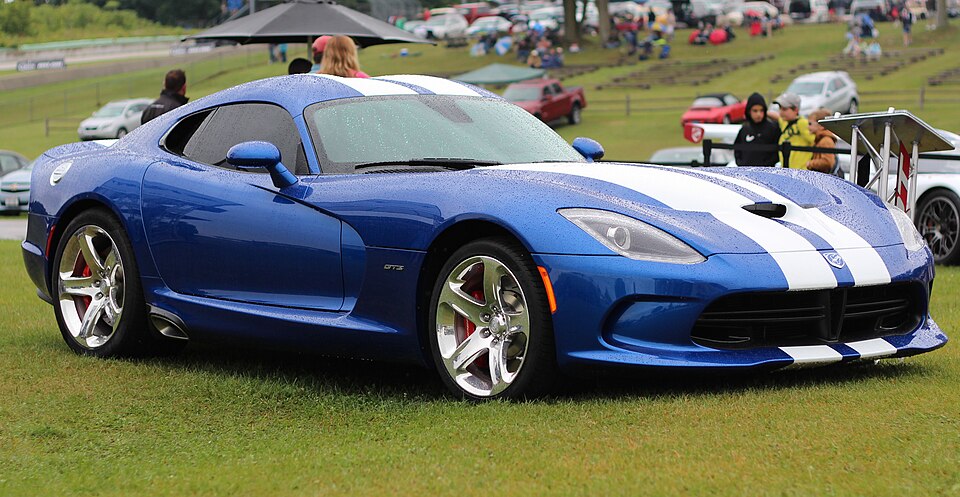
MuscleDodge built the loudest, most aggressive corner of the American muscle car category. The 1968-1970 Charger and Challenger are foundational documents of the muscle era. The 426 Hemi and 440 Six Pack engines defined what big-cubic-inch American power could be. The Viper of the 1990s and 2000s extended the formula into supercar territory with no compromise: 8.0 (later 8.4) liter V10, manual transmission only for most of its life, and minimal driver aids. The modern era is defined by the Hellcat program. Starting in 2015, Dodge fitted a supercharged 6.2 liter Hemi making 707 horsepower (later 717, then 797 Redeye, then 807 SRT Demon, then 1,025 Demon 170) into the LX-platform Challenger and Charger. These were factory cars sold through normal dealerships at prices below most German performance cars. The Hellcat program made supercharged big-power American cars accessible to a generation of buyers who could not have afforded similar performance from any other source. The Viper deserves its own paragraph. Conceived as a modern Cobra in the late 1980s, the original RT/10 launched in 1992 with no door handles, no exterior door locks, no traction control, and no adjustable dampers. Eight liters of pushrod V10. Six-speed manual. Three subsequent generations refined the formula without softening it: the GTS coupe added a roof, the SRT-10 of the 2000s added 500 horsepower and improved suspension, and the Viper ACR of the 2010s set Nürburgring lap records that beat Porsche 911 GT3s. The Viper ended production in 2017. On WhipJury, Dodge submissions skew heavily toward Hellcats (Challenger and Charger), Demons, the occasional Viper, and classic 1968-1970 Chargers and Challengers. Lifted Ram TRX trucks have become a meaningful presence as well.
Top Dodge cars on WhipJury
Dodge models we cover
The classic era
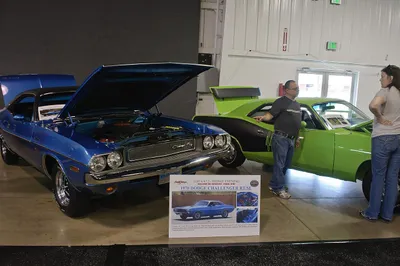
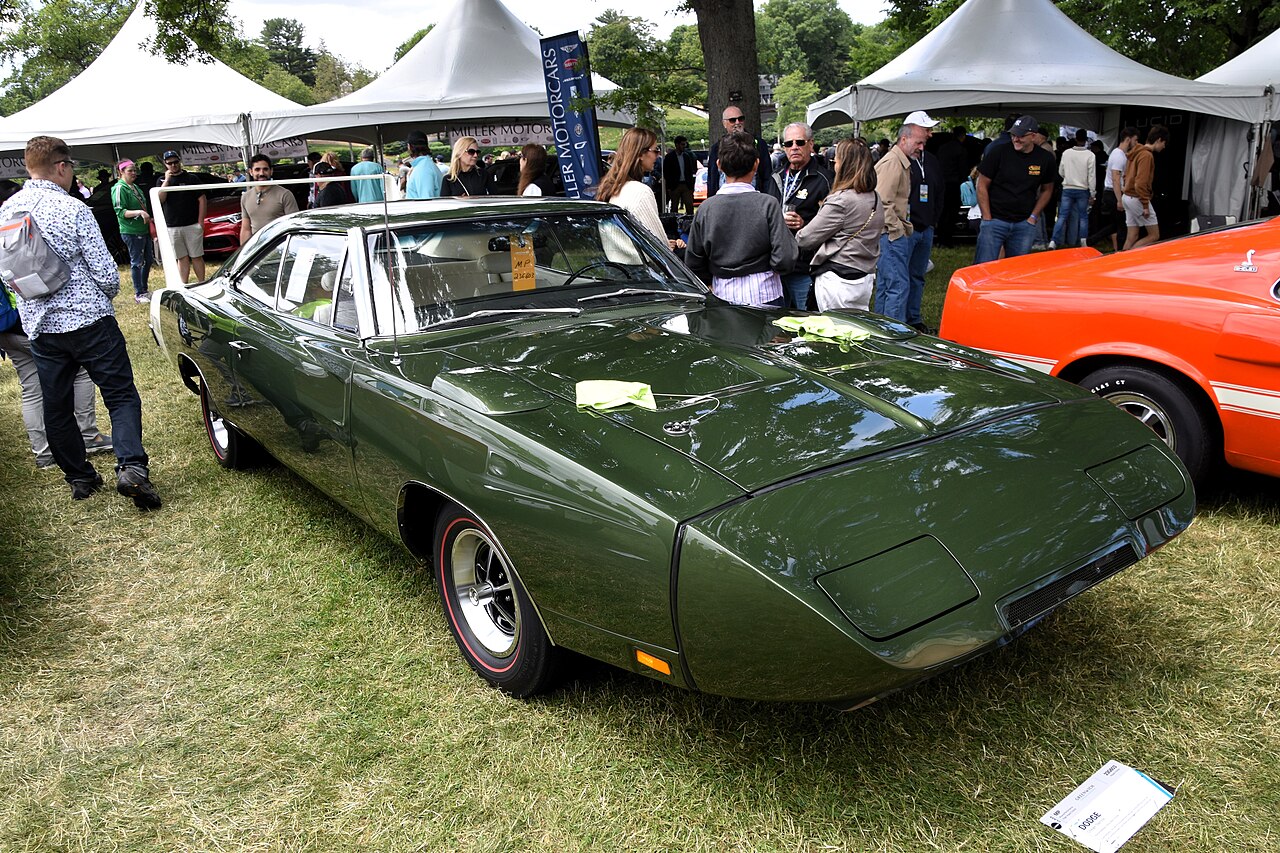
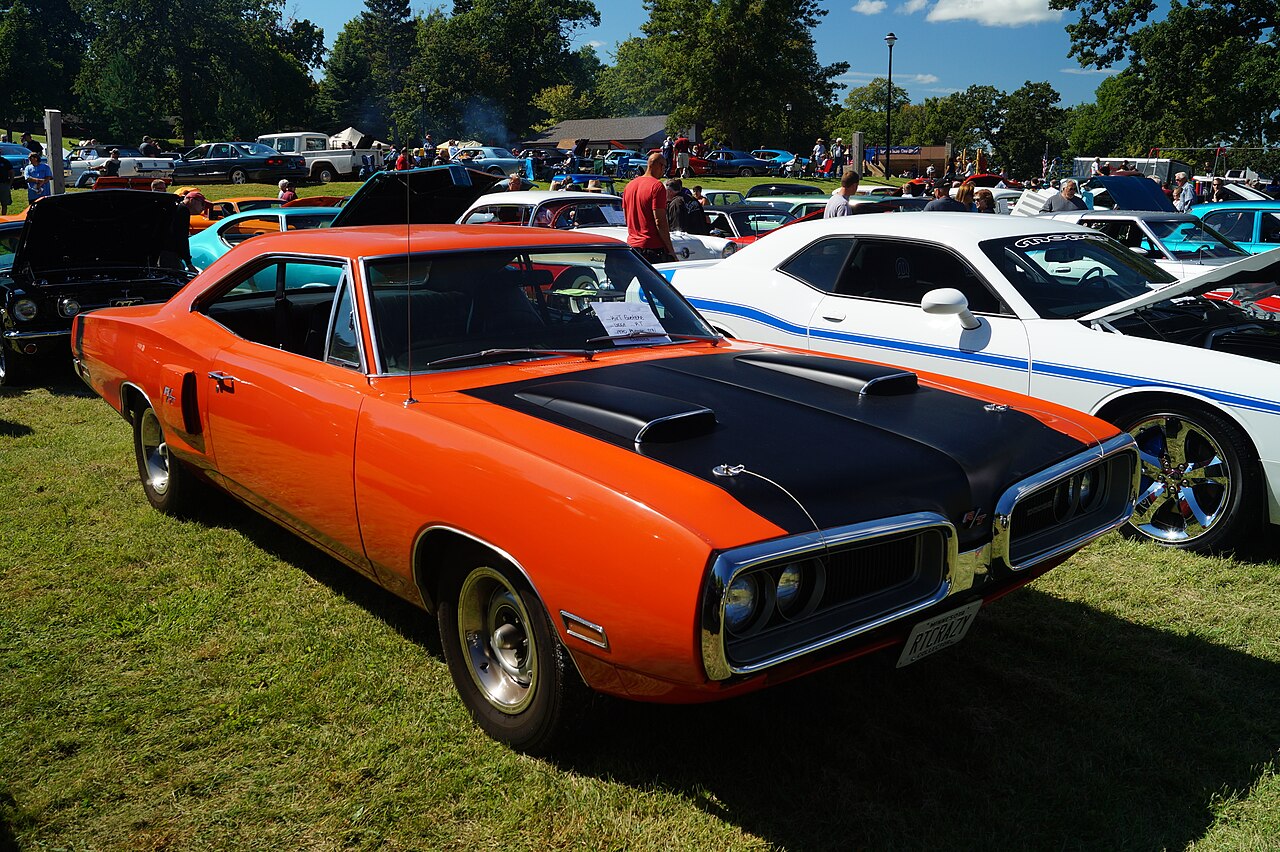
The 1968-1970 Charger and Challenger are the foundation. The 1969 Charger Daytona with its aerodynamic nose cone and tall rear wing was a NASCAR homologation special. The 426 Hemi was the most powerful engine option across the lineup, with conservative factory ratings that masked actual output. Surviving Hemi cars now sell for hundreds of thousands of dollars at auction.
The Viper
RT/10 (1992-2002). Original generation. 8.0 V10 making 400 horsepower, six-speed manual, no roof or windows in the earliest examples. Pure analog supercar with American engineering.
SRT-10 ZB (2003-2010). 8.3 V10, 500 horsepower, more refined chassis. The ACR variant was the track-focused trim with adjustable suspension.
VX (2013-2017). Final generation. 8.4 V10, 645 horsepower in standard SRT trim. The Viper ACR with its aero package set lap records at over a dozen North American tracks. Production ended after the 2017 model year.
The Hellcat era
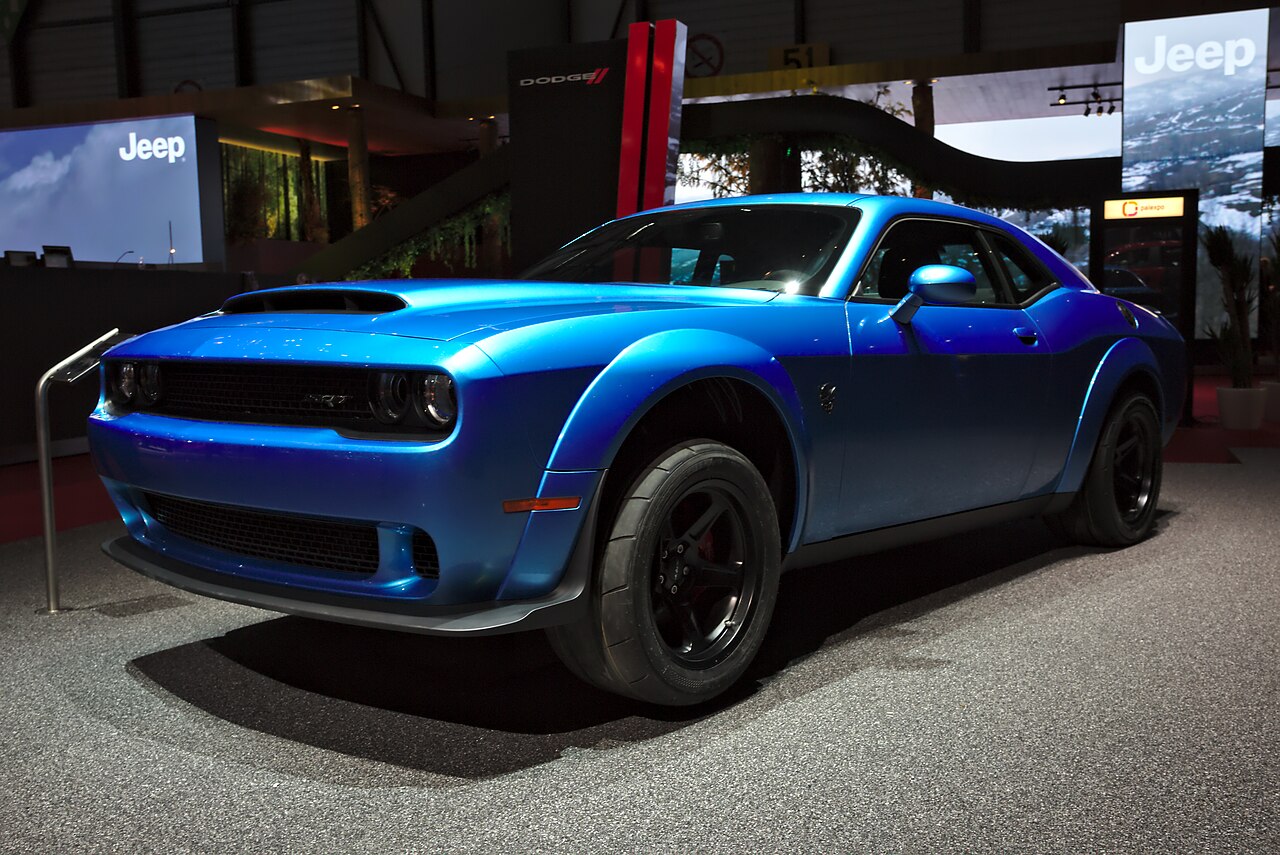
The 2015 Challenger SRT Hellcat launched with 707 horsepower and an MSRP under $60,000. By 2018 the Demon offered 840 horsepower with a drag racing focus. By 2023 the Demon 170 reached 1,025 horsepower on E85, the most powerful production V8 ever sold in a factory car. The Hellcat program is widely seen as the defining American performance product of the 2010s and early 2020s. Production of the Hellcat-equipped Challenger and Charger ended in 2023.
The Ram TRX
The Ram 1500 TRX (2021-2024) is the Hellcat as a truck. Same supercharged 6.2 V8, this time at 702 horsepower, in a full-size pickup with serious off-road suspension and tires. Direct competitor to the Ford Raptor. Production ended in 2024 alongside the broader winding down of the Hellcat platform.
Dodge on WhipJury
Hellcats and Demons dominate. The community generally respects the engineering even though the cars are commonly criticized for being one-trick ponies (straight-line monsters with limited handling refinement). Vipers are rare submissions but always do well. Classic 1968-1970 Chargers and Challengers in clean restored or restomod form are reliably high-voted.