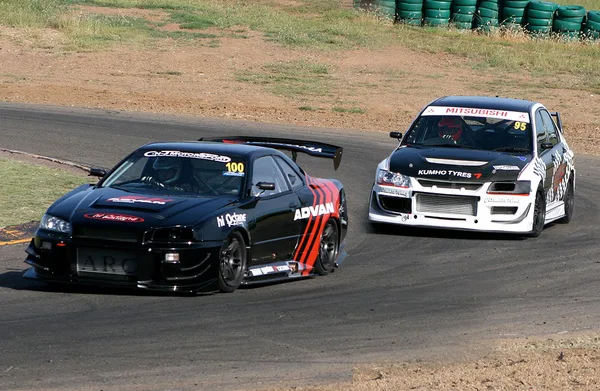
A hashiriya (走り屋) is a Japanese street racer, someone who drives public roads flat out, usually on mountain passes or Tokyo's expressways at night. It's the name the racers use for themselves. Japanese police use a different label.
Officially, they're a kind of bosozoku. The Kanagawa Prefectural Police split bosozoku into two types. The first, which police call the joint dangerous type, is mostly motorcycle groups riding loud and reckless through towns. The second, the illegal racing type, is mostly people in four-wheeled cars driving recklessly on harbor-district roads and mountain roads to compete on driving skill, and the police note that this type mostly acts alone. Kanagawa's ordinance names the "rolling-zoku" and "drift-zoku" outright. Nationally, the racers are the smaller group. At the end of 2014, police counted 1,174 illegal-racing-type bosozoku nationwide, against 5,656 people in 282 groups of the loud group type, according to a traffic safety white paper from Japan's Cabinet Office. Kanagawa, which includes Yokohama, counted it the other way in 2011: 239 illegal-racing-type bosozoku, against 206 people in seven groups. Kaido racers belong to another scene again. Hagerty explains that kaido is an older Japanese word for road, so a kaido racer is literally a street racer, though the style copies the Super Silhouette race cars of the late 1970s and early 1980s. Their modifications ruin ride and handling, and Hagerty notes that neither is the point. Hashiriya are about speed and skill, which is how the police define them too.
Touge: the mountain pass runners
Touge means mountain pass. Japanese Nostalgic Car notes that, thanks largely to Initial D and Best Motoring, the word now brings up AE86s and Nissan Silvia S13s drifting through hairpins at midnight. The first big crowds were on motorcycles. From the 1970s to the 1990s, roads like Mount Akagi and the Okutama Toll Road filled with sportbikes, and those riders also called themselves hashiriya. After accidents and complaints, authorities added chatter bars, raised reflectors along the lane lines, or closed some roads at night, and rider numbers fell through the 1990s.
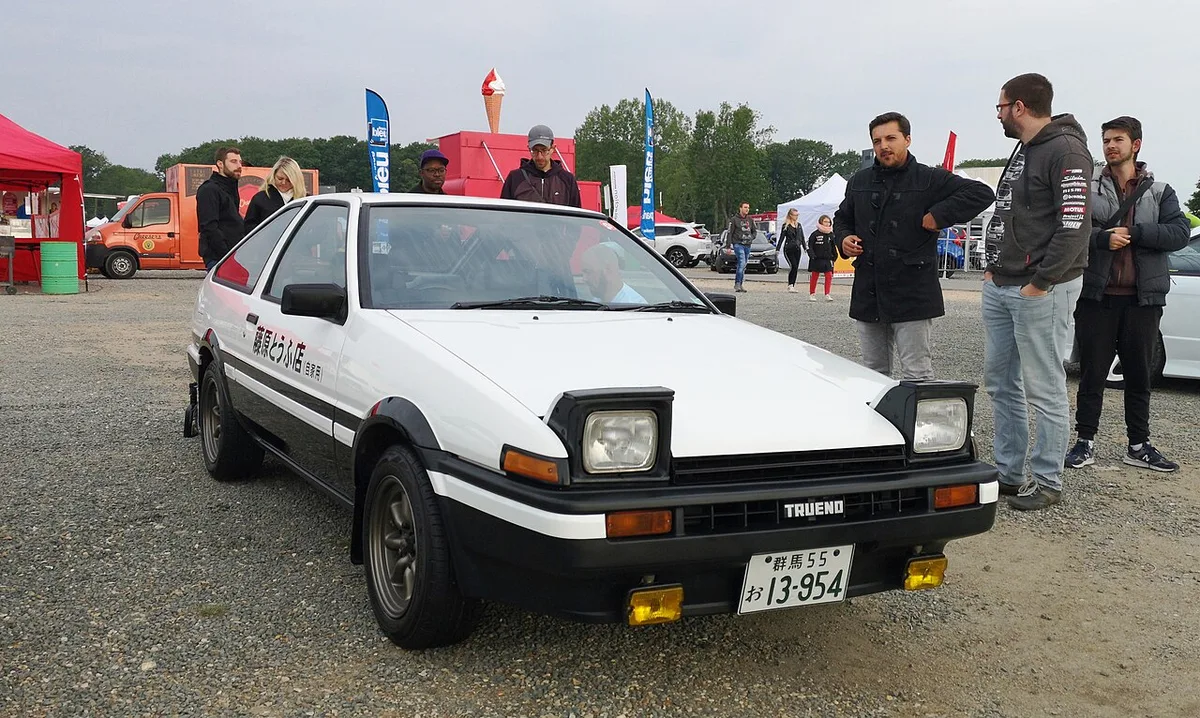
Initial D made the car version famous. Shuichi Shigeno's manga began in 1995 and is set in mountainous Gunma Prefecture, Toyota notes. Its hero, Takumi Fujiwara, delivers tofu at dawn in the family AE86 Sprinter Trueno and races it on mountain roads at night. The series ran in Kodansha's Weekly Young Magazine until 2013. Kuruma News says the real AE86 was loved by hashiriya for its light body and high-revving 4A-GE engine, and its rigid rear axle made it easy to slide, which drifters treated as a plus. Later in the story, Takumi's car gets a Group A spec engine from an AE101 Sprinter Trueno that raced in the Japan Touring Car Championship. Real touge driving reached tape, too. Petrolicious traces an early drifting film, Pluspy, to Keiichi Tsuchiya strapping a camera to an AE86 and running a touge, and calls it an illegal street racing film. The 1987 release got Tsuchiya suspended from racing. The same piece says Tsuchiya honed those skills doing deliveries for the family metal shop, and that Tsuchiya's racing career began in 1977.
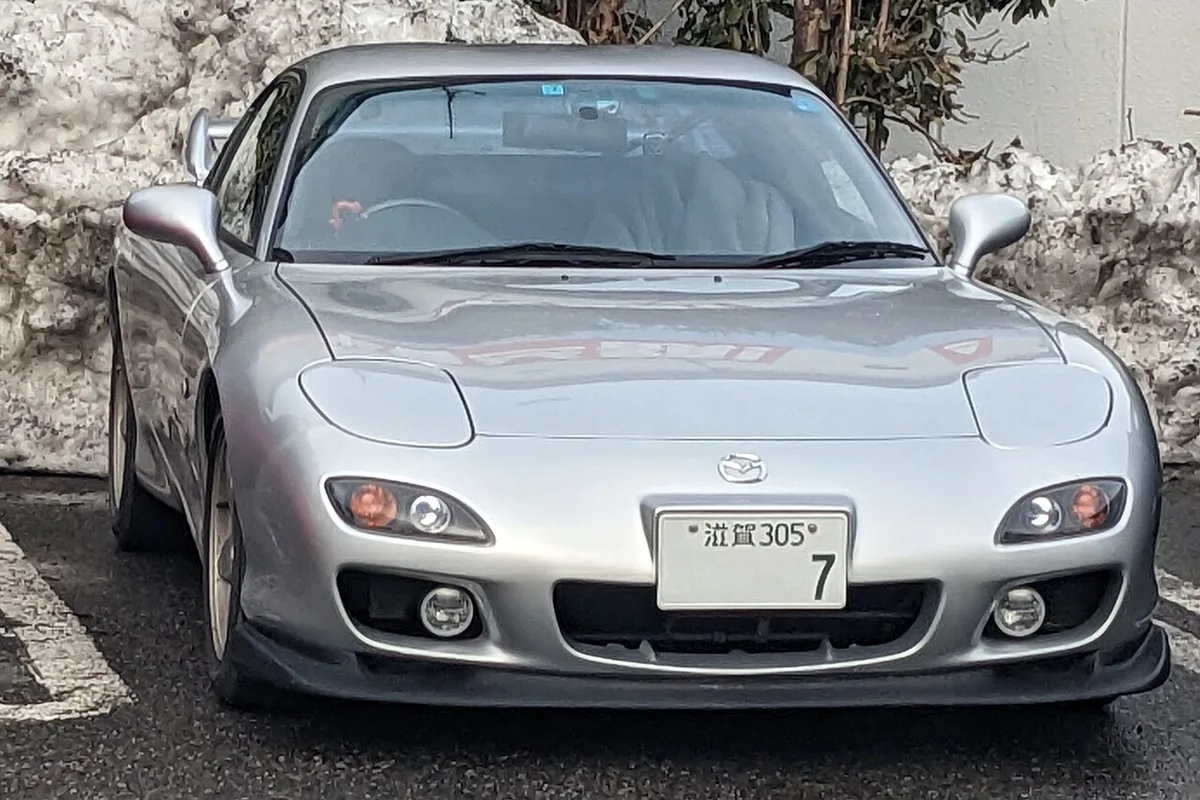
The Takahashi brothers drive rotaries. Ryosuke Takahashi runs a white Mazda RX-7 FC3S, and Kuruma News says white FCs caught on in real life because of the series, with used prices rising. Ryosuke's younger brother Keisuke drives a yellow FD3S. The story makes Keisuke a former bosozoku who got hooked on touge after riding along on Ryosuke's full-throttle downhill run.
Wangan: the expressway runners
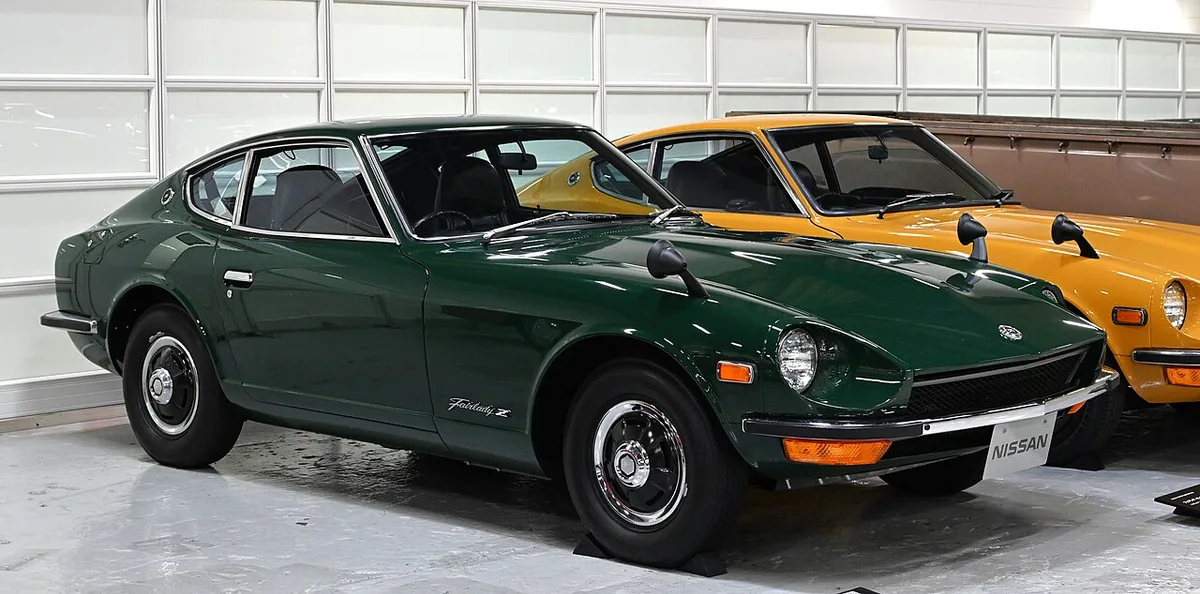
The other scene runs on Tokyo's Shuto Expressway, around the C1 loop and out along the bayside Wangan. Its manga is Michiharu Kusunoki's Wangan Midnight, about Akio Asakura and a Fairlady Z S30 known as the Devil Z, a car with a record of dragging other racers into crashes. The Wangan was also home turf for the Mid Night Club.
Expressway runners meet at parking areas, so those lots took the hit. Norimono News reported that loop racers known as "roulette-zoku" grew more visible as night traffic thinned during Japan's 2020 COVID emergency. From July 2020, the Shuto operator and Tokyo police closed the Hakozaki, Shibaura, and Tatsumi No. 1 parking areas from 10 p.m. to 4 a.m. as needed, then from October 2 on Friday and Saturday nights. Police also put new speed cameras along the C1 that use photoelectric sensors instead of radar or laser, which detectors can't pick up. Around January 20, 2023, a speed hump went in at Tatsumi No. 1, just before the merge onto the expressway, and drivers promptly turned it into the "Tatsumi jump" on social media, Kuruma News reported.
Part of the pull is cost. Owners told Jalopnik in 2018 that renting the full Fuji Speedway circuit cost ¥843,500, about $7,700, per hour, while the average street build ran ¥1.5 million to ¥2 million. Police had added supercharged V6 Toyota Mark X patrol cars, and the meet Jalopnik joined still drew an R33 Skyline GT-R its owner said made 800 hp.
Which hashiriya car would you take up the pass? Rate the AE86, the RX-7, and the S30 on WhipJury.
Sources:
The police definition of illegal-racing bosozoku and Kanagawa's counts: Kanagawa Prefectural Police
The 2014 national counts: Cabinet Office of Japan
Kaido racers and the original bosozoku: Hagerty
Touge, the motorcycle hashiriya, and the road changes: Japanese Nostalgic Car
Initial D's start, setting, and the AE86: Toyota
Tsuchiya and Pluspy: Petrolicious
Initial D's run, the AE86's appeal and engine swap, and the RX-7s: Kuruma News
Wangan Midnight and the Devil Z: Denfaminicogamer
The 2020 parking area closures and speed cameras: Norimono News
The Tatsumi speed hump: Kuruma News
Track costs, patrol cars, and the R33: Jalopnik
Photos via Wikimedia Commons: crash71100, 先従隗始, and TTTNIS (CC0)
Frequently Asked Questions

Jeffrey Wiley has spent more time than he'd like to admit thinking about what makes a car look right. He writes about automotive design, car culture, and the opinions people have strong feelings about. He lives in north Georgia.