Mazda RX-7
Mazda
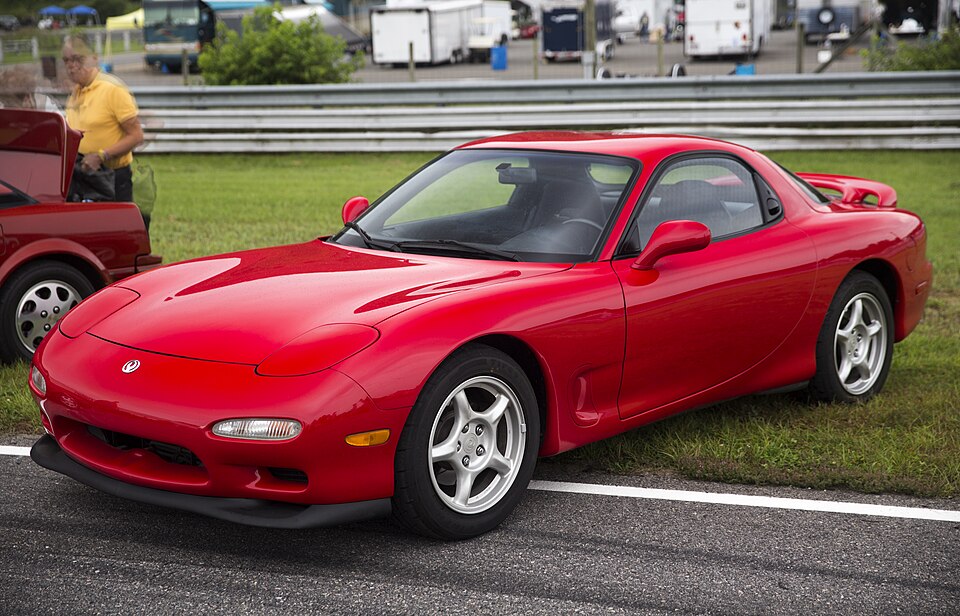
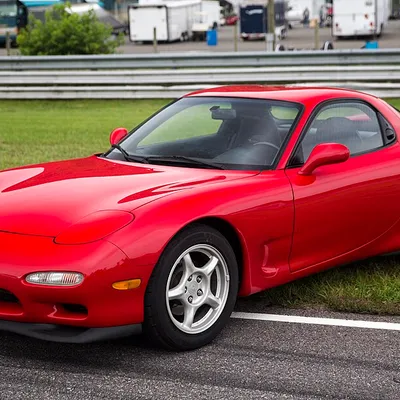
Mazda's iconic rotary sport coupe. Three generations from 1978-2002. The FD3S RX-7 is widely regarded as one of the best-looking cars ever made.
The Mazda RX-7 is a sport coupe produced across three generations from 1978 to 2002. The RX-7 is most famous for its use of the Wankel rotary engine, with various rotary variants powering the model throughout production. The third-generation FD3S RX-7 (1992-2002) is widely regarded as one of the most beautifully designed cars of any era and one of the great Japanese performance cars of the 1990s. The RX-7 generations: SA22C/FB (1978-1985, the first RX-7), FC (1985-1992, the second-generation), and FD3S (1992-2002, the breakthrough third-generation). Each generation pushed the rotary engine and chassis dynamics forward. The FD3S in particular used a sequential twin-turbocharged 13B-REW rotary making 255 horsepower factory in some markets, with a 50/50 weight distribution and curb weight under 2,800 pounds. The FD3S RX-7 was sold in North America from 1992-1995 only. Production was discontinued in the US due to emissions and pricing concerns; the FD3S continued in Japan and other markets through 2002. The Spirit R, Type RZ, and various other Japanese Spirit variants are particularly desirable. The rotary engine has been the defining trait of the RX-7. Fuel economy is poor, emissions are challenging, apex seal wear requires more frequent rebuilds than conventional engines. But the engine character (high revving, smooth, distinctive sound) and the chassis dynamics combine to produce one of the most engaging performance cars produced. On WhipJury, RX-7 submissions are highly active, particularly FD3S examples. Stock cars in clean condition reliably top voting. Modified RX-7 builds with rotary engine work, aero kits, and chassis upgrades are common. The RX-7 has built one of the most dedicated owner communities in JDM culture.
FD3S RX-7
The third-generation RX-7 (1992-2002) is the most legendary. 13B-REW twin-turbocharged rotary engine making 255 horsepower (more in Spirit R variants), sequential turbocharging, 50/50 weight distribution. The FD3S is widely considered one of the most beautiful cars ever produced, full stop. Production was very limited in North America (1993-1995 model years only).
The 13B-REW
The twin-turbocharged 13B-REW rotary engine produces strong power and exceptional throttle response. Common reliability issues: apex seal wear (every 60,000-80,000 miles under hard use), water pump and cooling system maintenance, and proper warm-up requirements. The engine is more demanding than conventional engines but produces character that reciprocating engines cannot match.
RX-7 on WhipJury
FD3S examples reliably top voting. FC RX-7 and SA22C cars appear regularly. Modified rotary builds with engine work, supporting modifications, and chassis upgrades are common. The community recognizes the RX-7 as one of the great Japanese performance cars.