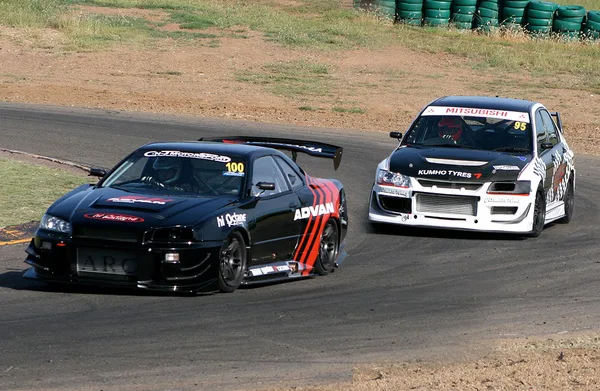
The Mid Night Club ran illegal races on the Wangan, the Bayshore Route of Tokyo's Shuto Expressway, from 1987 until 1999. To get in, your car had to be capable of more than 250 km/h, roughly 155 mph. On the road they ran at speeds approaching 300 km/h.
What made them different from every other street racing group was how strictly they policed themselves, and it's the reason the story ends the way it does.
Getting in was the hard part
The car requirement was only the entry ticket. New members spent a year as apprentices, and during that year you had to attend every single meet to keep your place and eventually become a full member. Miss meets and you were out. The club also had rules about how you drove. Endangering ordinary motorists was not acceptable, which sounds like an odd principle for a group doing 180 mph on a public highway, and it was the line they built everything around. They ran at night on a specific stretch, they watched for traffic, and members policed each other.
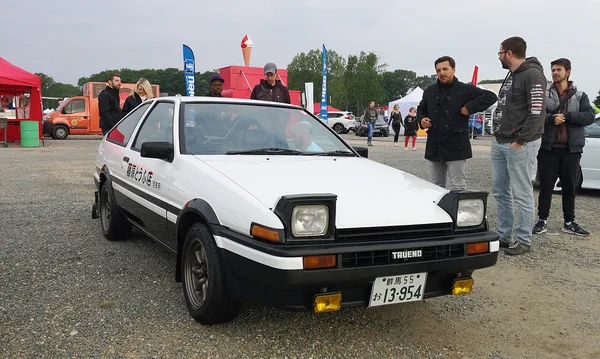
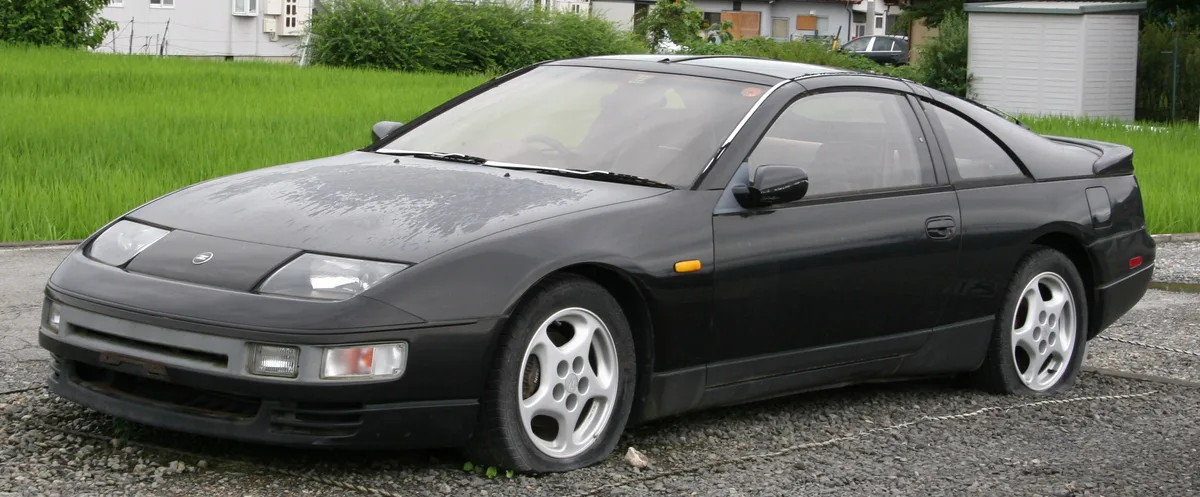
The cars were the Japanese and German heavy hitters of the era, tuned far past standard: Nissan Fairlady Z Z32s, Skyline GT-Rs, Porsche 911s, and Supras. This was the era when Japanese tuning shops were building 600 and 800 horsepower street cars, and the Wangan is where those cars got used.
How it ended
In 1999 a race with a bosozoku biker gang went wrong. The bikers followed the club into an area with heavy traffic, and the crash that followed killed two of the bikers and put eight other motorists in hospital. The club disbanded immediately. Their own rule about not endangering the public had been broken in the most public way possible, so they shut the whole thing down rather than carry on. That's a genuinely unusual ending. Most groups like this fade out, get arrested, or keep going quietly. Mid Night applied its own standard to itself and stopped.
Why it still matters to how cars look
The Mid Night aesthetic is all over car culture now, and most people copying it don't know where it came from. The look is smooth, aerodynamic, and understated: full body kits that follow the car's lines rather than fighting them, small ducktail spoilers instead of huge wings, and paint in black, silver, or dark blue. That's because everything was built for sustained top speed on a straight highway, which rewards low drag and stability over downforce. The touge mountain scene produced a completely different look for the same reason, since those cars needed grip and rotation instead.
Sources:
Founding, membership rules, and the 250 km/h requirement: The Back Roads
The 1999 crash and the disbanding: Low Offset
Frequently Asked Questions

Cam Walsh has been obsessing over cars since before he could drive one. Based out of Atlanta, Cam covers automotive design, car culture, and the eternal debate over which whips actually look the part.