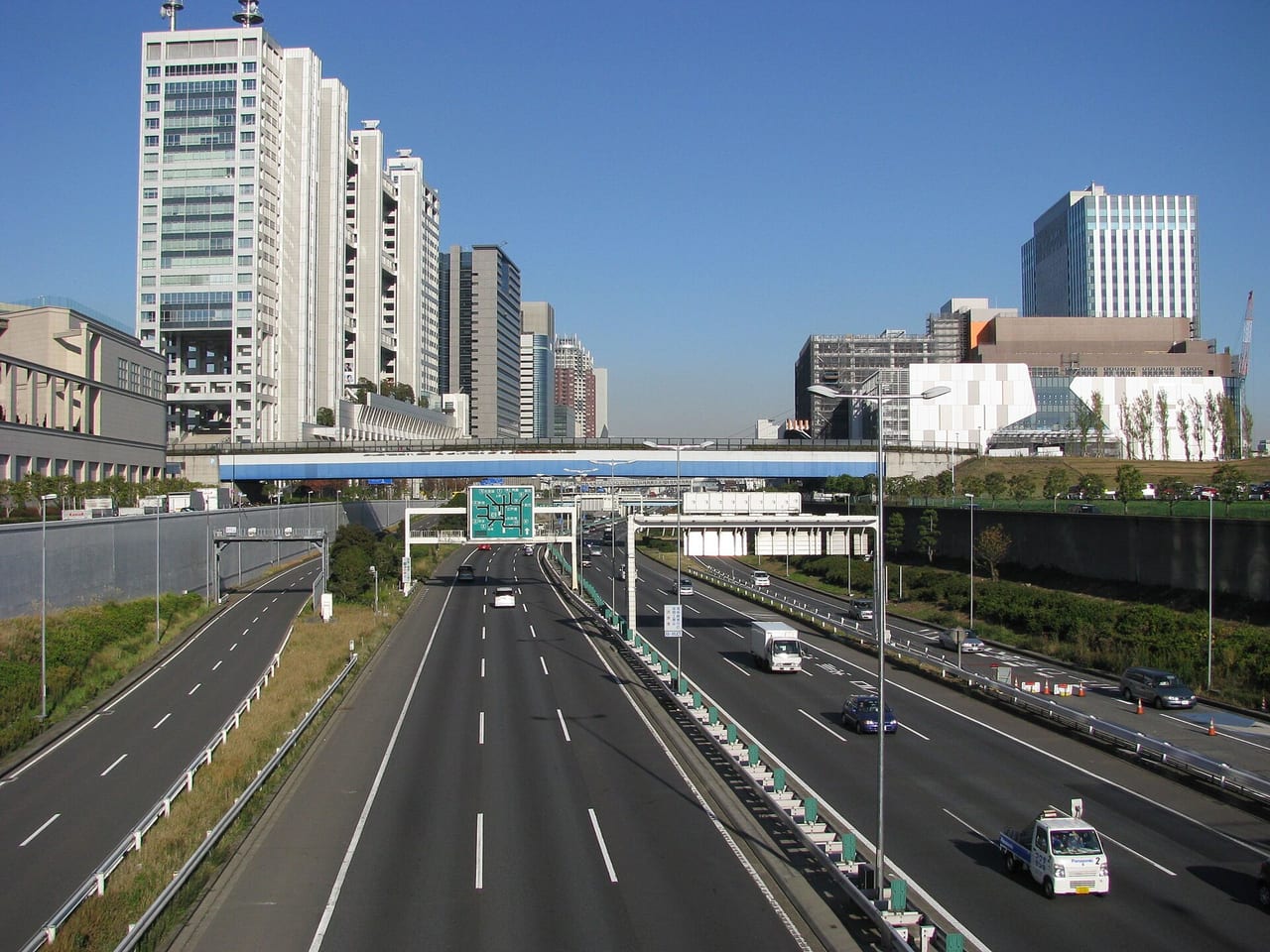
What is Wangan?
Japanese for "bayshore," and the enthusiast name for Tokyo's Bayshore Route expressway, famous for high-speed street racing.
Wangan (湾岸) means "bayshore" in Japanese. In car culture it means the Bayshore Route, or Wangan-sen, a 62.1 km (38.6 mile) toll expressway in Tokyo's Shuto Expressway network. It runs along Tokyo Bay from the Kanazawa ward of Yokohama to Ichikawa in Chiba Prefecture, over bridges such as the Tsurumi Tsubasa and Yokohama Bay bridges and through undersea tunnels. It opened in stages between 1976 and 2001. By day it is packed: in 2015 its busiest section carried 163,404 vehicles a day.
At night its long, straight stretches drew street racers from the late 1980s through 1999. The road became known around the world in the 1990s as the home course of the Mid Night Club, whose members were known for runs at 300 km/h and sometimes 320 km/h. Tuning companies such as Top Secret also set illegal speed records there, often with a Toyota Supra A80. The scene has since dwindled as police presence increased.
The manga Wangan Midnight by Michiharu Kusunoki carried the name further. It began in 1990, ran to 42 volumes, and won the 1999 Kodansha Manga Award. The story follows high school student Akio Asakura as he chases a black Porsche 911 Turbo nicknamed the "Blackbird" on the Wangan, and it has been turned into live-action films, an anime, and video games.
Related terms
Frequently asked questions
Wangan on the blog
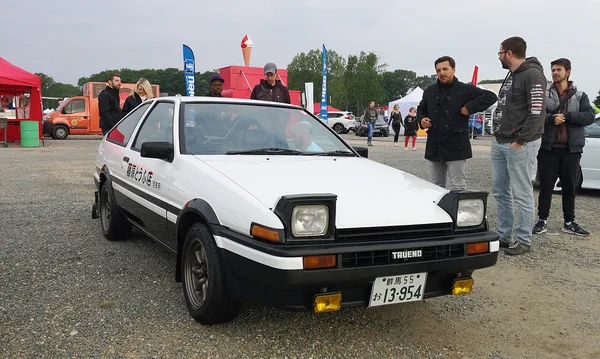
A hashiriya is a Japanese street racer who runs mountain passes or Tokyo's expressways at night. Police class them as an illegal-racing type of bosozoku, mostly solo drivers in cars. Here's how the touge and Wangan scenes work, and the cars that defined them.
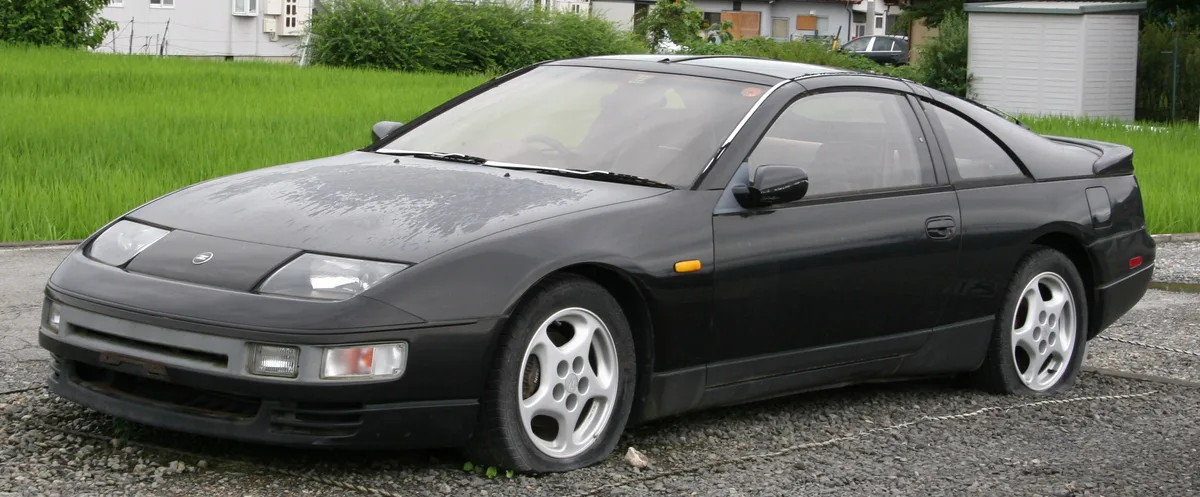
The Mid Night Club raced the Wangan from 1987 to 1999, required cars capable of 250 km/h, and made new members serve a year of apprenticeship. When a 1999 crash with a bosozoku gang killed two people and hospitalised eight, they disbanded on the spot.