Bosozoku is the loudest corner of Japanese car culture, and it means to be loud. Picture exhaust pipes that rise into the air like spears, body kits that stretch and splay with no interest in aerodynamics, fender flares stacked on fender flares, and paint that refuses to be ignored. Nothing about it is subtle, and that is the entire point.
Most car styles are trying to look fast, or expensive, or tasteful. Bosozoku is trying to look defiant. To understand why a car would be built this way, you have to start with the people who built the first ones, and they were not driving cars at all.
It Started With Bikers
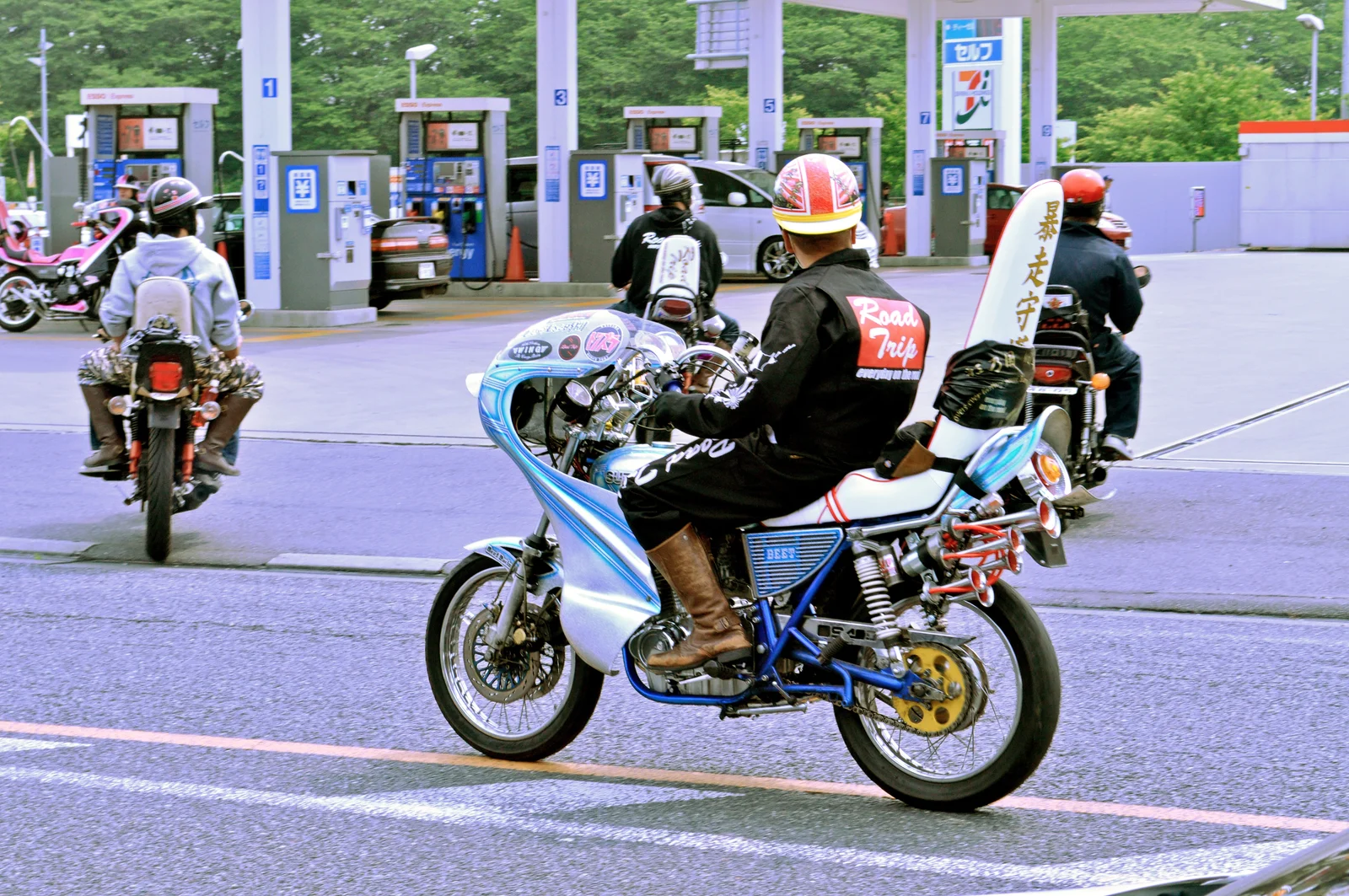
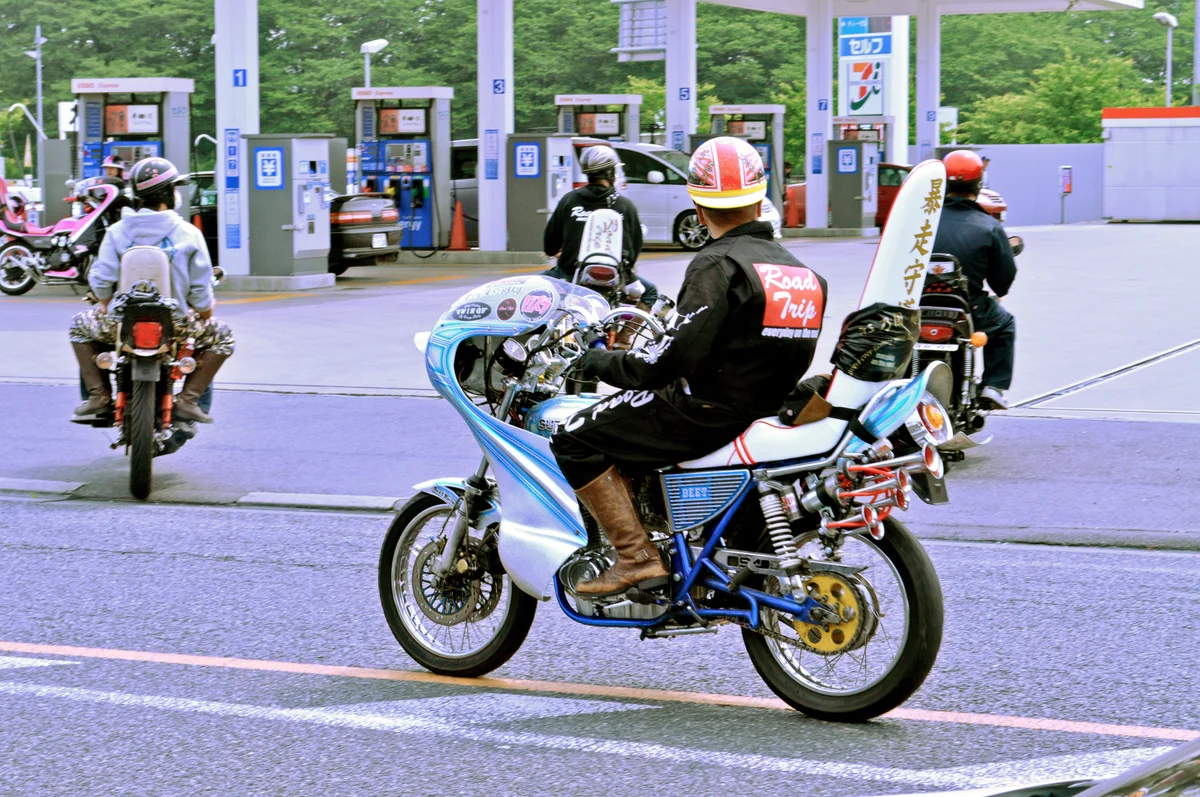
The roots go back to 1950s Japan and a motorcycle subculture born out of postwar restlessness. The early riders were sometimes called the thunder tribe, leather-clad and deliberately disruptive, and by the 1970s they had hardened into what became known as bosozoku. The word translates roughly as violent running tribe, which tells you most of what you need to know about the attitude. This was rebellion on wheels, built to disturb the peace and look good doing it.
The styling language came from that defiance. It was never meant to please. It was meant to announce that the rules did not apply here.
From Two Wheels to Four
As the 1970s wore on, the authorities leaned harder on the biker gangs, and a lot of riders simply moved into cars. The attitude came with them. What had been an extreme motorcycle scene became an extreme car scene, often called zokusha, and the cars inherited every bit of the bikes' refusal to blend in.
This is where the look we now recognize took shape: ordinary Japanese coupes and sedans transformed into something cartoonish and aggressive, built in home garages by people who cared more about presence than performance.
The Look Is the Point
The signature feature is the exhaust. Those towering, upward-angled pipes are called takeyari, and they can rise feet into the air. They do nothing good for the engine. That is fine, because they were never about the engine. They are about being seen and heard from a block away. The same logic runs through the whole car: the body kits, the extended noses, the wild graphics all exist to create an impression, not a lap time.
It is the rare style where function is not just ignored but actively rejected. A bosozoku car is a statement first and a vehicle second, and judging it by normal car-build standards misses the point entirely.
Cousins: Shakotan and Stance
Bosozoku does not exist alone. It grew up alongside shakotan, which literally means low car, a style built around dropping classic Japanese cars as close to the ground as possible. Shakotan is often described as the original stance movement, the ancestor of the slammed, aggressive fitment you see in stance builds today. The two share an era, a country, and a willingness to sacrifice practicality for looks, though shakotan tends toward clean and low where bosozoku goes for pure excess.
Together with scenes like the kanjozoku street racers, they map out just how varied Japanese car culture really is, from understated to completely unhinged.
What This Means in a Faceoff
A bosozoku car is almost impossible to score with a straight face, and that is what makes it interesting. It breaks every conventional rule of what a good-looking car is supposed to be, and it does so on purpose. Some voters will love it for the sheer commitment. Others will reject it just as hard. There is rarely a shrug.
That polarization is the honest measure of the style. Put a true bosozoku build on WhipJury and you will not get a quiet result. You will get a fight, which is exactly what the car was built to start.
Sources:
Bosozoku origins as a 1950s biker subculture and the move to cars: The Drive
Takeyari exhausts and zokusha styling: Yokogao Magazine
Shakotan as the original low-car style: Wikipedia
Frequently Asked Questions

Jeffrey Wiley has spent more time than he'd like to admit thinking about what makes a car look right. He writes about automotive design, car culture, and the opinions people have strong feelings about. He lives in north Georgia.