Mazda Cars
JDM · 24 models

The rotary engine, the Miata, and a refusal to copy what other Japanese makers were doing. Mazda has always been the contrarian.
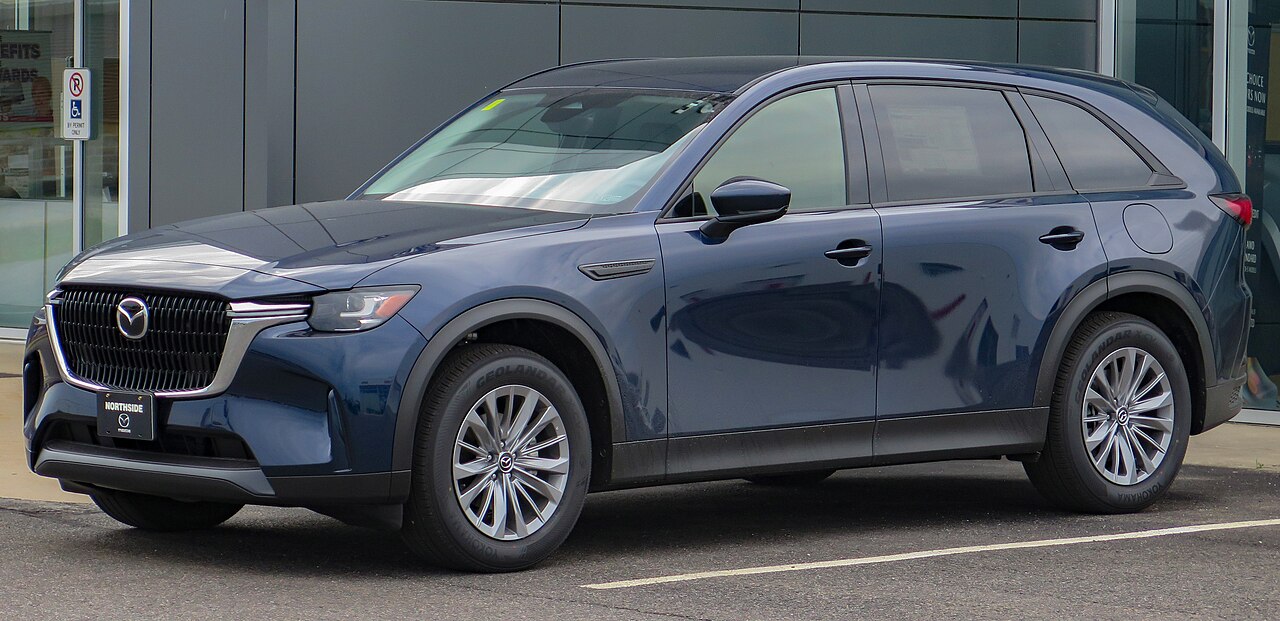
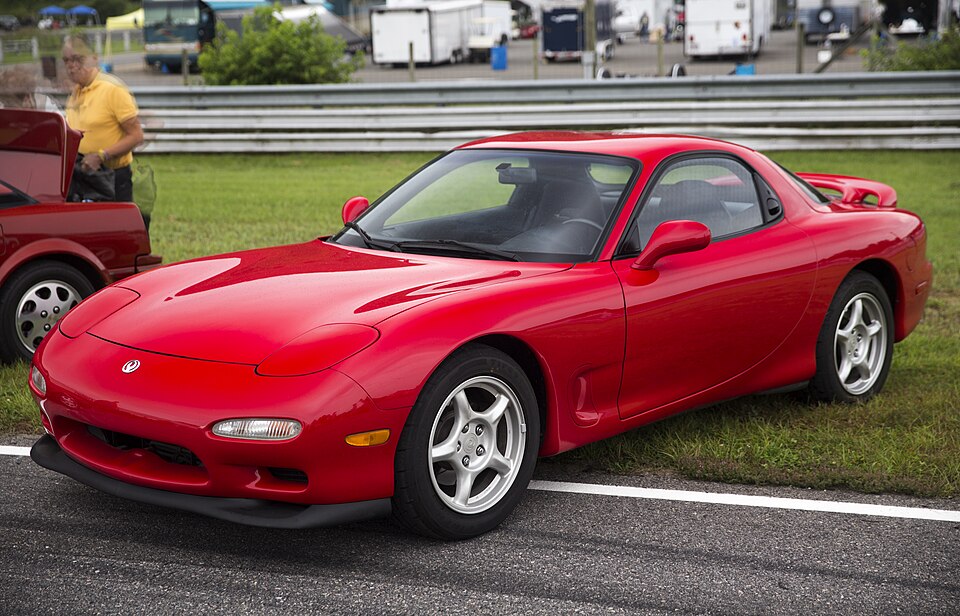
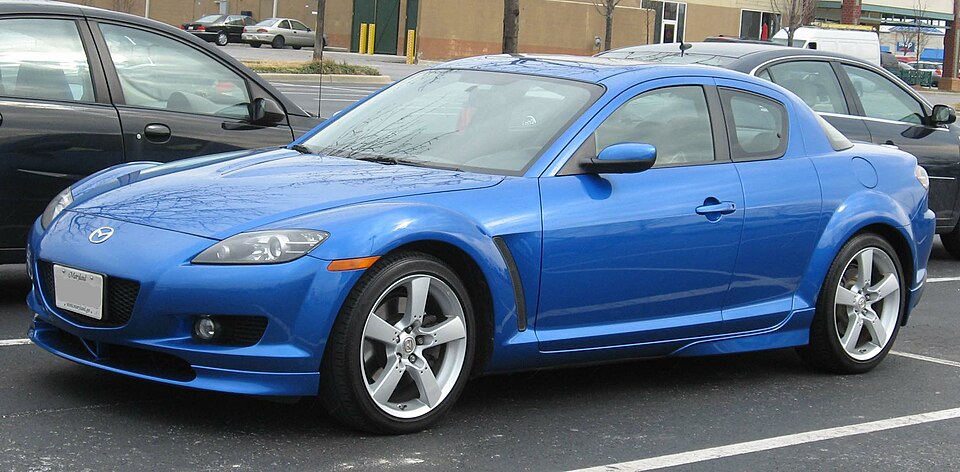
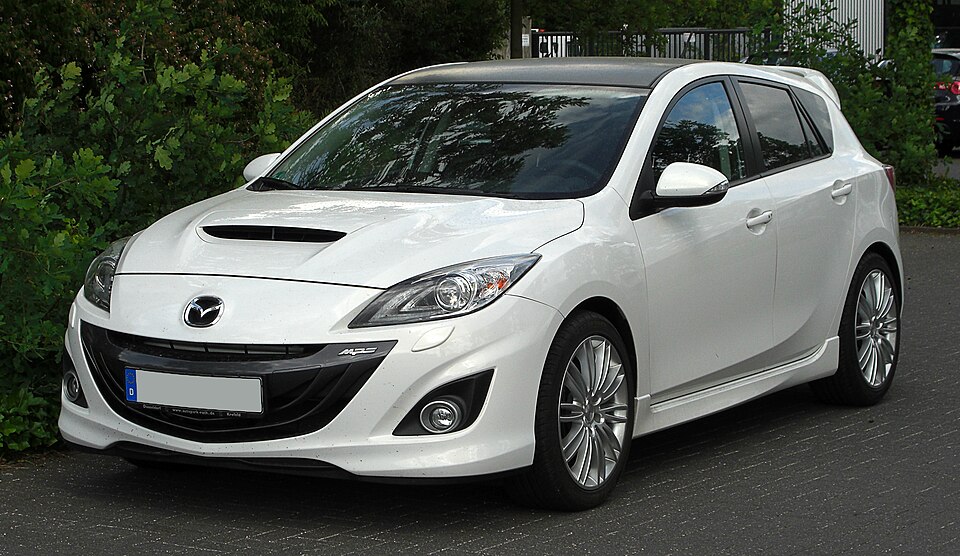
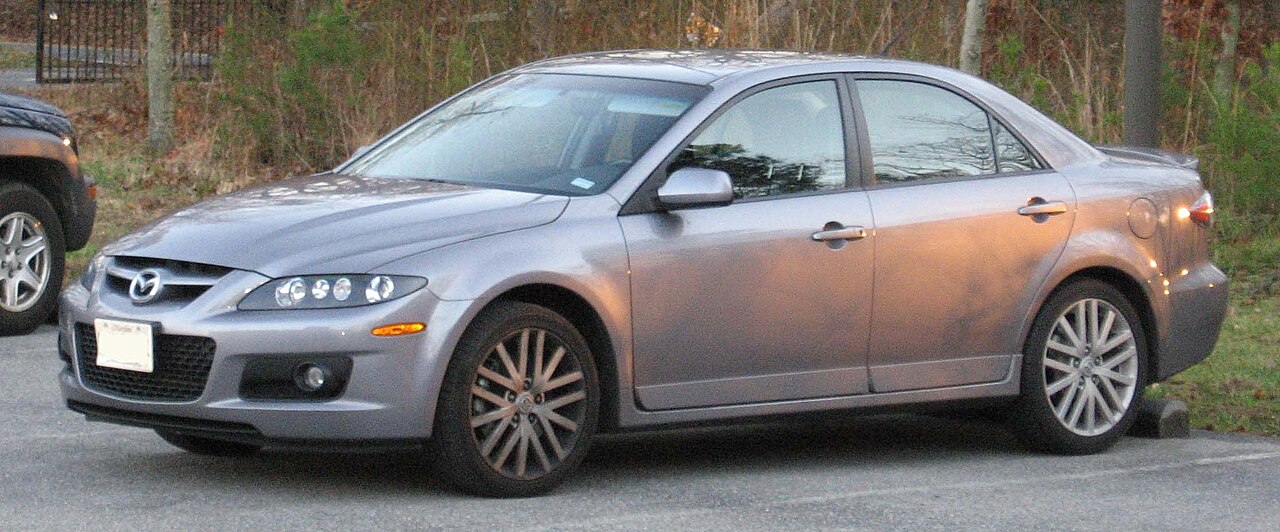
JDMMazda is the Japanese maker that took the road less traveled. While Toyota, Honda, and Nissan refined the conventional piston engine, Mazda spent decades developing the rotary. The result is the only production rotary sports cars ever made: the RX-7 across three generations, and the RX-8. The MX-5 Miata is the other side of the Mazda story. Launched in 1989, it singlehandedly revived the affordable two-seat roadster category that British makers had abandoned. Four generations later, the formula remains: light weight (under 2,400 pounds), 50/50 weight distribution, manual transmission as standard, and just enough power to be entertaining without being intimidating. The Miata is the best-selling roadster of all time and the most autocrossed car in North America. The RX-7 deserves its own paragraph. The FD3S RX-7 (1992-2002) is one of the most beautifully designed cars of any era, period. Sequential twin-turbo 13B rotary, 50/50 weight distribution, under 2,800 pounds. Magazines of the era ranked it ahead of contemporary Ferraris in handling tests. Today, clean unmolested examples sell for six figures. In the modern era, Mazda doubled down on driver engagement when most makers were chasing horsepower. Skyactiv technology, the renewed focus on lightweight chassis, and the recent return to inline-six rear-drive layouts in the CX-60 and CX-90 show Mazda still treats driving feel as a first-order concern. On WhipJury, Mazda submissions are dominated by Miatas (across all four generations), RX-7s (FC and FD), RX-8s, and the occasional Mazdaspeed 3 or 6. Drift, autocross, and clean stock builds all fare well in the arena.
Top Mazda cars on WhipJury
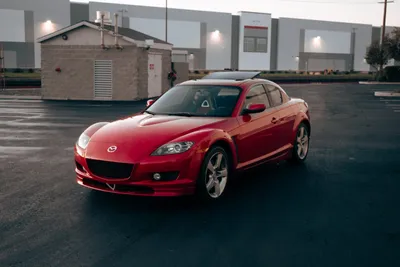
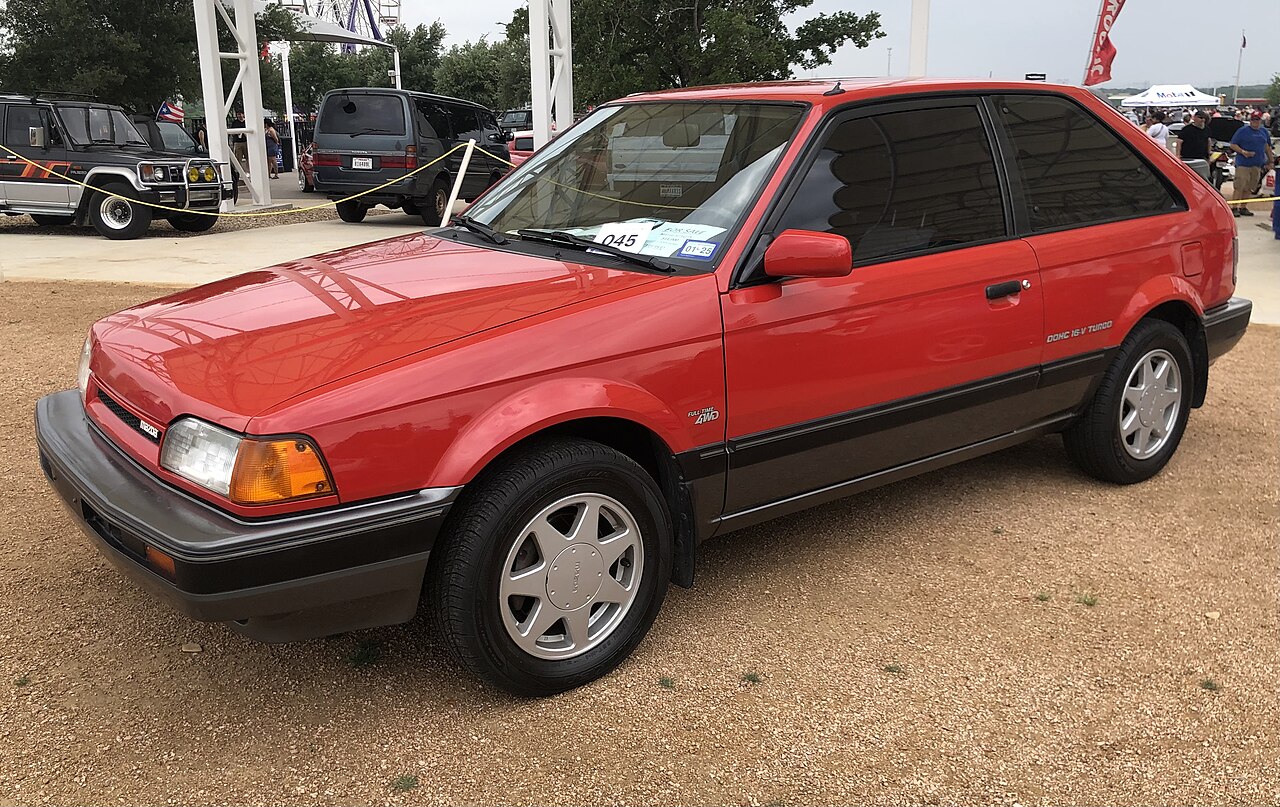
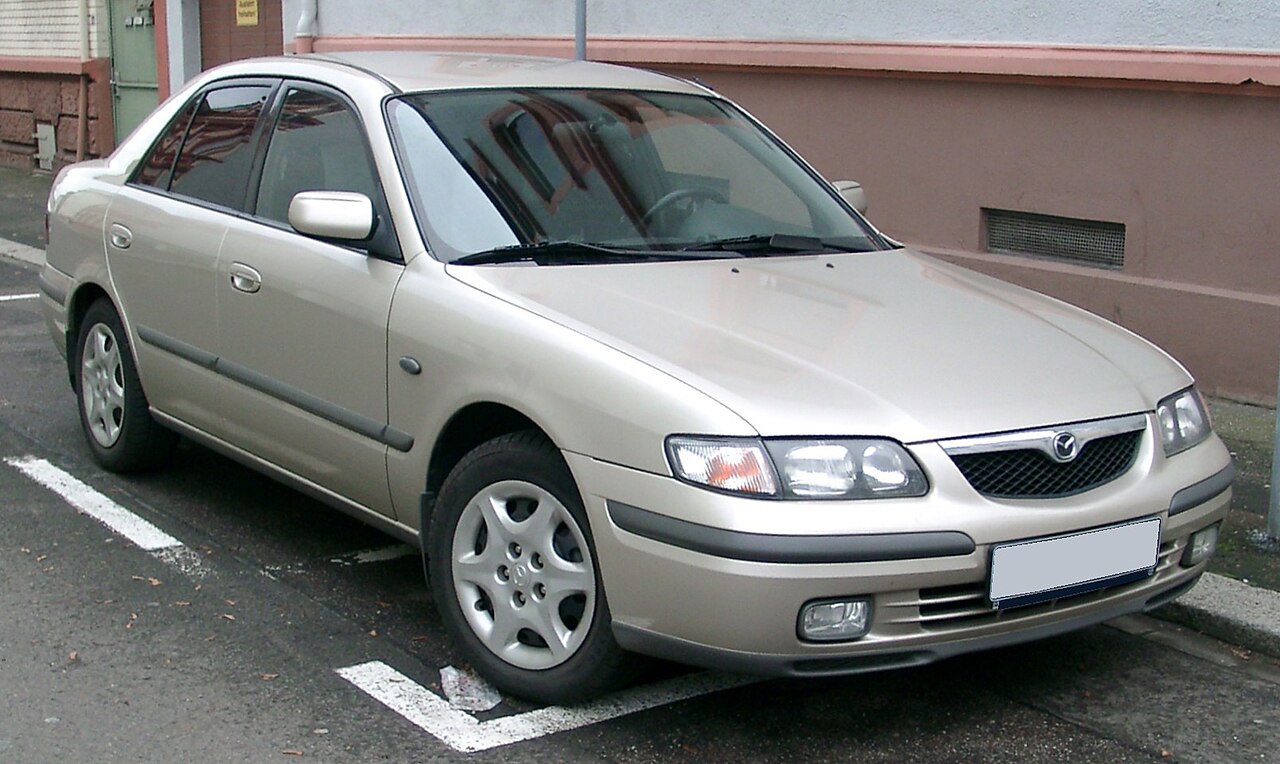
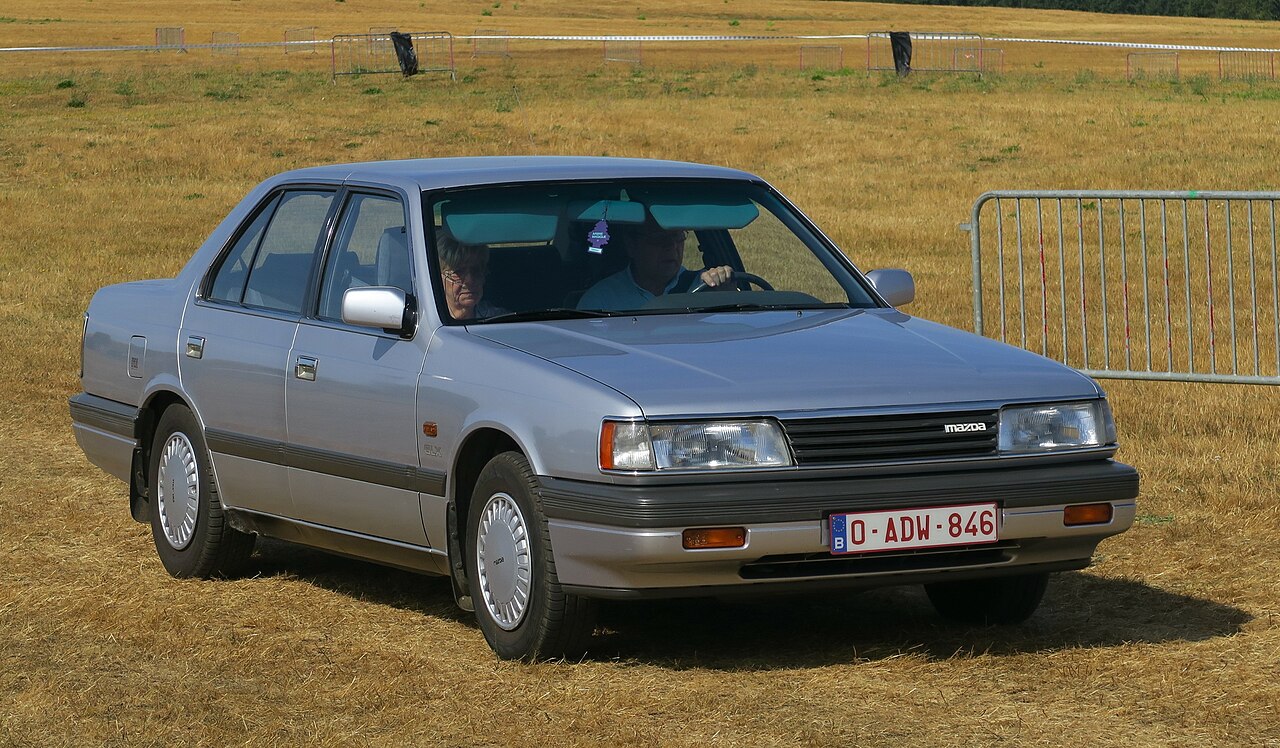
Mazda models we cover
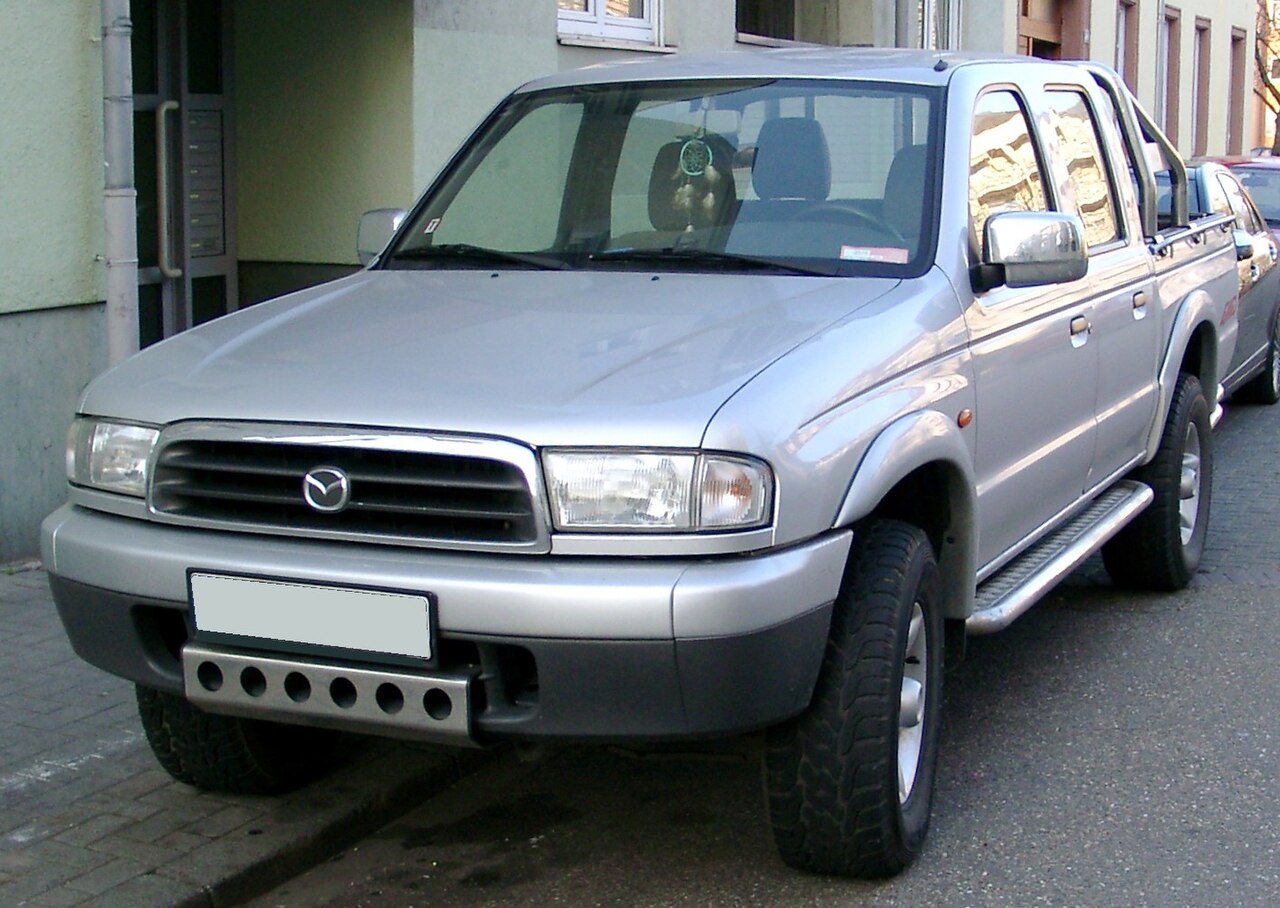
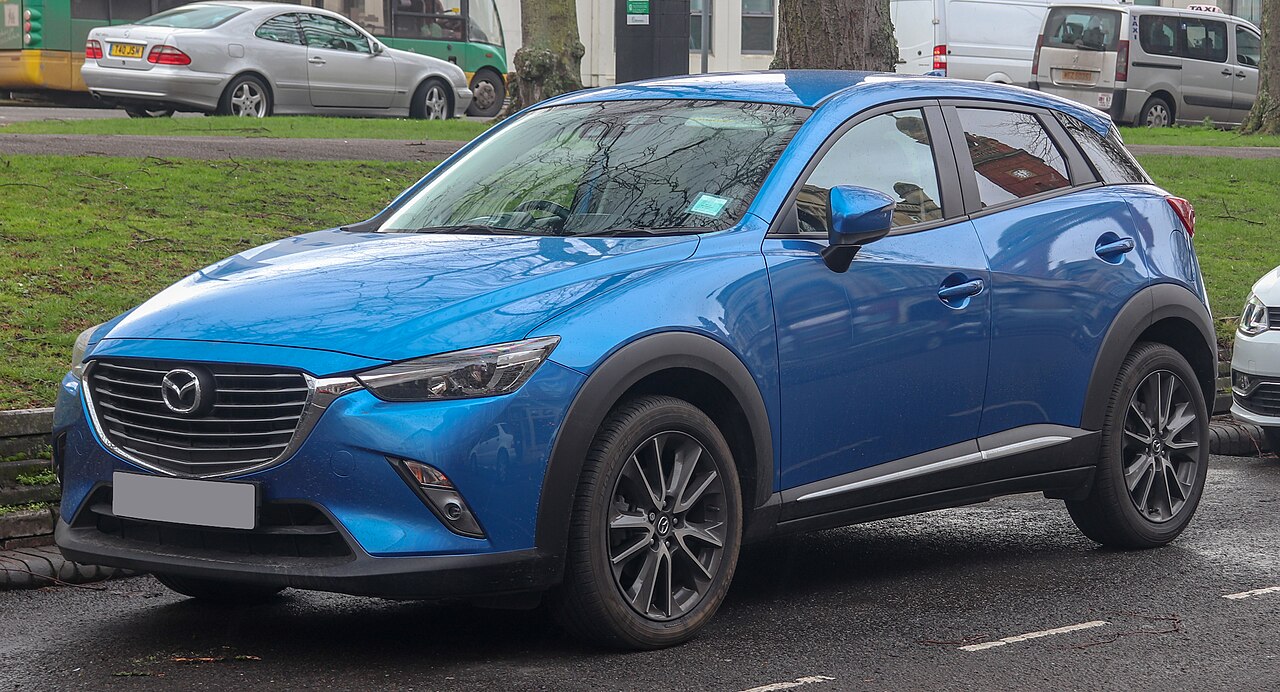
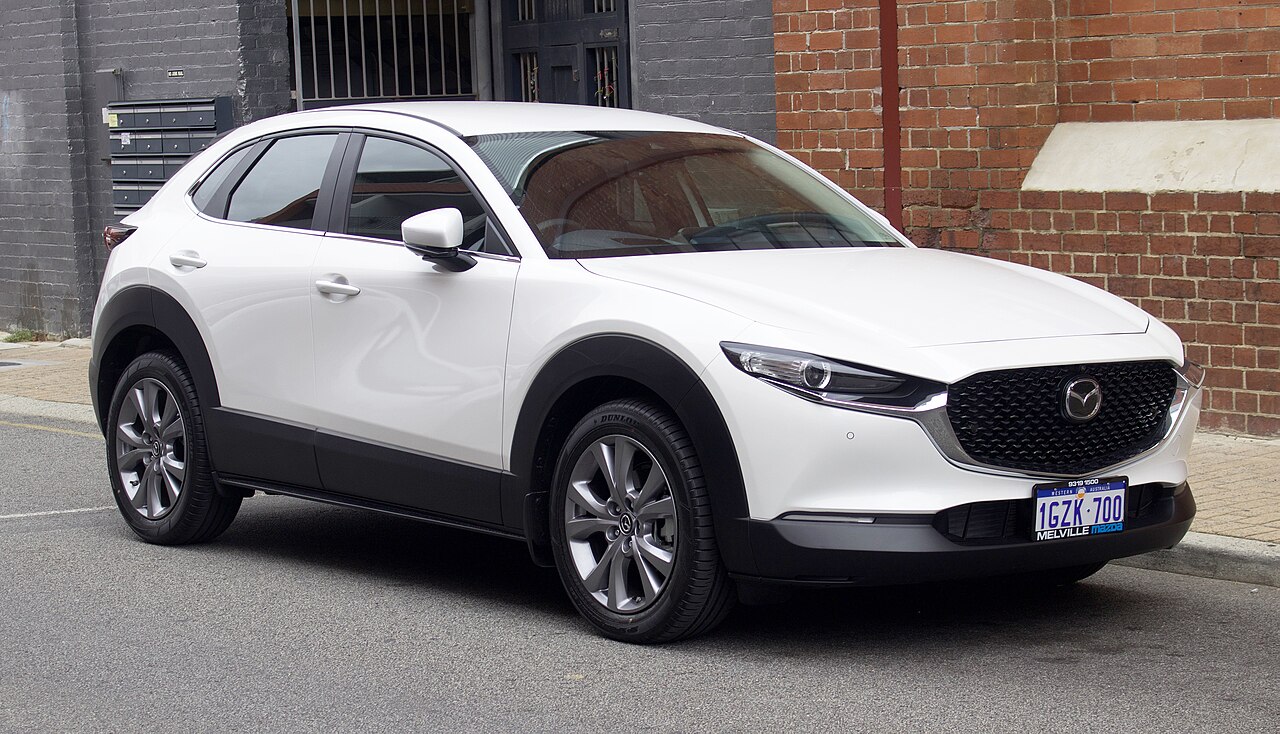
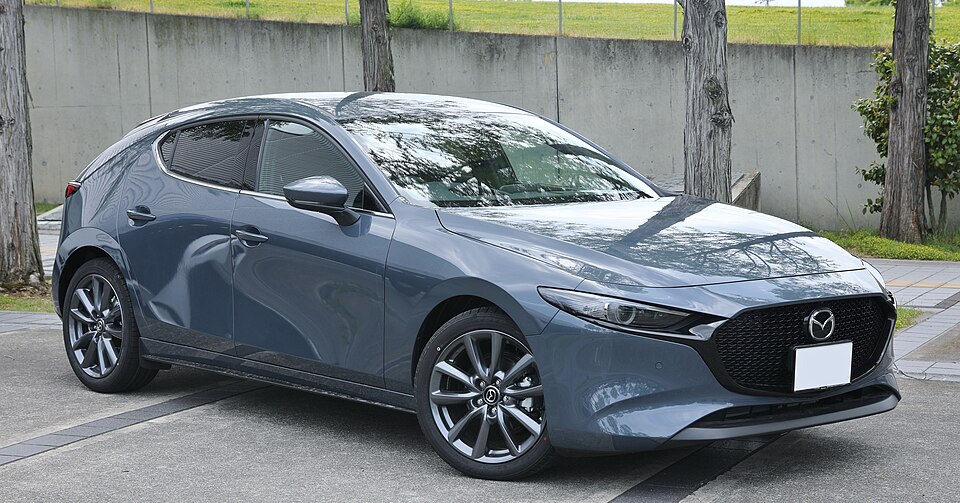
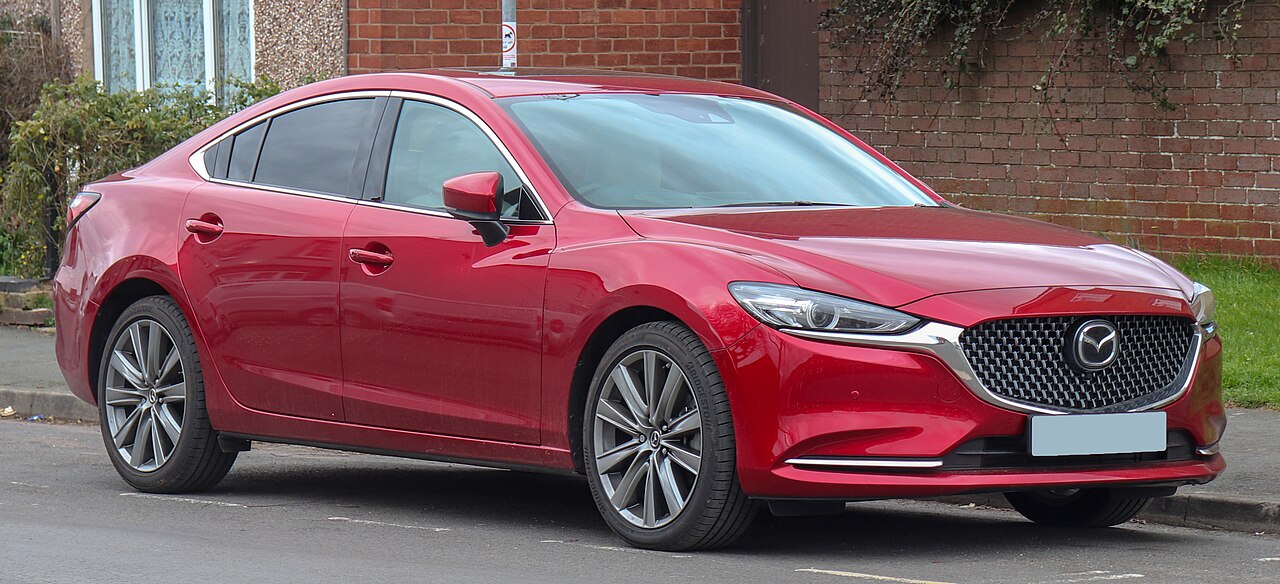
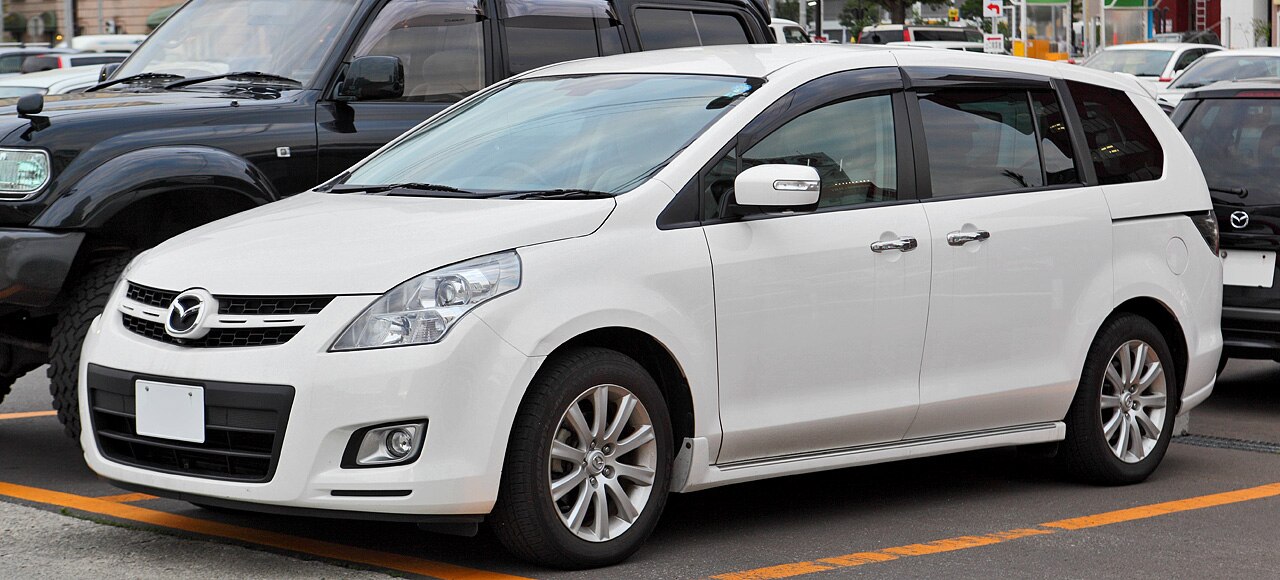
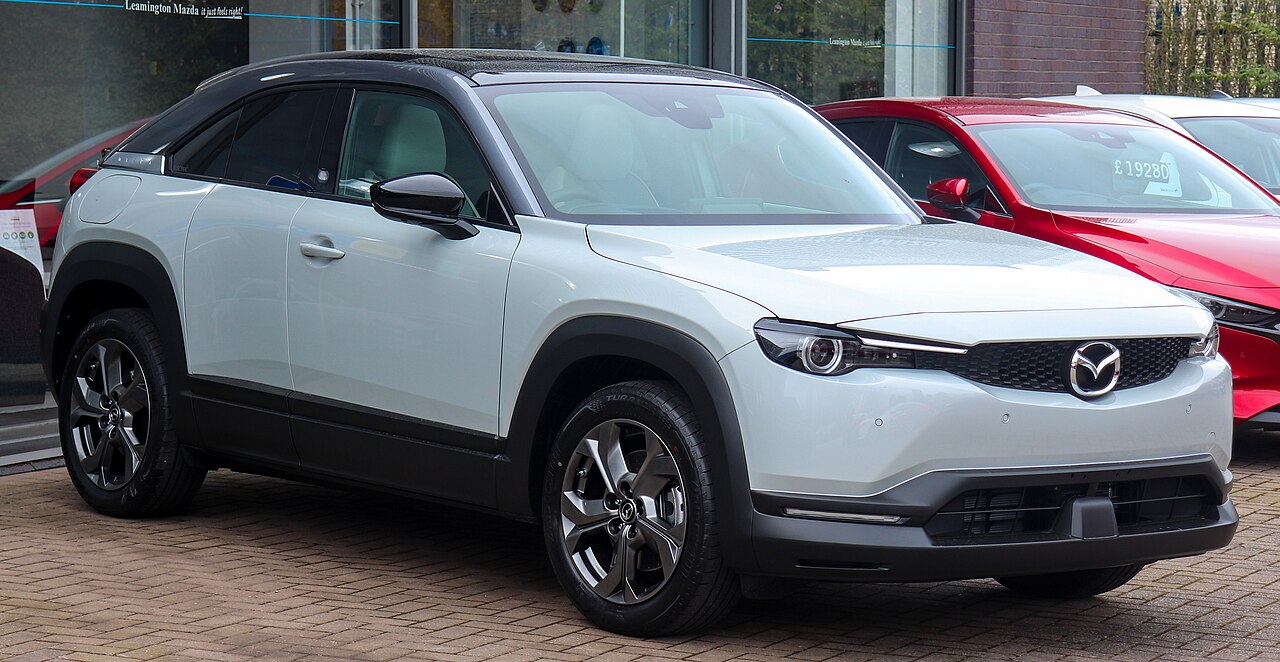
The rotary engine
The Wankel rotary engine has no pistons, no valves, and no reciprocating motion. A triangular rotor spins inside a peanut-shaped housing, and the geometry creates intake, compression, ignition, and exhaust phases. The advantage is mechanical simplicity and a high power-to-weight ratio for the engine itself. The disadvantage is poor fuel economy, high emissions, and apex seal wear that requires more frequent rebuilds than a conventional engine.
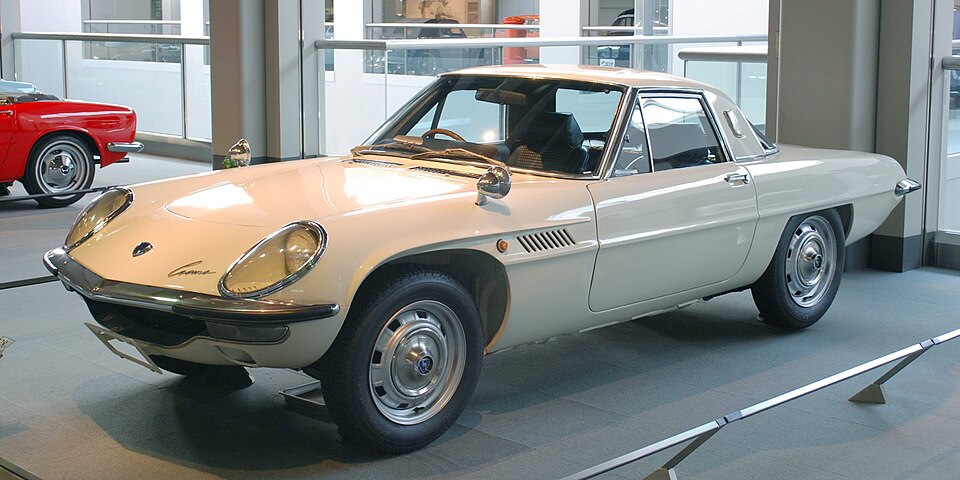
Mazda is the only manufacturer that committed long-term. The Cosmo (1967), the RX-2, RX-3, RX-4, RX-5, three generations of RX-7 (SA22C, FC, FD), and the RX-8 all used rotary engines. The 787B won Le Mans in 1991 with a four-rotor R26B, the only Japanese car to win the race outright until Toyota in 2018.
The MX-5 formula
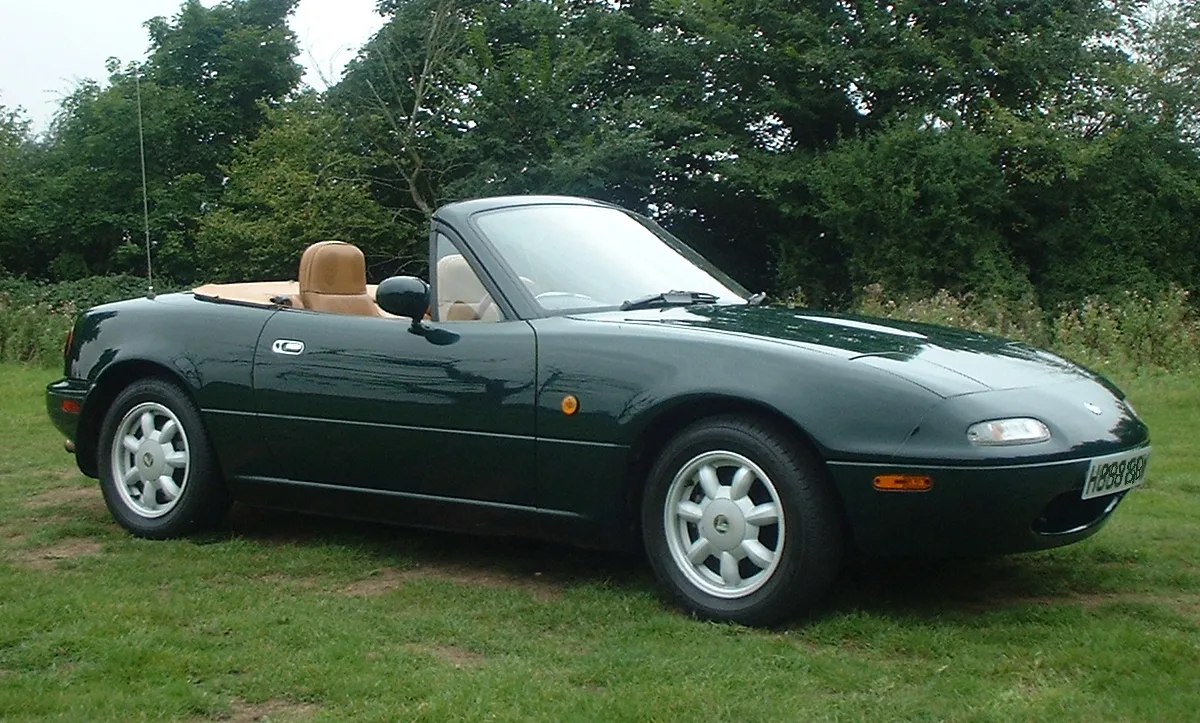
NA (1989-1997). The original. Pop-up headlights, 1.6 or 1.8 liter four, manual rack and pinion steering. Under 2,200 pounds. Defined the formula.
NB (1998-2005). Loses pop-up headlights, gains some weight, but otherwise faithful to the original.
NC (2005-2015). Bigger, heavier, more refined. Power retractable hard top option. Often dismissed by purists but rewards rebuilding into a track car.
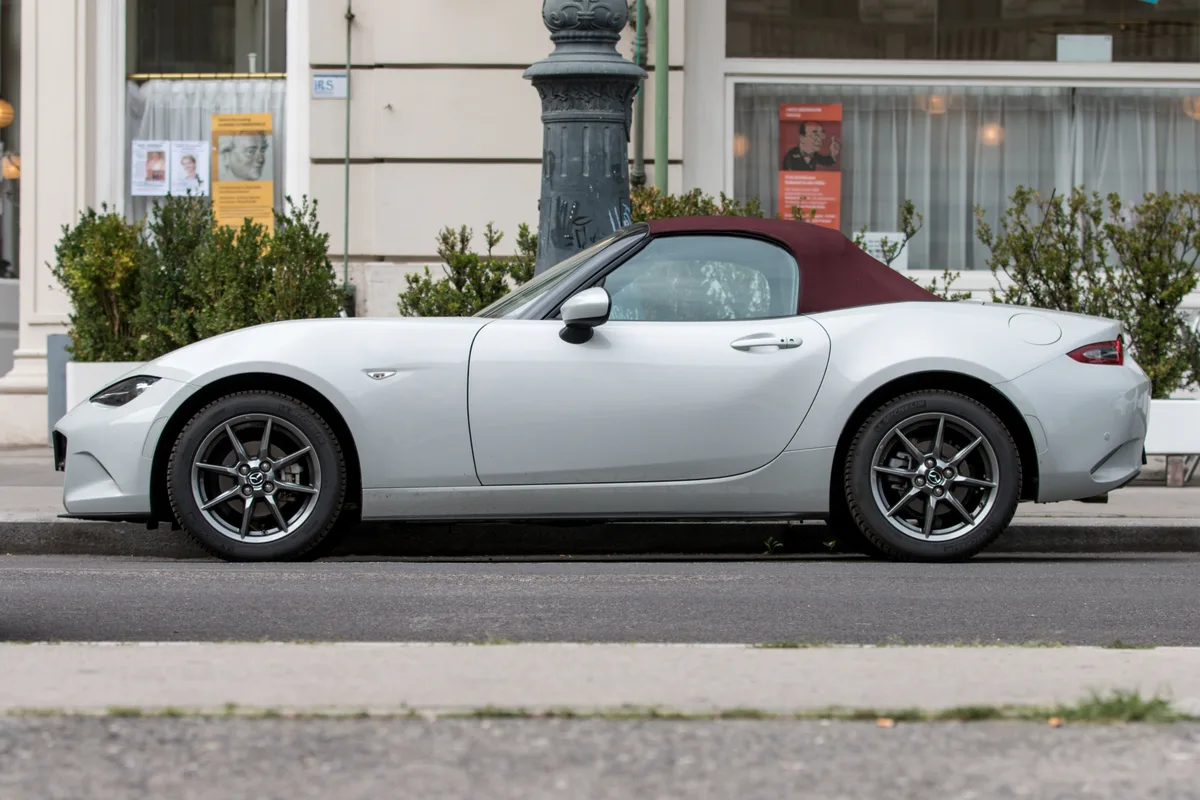
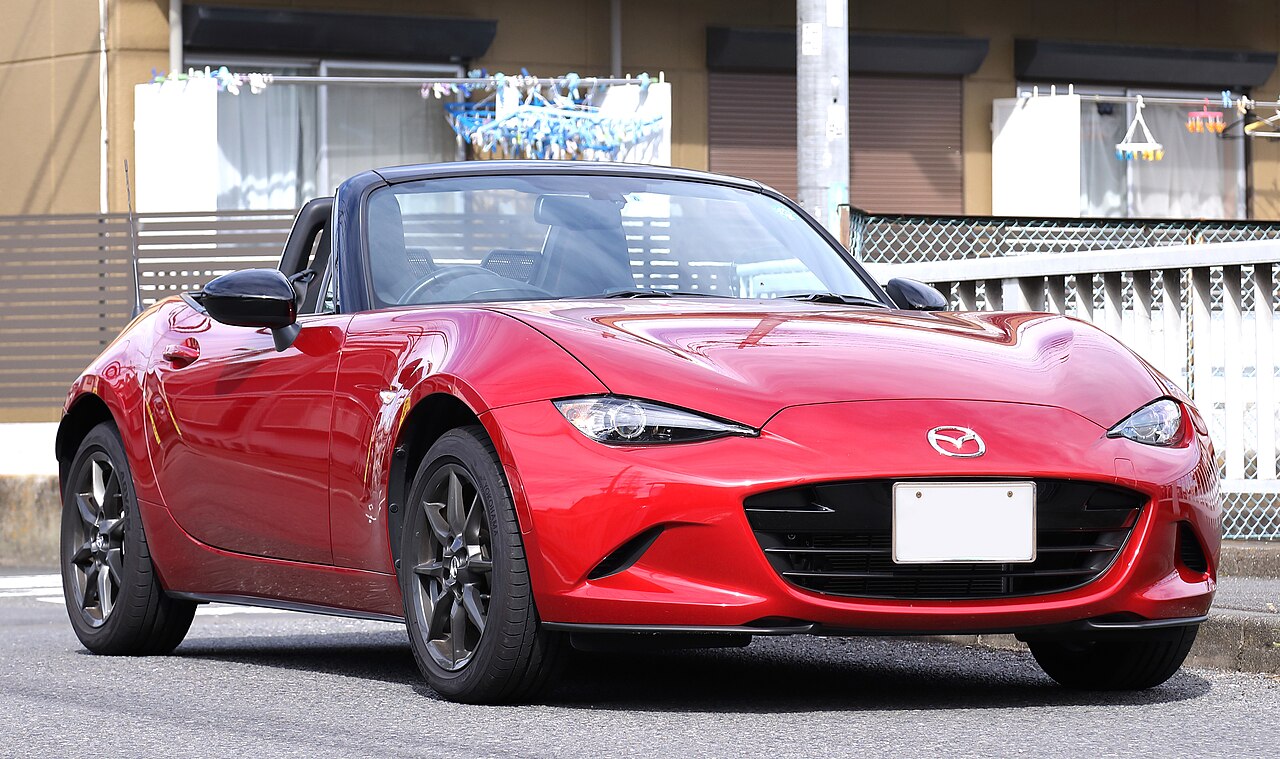
ND (2015-present). Returns to a focus on light weight. Under 2,400 pounds. Available as a roadster or RF (retractable fastback). The current car is widely considered the best Miata since the original NA.
The FD RX-7
The FD3S RX-7 sold from 1992 to 2002 in Japan, with limited US availability through 1995 only. It is one of the prettiest cars ever made, full stop. Sequential twin turbocharging on a 1.3 liter rotary made 255 horsepower factory, and the chassis was tuned for neutrality. The car is also notoriously demanding: rotary engines need careful warm-up, premium fuel, frequent oil changes, and apex seals every 60,000 miles or so under street use. A clean unmolested FD with documented maintenance is one of the most valuable JDM cars on the market.
Mazda on WhipJury
Miata submissions are the largest single subset on the platform after Civics. The arena sees clean stock NA Miatas, K20-swapped builds, NB SE turbos, NC track cars, and ND Cup-prepped racers. RX-7 submissions tend to do well in duels, especially clean FDs. The community here recognizes that a well-sorted Miata can be more entertaining on a back road than cars costing ten times as much.