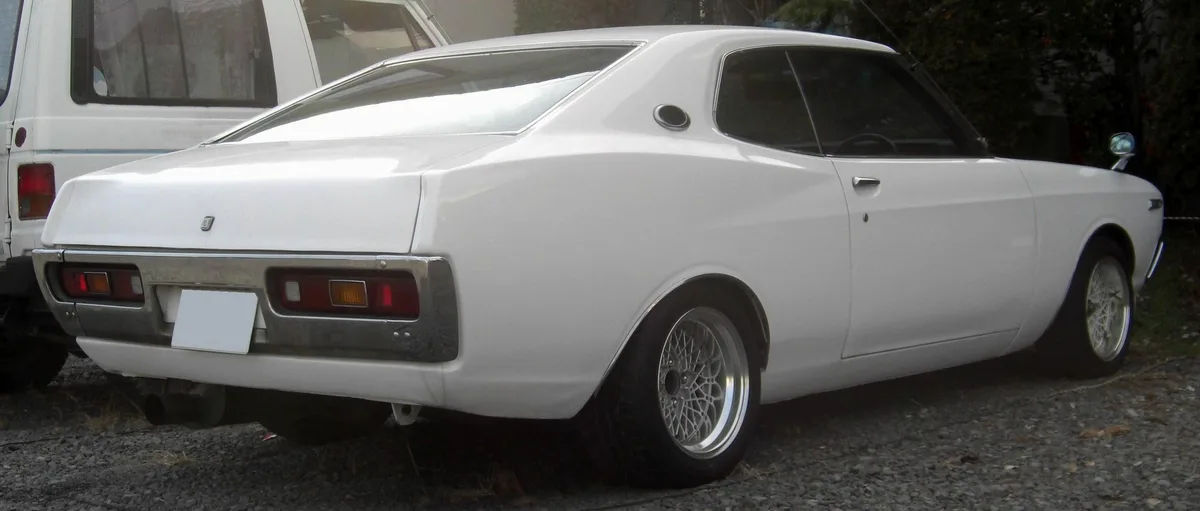
JDM stands for Japanese Domestic Market. It refers to vehicles and parts built for sale in Japan, to Japanese specifications, for Japanese buyers. That is the whole definition. A car is JDM because of where it was sold, not where it was made, which means the term gets misused constantly. The Civic your neighbor bought at an American Honda dealer is a Japanese car, but it is not a JDM car. It never touched the Japanese market.
This distinction sounds pedantic until you spend five minutes in any car community, where calling a US-spec car "JDM" is one of the fastest ways to get corrected by strangers. So here is what the term actually covers, why the real thing is hard to get, and why people care so much.
The Literal Definition
Japan's home market has its own regulations, tastes, and quirks, and Japanese automakers built cars specifically for it. JDM cars are right-hand drive. Many carried engines, trims, and options that were never offered overseas. Japan also had its famous gentleman's agreement among manufacturers that capped advertised horsepower at 276 for years, which is why so many JDM legends were quietly underrated from the factory.
The flip side of JDM is USDM, the United States Domestic Market. A 1995 Honda Civic sold in Ohio is USDM. A 1995 Civic SiR sold in Osaka is JDM. Same nameplate, different markets, different cars in the details that matter.
Japan also has an entire vehicle class that barely exists anywhere else: the kei car, a tiny tax-advantaged city car category that produced some of the most charming machines ever built. Kei cars are about as purely JDM as it gets.
Why the Real Thing Is Hard to Get
The reason genuine JDM cars carry mystique in America comes down to one law. The Imported Vehicle Safety Compliance Act of 1988 effectively closed the US to cars that were not built to meet Federal Motor Vehicle Safety Standards. The escape hatch is what enthusiasts call the 25-year rule: once a vehicle is 25 years old, counted from its month of manufacture, it can be imported without meeting those standards. The EPA has a separate 21-year exemption for emissions, but the 25-year mark is the one that matters for legal road use.
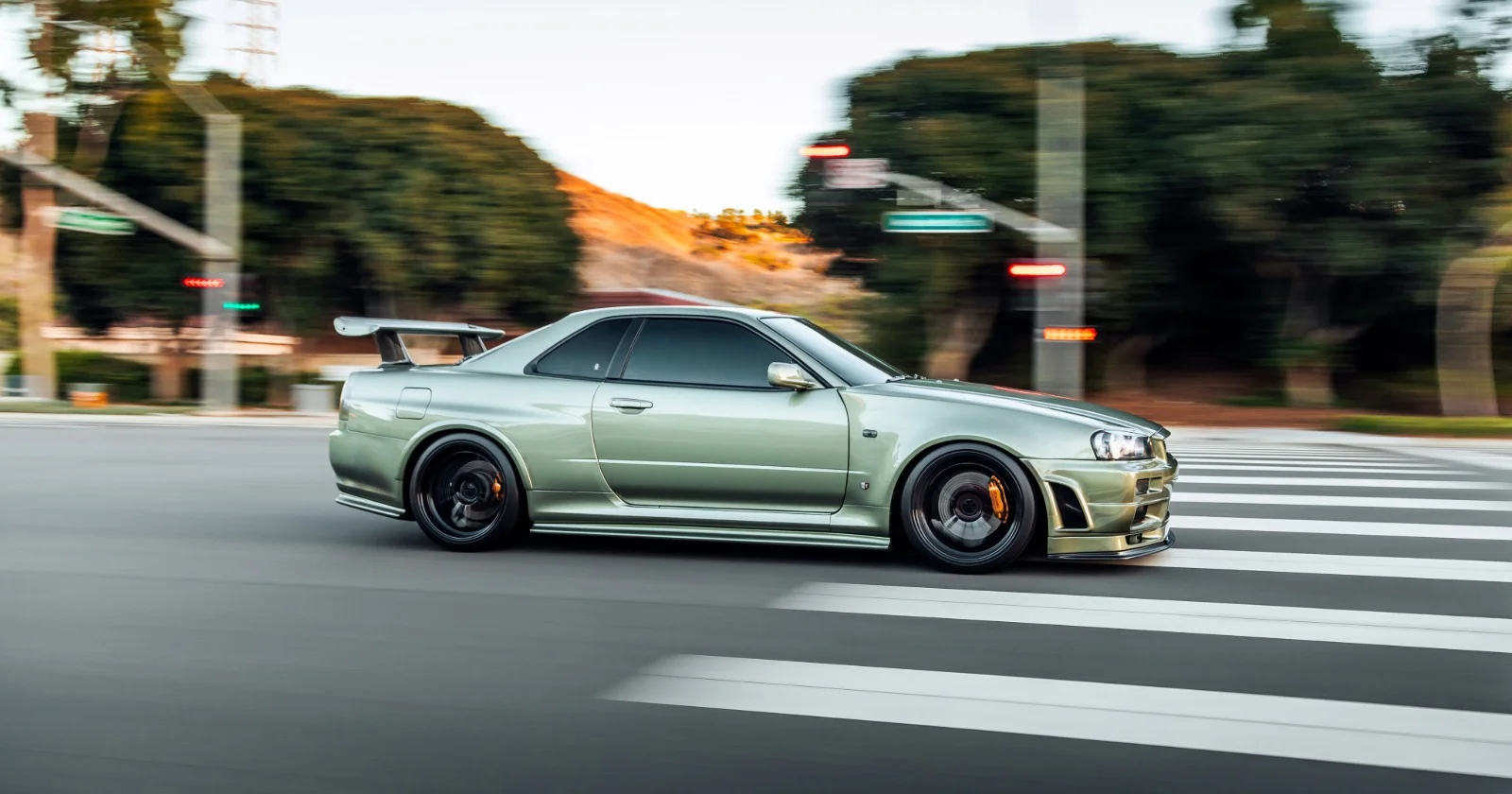
That rolling window is why JDM culture in America moves in waves. The Nissan Skyline R32 became legal in 2014 and prices climbed. The R33 followed, then the R34 started aging in. Every year a new batch of forbidden fruit ripens, and every year importers and auction brokers do brisk business shipping it over.
What Gets Called JDM but Isn't
The most common misuse is treating JDM as a synonym for "Japanese car" or, worse, as an aesthetic. A lowered USDM Civic with gold wheels and a wing is a modified American-market Honda. It might be a great build. It is not JDM, no matter what the sticker on the windshield says.
There is a legitimate middle ground: JDM parts on a USDM car. Swapping a Japanese-market front end, cluster, or engine into a US car is a real and respected practice, and saying a car has JDM parts or a JDM swap is accurate. The line people draw is between describing components and describing the whole car. A USDM Supra Mk4 with a Japanese-spec engine is still a USDM Supra with a JDM heart.
It also goes the other way. Plenty of cars Americans associate with Japan were sold here all along. The Mazda RX-7 and Civic Type R of recent years are US-market cars. Loving Japanese cars does not require calling everything JDM, and the people deepest in the culture tend to use the term most precisely.
Why People Care So Much
Partly it is precision for its own sake, the same way watch people care about the difference between a chronometer and a chronograph. But mostly it is that the term marks real scarcity. A genuine JDM import took effort and money to get here. It is right-hand drive, it has an auction sheet history, it spent two decades on the other side of the planet. Diluting the term to mean "any Japanese car with mods" erases the thing that made it worth saying.
The 25-year rule turned JDM into a collector category with hard supply limits, and language follows money. When an R34 trades for six figures, the difference between JDM and Japanese-brand stops being pedantry.
JDM in the Faceoff Arena
JDM cars punch hard in WhipJury faceoffs because they carry two advantages at once: rarity and recognition. Voters who know cars recognize a right-hand-drive Skyline instantly, and voters who do not still register that they are looking at something unusual. A clean JDM import against a comparable USDM car tends to pull votes on novelty alone.
Upload one and the comments will tell you within an hour whether the community thinks your car earns the label. That is the other thing about JDM: the term polices itself.
Sources:
The 25-year import rule and the 1988 Act: CarBuzz
JDM import legal guide: Ginza JDM
Frequently Asked Questions

Cam Walsh has been obsessing over cars since before he could drive one. Based out of Atlanta, Cam covers automotive design, car culture, and the eternal debate over which whips actually look the part.