Honda Cars
JDM · 25 models
From the Civic to the NSX, Honda built a legacy on revs, reliability, and a refusal to play it safe.
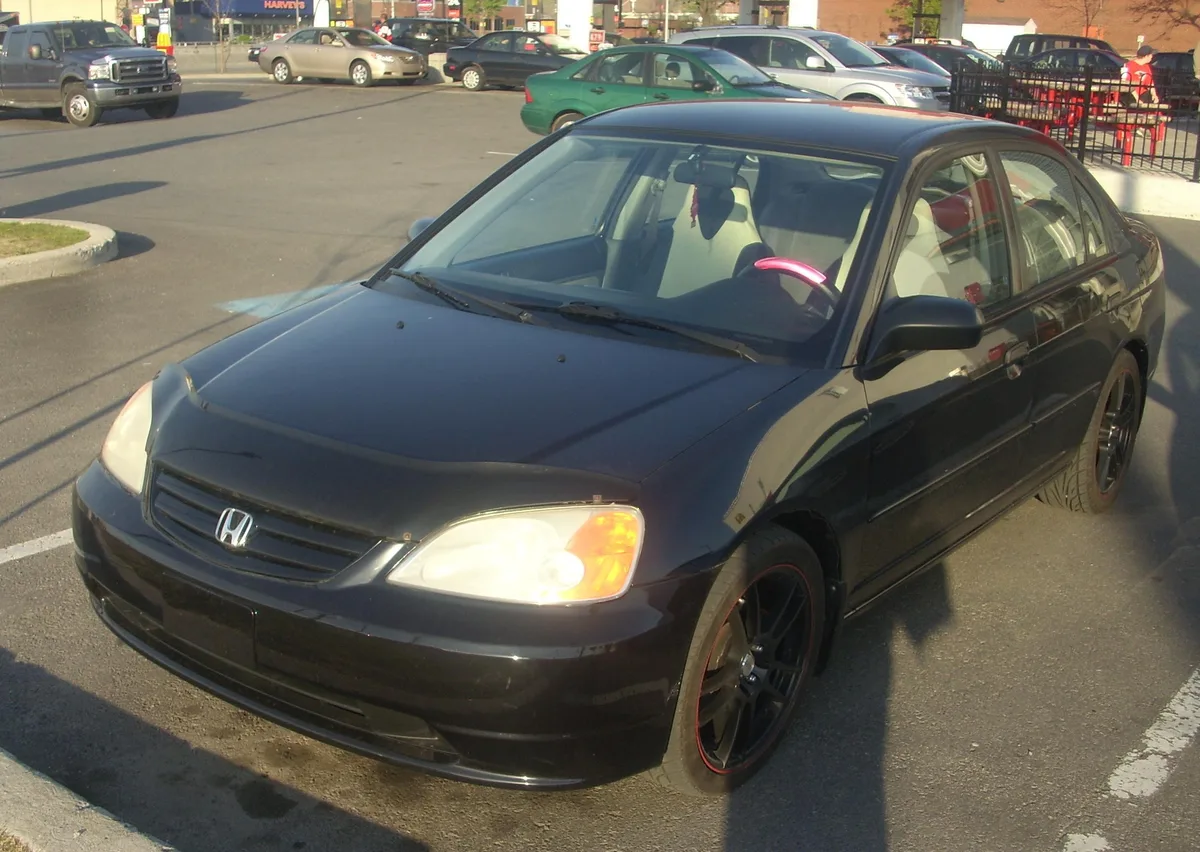
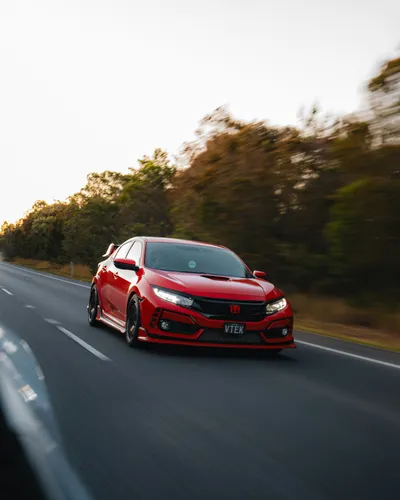
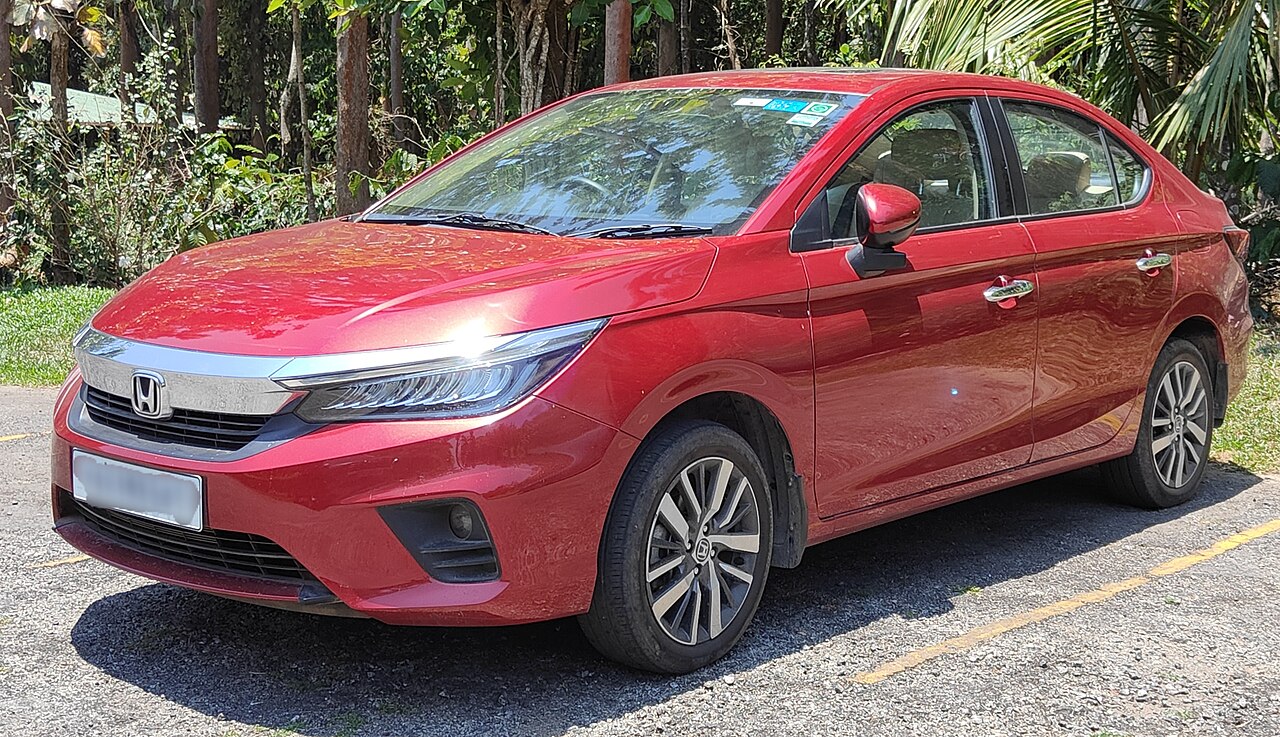
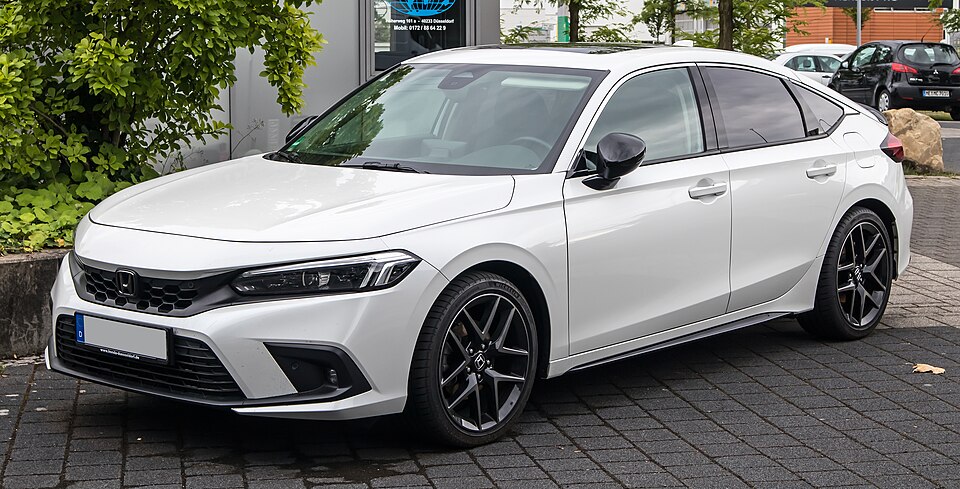
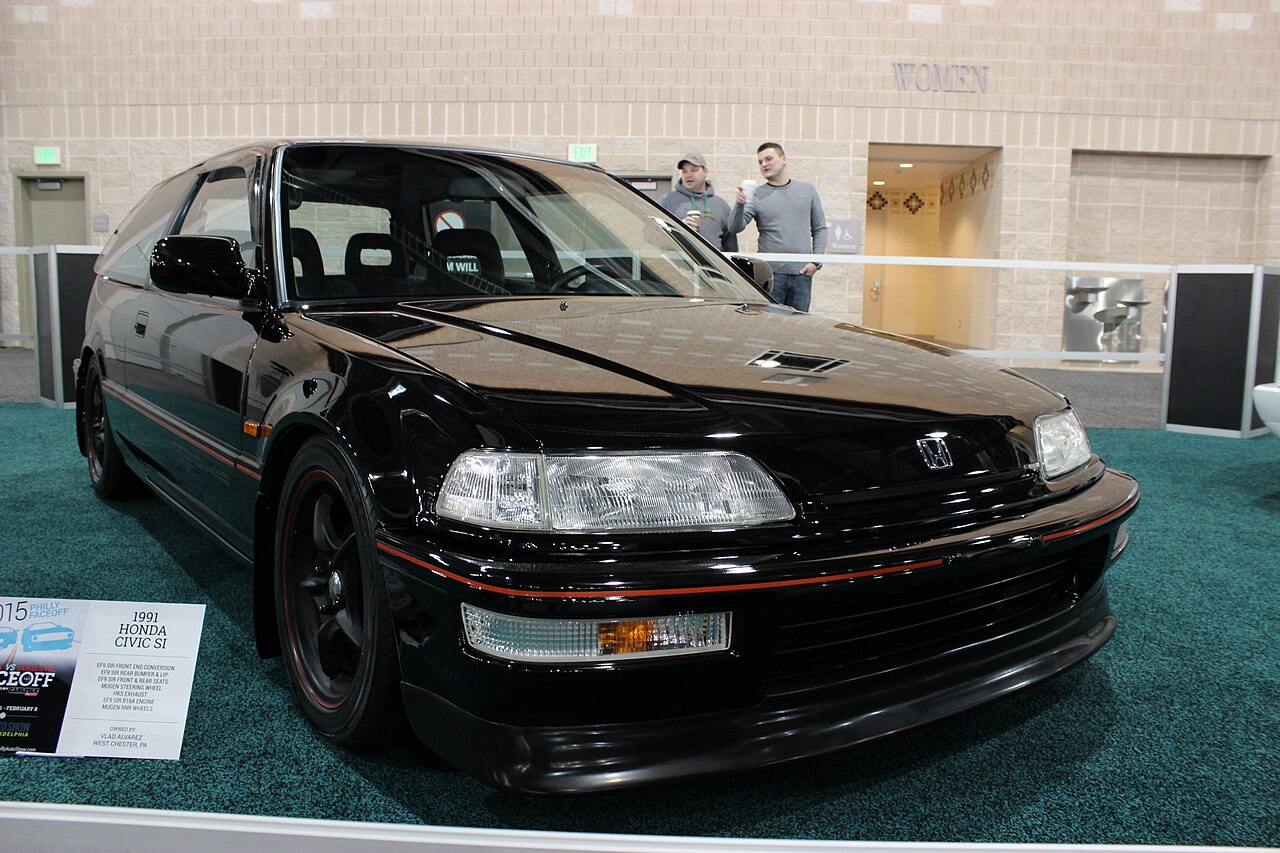
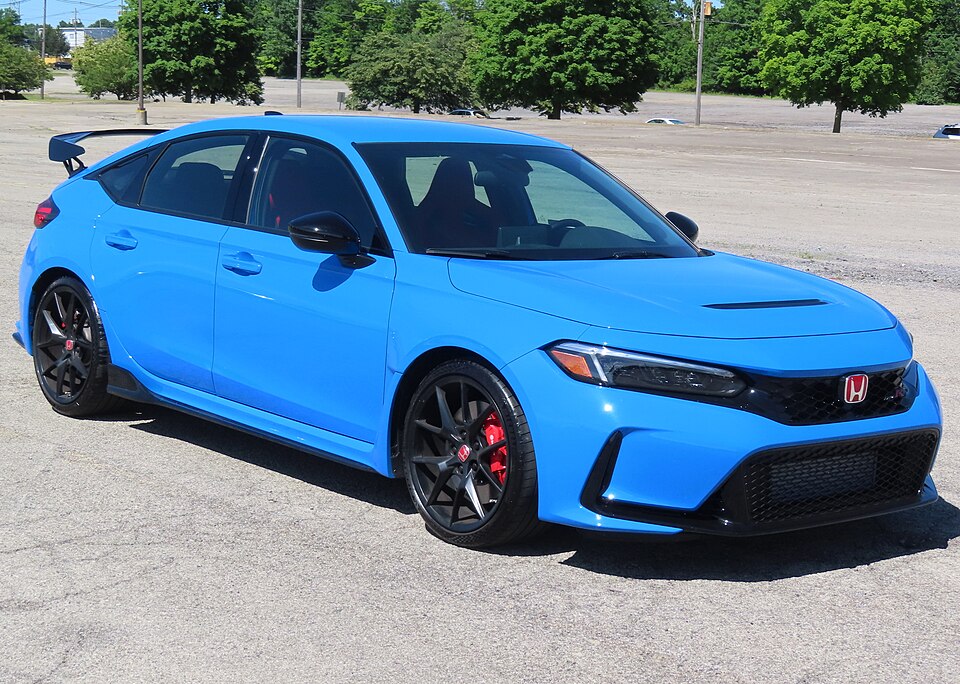
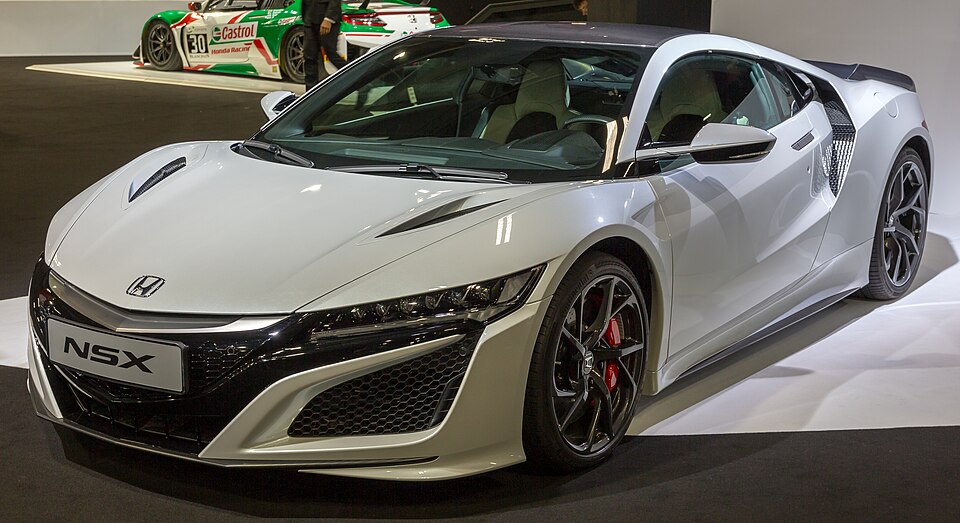
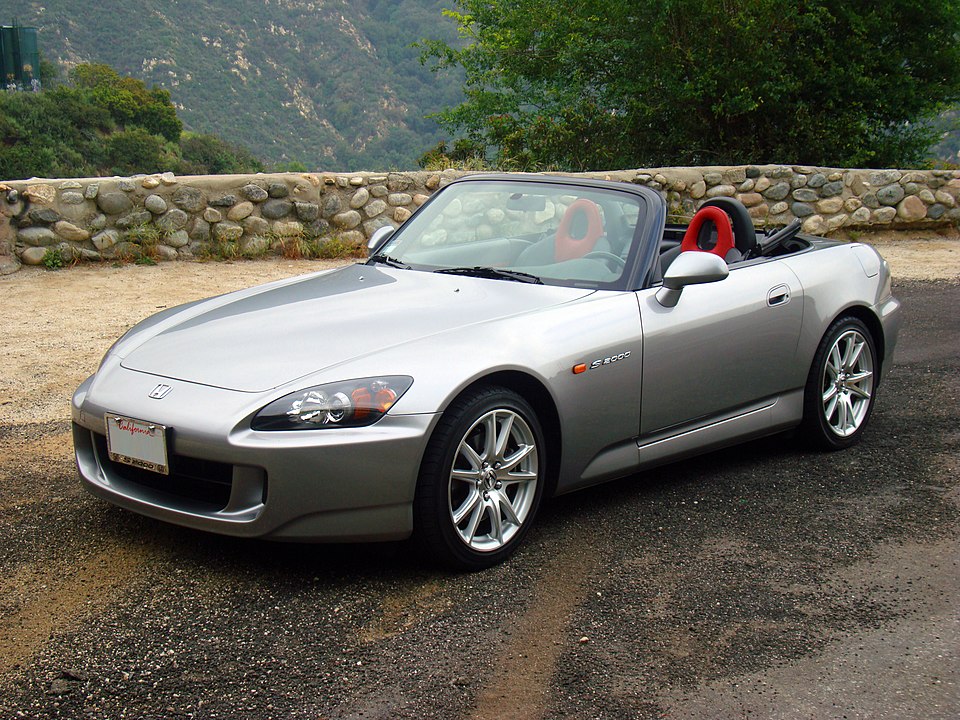
JDMHonda is the car maker that taught the world how to build a small engine that actually wants to be wrung out. Founded by Soichiro Honda in 1948 as a motorcycle manufacturer, the company moved into cars in the 1960s and quickly distinguished itself by chasing horsepower per liter instead of horsepower per dollar. The back catalog has no real equivalent. The Civic took a humble hatchback and turned it into the default tuner platform for two generations of enthusiasts. The Integra Type R and the original Civic Type R proved that front-wheel drive could be properly fast. The S2000 wound to 9,000 rpm in stock form. The NSX, designed with input from Ayrton Senna, embarrassed Ferraris in cornering tests for years. Honda's reputation for reliability is not marketing. K-series and B-series engines routinely run past 200,000 miles on factory internals, and the company's manual gearboxes are among the best ever fitted to a production car. That same engineering culture is why a 25-year-old Civic SiR can still hold its own in a track-day grid against far newer machinery. On WhipJury, Honda submissions span everything from clean-stock EK Civics to time-attack Integras and modern Civic Type Rs with bolt-on turbo kits. Browse the leaderboard below to see which examples are winning duels right now, and the model directory to dive into specific cars.
Top Honda cars on WhipJury
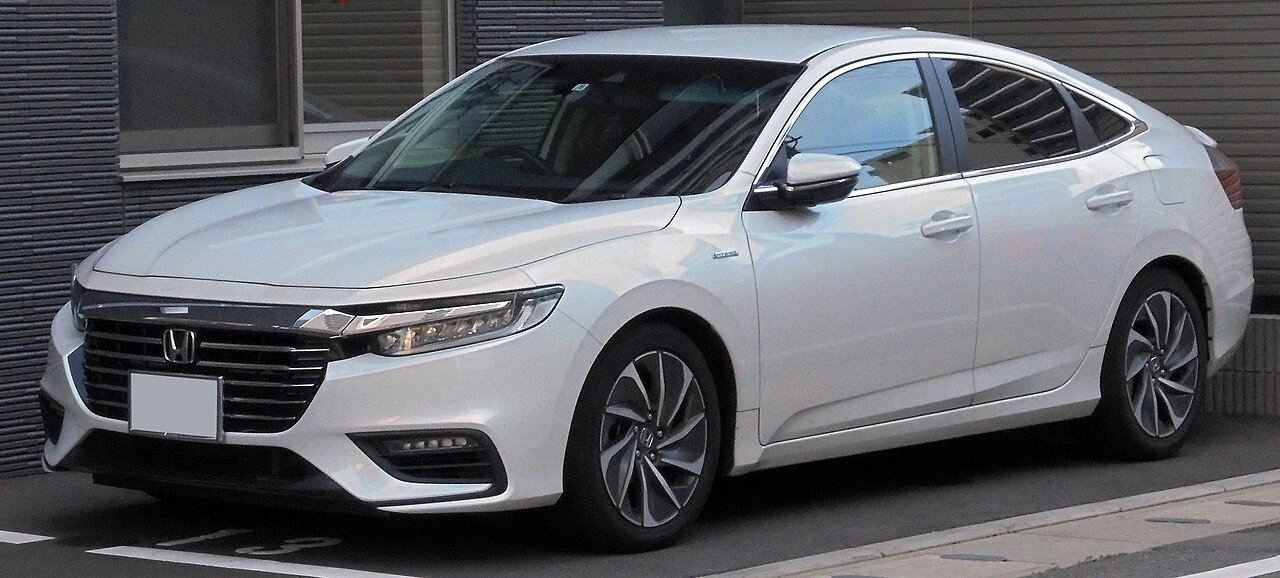
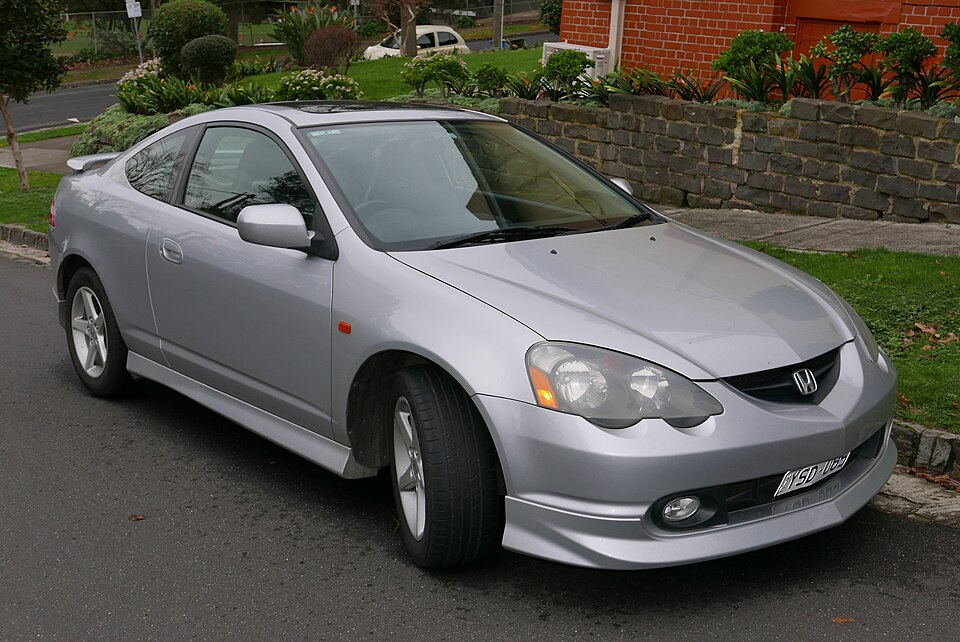
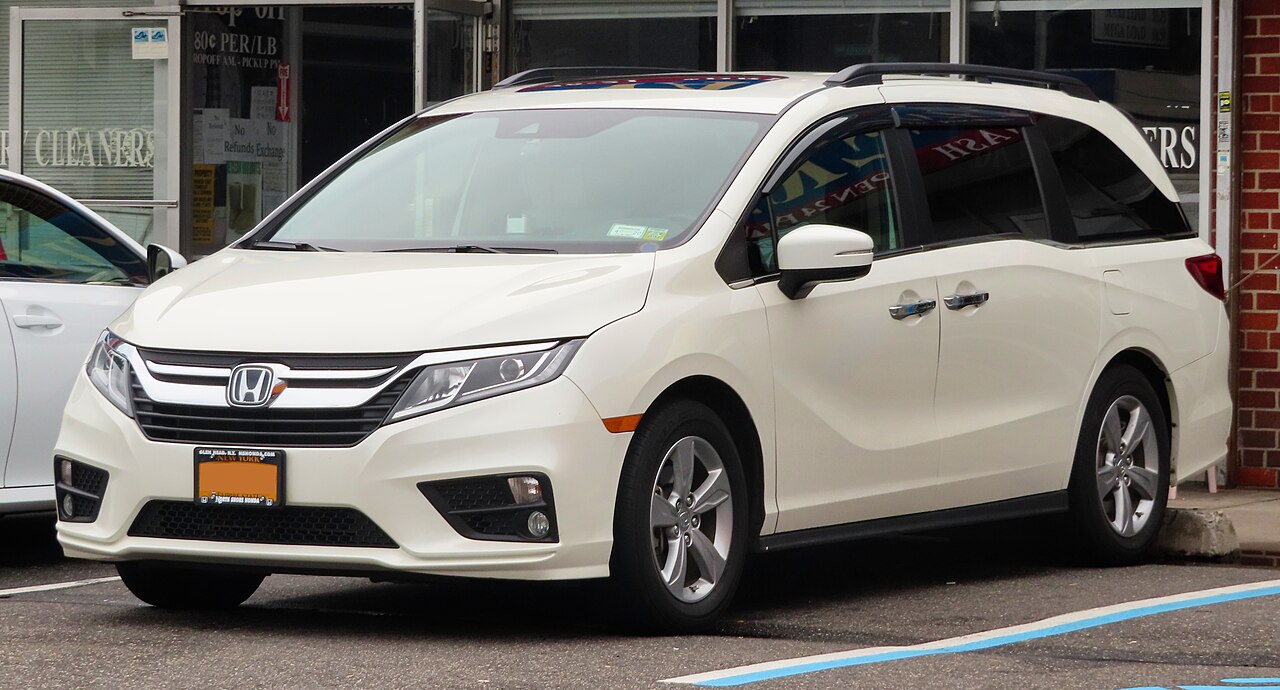
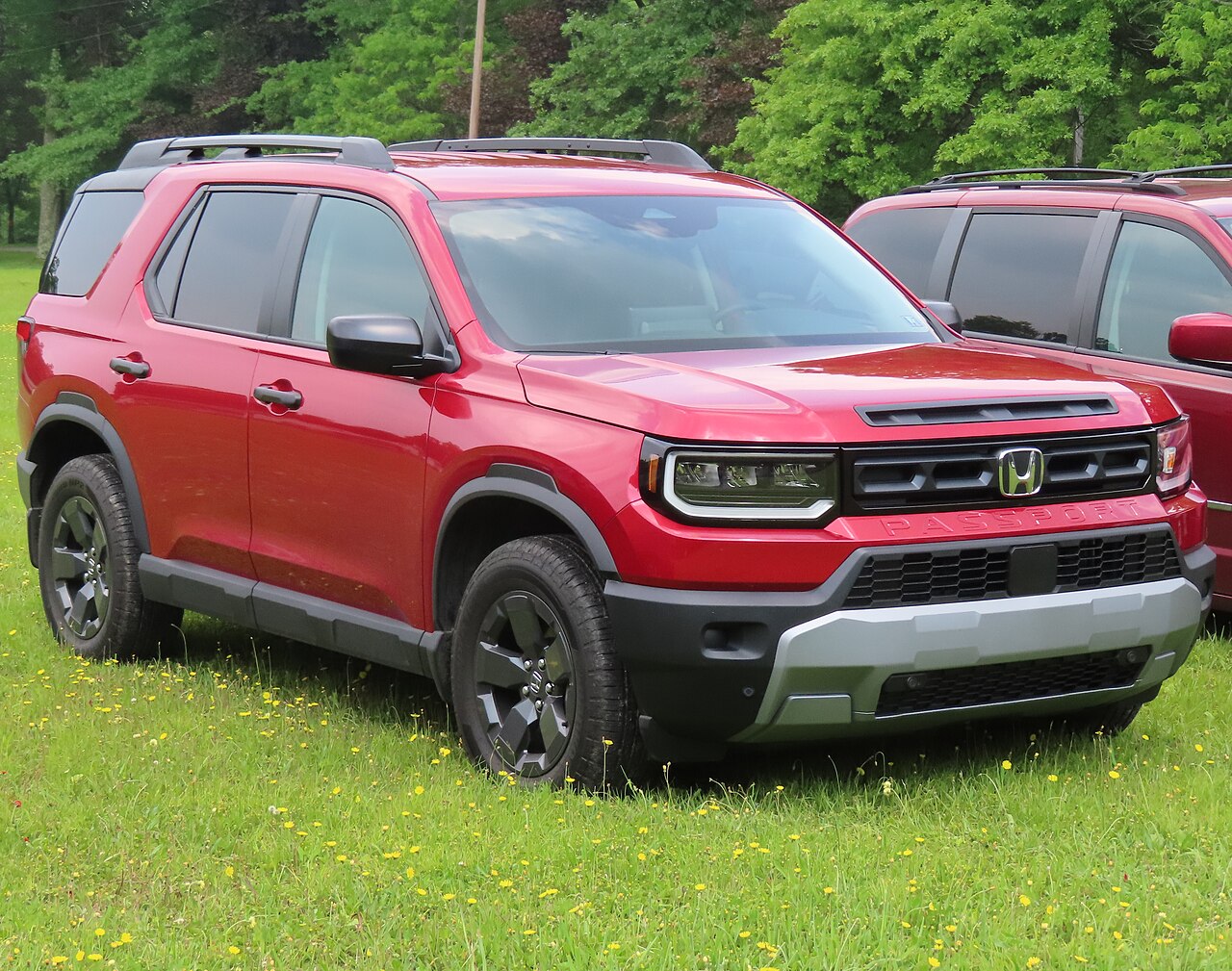
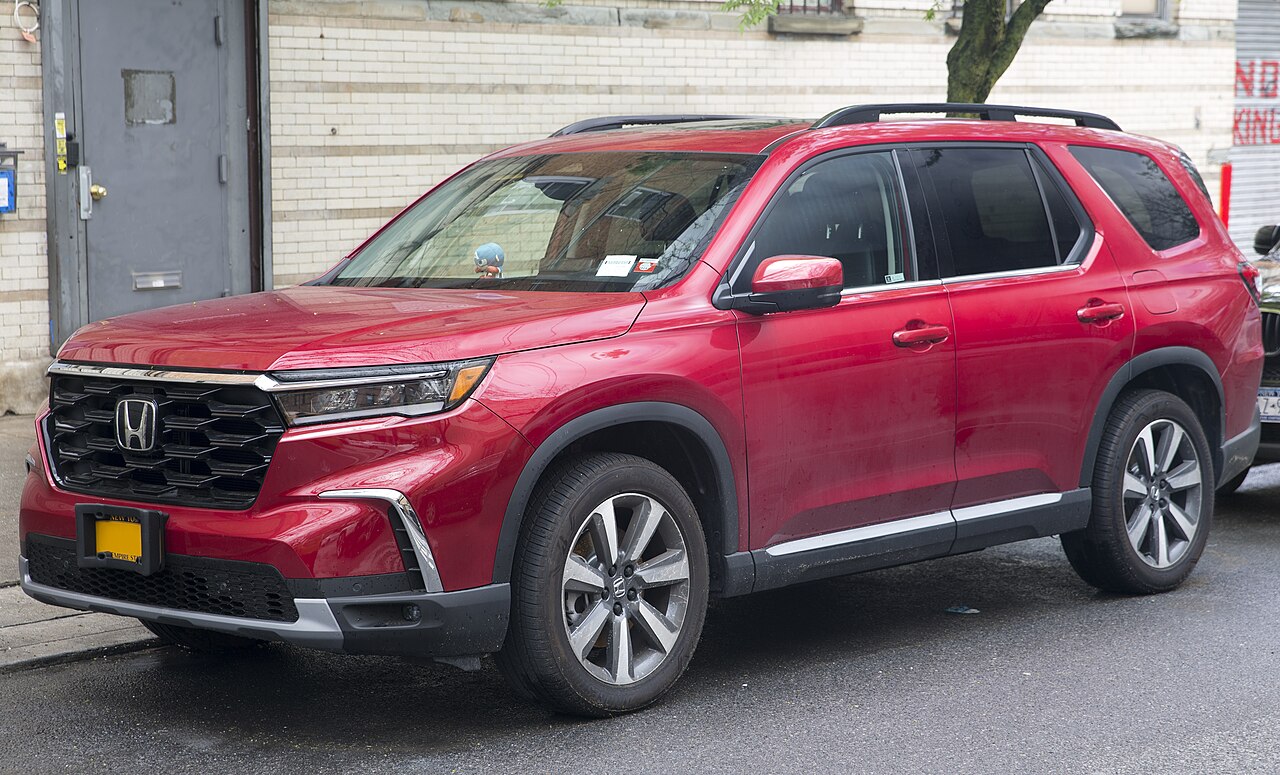
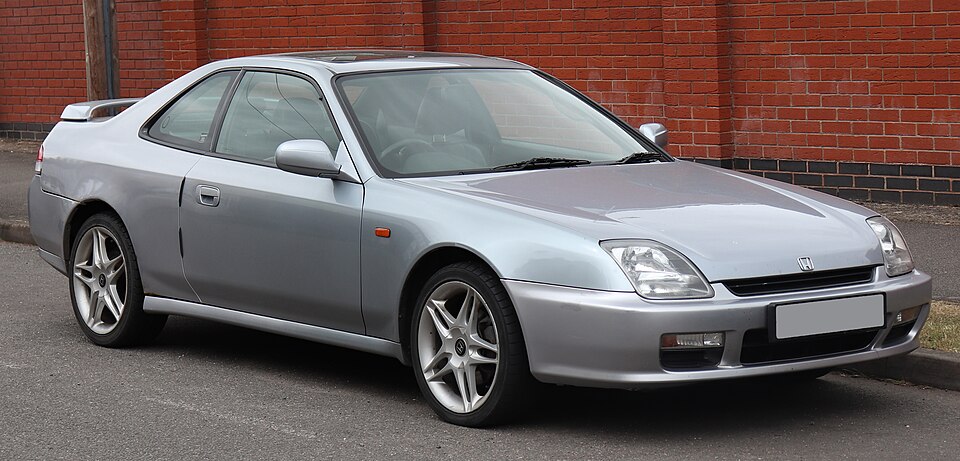
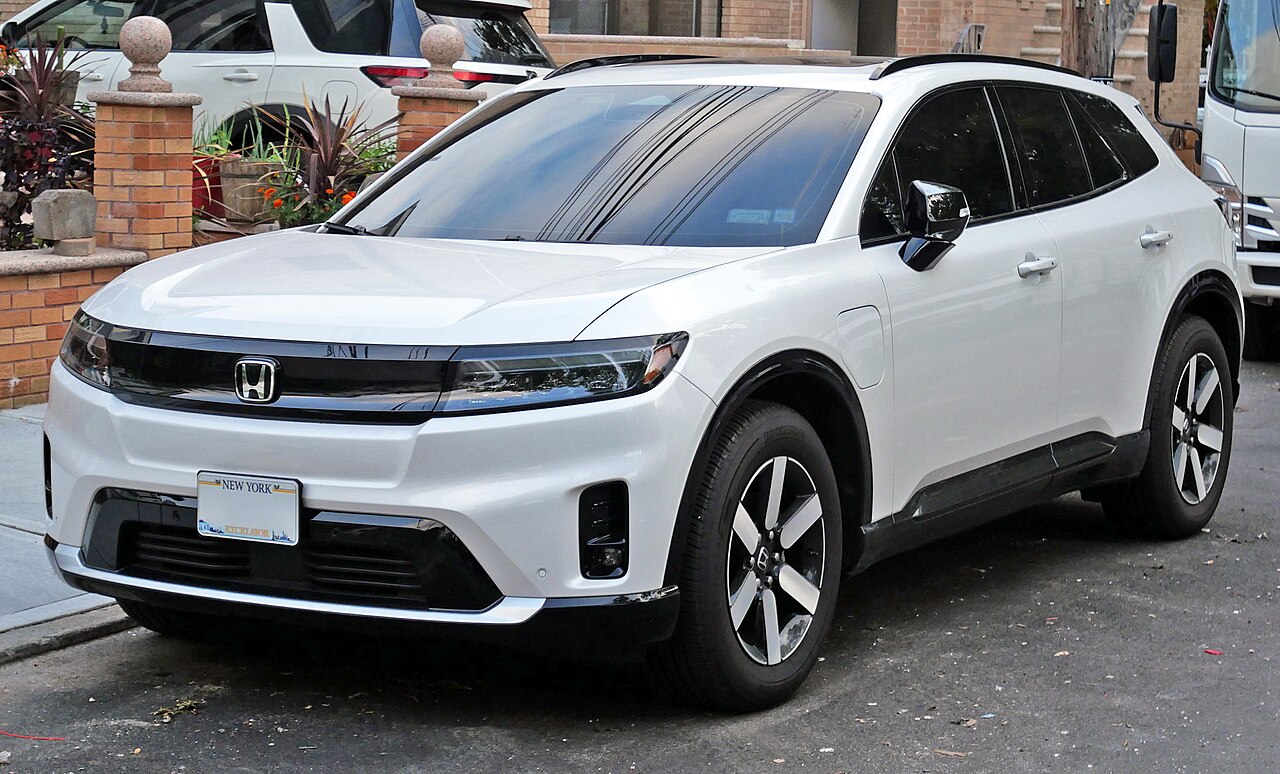
Honda models we cover
The Honda philosophy
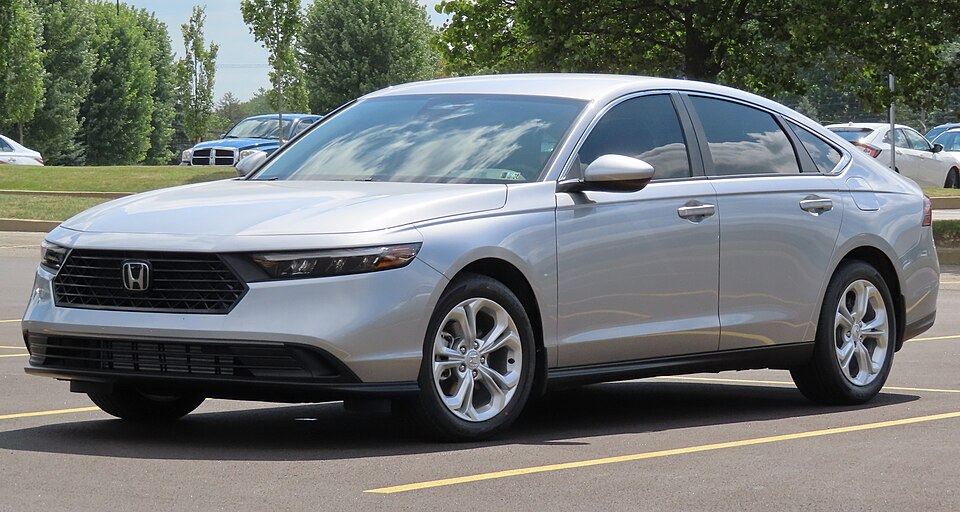
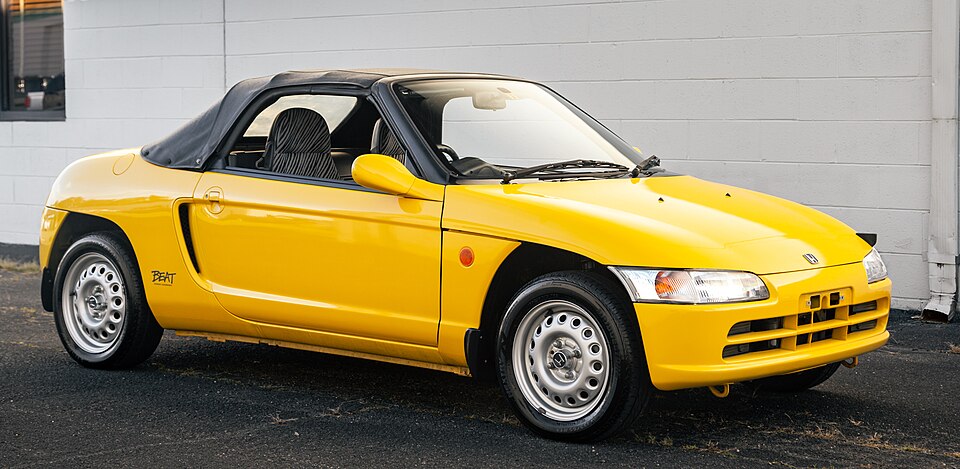
What separates Honda from other Japanese makers is a stubborn commitment to engineering as the product. Toyota built reliability through process. Nissan built performance through ambition. Honda built both, but always in service of a third thing: the engine itself.
VTEC, the company's variable valve timing system, is the cleanest example. Where rivals chased turbocharging in the 1990s, Honda kept revving naturally aspirated four-cylinders to 8,000 and 9,000 rpm in pursuit of clean, linear power delivery. The B16 in the first Civic Type R, the F20C in the S2000, and the K20A in the DC5 Integra Type R are studied by tuners worldwide because they show how much can be extracted from a 2-liter package.
Decade by decade
1970s. The first Civic launches in 1972. CVCC technology lets it pass US emissions without a catalytic converter, which puts Honda on the map in North America.
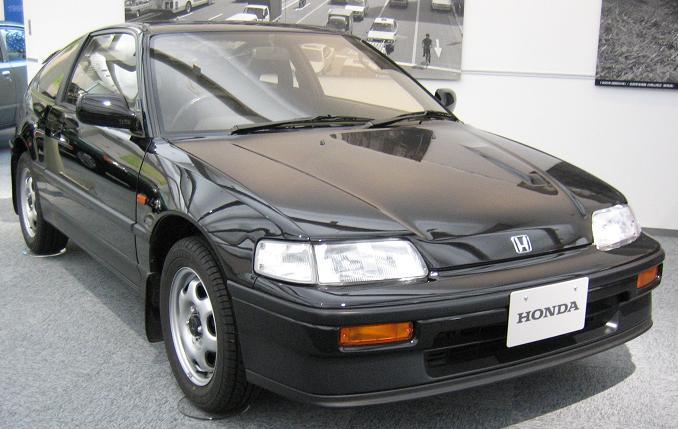
1980s. The Prelude, CRX, and second-gen Civic build a sport-compact identity. The CR-X Si becomes the default canyon weapon for a generation of West Coast drivers.
1990s. Honda's golden era. The NSX, Integra Type R, S2000, and JDM-only Civic Type R cement a reputation that has not faded. Most of the cars now classified as JDM legends were built in this decade.
2000s. The S2000 gets the F22C, the EP3 Civic Type R brings the formula to Europe, and the DC5 Integra Type R lands in JDM markets only. Tuners discover that K-series swaps work in almost any chassis.
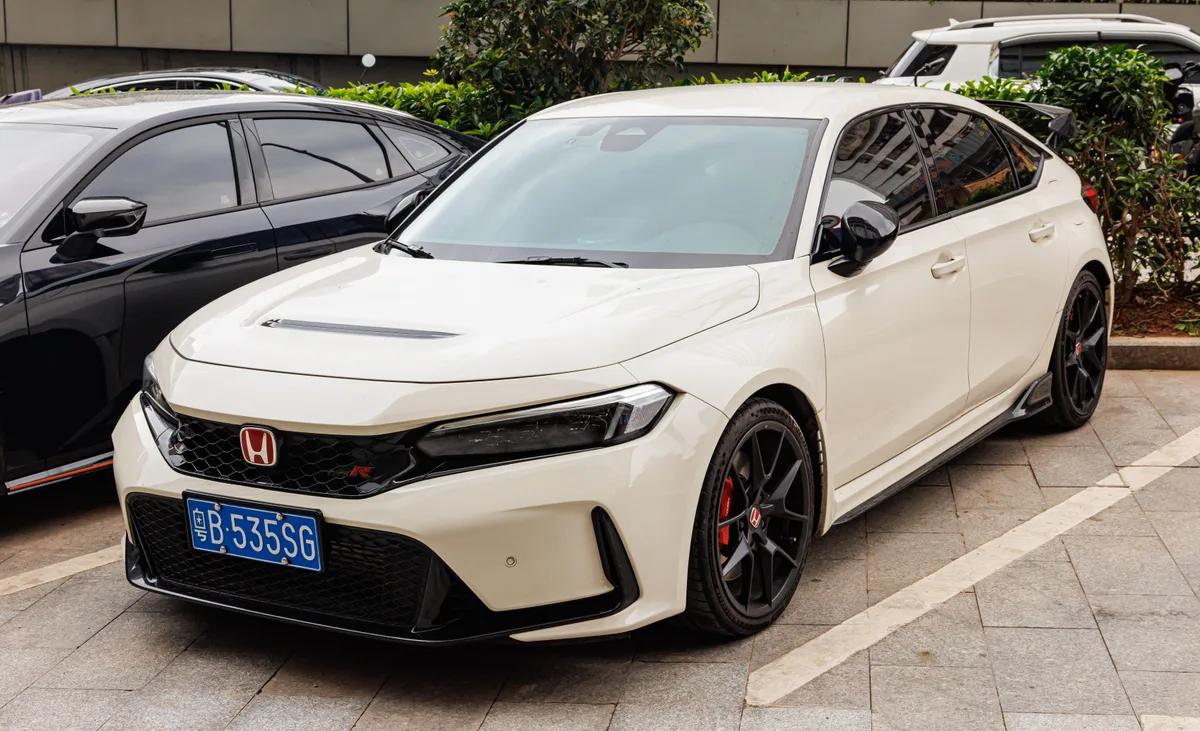
2010s and beyond. The FK2, FK8, and FL5 Civic Type R hatchbacks reset the bar for front-wheel drive performance, lapping the Nürburgring faster than many rear-drive sports cars.
Honda on WhipJury
Honda is one of the most active makes in the WhipJury arena. Civics dominate the daily duel queue, but the leaderboard is full of S2000s, Integras, NSXs, and Type R hatchbacks that have racked up double-digit win streaks. The community here knows what a clean OEM-plus build looks like and votes accordingly.