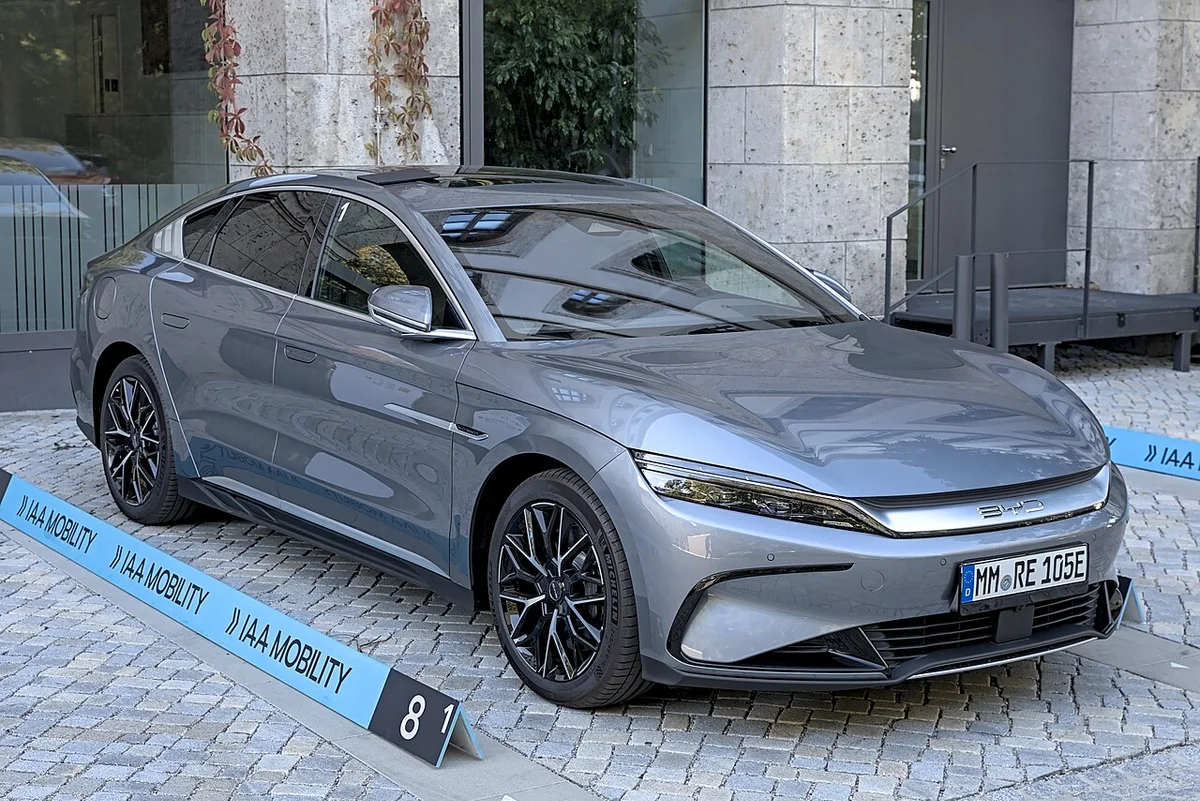
If you follow car news at all, you've started seeing names you don't recognize. BYD. Nio. Zeekr. Leapmotor. Xpeng. They're Chinese electric car brands, several of them are enormous, and most Americans couldn't tell you which is which.
They're worth knowing, because these companies are already shaping what electric cars look like everywhere else. Here's who they actually are, in plain terms.
BYD: The Giant
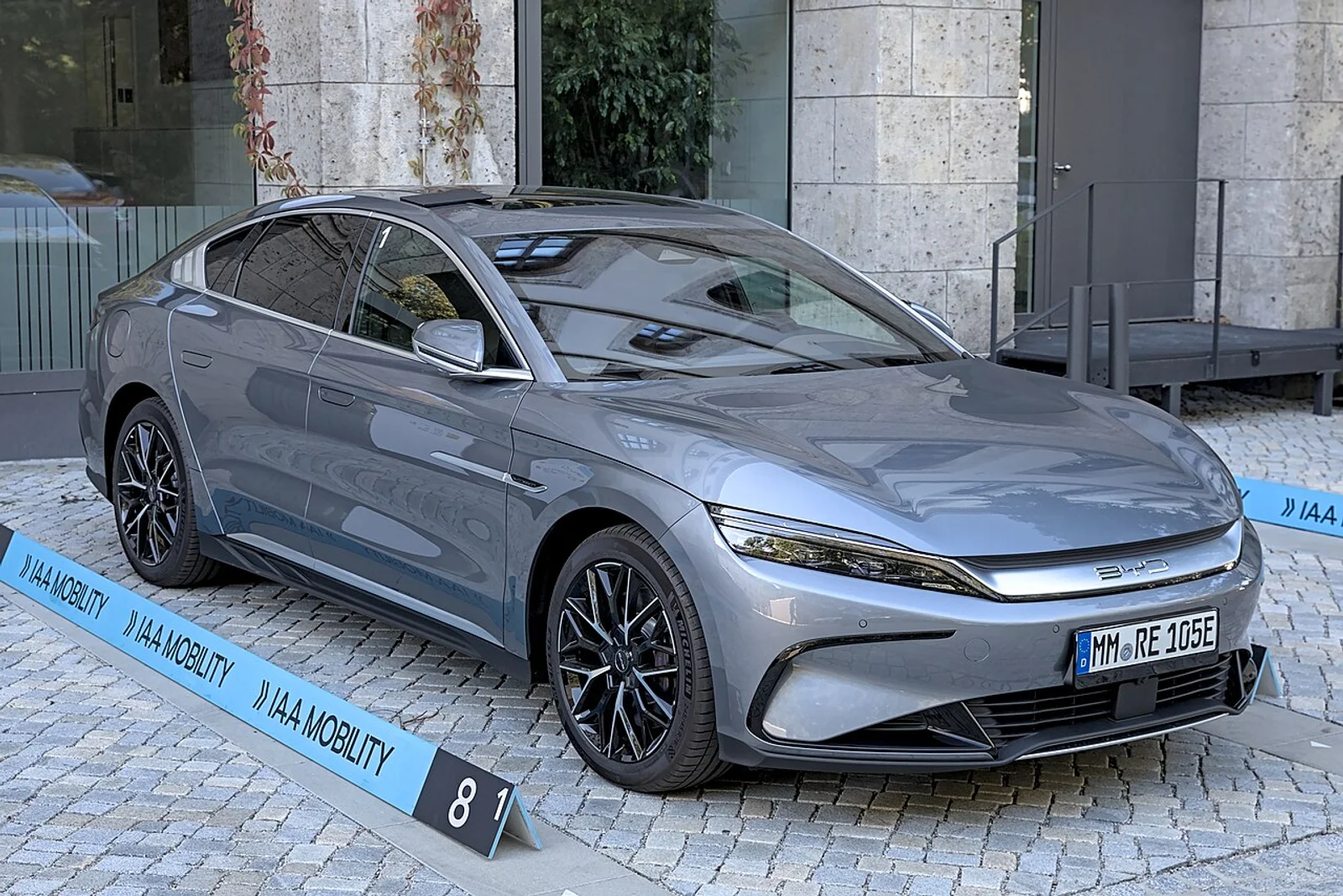
BYD is the big one. The name stands for Build Your Dreams, which is easy to laugh at until you look at the sales figures. BYD grew out of battery manufacturing rather than car building, and that's the key to understanding it: the company makes its own batteries, including the Blade Battery design it builds its cars around.
Controlling the battery means controlling the most expensive part of an electric car, which is how BYD undercuts nearly everyone on price. Its lineup runs from small hatchbacks like the Dolphin up to the Sealion crossovers, and it has pushed hard into Europe, South America and Southeast Asia.
Nio: The One With Swappable Batteries
Nio took a genuinely different path. Instead of asking you to wait at a charger, Nio built stations that swap your depleted battery for a full one, automatically, in roughly three minutes. You drive in, the station drops the old pack and fits a fresh one, and you leave.
Everyone said battery swapping couldn't scale, and Nio kept building anyway. By early 2026 the company reported passing 100 million swaps across a network of roughly 3,800 stations. It also means you can lease the battery separately from the car, which lowers the purchase price and sidesteps the worry about a pack degrading.
Zeekr: Geely's Sharp End
Zeekr belongs to Geely, the group that also owns Volvo and Polestar, and it exists to build near-premium electric cars with actual performance intent. If BYD is about volume and value, Zeekr is aimed at people who want their electric car to feel expensive and quick.
The design work is the part that surprises people. Zeekr models tend to look deliberate and cohesive rather than derivative, which isn't what most Western buyers expect from a brand they've never heard of.
Leapmotor: The One With a Western Parent
Leapmotor matters for a reason that has little to do with its cars. Stellantis, the group behind Jeep, Dodge, Peugeot and Fiat, bought a stake in the company and formed a joint venture that holds the rights to sell and build Leapmotor products outside Greater China.
That's the arrangement to watch. Rather than compete with Chinese EV makers head-on, a Western giant simply partnered with one and started shipping its cars into other markets. It's why you may see a Leapmotor in a European showroom next to brands you grew up with.
And Xpeng
Xpeng rounds out the group most often mentioned alongside Tesla in China, leaning heavily on driver-assistance software and tech features as its selling point.
The Design Question Nobody Expected
Here's the part that should interest anyone who cares how cars look. The lazy assumption was that these cars would be crude copies. Some early ones were. The current crop mostly isn't, and a few of them are genuinely handsome, with cleaner surfaces and better proportions than some established brands are managing right now.
That's the real story here. The conversation has moved from whether these cars are any good to whether they look better than the alternatives, and that's a much more uncomfortable question for the incumbents.
Upload one to WhipJury if you have access to one, because the voting on these brands is going to be interesting to watch.
Sources:
Brand overviews, ownership and market positioning: Chinese EV Europe
Nio battery swap network and swap count: Autocar
The Stellantis stake in Leapmotor: Stellantis
Frequently Asked Questions

Jeffrey Wiley has spent more time than he'd like to admit thinking about what makes a car look right. He writes about automotive design, car culture, and the opinions people have strong feelings about. He lives in north Georgia.