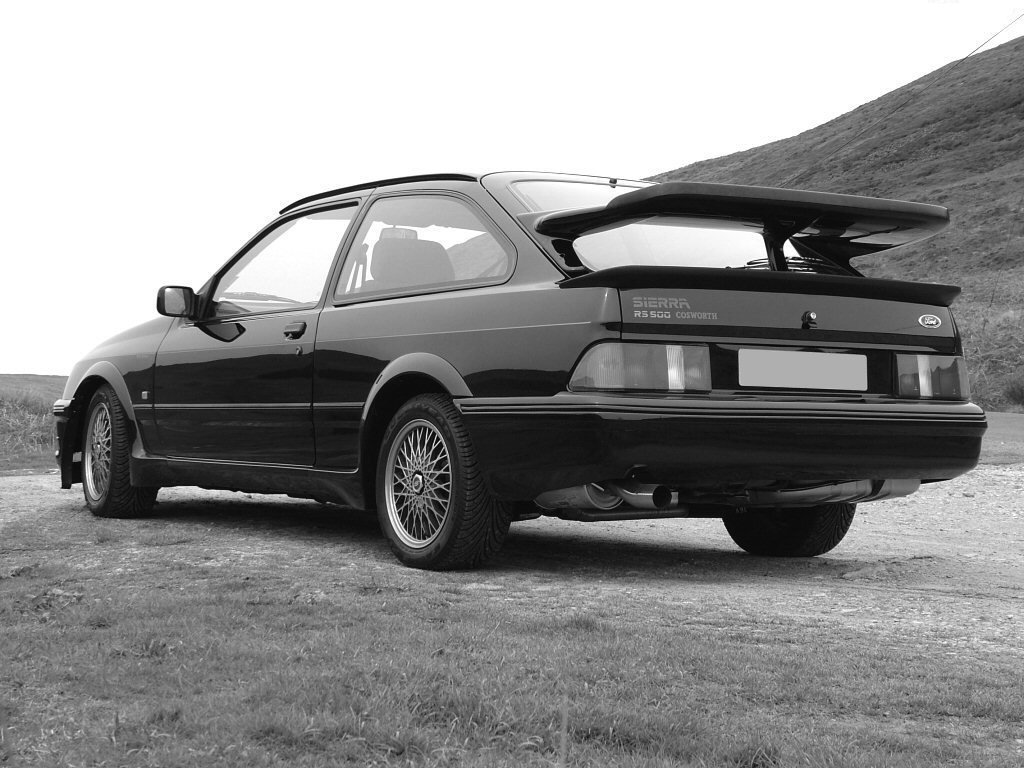
What is Wing?
A shaped airfoil mounted in clean air that generates downforce, pressing the car onto the road at the cost of added drag.
A wing is an aerodynamic device that works like an upside-down aircraft wing. Air passes over and under its shaped profile, and the pressure difference generates downforce that pushes the car into the road. More downforce means more mechanical grip, which is why race cars run large wings.
To work properly a wing needs clean, undisturbed air, which is why wings are mounted up and away from the bodywork on stalks rather than sitting flush like a spoiler. The trade-off is unavoidable: any wing that generates meaningful downforce also generates drag, so it costs straight-line speed and efficiency.
On road cars a wing only earns its keep at speeds higher than most drivers ever reach, so a large rear wing on a street build is usually a styling decision rather than a performance one.
Related terms
Frequently asked questions
Wing on the blog
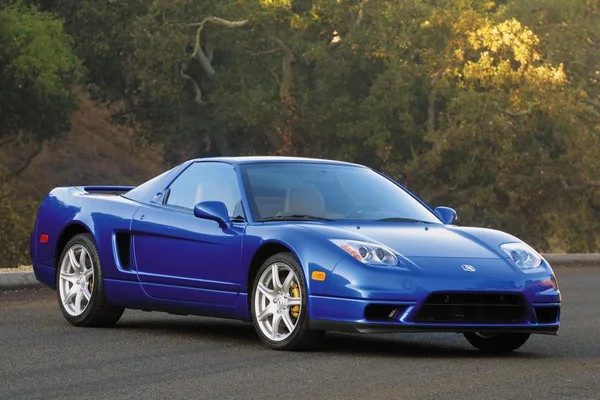
Acura started selling more than 3,000 reproduction parts for the 1991 to 2005 NSX on November 2, through its dealers and Honda's DreamShop. It hasn't published a parts list or prices, and Honda's Japanese catalog is mostly mechanical so far.
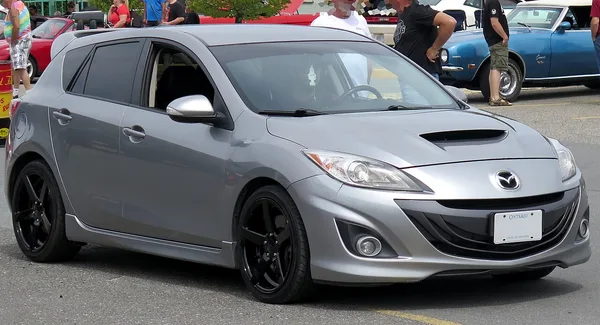
Every Mazdaspeed3 made 263 hp and 280 lb-ft from a 2.3-liter turbo four, from 2007 through 2013. Here is how Mazda kept that torque in check through the front wheels, what magazine tests clocked, and why the 2010 car wore a grin.
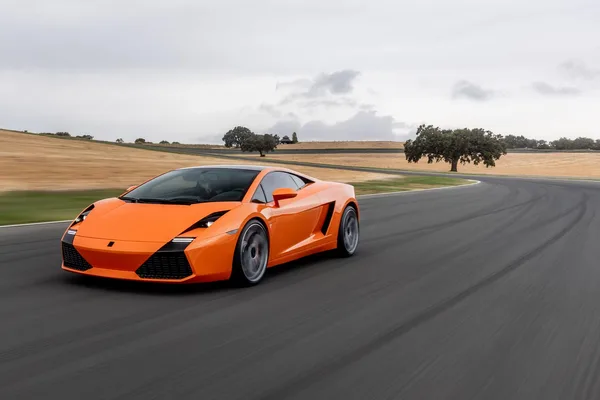
Fabrizio Giugiaro unveiled the Hommage 26 in Las Vegas on October 31. It's a carbon-bodied rework of the Lamborghini Gallardo, built from a donor car, and CAVËN Atelier plans 25 of them from €900,000. Who drew the first Gallardo is still disputed.
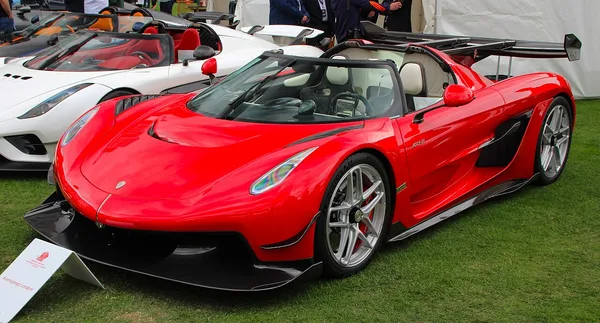
Koenigsegg's road cars run from the six-car CC8S of 2002 to the CCGT1 of 2026. Here is every model in order, with production counts and engines from Koenigsegg itself, covering the CCX, Agera, One:1, Regera, Jesko, Gemera, CC850, and Sadair's Spear.